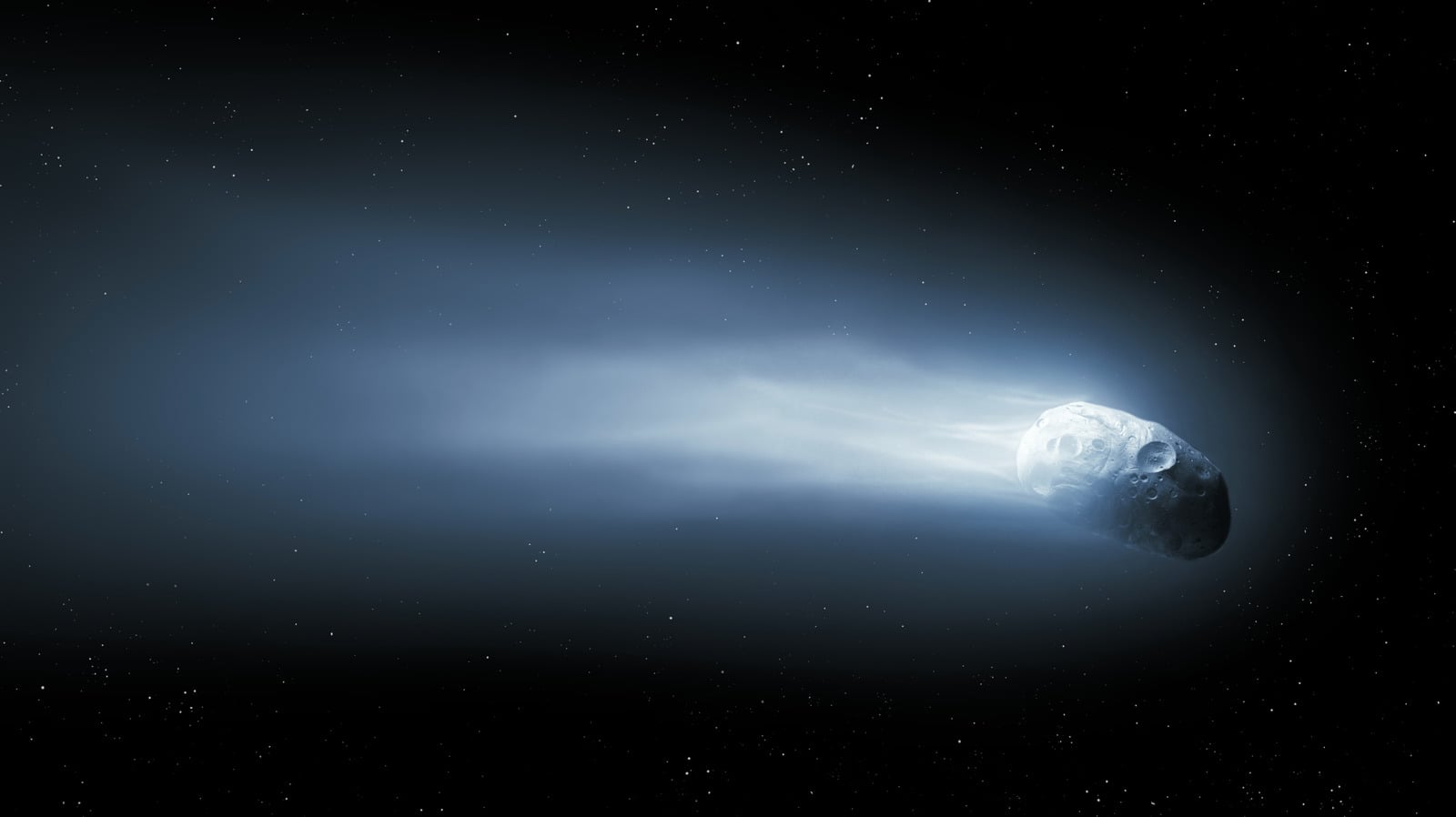
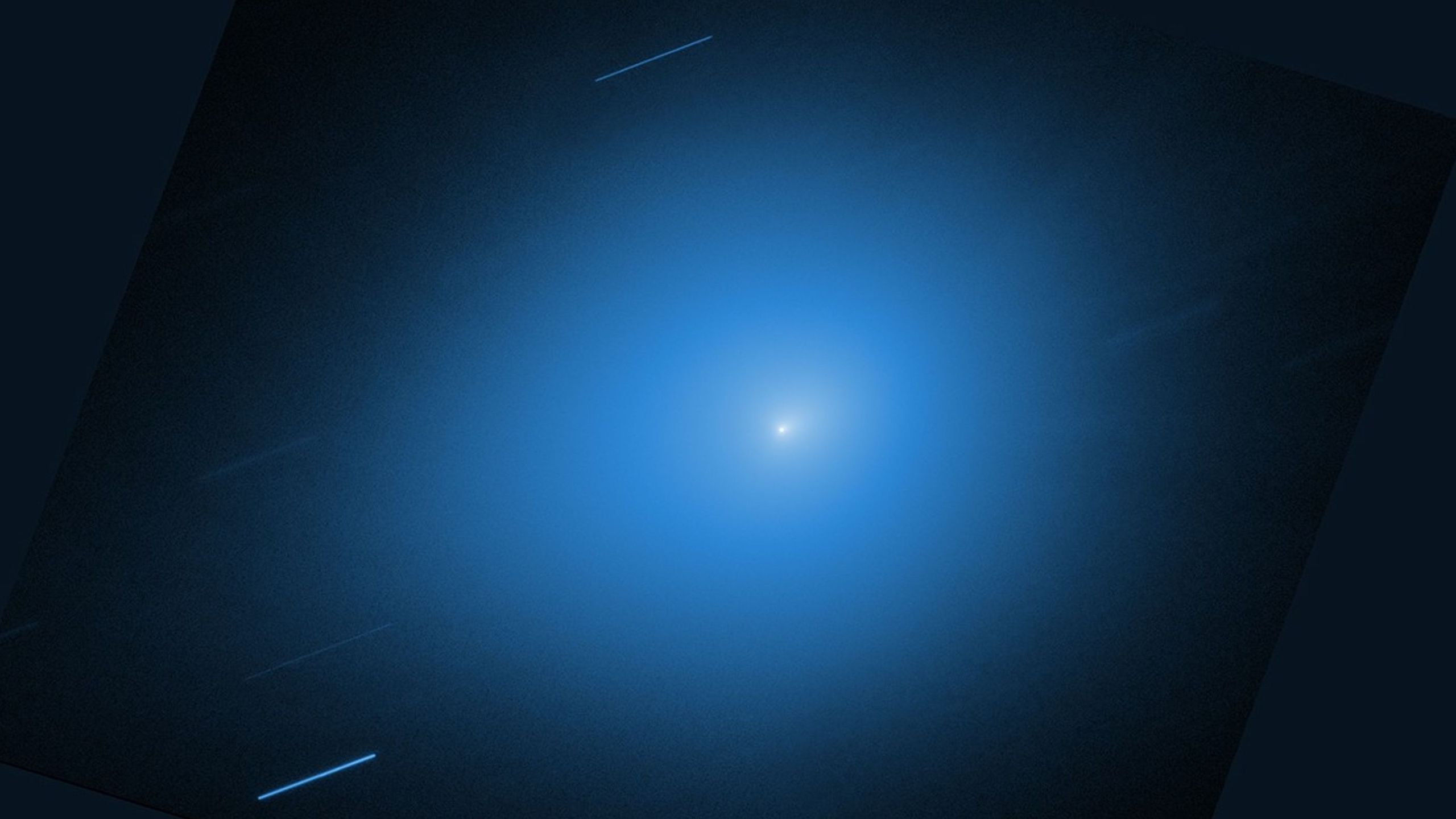
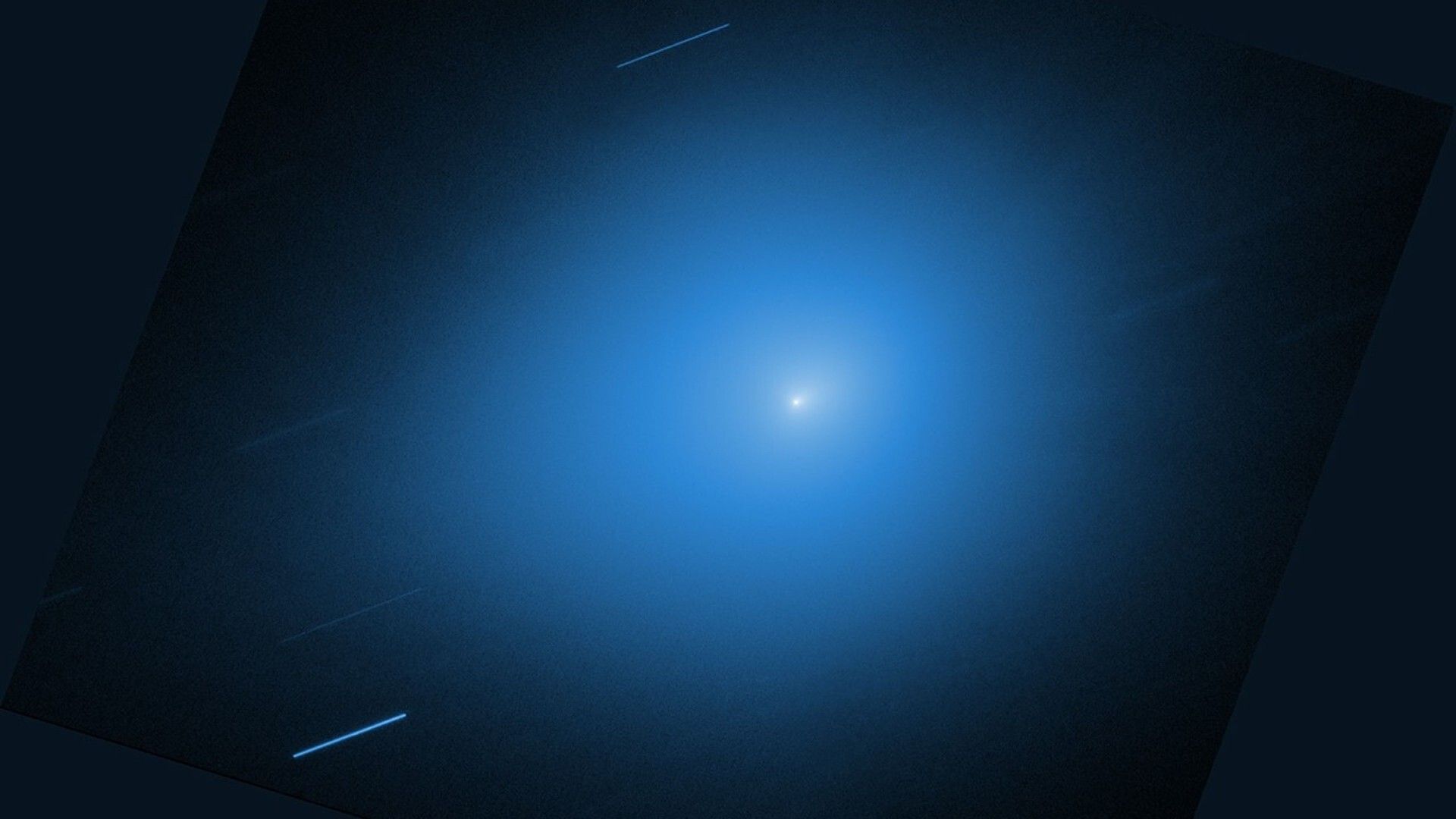
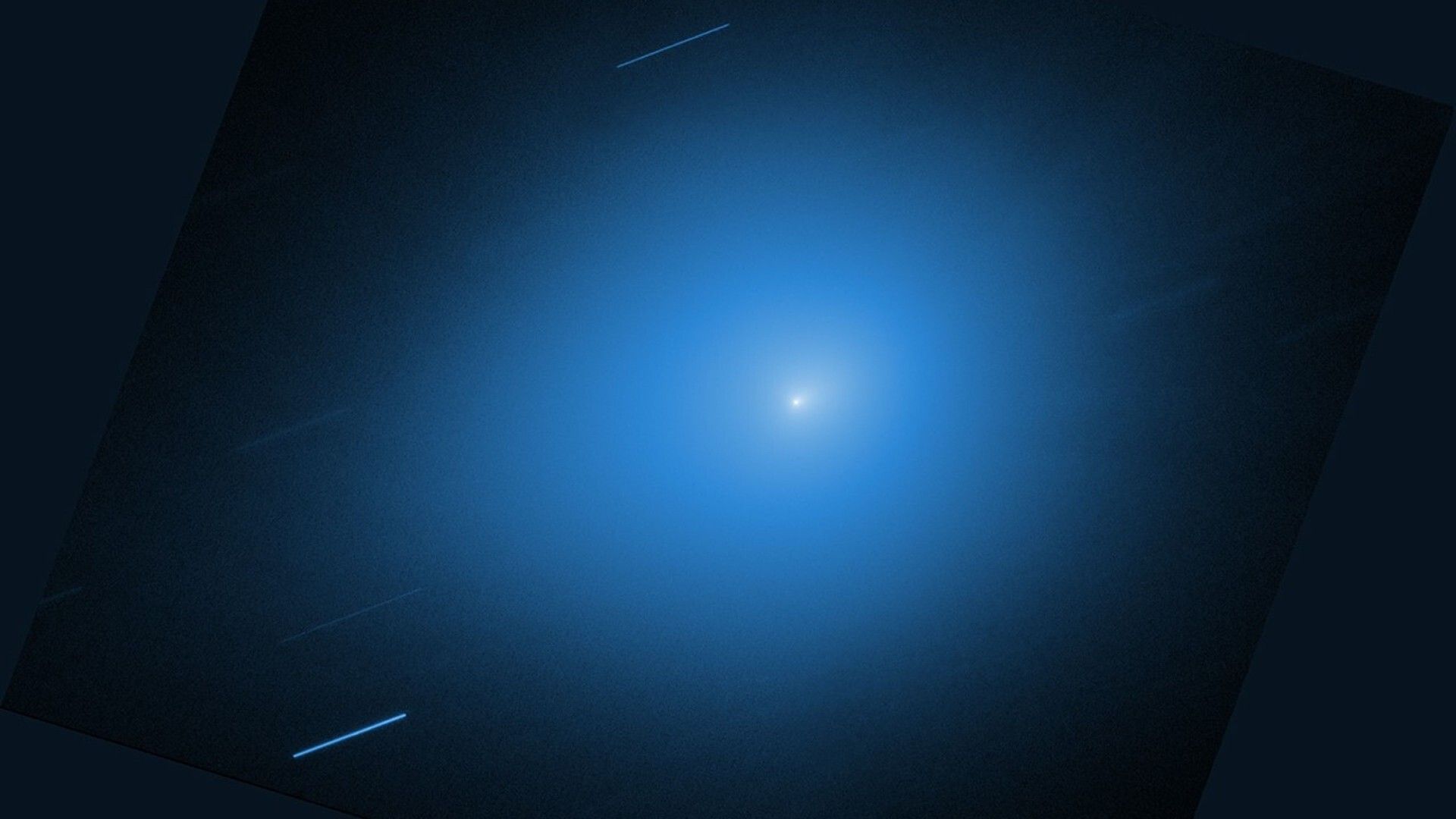
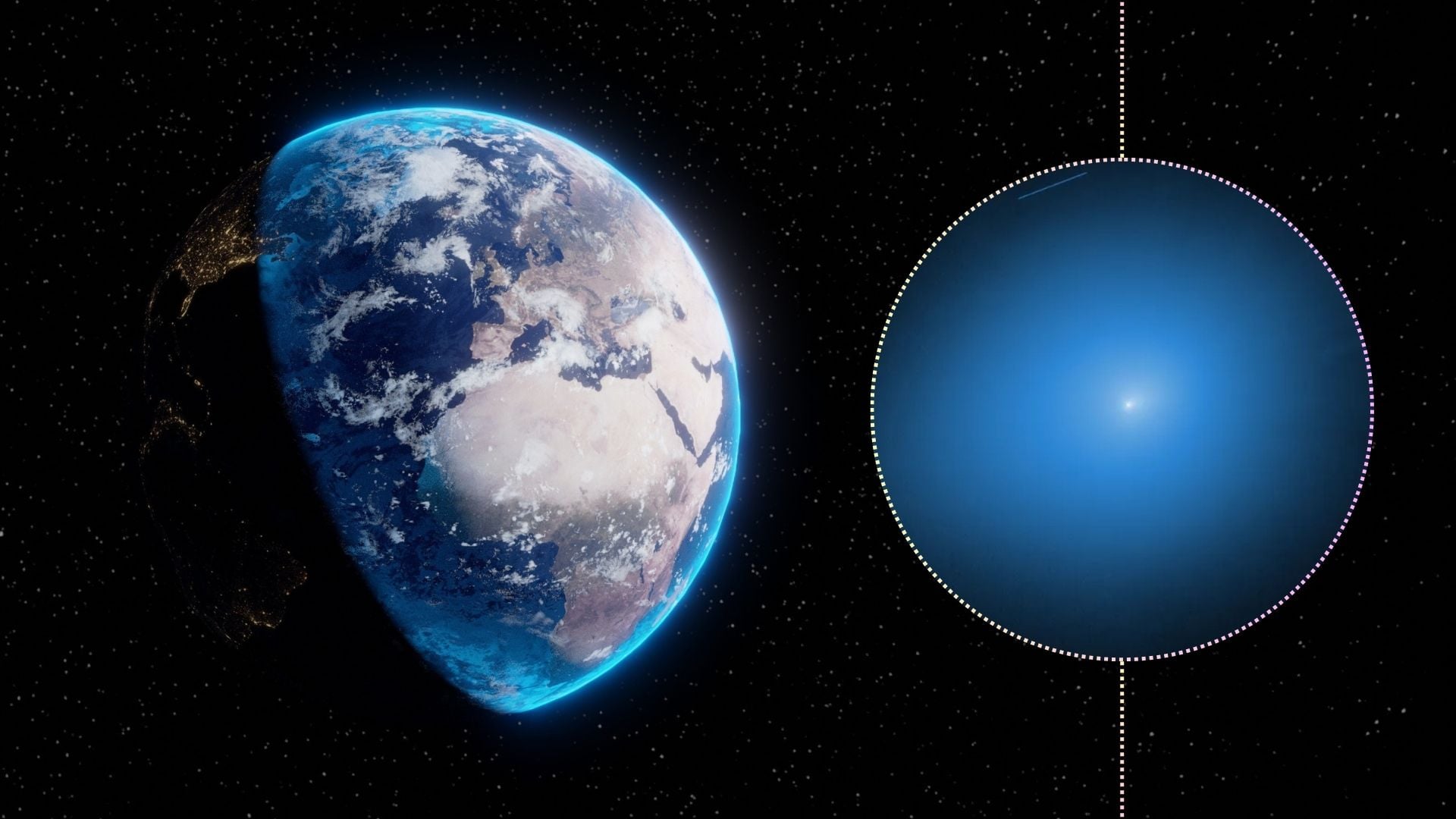
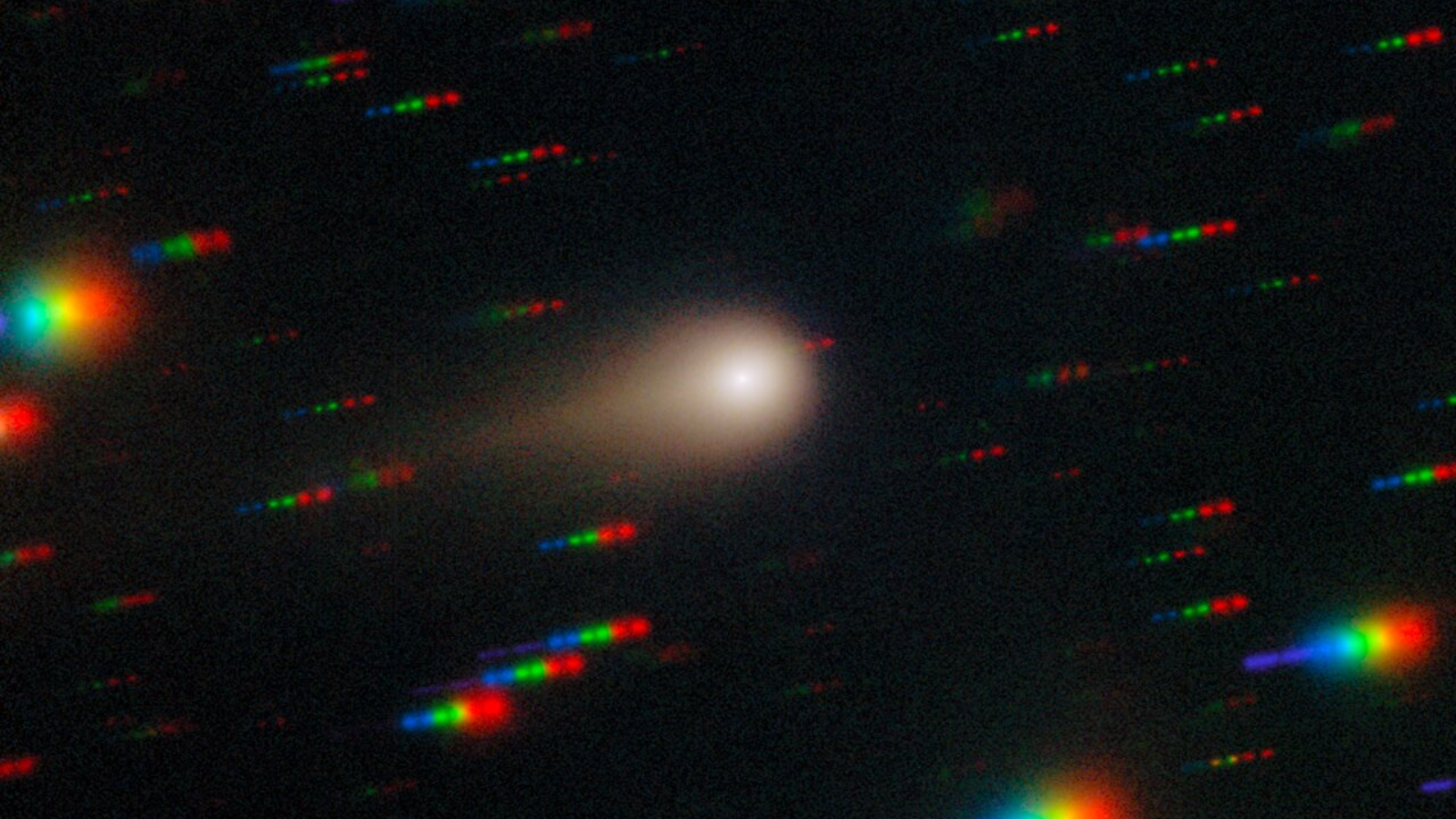
The interstellar comet 3I/ATLAS has changed its course unexpectedly, highlighting the challenges in predicting the behavior of interstellar objects. While it poses no threat to Earth, its unpredictable path offers valuable insights into comet physics and the dynamics of objects from outside our solar system, emphasizing the importance of global collaboration in space research.

This Christmas, viewers in North America and Europe can spot a bright, silent flyby of the International Space Station in the early morning hours of Dec. 24 and 25, visible without equipment, as it reflects sunlight while orbiting Earth every 90 minutes.
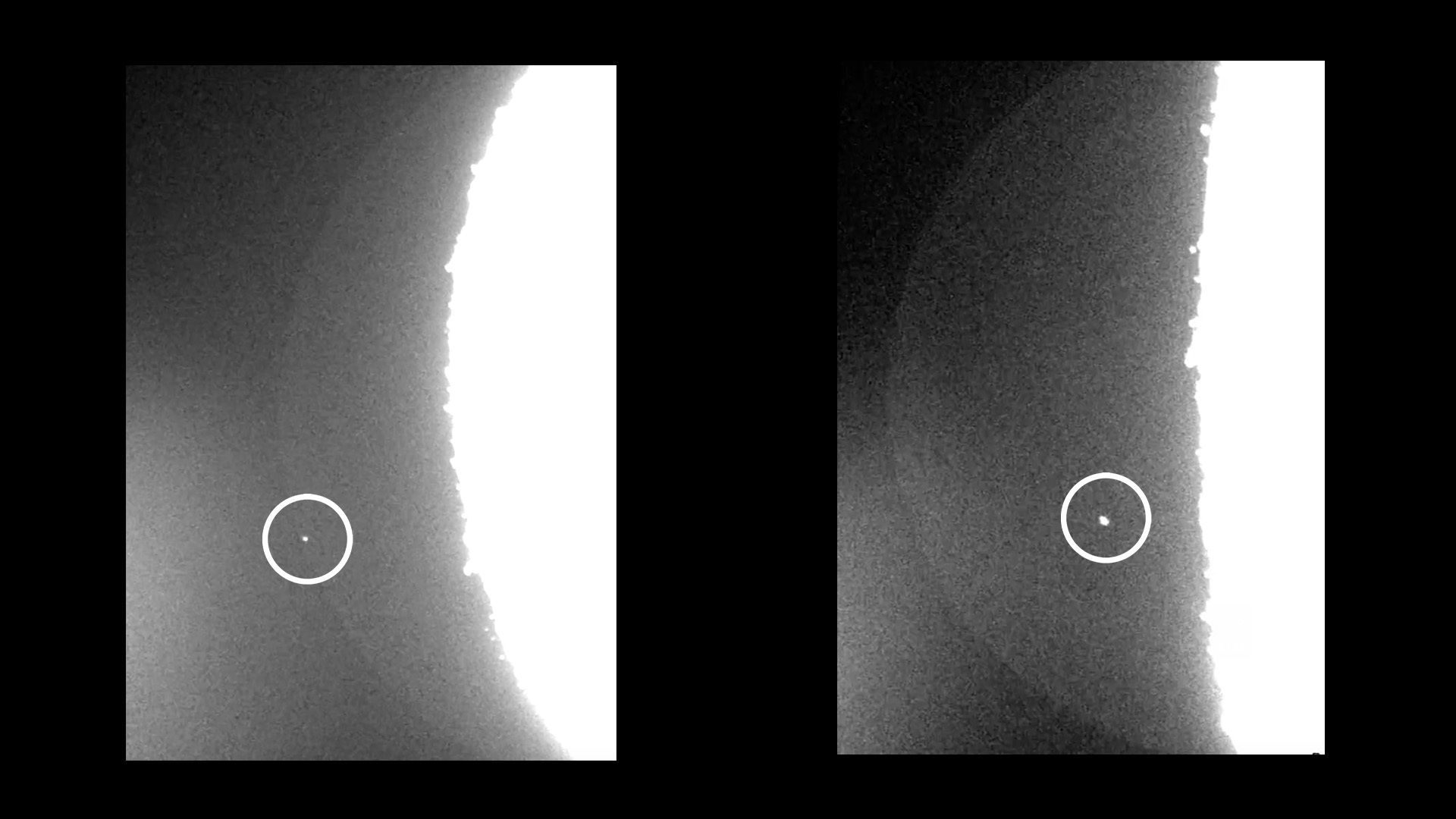
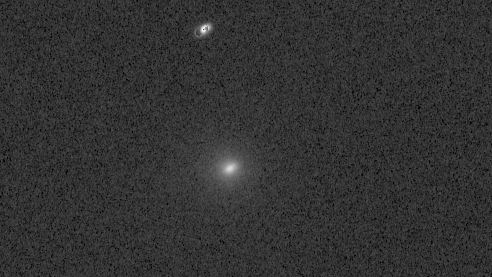
Comet 3I/ATLAS, discovered in July 2025, reached its closest point to Earth last night and is now moving away. It can be viewed via a live webcast or with backyard telescopes, though it appears as a tiny star-like point at magnitude 11. The comet offers a rare opportunity to observe an interstellar object, with additional images released by NASA from the Europa Clipper spacecraft.
Interstellar comet 3I/ATLAS recently made its closest approach to Earth at 168 million miles, passing through our solar system on its way out to interstellar space, with various live streams and observations capturing its passage.
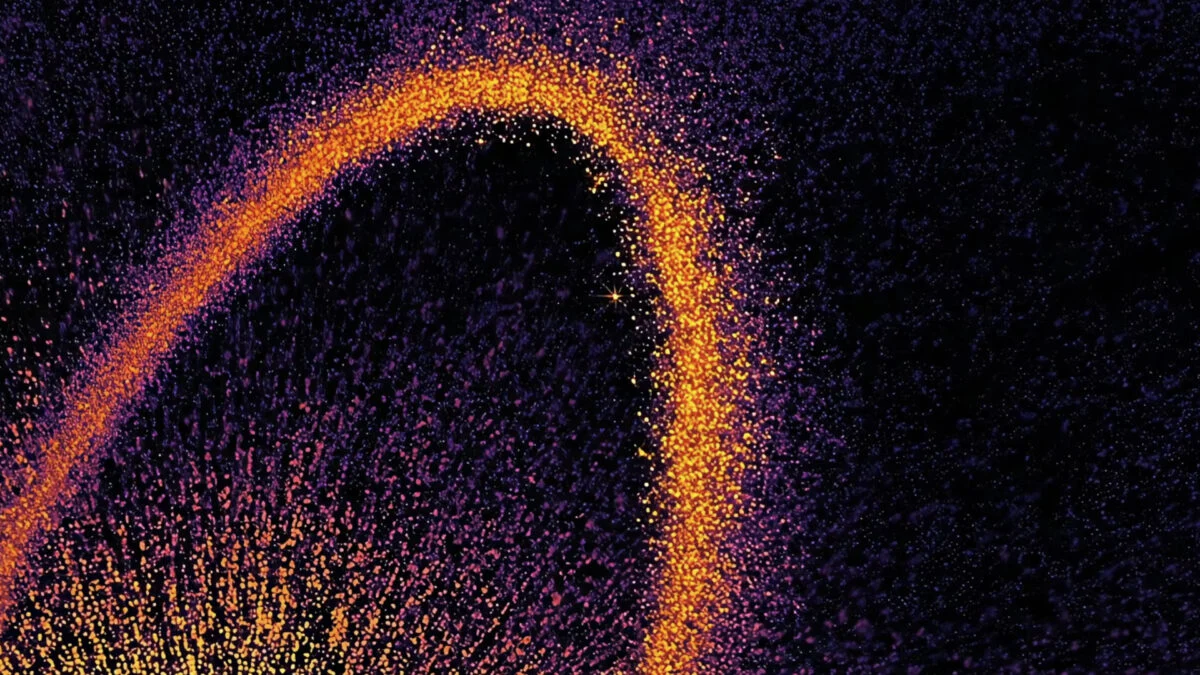
Astronomers observed a rare collision between two protoplanets around star Fomalhaut, creating a bright dust cloud, providing a unique real-time glimpse into celestial collisions and challenging previous assumptions about exoplanets.
Comet 3I/ATLAS, an interstellar object from beyond our solar system, is approaching Earth and will make its closest pass on December 19, 2025. NASA has confirmed it is a comet, not an alien spaceship, and scientists are excited to study it as it provides a rare opportunity to learn about objects from outside our solar system.
Interstellar comet 3I/ATLAS will safely pass Earth on Dec. 19 at a distance of about 168 million miles, providing a rare opportunity for scientists to study its composition and origin, with a livestream available for public viewing.
Astronomers tested Earth's planetary defense system with asteroid 2024 YR4, which reached a Torino scale rating of 3.1% impact risk, prompting international response and detailed observation, ultimately reducing the threat level and demonstrating the effectiveness of current asteroid warning and tracking systems.
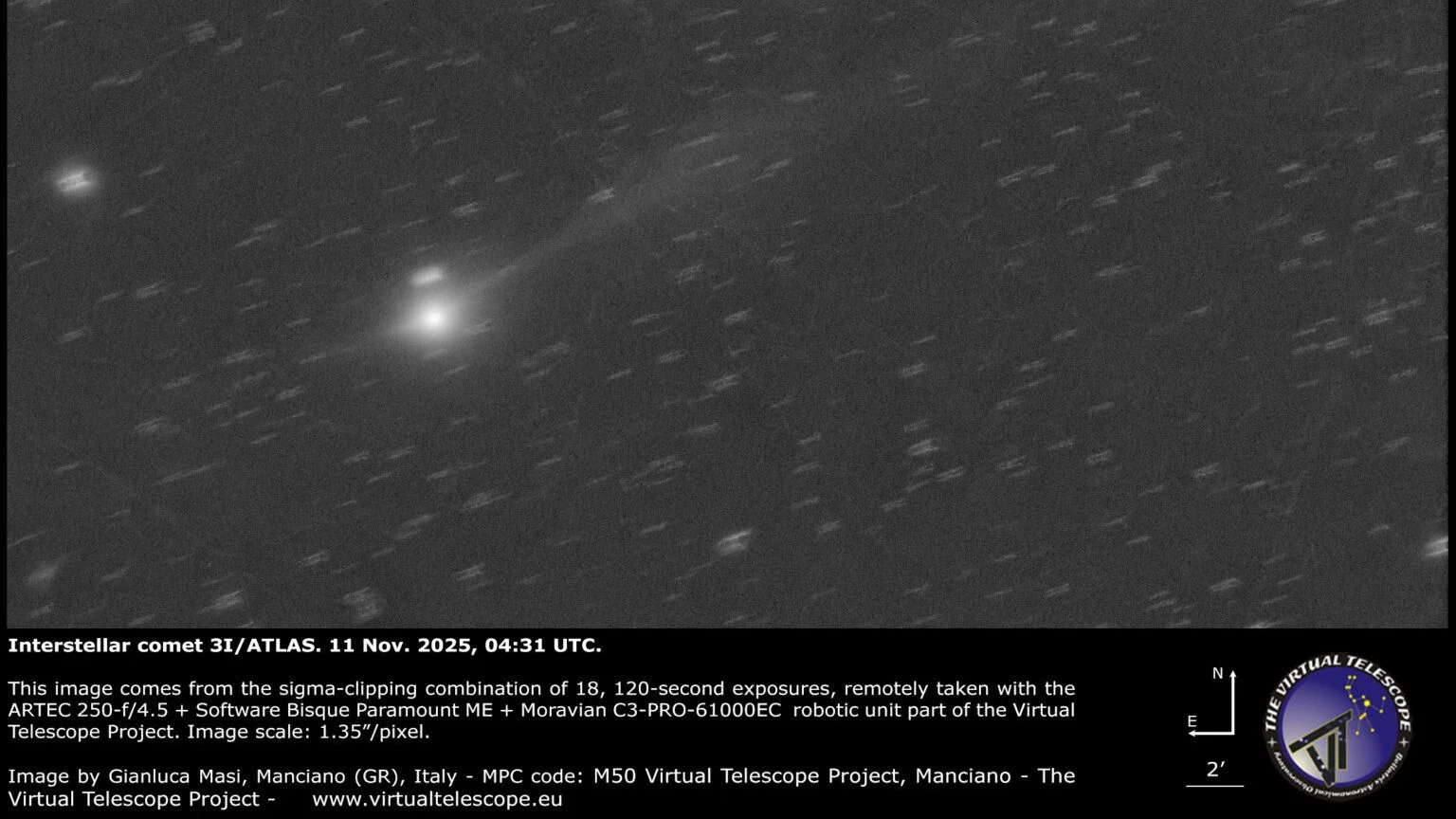
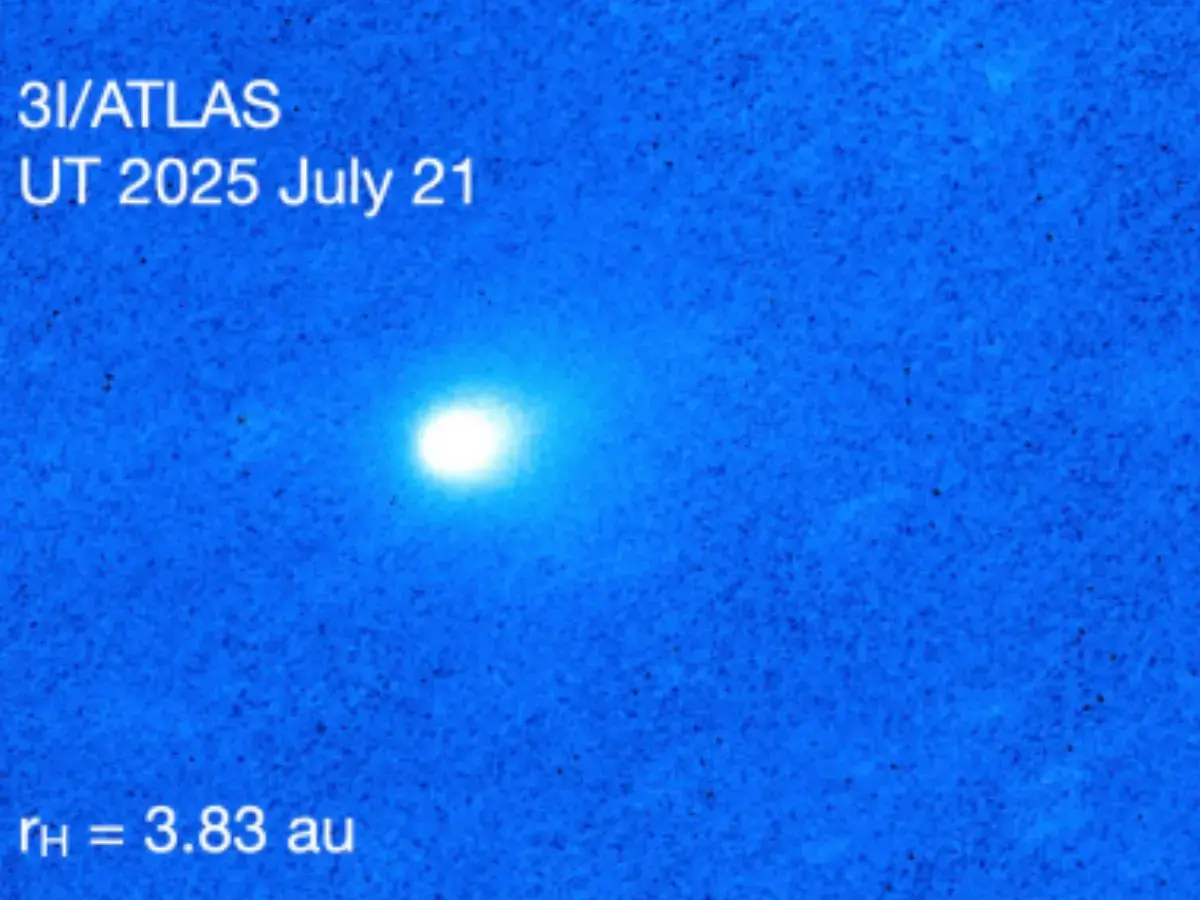
A new image of interstellar comet 3I/ATLAS shows its ion tail has grown longer and more structured, indicating increased activity as it approaches the inner solar system, providing valuable insights into its composition and behavior.
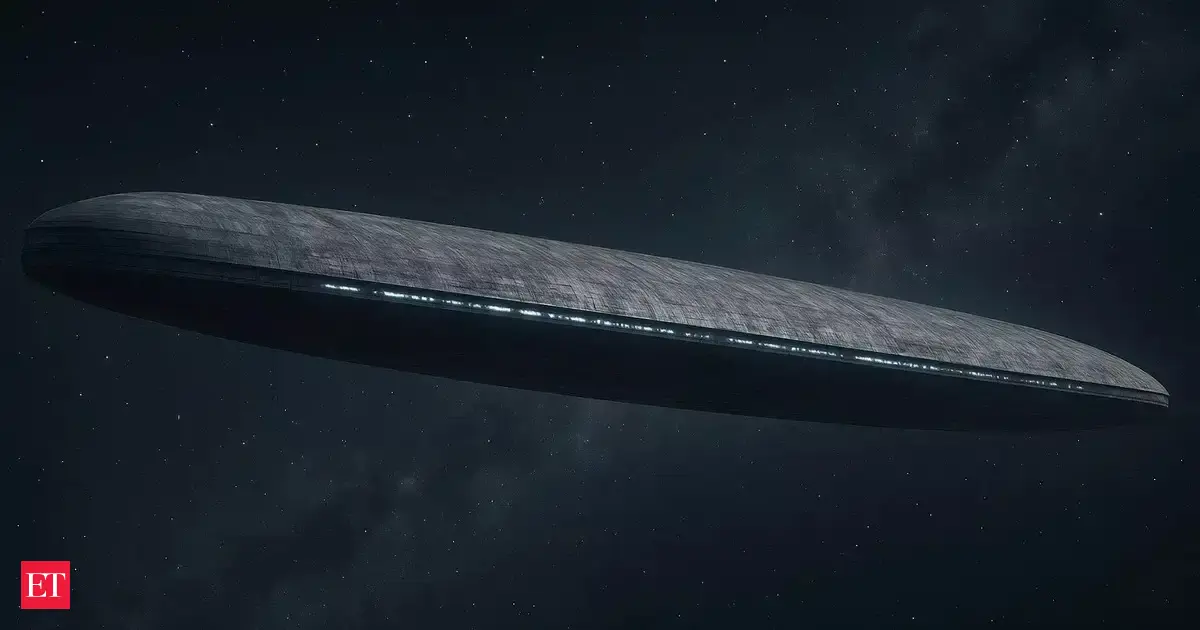
A social media post claims that the Japanese space agency released a highly realistic image of the interstellar comet 3I/ATLAS, sparking global interest. Although unconfirmed by officials, the comet, discovered in July 2025, is notable for its interstellar origin and rapid movement, providing scientists a rare opportunity to study material from beyond our solar system as it passes Earth in late 2025.
Japanese astronomer Daichi Fujii captured videos of two meteors striking the moon's surface, likely related to the upcoming Taurid meteor showers, highlighting lunar impacts that occur due to meteoroids traveling at high speeds in space.
Comet 3I/ATLAS, an interstellar object, has reappeared after passing behind the sun, and amateur astronomers can now observe it with small telescopes as it moves away from the sun, providing new opportunities for scientific study.
China initially tracked the interstellar object 3I/ATLAS during its Mars approach but stopped after a data gap, citing scheduling conflicts, with speculation that data may now be classified for strategic reasons, highlighting the intersection of space science and geopolitics.
A newly discovered interstellar comet, 3I/ATLAS, is being observed by NASA and international astronomers to improve our ability to track potentially hazardous objects, even though it poses no threat to Earth. The campaign aims to refine asteroid pathway predictions, which is crucial for planetary defense, and involves citizen scientists and global collaboration.