Gold Hidden in Unexpected Places Beyond Mines
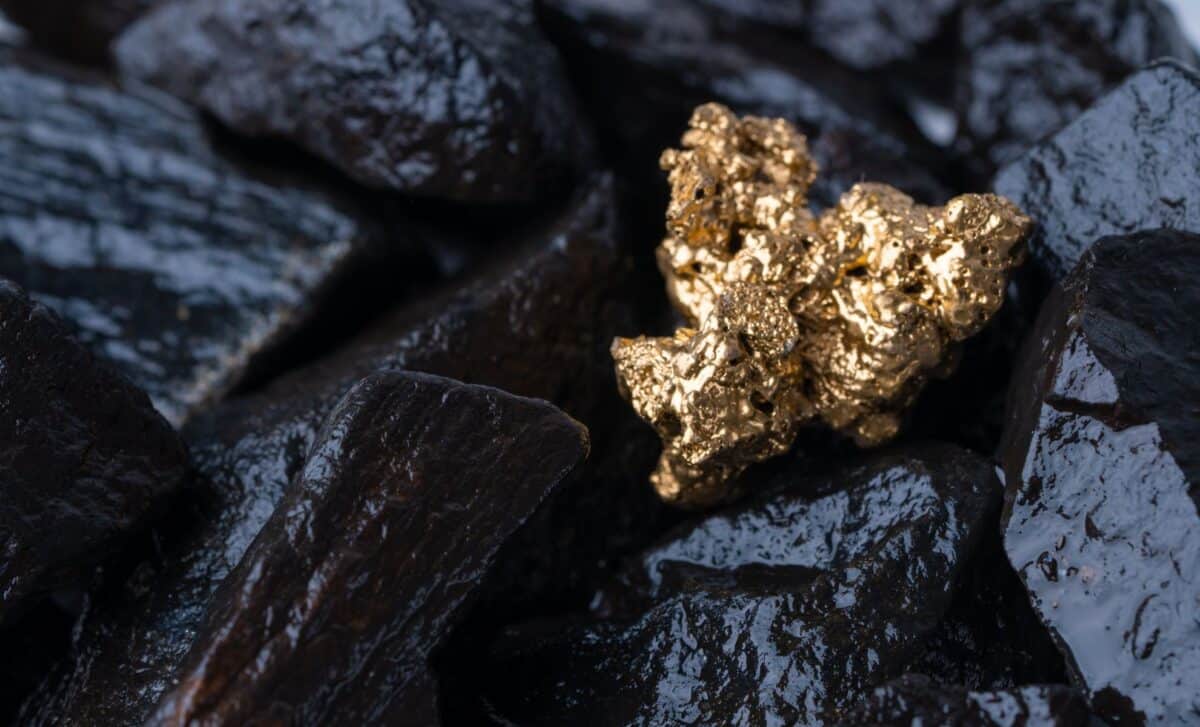
Gold is more widespread than commonly thought, found in the human body, oceans, space, and even plants, revealing its surprising presence in various natural and extraterrestrial environments.
All articles tagged with #space mining

Gold is more widespread than commonly thought, found in the human body, oceans, space, and even plants, revealing its surprising presence in various natural and extraterrestrial environments.

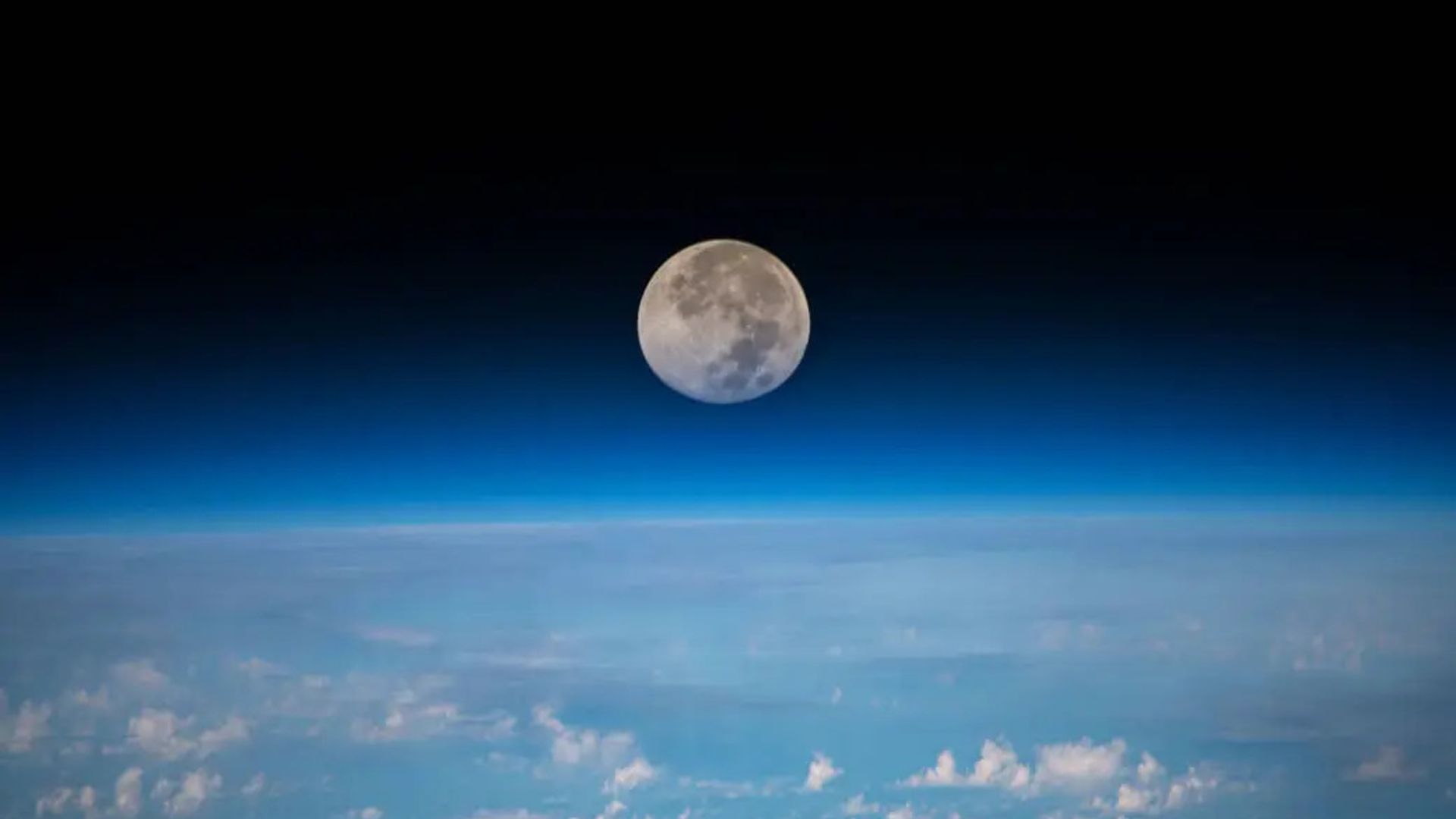
DARPA is exploring ways to develop a lunar economy through initiatives like LunA-10 and a comprehensive field guide, focusing on resource mining, infrastructure, and commercial activities on the moon, while highlighting challenges such as temperature management and insurance costs.

There are approximately 20 million tons of gold dissolved in Earth's oceans, worth around $2 quadrillion, but extracting it remains a significant technological and financial challenge, with current efforts focusing on industrial waste recovery and future possibilities including space mining.

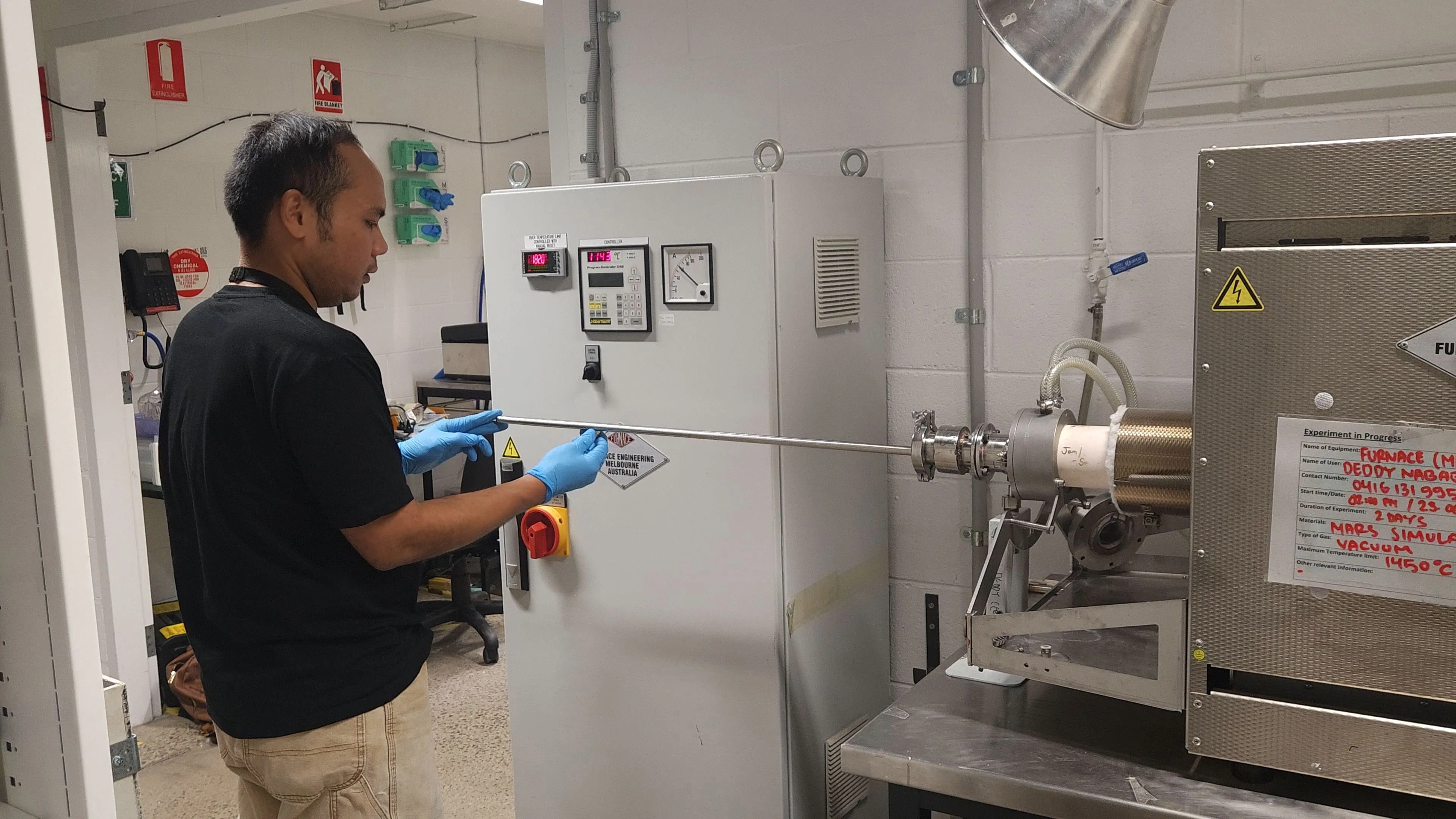
Australian researchers at CSIRO and Swinburne University have developed a method to extract iron from Martian soil using high-temperature pyrolysis, potentially enabling on-site resource utilization for future Mars missions and colonization.

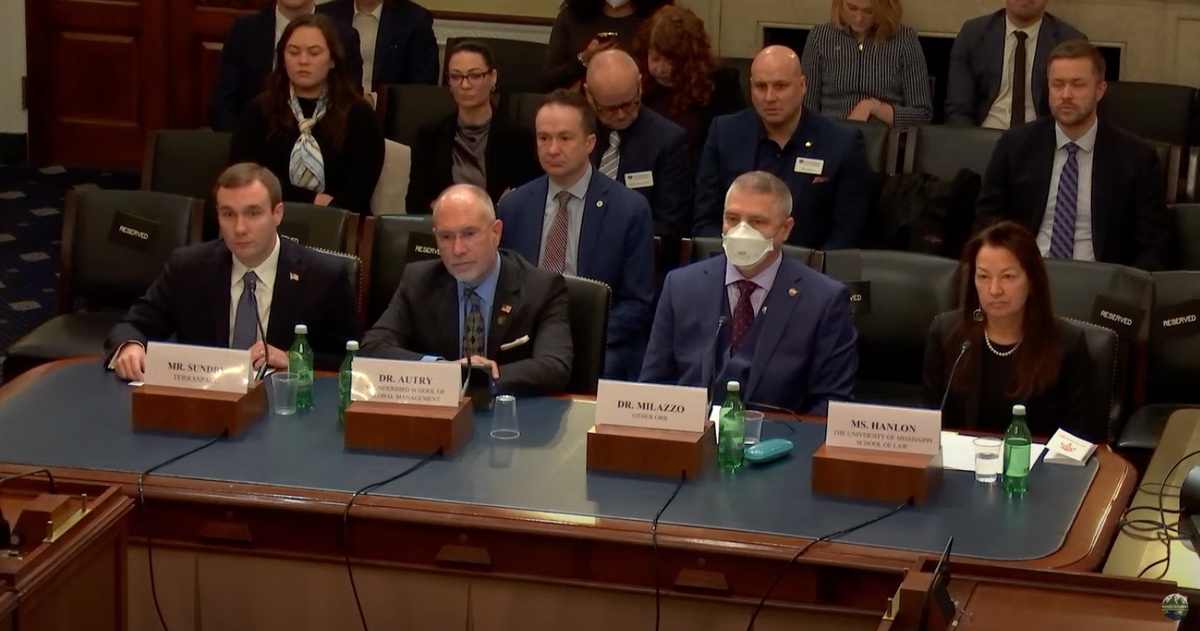
A House hearing on space mining sparked a partisan debate about the viability of the field and the jurisdiction of the committee to examine it. Witnesses argued that space resource extraction could be crucial for the future of the United States but required careful study and government support. Some cautioned that the US was at risk of falling behind China in space resource extraction. Democrats questioned the need for a hearing on space mining and argued that it should be considered by the House Science Committee instead. The hearing also highlighted the challenges faced by space mining company AstroForge, which has encountered problems with its first spacecraft.

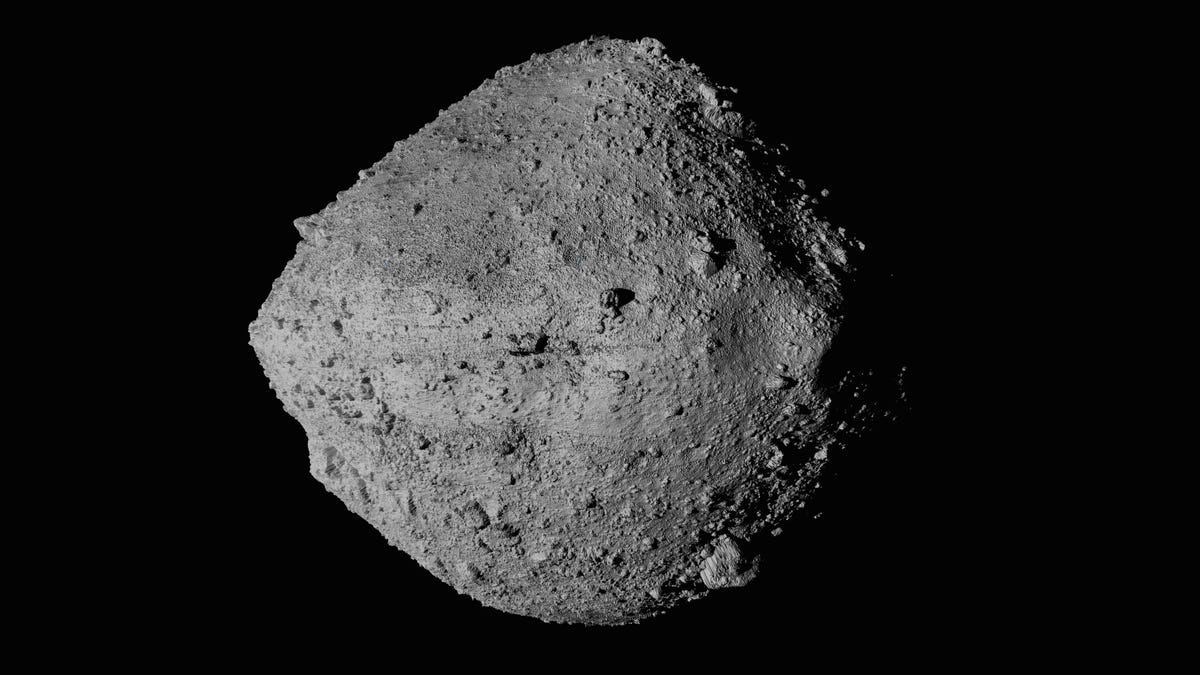
Researchers at the University of Arizona have discovered that the dense asteroid named 33 Polyhymnia may be composed of superheavy elements not found on the periodic table. The asteroid's density is higher than any known elements on Earth, leading scientists to theorize the existence of stable superheavy elements around atomic number 164. This finding could be of interest to companies involved in space mining for precious metals. NASA has been actively studying and collecting samples from asteroids, including the recent successful recovery of the first-ever asteroid sample from Bennu.
The asteroid 16 Psyche, targeted by NASA's upcoming Psyche mission, is estimated to be worth $100,000 quadrillion due to its potential metallic composition. While the exact metal is unknown, scientists believe it could be made mostly of nickel and iron. Despite its astronomical value, there are currently no plans to mine Psyche due to its distance and the associated costs. However, companies like AstroForge are already planning asteroid mining missions, with smaller asteroids being the initial targets. In addition to metals, asteroids could also provide resources like water for rocket fuel and valuable metals like platinum. The mission to Psyche will provide valuable insights into M-type asteroids and help prepare for future asteroid mining endeavors.

The prospect of mining resources on the Moon and asteroids is an exciting possibility in the new era of space exploration. The Moon is believed to have water ice that could be used for drinking water and rocket fuel, while asteroids contain valuable elements like platinum. However, space mining is still uncharted territory, and the economic viability of extracting and processing these resources needs to be thoroughly analyzed. NASA and private space companies are laying the groundwork for in-situ resource utilization (ISRU) operations, but the logistics and costs of space mining are yet to be fully understood. Nonetheless, the potential for a space mining industry to thrive and fuel a secondary economy is promising.

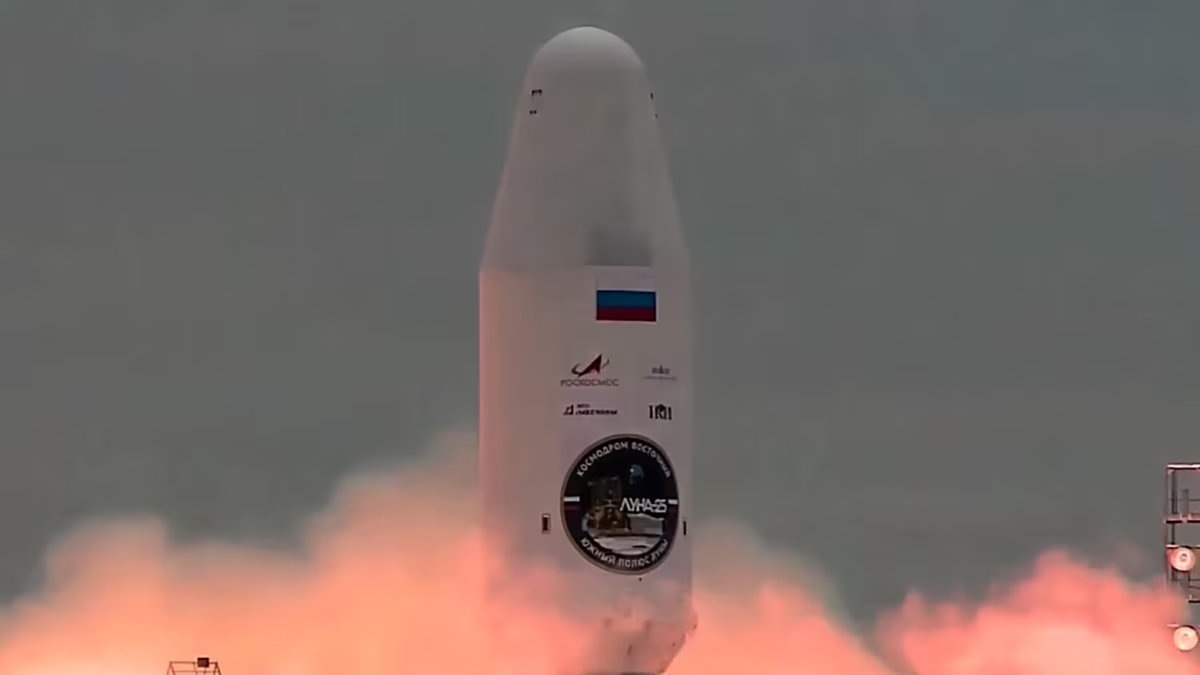
Major powers such as Russia, the United States, China, and India are showing increased interest in the moon due to its potential resources. The moon is believed to contain water, which is essential for human life and can be used for rocket fuel. It also holds rare earth metals used in advanced technologies. Additionally, the moon is thought to have Helium-3, a rare isotope that could provide nuclear energy without producing dangerous waste. However, the laws governing moon mining are unclear, and there is debate over whether private businesses can claim ownership.