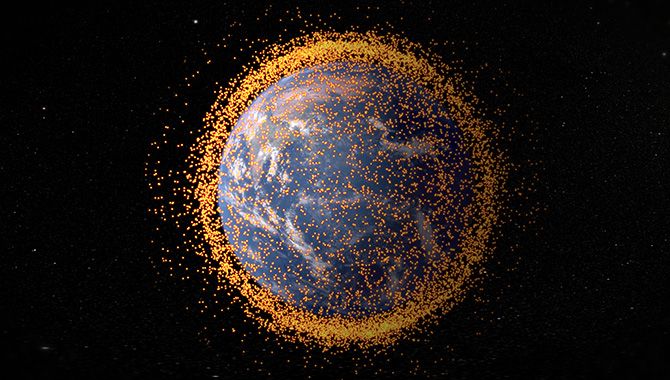
China contacted NASA to coordinate a maneuver to prevent a potential satellite collision, marking a first in space traffic management and indicating China's advanced space situational awareness amid increasing satellite deployments by both nations.
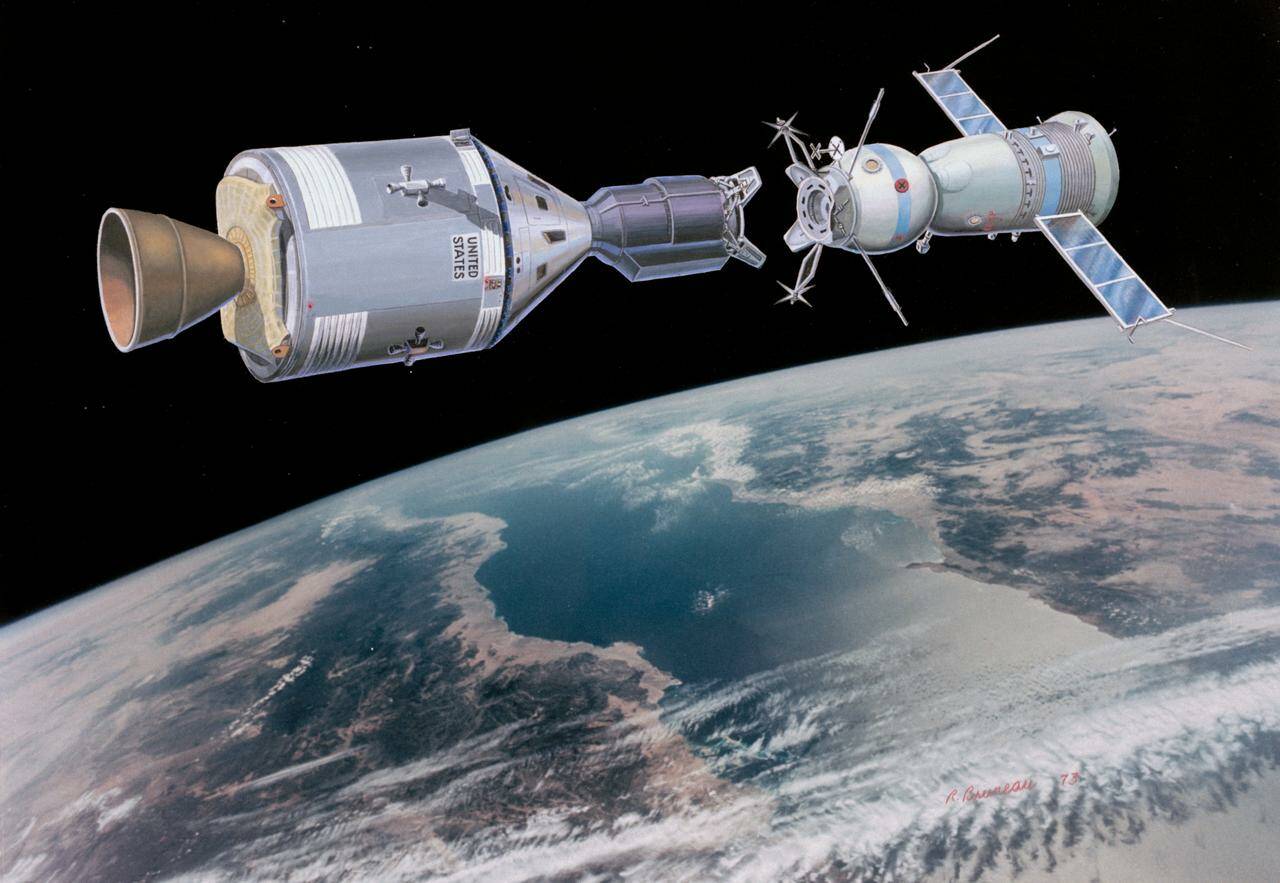
The Apollo-Soyuz Test Project in 1975 marked a pivotal moment in space history, demonstrating that Cold War rivals the US and USSR could collaborate in orbit, paving the way for future international cooperation like the ISS, despite ongoing political tensions.
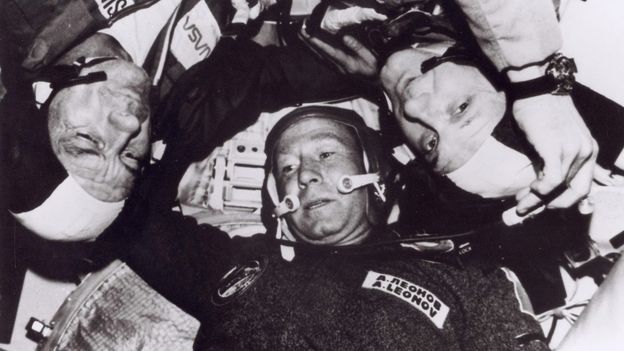
The Apollo-Soyuz mission, 50 years ago, marked a historic Cold War-era collaboration between the US and Soviet space programs, featuring the first docking of American and Soviet spacecraft, which symbolized a step toward international cooperation in space despite political tensions. The mission faced near-disasters, including a docking mishap and toxic gas leak, but ultimately demonstrated successful collaboration and paved the way for future joint space endeavors.
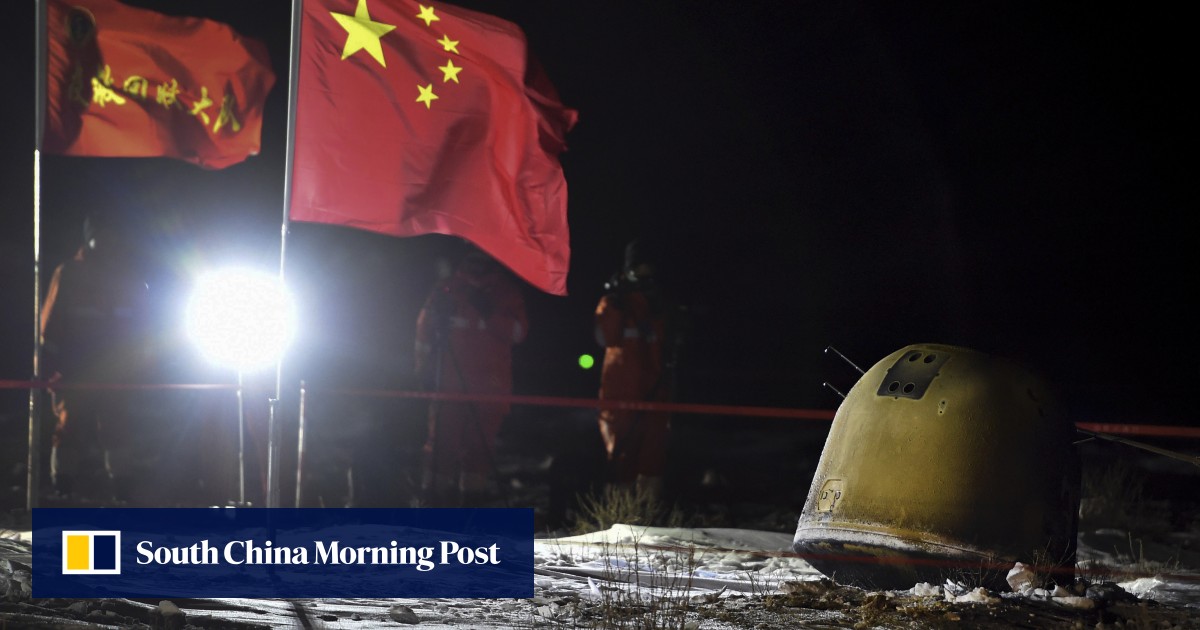
Negotiations between China and the US regarding the exchange of lunar samples are stalling, with China ready to share its Chang’e-5 samples but receiving no response from NASA about exchanging Apollo samples. This lack of reciprocity is causing frustration among Chinese scientists, and it remains uncertain how this will impact future cooperation. Sample exchanges are common among space-faring nations, as seen in past collaborations between the US, Japan, China, and Russia.
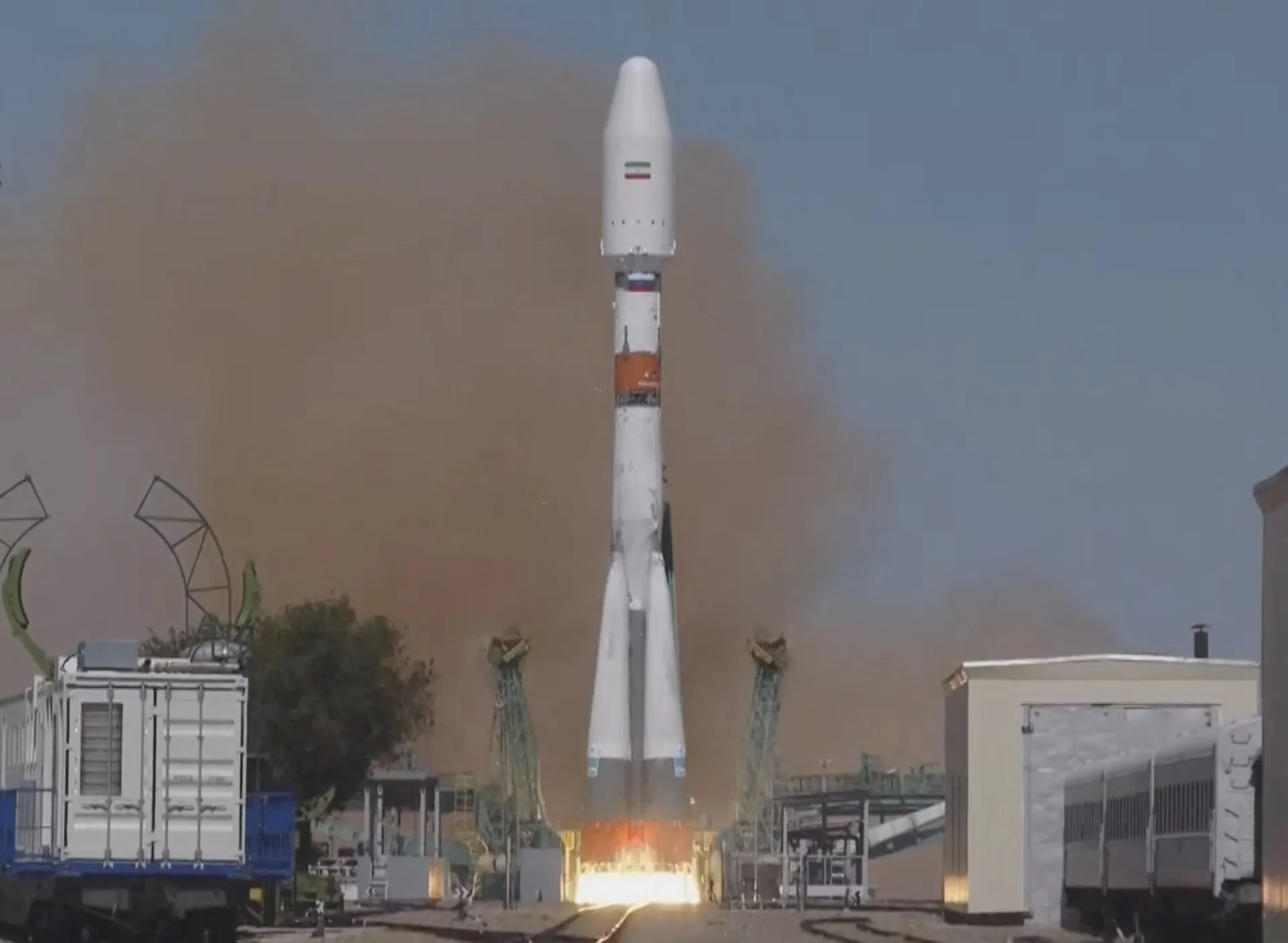
Russia successfully launched two Iranian satellites, Kowsar and Hodhod, into orbit using a Soyuz-2.1 rocket, highlighting growing cooperation between Moscow and Tehran. This launch, which also included Russian and other international satellites, marks a significant step for Iran's private sector in space technology. The collaboration comes amid increasing geopolitical ties between the two nations, despite criticism from Ukraine and the West over Iran's alleged support for Russia's military actions. The launch follows previous successful Russian launches of Iranian satellites and occurs as both countries plan to formalize a strategic partnership.
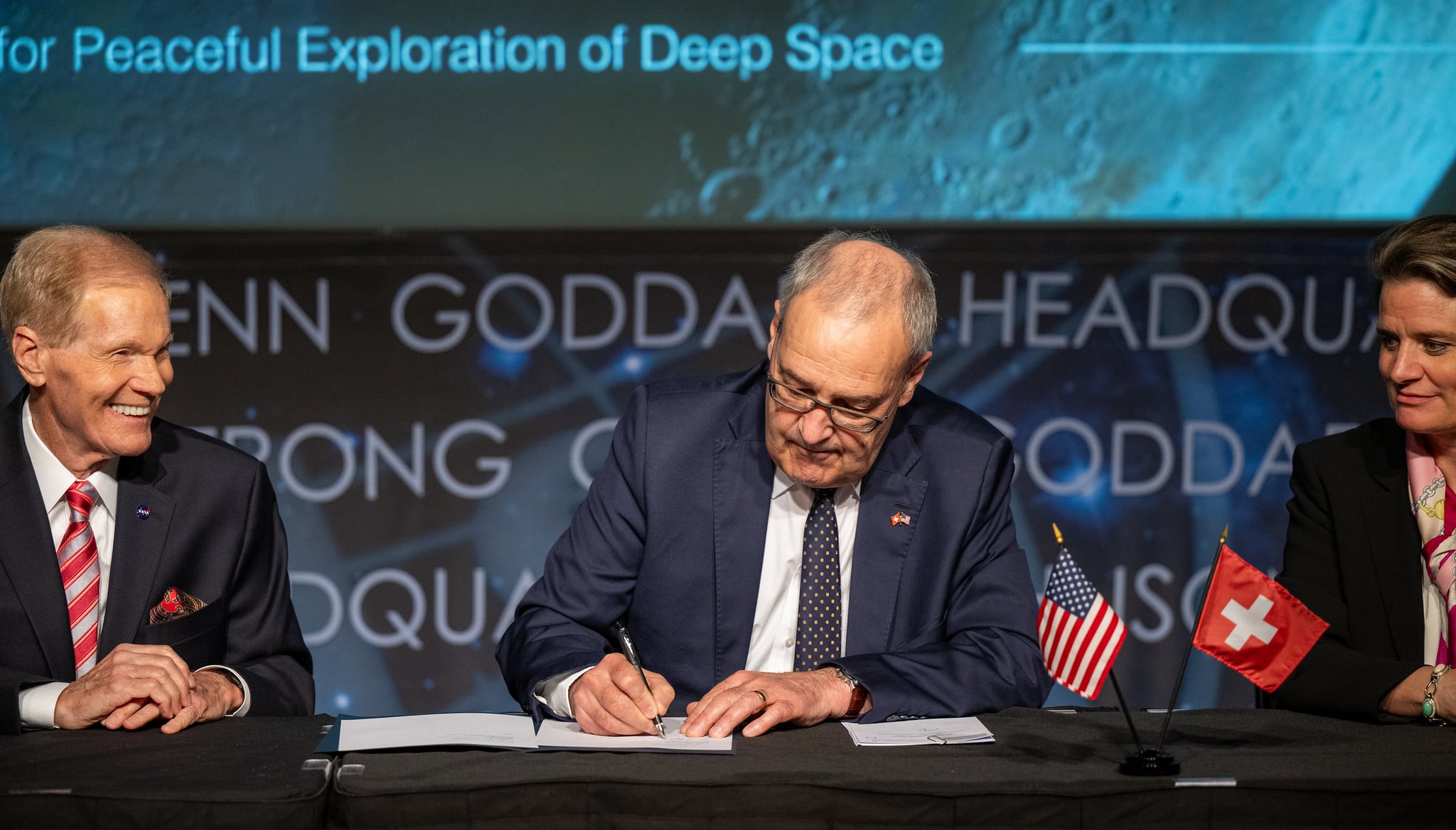
Switzerland has formally signed the Artemis Accords, joining an agreement about sustainable space exploration in a ceremony at NASA Headquarters. Swiss Federal Councillor Guy Parmelin signed the accords alongside NASA Administrator Bill Nelson, emphasizing Switzerland's commitment to space cooperation and its belief in creating an improved framework for the space community. Switzerland's famed neutrality makes its signing significant, and the country's interest in the accords aligns with its new space policy and work on its first national space act.
President Biden welcomed Prime Minister Kishida of Japan for an Official Visit with State Dinner to celebrate the deep ties between the two countries, affirming plans for further cooperative activities in defense and security, space exploration, and economic and technology innovation. The visit highlighted the commitment to bolster defense and security cooperation, expand space science collaboration, and strengthen economic ties through major commercial deals and technology partnerships. The two countries also pledged to deepen their cooperation on critical and emerging technologies, including AI, quantum, semiconductors, and clean energy, while promoting open and interoperable approaches to telecommunications networks.
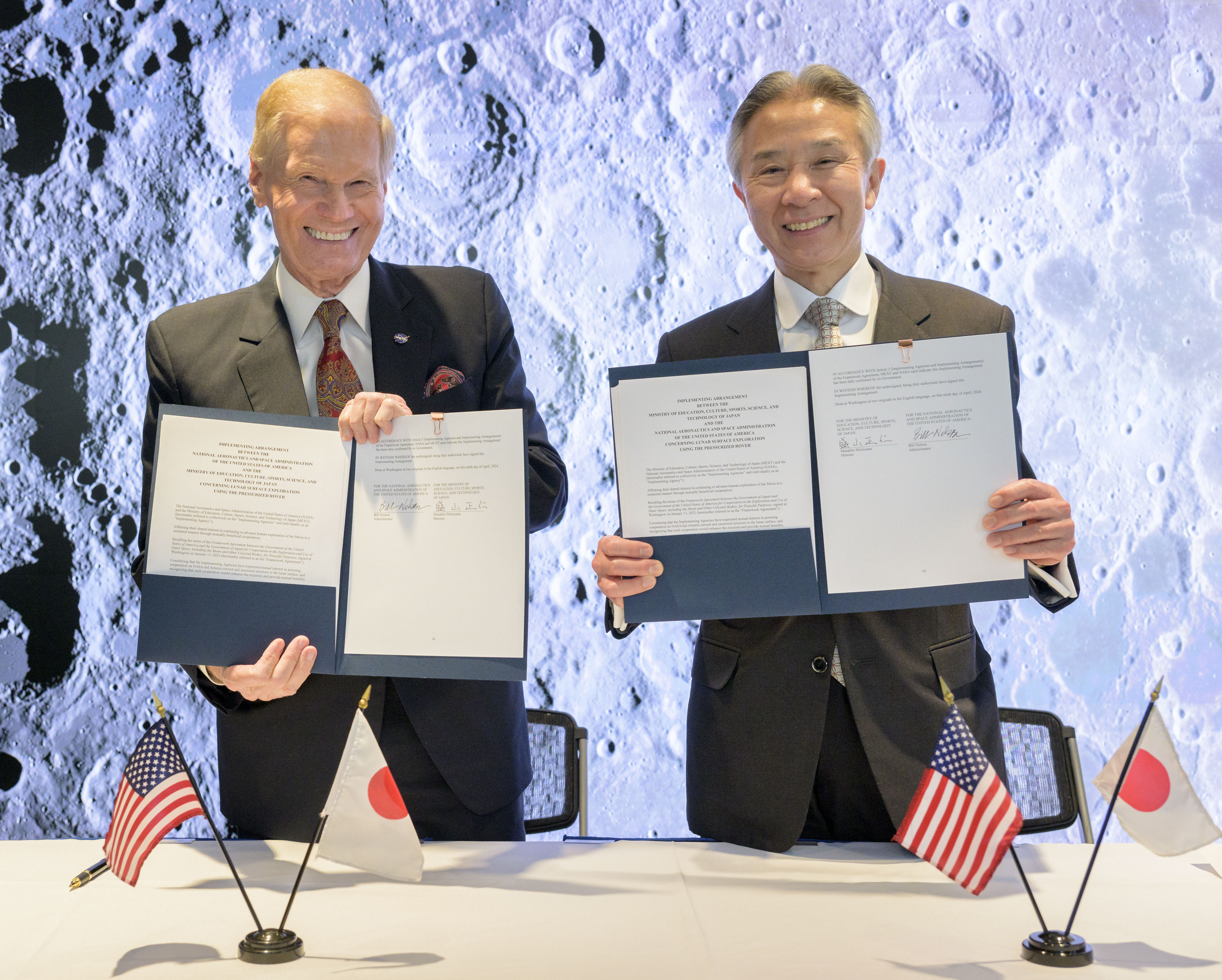
NASA and Japan have signed an agreement to advance sustainable human exploration of the Moon, with Japan designing, developing, and operating a pressurized rover for crewed and uncrewed exploration on the lunar surface. The agreement also includes opportunities for Japanese astronauts to travel to the Moon and a shared goal for a Japanese national to be the first non-American astronaut to land on the Moon on a future Artemis mission. The pressurized rover will enable astronauts to travel farther and work for longer periods on the lunar surface, and falls under a broader framework agreement for cooperation in space exploration and use of outer space for peaceful purposes between the two nations.
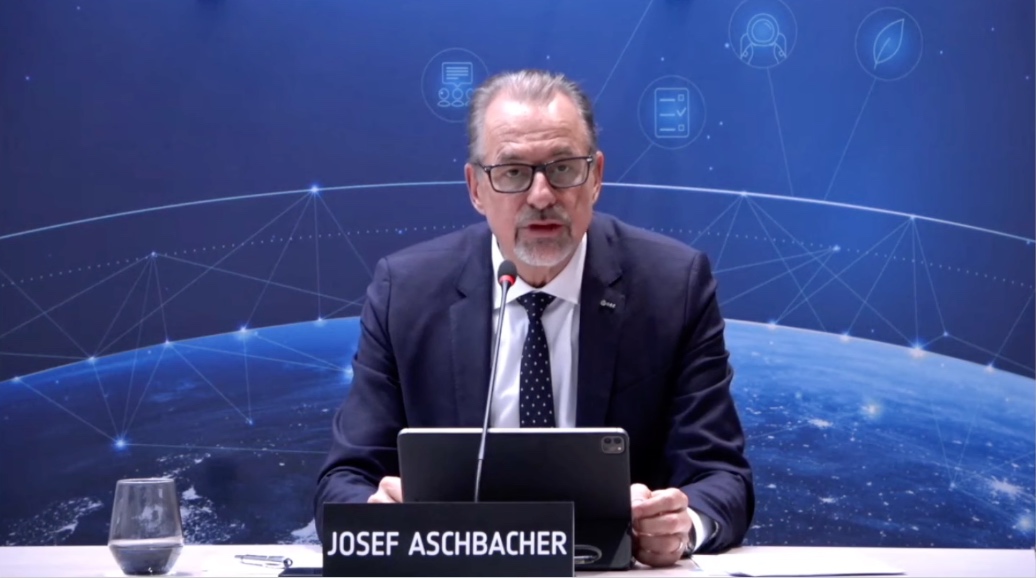
The European Space Agency (ESA) is exploring opportunities for enhanced cooperation with the Indian Space Research Organisation (ISRO) in various space activities, impressed by India's growing space capabilities. ESA and ISRO are looking to intensify their cooperation in science, exploration, and operations, with discussions ongoing and a potential increase in cooperation expected. Additionally, ESA is on track for the first launch of the Ariane 6, making selections for a new commercial cargo program, and closely monitoring NASA's reassessment of the Mars Sample Return mission.
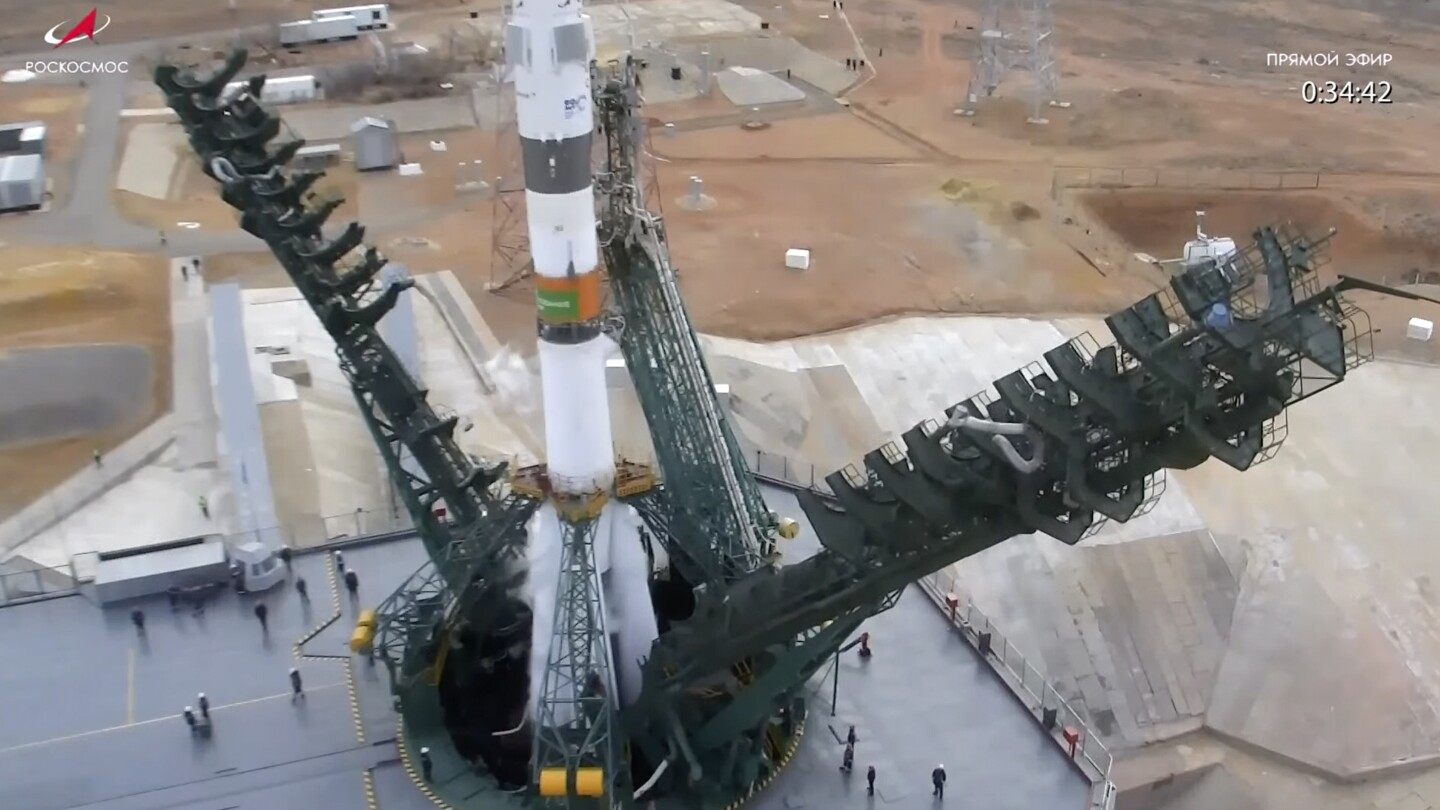
A Russian Soyuz rocket successfully launched three astronauts to the International Space Station after a last-minute abort on Thursday. The astronauts are expected to dock at the space station on Monday and join the current crew. The space station remains a symbol of international cooperation amid tensions, and Russia continues to rely on Soviet-designed rockets for space missions.
Thomas P. Stafford, the astronaut who commanded the first U.S.-Soviet space mission in 1975, has passed away at the age of 93. His historic mission, which saw an American capsule dock with a Soviet spaceship, marked a significant moment of cooperation in space exploration during the Cold War era. Stafford's legacy includes flying four times in space and orbiting within nine miles of the moon's surface in 1969, contributing to President John F. Kennedy's space race ambitions.
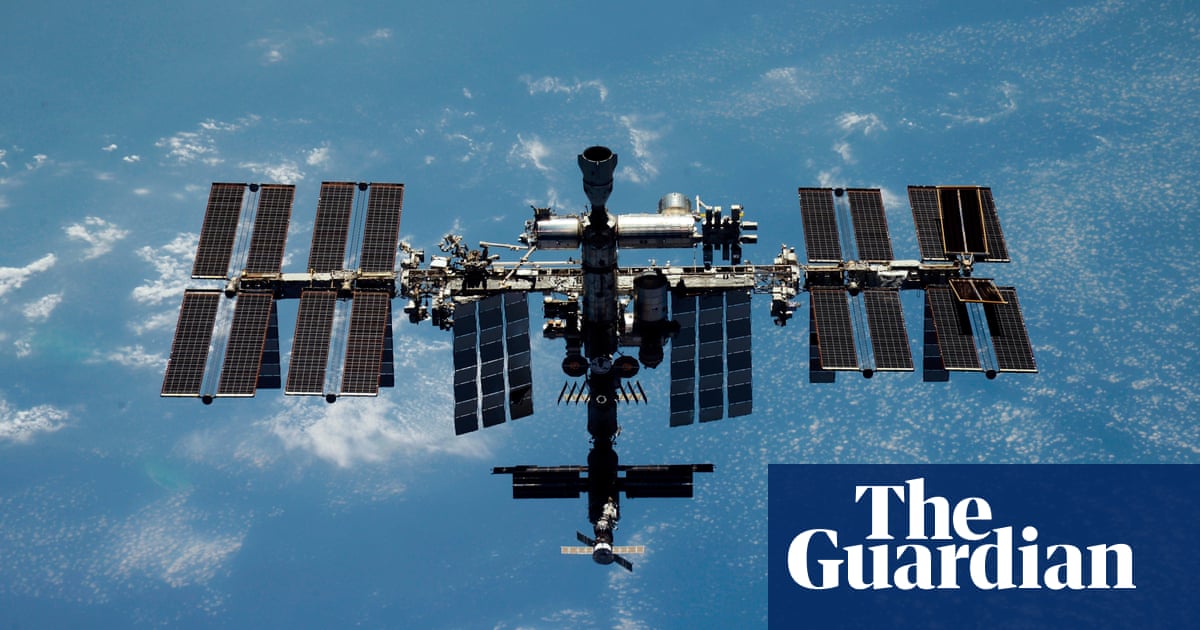
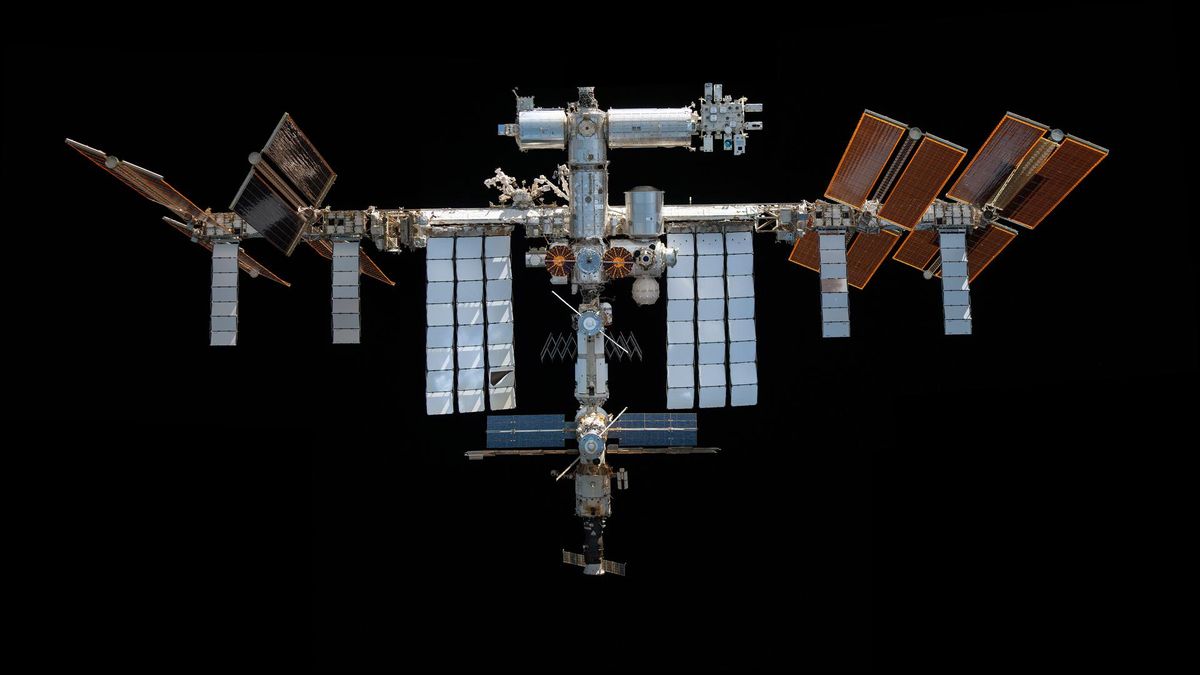
Russian space officials have acknowledged a continuing air leak from the Russian segment of the International Space Station, emphasizing that it poses no danger to the crew or the station itself. The crew regularly conducts work to locate and fix possible spots of the leak, with the station's aging requiring more maintenance. Despite various glitches, including coolant leaks and potential meteoroid hits, the space station remains a symbol of international cooperation, with plans to continue operating until 2030.
Indian Prime Minister Narendra Modi and French President Emmanuel Macron finalized agreements for a defense industrial roadmap, defense space cooperation, and joint production of civil helicopters during Macron's visit to India. The roadmap aims to facilitate joint development and manufacturing of advanced military equipment, while the space cooperation agreement includes joint satellite launches. The two leaders also discussed the situation in the Red Sea and emphasized the holistic perspective of the India-France strategic partnership, focusing on strengthening sovereignty and strategic security.
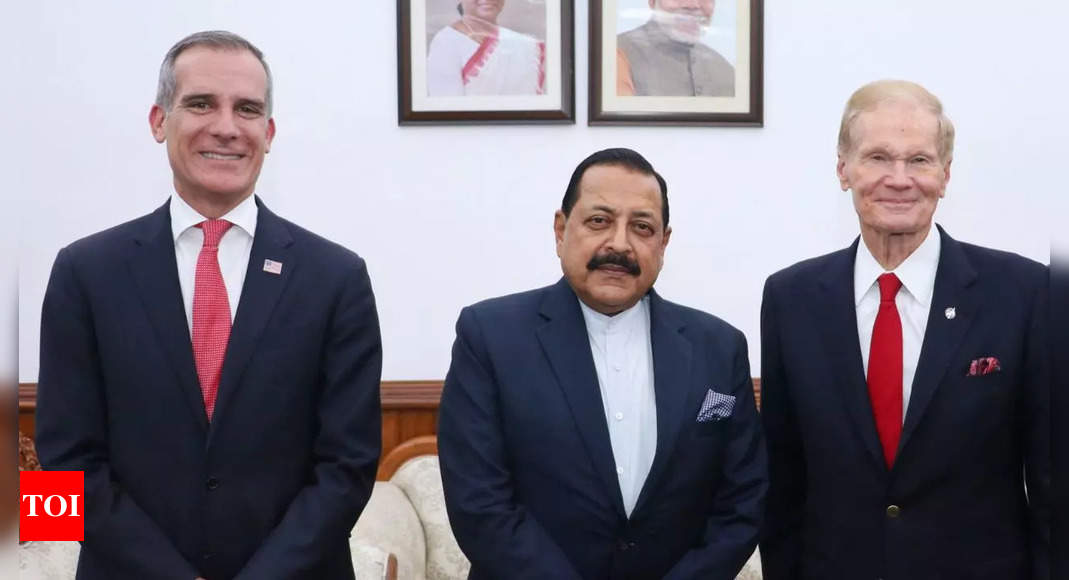
NASA will assist in training two Indian astronauts, with one of them scheduled to fly to the International Space Station (ISS) in late 2024. The collaboration between NASA and the Indian Space Research Organisation (ISRO) aims to strengthen their partnership in various space projects, including planetary defense and joint efforts concerning the ISS. The Indian astronaut's trip to the ISS is expected to last two weeks, during which they will conduct scientific experiments of importance to India. The training of the astronauts will involve overseas training, with two shortlisted candidates receiving training at NASA. The collaboration also includes the joint launch of the NISAR Earth observation satellite in early 2022.
The US has announced plans to train and send an Indian astronaut to the International Space Station by the end of 2024, marking the first space travel by an Indian citizen since 1984. The selection of the astronaut will be done by the Indian Space Research Organisation (ISRO), and details of the mission are being worked out. Additionally, the US is ready to collaborate with India in building its first space station and is open to planning an interplanetary mission together. The US delegation also congratulated India on the successful landing of Chandrayaan-3 and announced the launch of the Nasa-Isro Synthetic Aperture Radar (NISAR) satellite in early 2023.