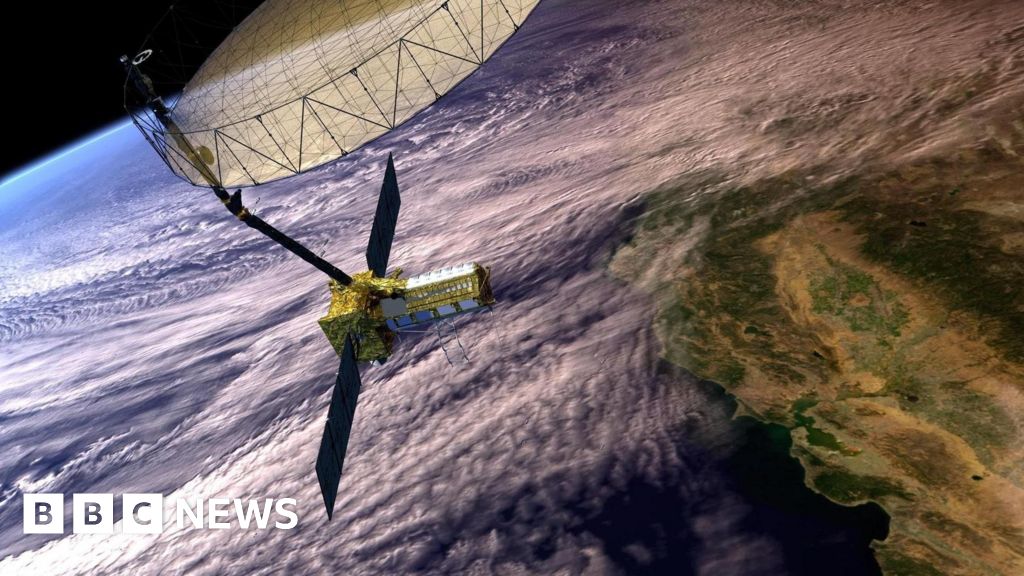
Indian and US space agencies launched the Nisar satellite, a sophisticated radar system capable of detecting minute changes on Earth's surface, to aid in disaster preparedness and climate change monitoring, marking a significant milestone in international space collaboration.
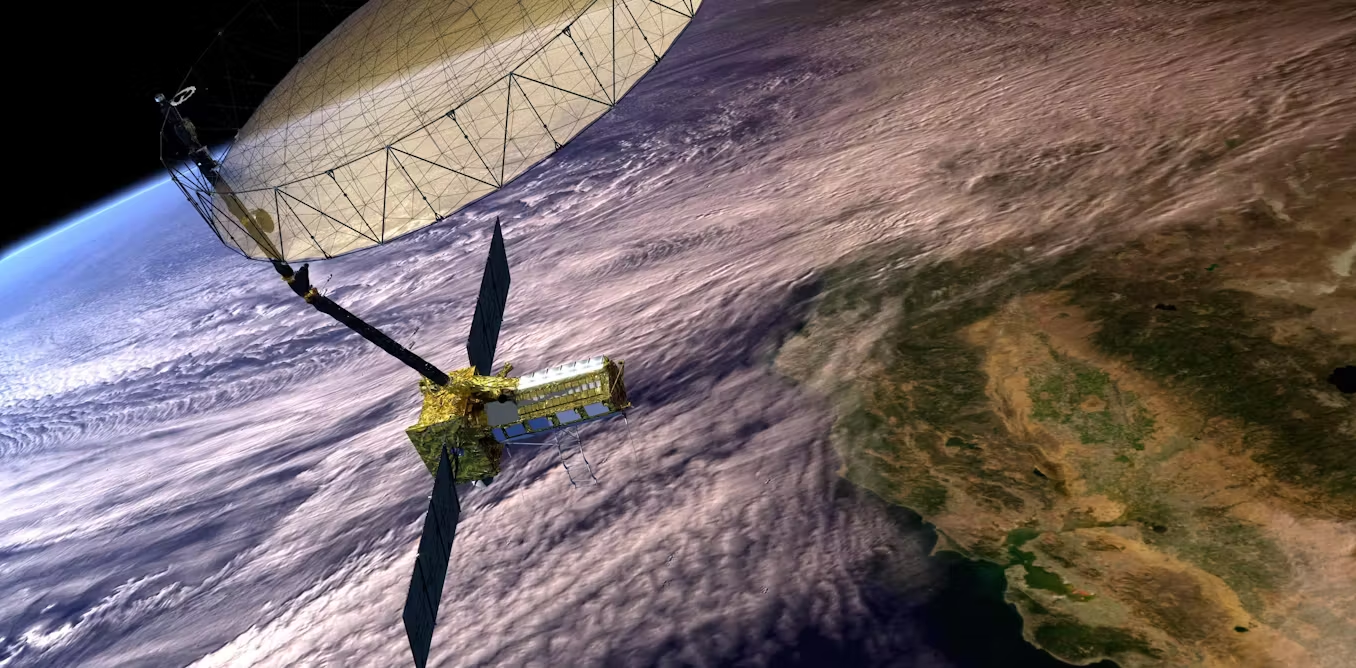
The US$1.5 billion NISAR satellite, a collaboration between NASA and ISRO, is set to launch from India to provide high-resolution, all-weather, day-and-night imaging of Earth's surface using advanced SAR technology, aiding in disaster response, climate science, and agriculture.
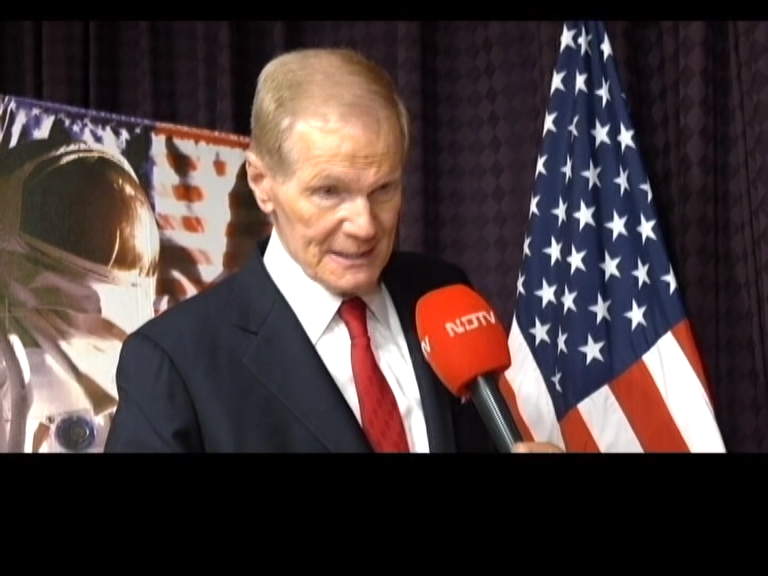
NASA chief Bill Nelson, who is also a senator, stated that flying into space is a valuable experience for any politician and suggested that Indian Prime Minister Narendra Modi, a "space aficionado," could potentially become an astronaut. Nelson emphasized the importance of international cooperation in space missions, including India's role in the Artemis Programme, which aims to establish a sustained presence on the Moon and prepare for human missions to Mars. He also highlighted the upcoming launch of the NISAR satellite, a joint venture between NASA and ISRO, which will monitor climate change and earth deformation.
The US has announced plans to train and send an Indian astronaut to the International Space Station by the end of 2024, marking the first space travel by an Indian citizen since 1984. The selection of the astronaut will be done by the Indian Space Research Organisation (ISRO), and details of the mission are being worked out. Additionally, the US is ready to collaborate with India in building its first space station and is open to planning an interplanetary mission together. The US delegation also congratulated India on the successful landing of Chandrayaan-3 and announced the launch of the Nasa-Isro Synthetic Aperture Radar (NISAR) satellite in early 2023.
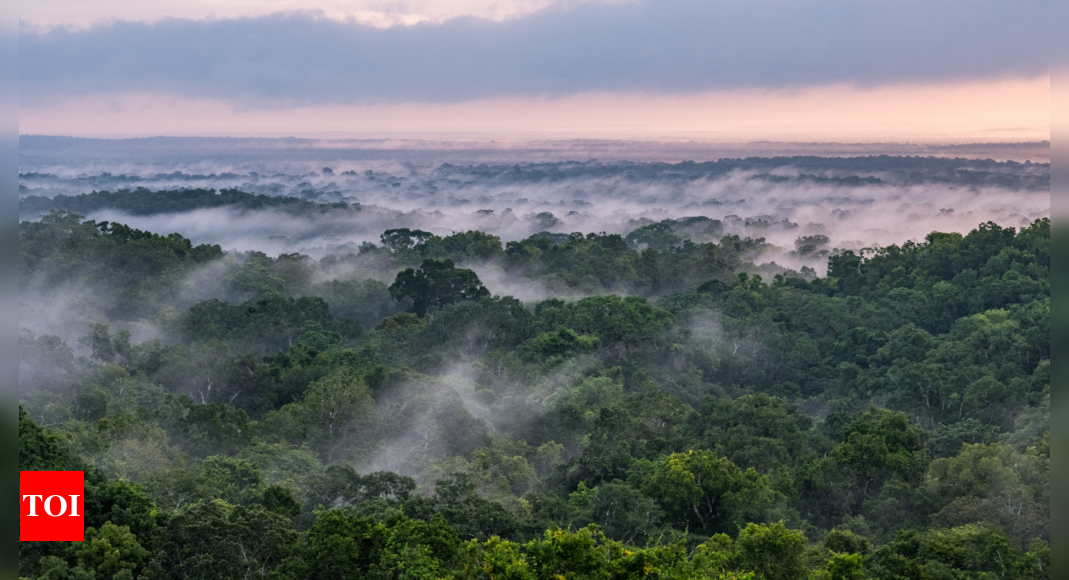
The Nasa-Isro Synthetic Aperture Radar (Nisar) satellite, scheduled to launch in 2024, will provide researchers with unprecedented insights into Earth's forests and wetlands. By scanning the planet's land and ice surfaces every 12 days, Nisar will track changes in forests and wetlands, which play crucial roles in the global carbon cycle and climate change. The satellite's radar technology will help understand the impact of deforestation on the carbon cycle, improve knowledge of forest growth and degradation, and aid in studying geological events and environmental changes such as earthquakes, volcanic eruptions, and glacier melting.