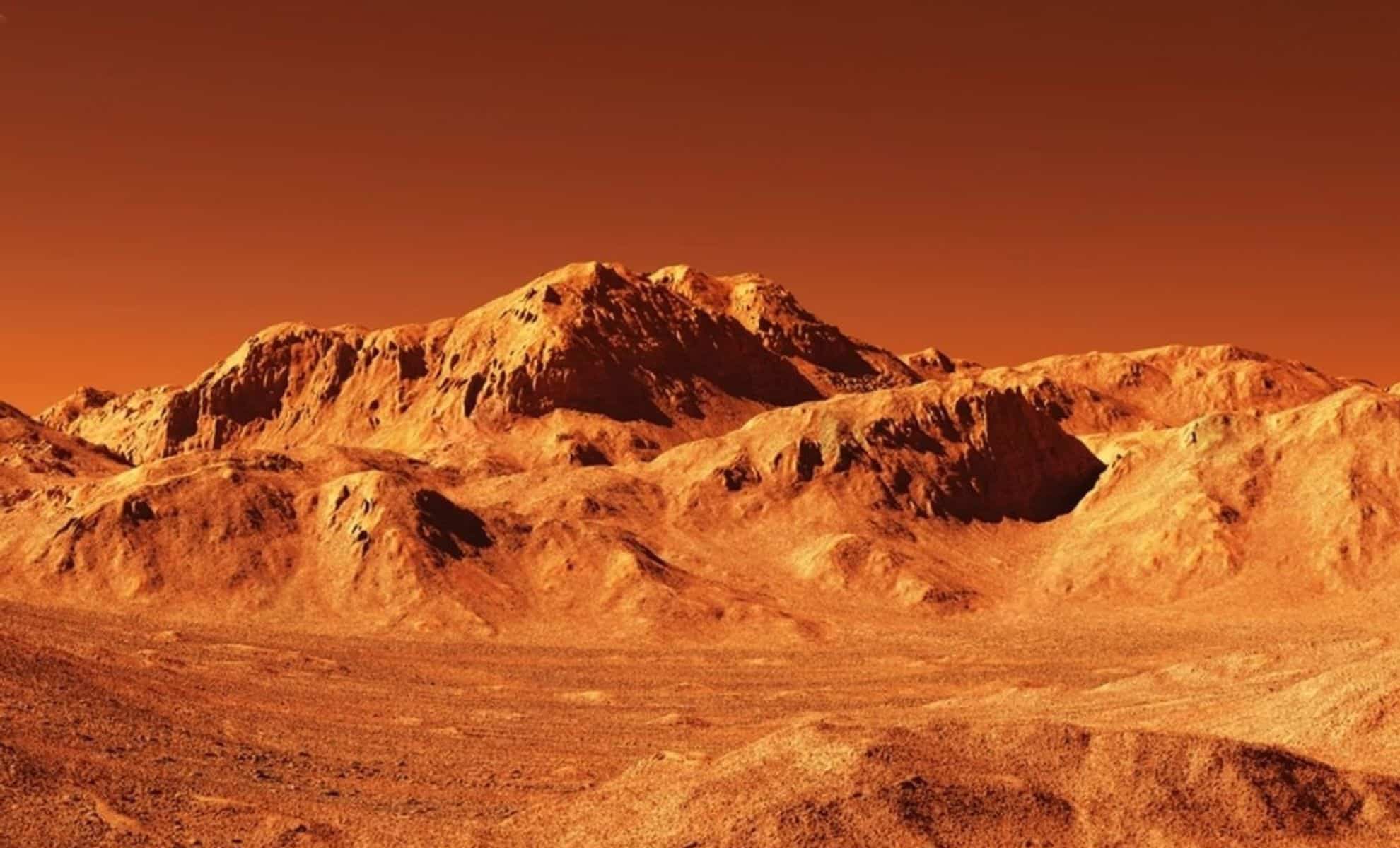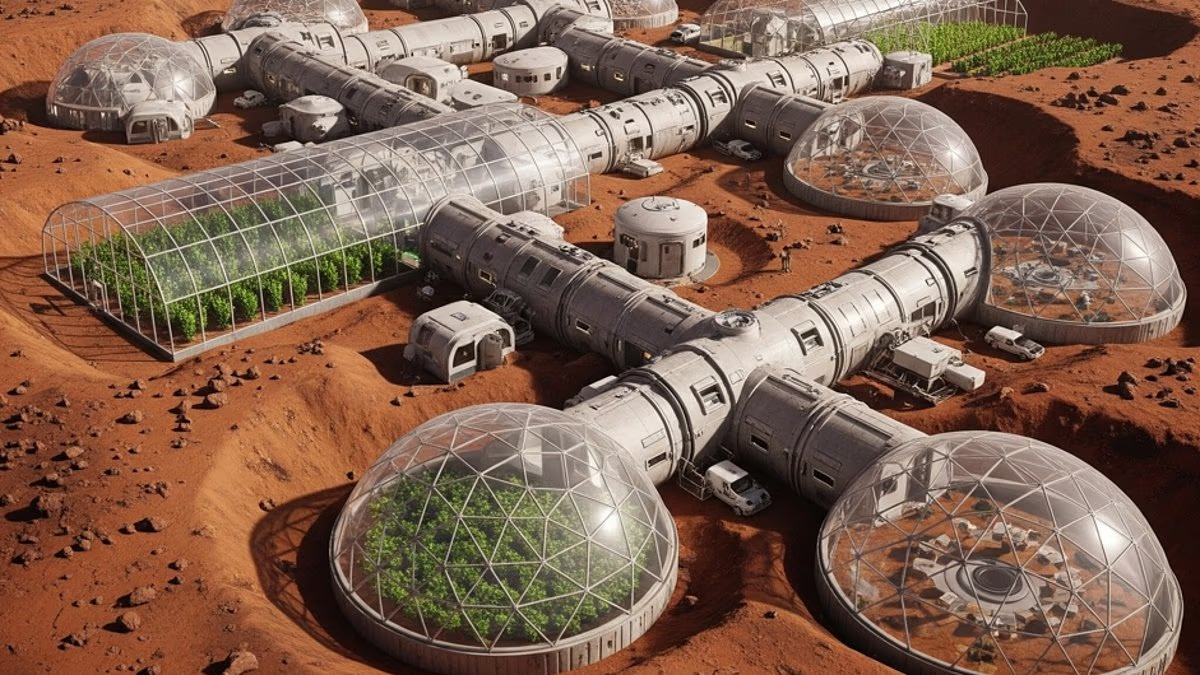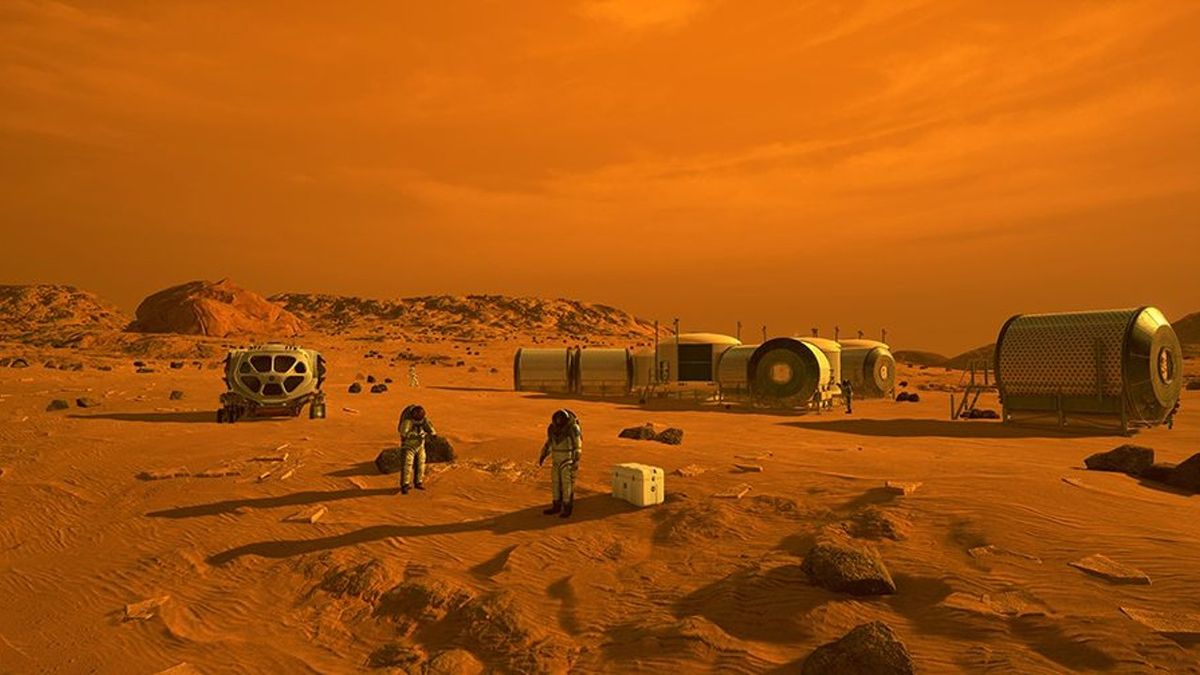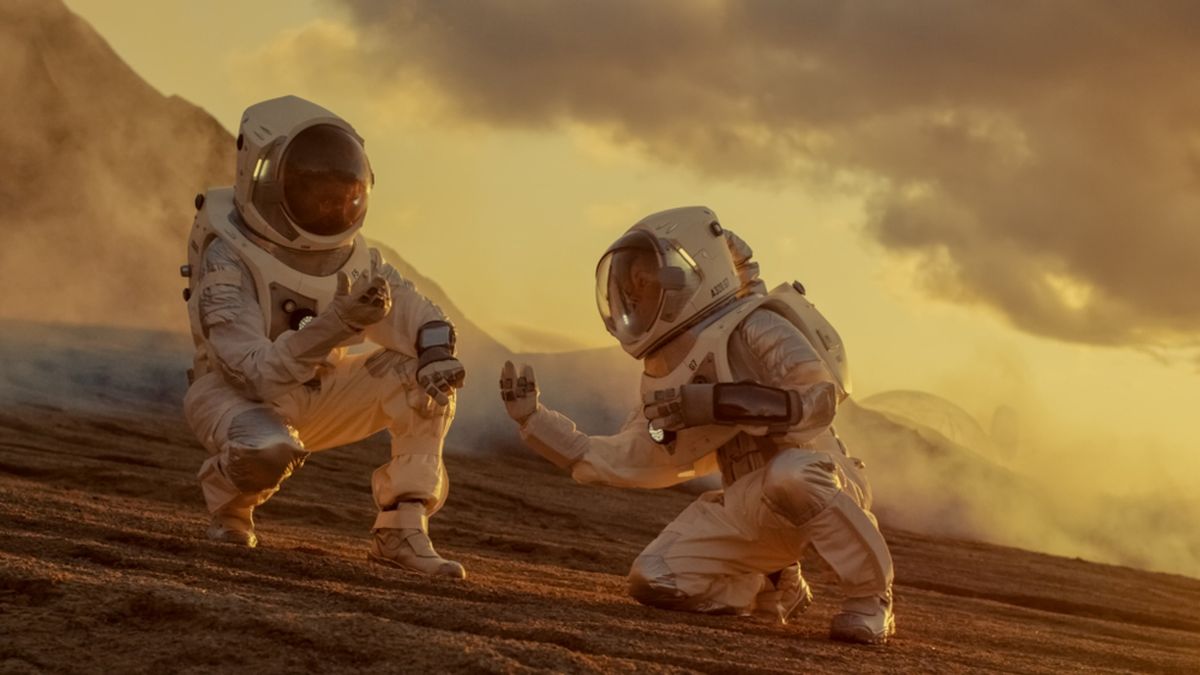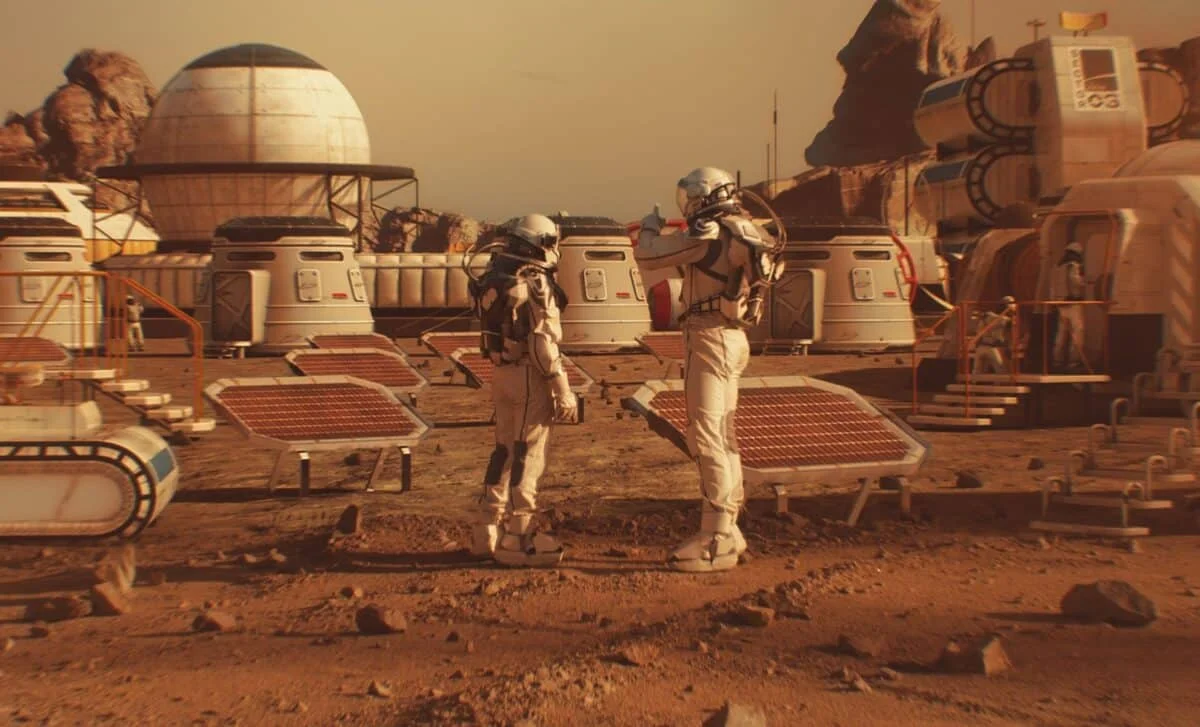
Scientists are exploring the use of Earth's microbes, specifically Sporosarcina pasteurii and Chroococcidiopsis, to transform Martian soil into building materials and produce oxygen, potentially enabling sustainable habitats on Mars through biocementation and 3D printing, reducing the need for transporting materials from Earth and supporting long-term human settlement.
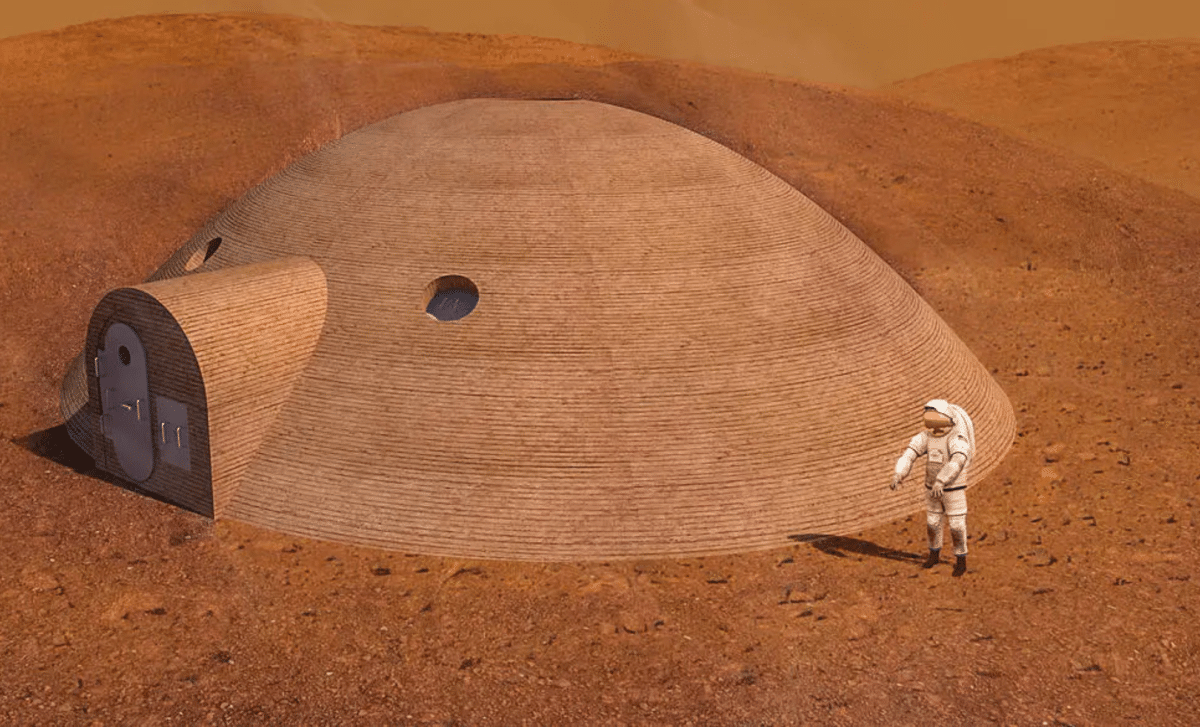
NASA is exploring the use of insects like fruit flies, bumblebees, and larvae to support sustainable life on the Moon and Mars by aiding in pollination, waste management, and soil health, potentially making them vital partners in off-world habitats.
A panel of five experts largely oppose human colonization of space, discussing the technological, ethical, and practical challenges, despite ambitious plans by countries and entrepreneurs like SpaceX to establish lunar and Martian bases, and Elon Musk's vision of making humans a multi-planetary species to ensure survival.
NASA and Japanese researchers used supercomputers to estimate that Earth's surface will become uninhabitable for all life by around the year 1,000,002,021, due to the sun's increasing heat, with humans facing earlier environmental collapse from climate change and atmospheric changes. The study emphasizes the importance of preparing for Earth's eventual uninhabitability, including exploring space colonization options.
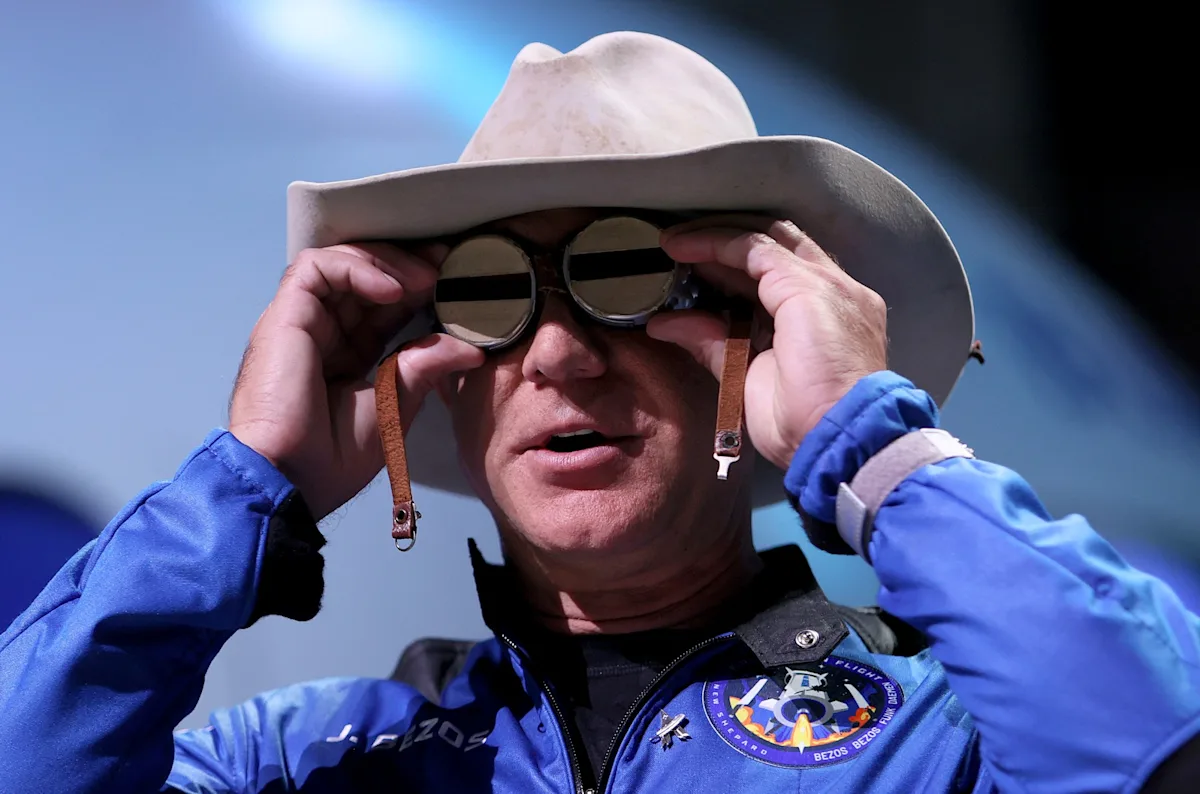
Jeff Bezos envisions millions living in space by 2045 with robots handling lunar work, while other tech leaders like Elon Musk and Sam Altman predict rapid advancements in space habitation and careers beyond Earth, contrasting with Bill Gates's focus on Earth's issues and a potential 2-day workweek enabled by AI.
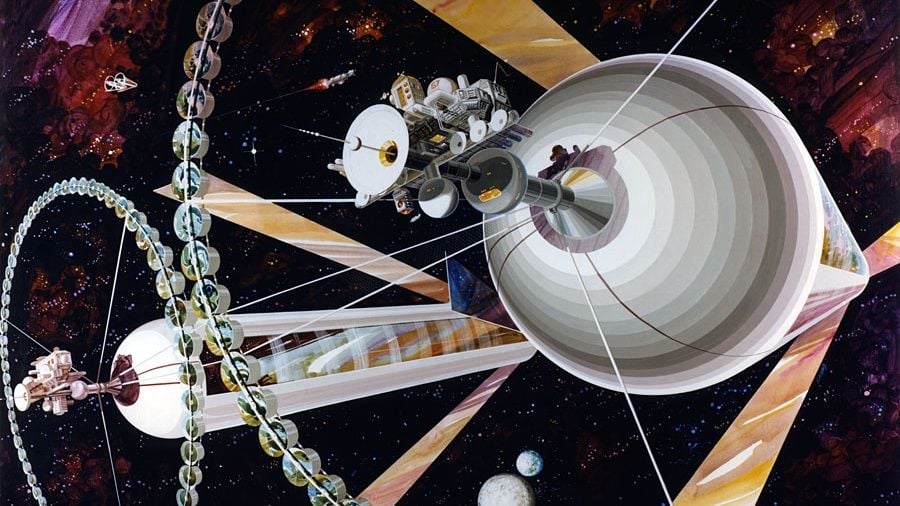
The article discusses the ambitious 1970s vision of space scientist Gerard K. O'Neill for building large, self-sufficient space cities at the L5 Lagrange point, which faced practical and technological challenges, leading to the realization that such habitats remain a distant dream due to engineering, economic, and social hurdles.
Jeff Bezos predicts that millions will be living in space within the next few decades, with robots and AI handling much of the work, reflecting a bold vision for the future of space habitation, similar to Elon Musk's ambitions for Mars.
Originally Published 5 months ago — by Hacker News
The article discusses the concept of interstellar ship design competitions, highlighting the technical, societal, and philosophical challenges of building generation ships capable of long-term space travel, including propulsion, self-sufficiency, human psychology, and cultural sustainability.
Harvard scientists have successfully grown algae in Mars-like conditions using bioplastic habitats, paving the way for sustainable, self-sufficient space habitats that could support future colonization efforts on Mars and beyond.
The European Space Agency envisions humans living in self-sustaining 'space oases' on Mars, the Moon, and Earth's orbit within 15 years, featuring advanced habitats, autonomous exploration robots, and in-orbit manufacturing, aiming to make space colonization a reality and expand human presence across the solar system.
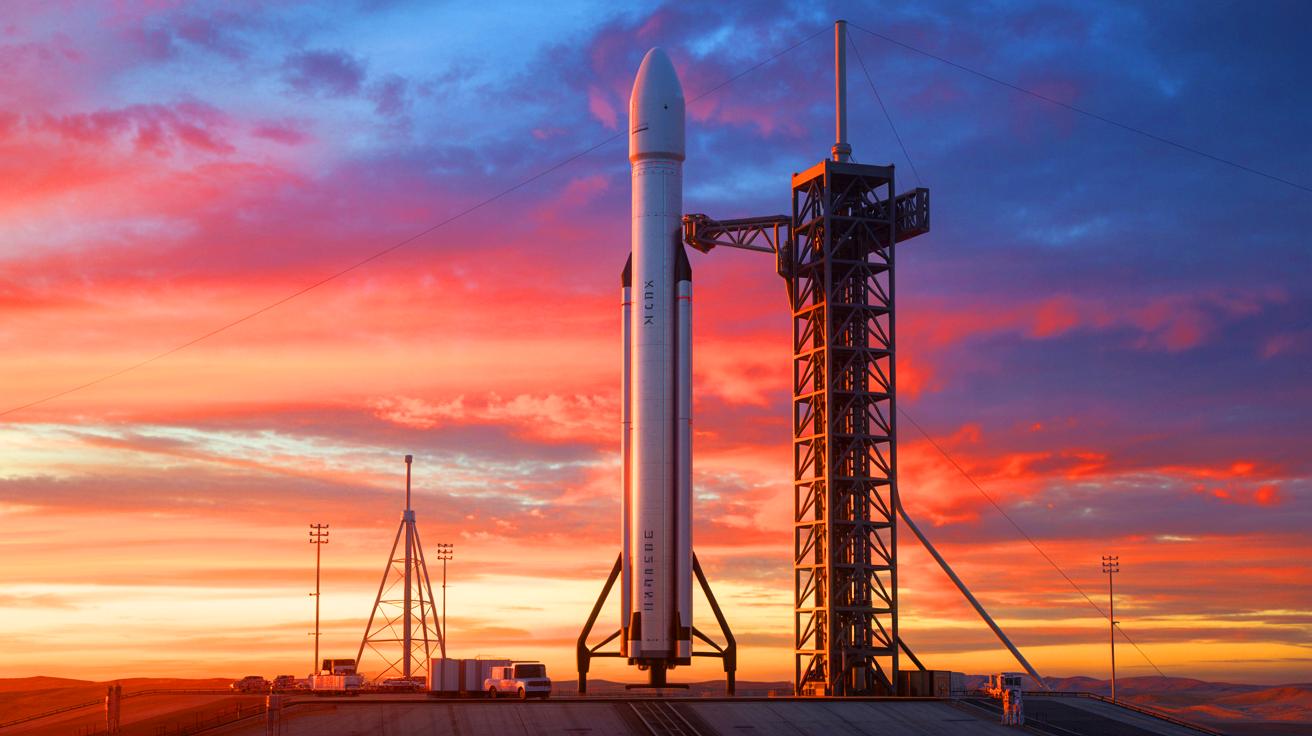
Elon Musk announced that SpaceX plans to launch its largest Starship rocket by the end of 2023, with uncrewed missions to Mars starting in 2026, aiming to establish a self-sustaining city on the Red Planet as part of humanity's vision to become a multiplanetary species.
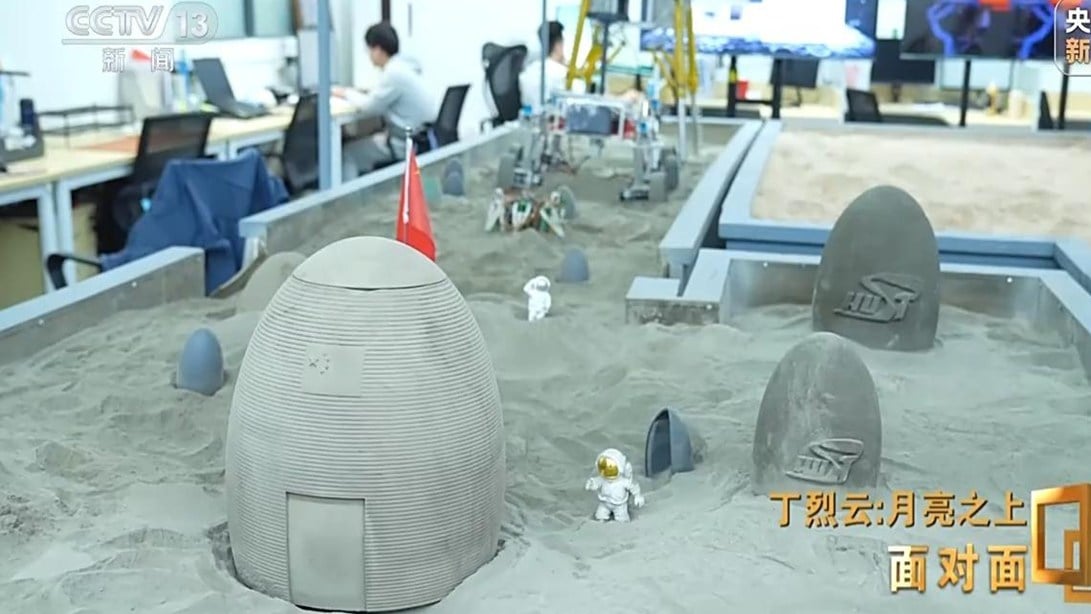
China is planning to build egg-shaped igloos on the moon as part of its lunar colonization efforts. The design, developed by scientists at Huazhong University of Science and Technology, aims to address challenges like extreme temperatures and cosmic radiation. The structures, made from moon dust bricks, could be constructed by robots and 3D printers. This initiative is part of China's broader goal to establish a permanent lunar base by 2035, with the country currently leading in lunar exploration efforts.
Rick Tumlinson, founder of SpaceFund, discusses the evolving concept of family in space settlements, emphasizing that survival in such extreme environments will necessitate close-knit, interdependent units. He argues that these new space families, formed by shared goals and mutual trust rather than bloodlines, will revive and enhance the concept of family, fostering a culture of openness and cooperation essential for survival.
Guillermo Söhnlein, co-founder of OceanGate, believes humanity can safely colonize Venus despite its extreme conditions, proposing the use of breathing apparatus and acid-resistant materials. He argues that Venus is more accessible than Mars and suggests building habitats 50km above its surface. Söhnlein, who left OceanGate in 2013, remains undeterred by the Titan submersible disaster and continues to pursue ambitious space exploration projects.
As humans prepare to colonize the moon and Mars, experts believe that future space colonists will likely develop new accents due to isolation and imitation. Accents are expected to emerge quickly in small, isolated groups, with potential changes becoming more pronounced in the challenging communication environment of Mars. The accents of future lunar and Martian colonies are likely to differ from each other, shaped by the most abundant accent within each group. While the environmental factors of each celestial body may not have a major impact on accent development, the selection of initial colonists will play a significant role in shaping the future accents of space colonies.