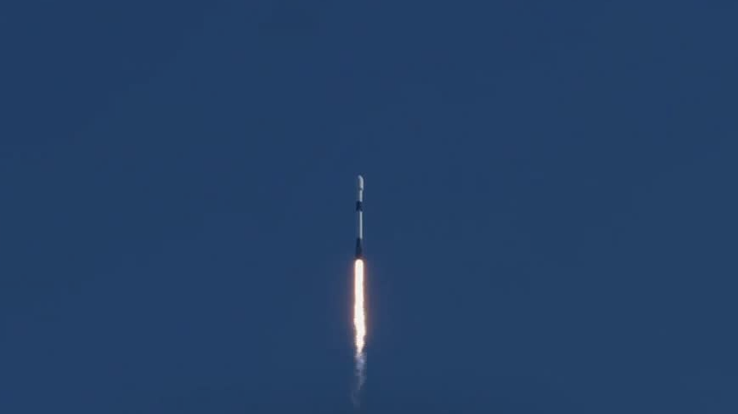
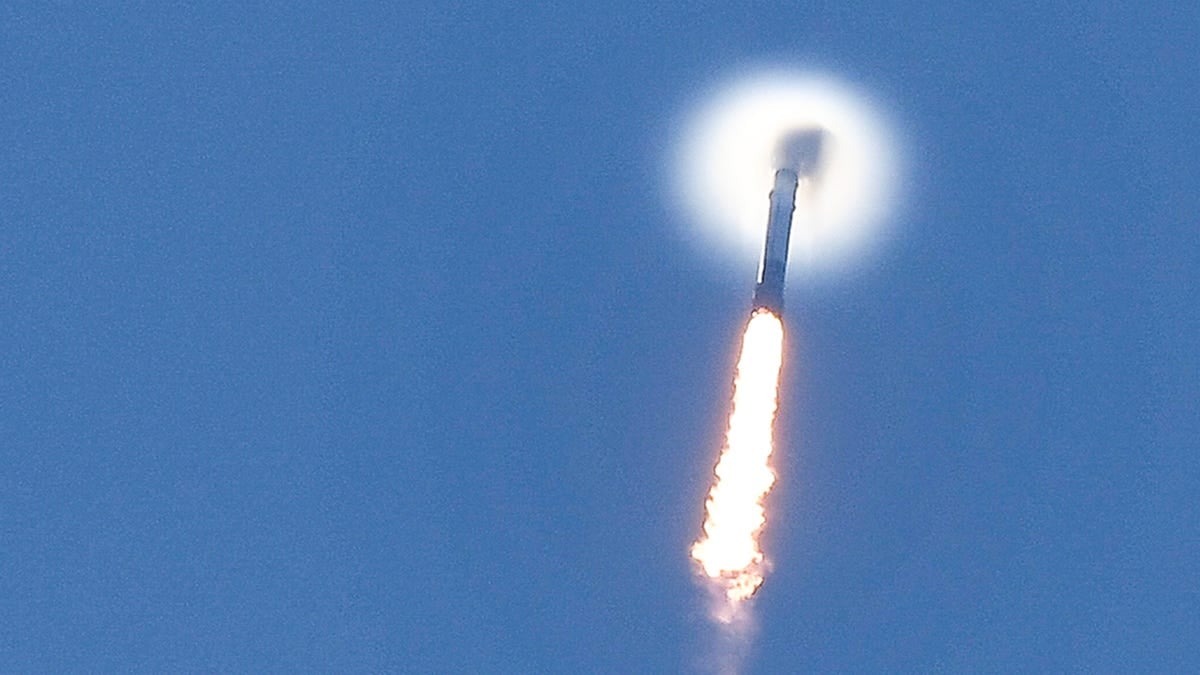
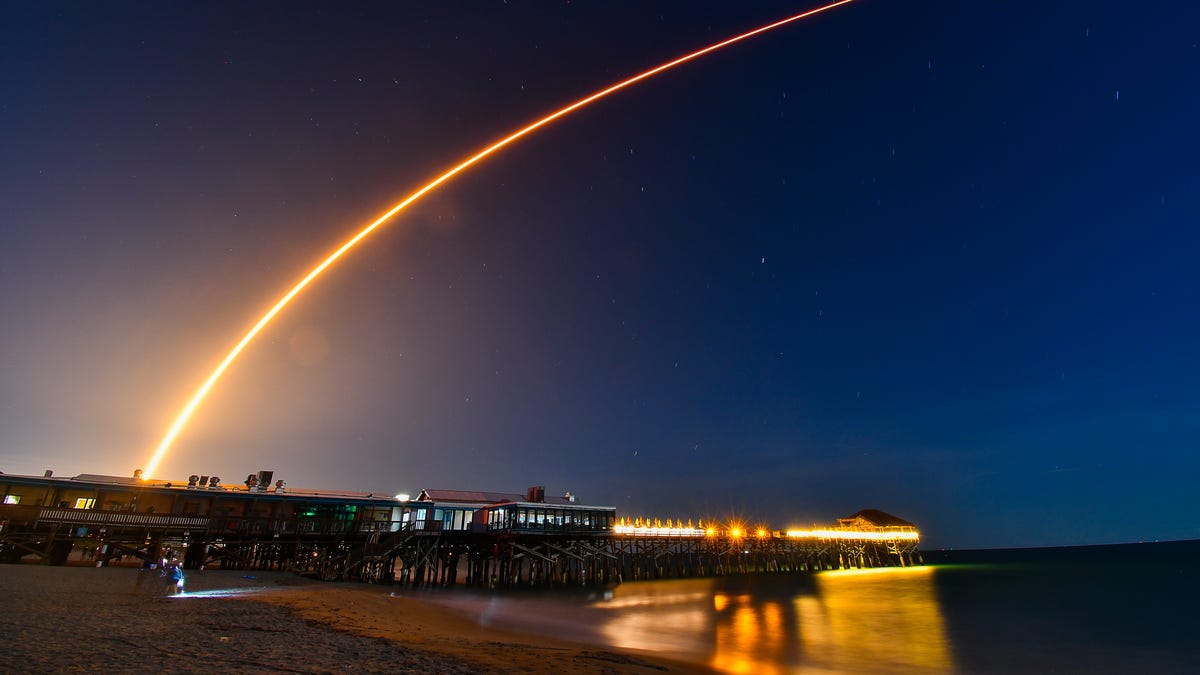
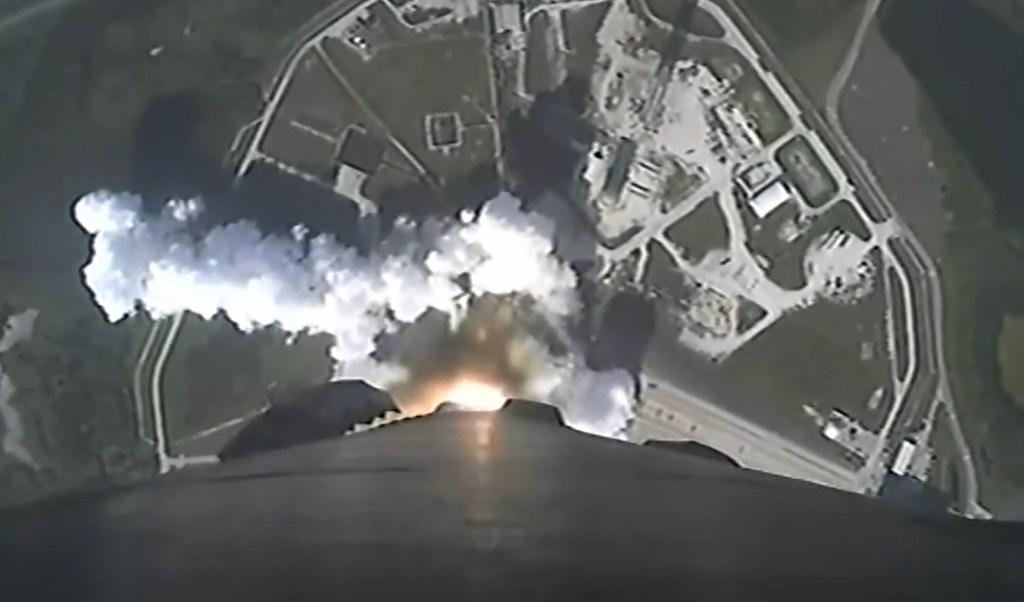
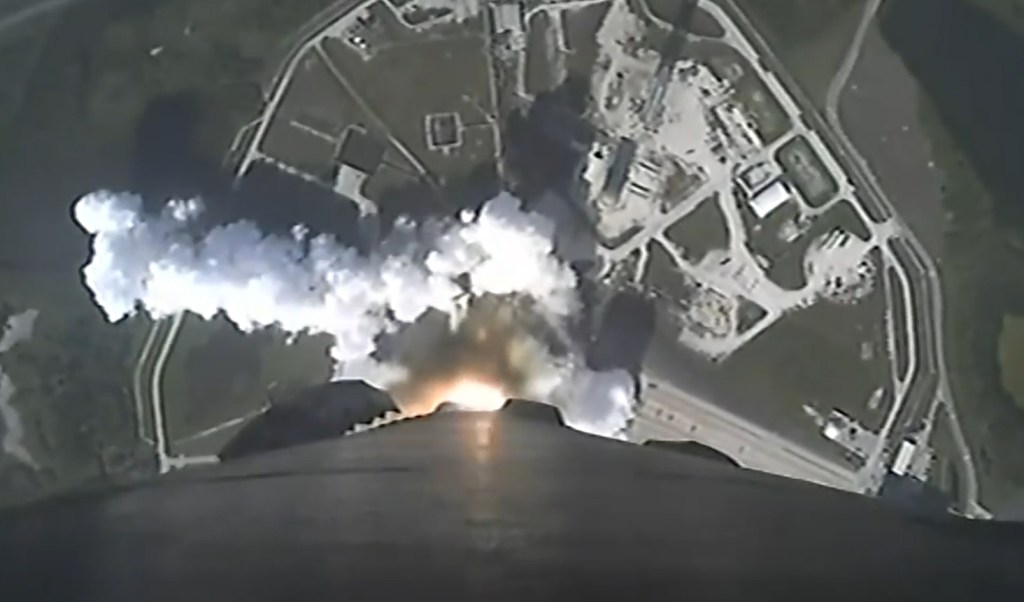
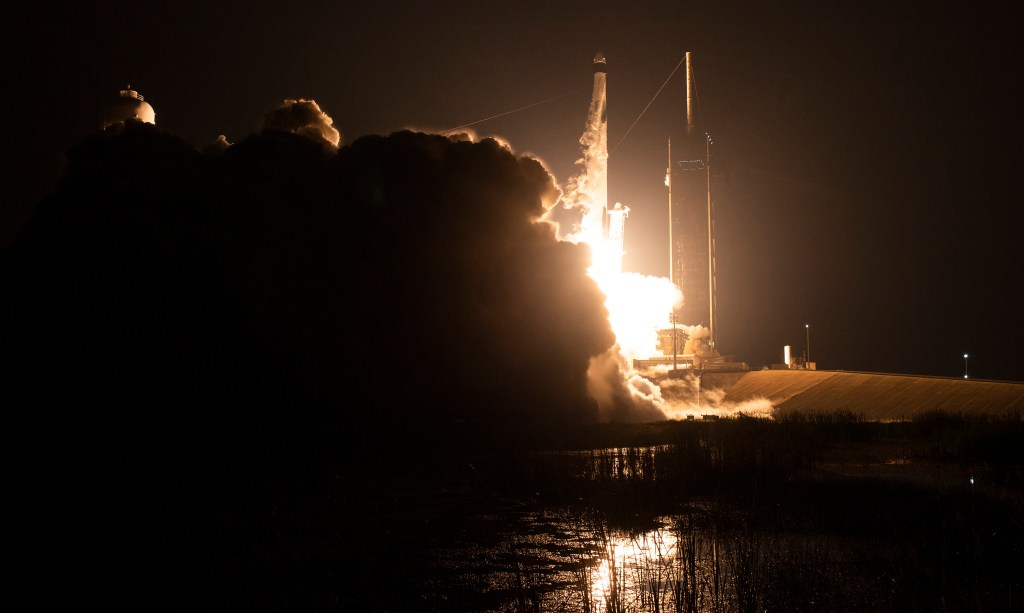
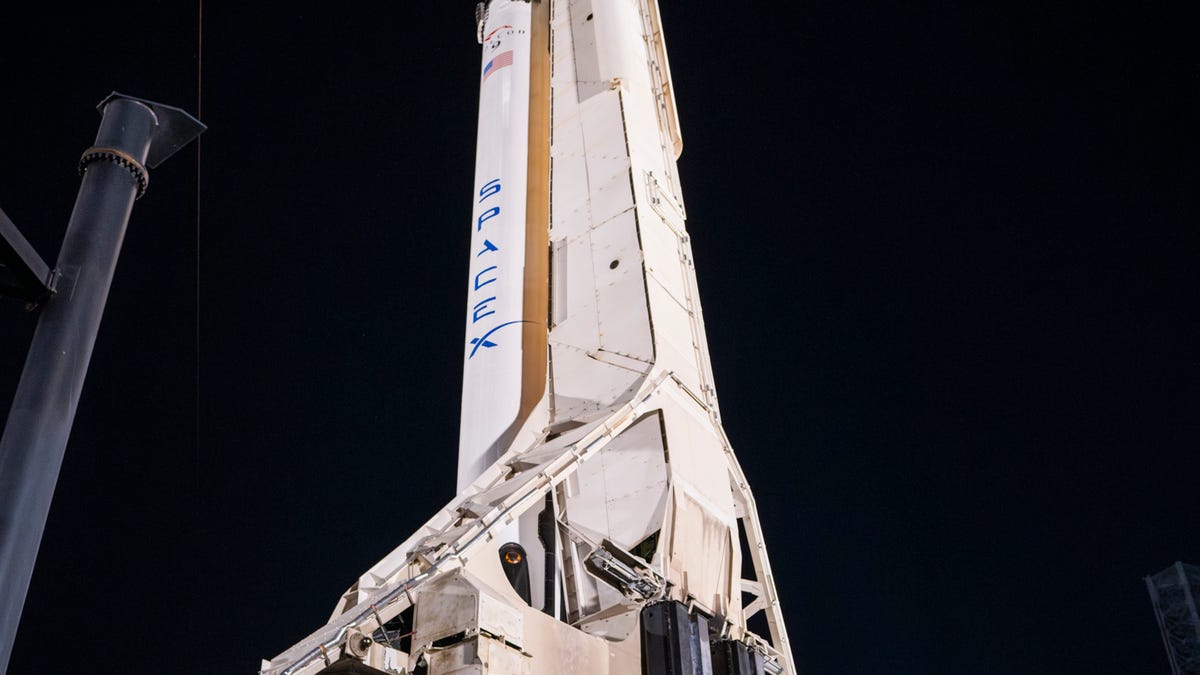
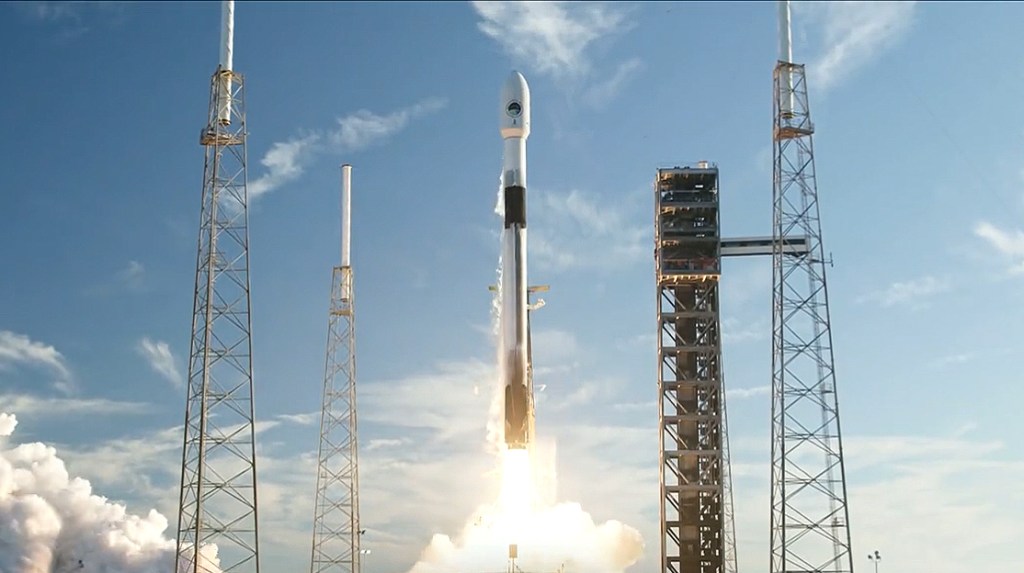
SpaceX successfully launched the Koreasat-6A communication satellite from Kennedy Space Center, marking the 23rd flight of its Falcon 9 first-stage booster, which landed safely at Cape Canaveral. This launch is part of a double-header event, with a second Falcon 9 rocket set to launch 24 Starlink satellites later in the day from the same location. The Starlink mission's booster will attempt a landing on a drone ship in the Atlantic Ocean.
Florida's Space Coast is set for a busy year with a projected 100 rocket launches, including multiple SpaceX Starlink missions, NASA's Boeing Starliner crewed flight test, and significant launches like the NOAA's GOES-U and NASA's Europa Clipper. Stay updated with live coverage and schedule changes at floridatoday.com/space.
On Memorial Day 2024, a SpaceX Falcon 9 rocket is scheduled to launch a payload of Starlink satellites from Cape Canaveral, Florida. The launch window is from 7:30 a.m. to 12:01 p.m. EDT, weather permitting. The best viewing spots include various parks and beaches along the Space Coast, with live coverage available on FLORIDA TODAY's website.
SpaceX is set to launch its second rocket in two days from the Space Coast, carrying batches of Starlink satellites. The first launch, carrying 23 satellites, took place from Kennedy Space Center, and the second is scheduled for Thursday evening from Cape Canaveral. This will mark the 157th and 158th overall Starlink launches, contributing to SpaceX's growing constellation of internet satellites. The company aims to send up more than 6,250 satellites, with the majority still in orbit and assessed as working. With the potential for 148 orbital missions this year, SpaceX continues to dominate space launches, with the majority dedicated to Starlink.
SpaceX successfully launched the first of two rockets carrying Starlink satellites from the Space Coast, with another launch scheduled for the following day. The company's Falcon 9 rocket lifted off from Kennedy Space Center, marking the 28th launch from the Space Coast in 2024. With plans for more Starlink launches and a potential record-breaking number of orbital missions, SpaceX continues to expand its satellite constellation and maintain a busy launch schedule.
The Space Coast set a new launch record in 2023 with 72 orbital missions and is on track for a near twice-weekly launch rate by the end of 2024, with 22 launches already completed this year. Upcoming launches include the final Delta IV Heavy rocket launch, Boeing CST-100 Starliner mission, and SpaceX Falcon Heavy missions to investigate Jupiter's moon Europa and deliver payloads to the moon. Additionally, there are plans for Department of Defense missions, Blue Origin's New Glenn rocket launch, and NASA's Artemis II and III missions in the coming years.
SpaceX is planning an ambitious launch schedule with potentially three Falcon 9 rocket launches in under five hours, starting with the Eutelsat 36D mission from Florida's Space Coast. The mission will carry the Eutelsat 36D satellite, providing telecommunications services to Africa and Eurasia. Following this, SpaceX aims to launch two Starlink satellite missions, with the third Falcon 9 launch scheduled from California facing potential delays due to a major storm system.
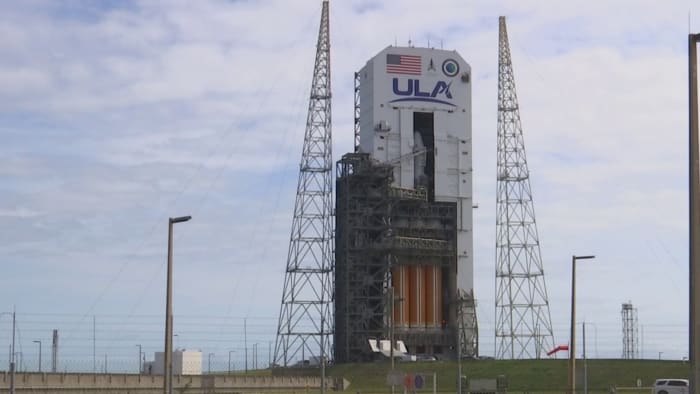
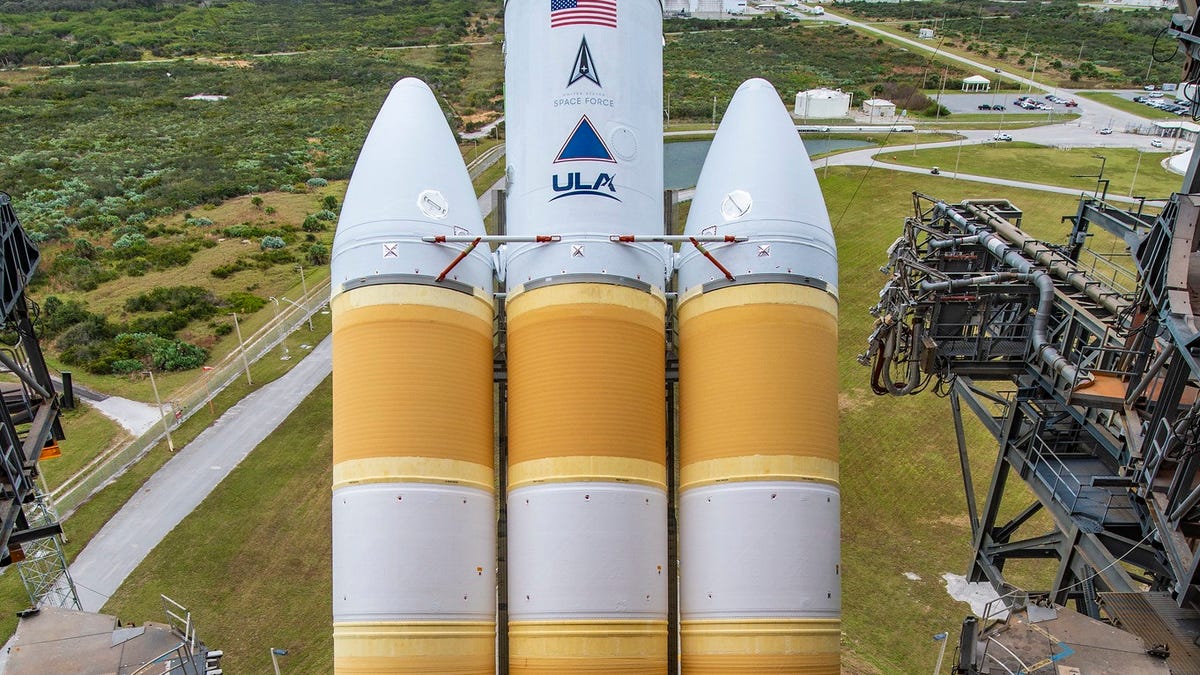
The final launch of a Delta IV Heavy rocket is set to take place on the Space Coast, marking the end of more than 60 years of Delta rockets launching American missions into space. United Launch Alliance (ULA) is replacing the Delta IV and Atlas V rockets with the new Vulcan Centaur rocket, which is expected to provide more value and capability at a lower cost. The launch is scheduled for Thursday, with backup opportunities on Friday and Monday if necessary.
The final launch of the Delta IV Heavy rocket, scheduled for Thursday, March 28, 2024, will mark the end of its impressive 20-year run. The rocket, known for its power and historic missions, will carry the NROL-70 mission for the National Reconnaissance Office from Cape Canaveral Space Force Station. United Launch Alliance is retiring the Delta IV Heavy and replacing it with the Vulcan Centaur, which offers increased flexibility and cost-effectiveness. The article also provides details on where and how to watch the launch from the Space Coast of Florida.
The Space Coast is gearing up for a weekend of rocket launches, with NASA's SpaceX Crew-8 mission to the International Space Station scheduled for Saturday night and a possible SpaceX Starlink launch on Sunday. The Crew-8 mission will feature a four-person crew and a booster landing at Cape Canaveral Space Force Station, while the Starlink launch aims to deploy internet satellites from Cape Canaveral. Excitement is building for these events, and live coverage will be available for those eager to witness the launches.
The Space Coast set a new launch record in 2023 with 72 orbital missions and is expected to ramp up launches to a near twice-weekly rate by the end of 2024, with as many as 111 missions possible. Upcoming launches include SpaceX's Falcon 9 missions for resupplying the International Space Station, United Launch Alliance's Vulcan Centaur test flight, and Boeing's CST-100 Starliner mission. Additionally, there are plans for SpaceX's Falcon Heavy missions to investigate Jupiter's moon Europa and Axiom Space's commercial flight to the International Space Station.
The Space Coast is set to witness back-to-back rocket launches, with a SpaceX Falcon 9 rocket successfully carrying a classified US Force payload into orbit and its booster returning to a landing zone nearby. The second launch, scheduled just after 1 a.m., will attempt a lunar lander mission by Intuitive Machines, aiming to be the first US spacecraft to land on the moon in over 50 years. These missions are part of NASA’s efforts to build understanding of the moon’s surface ahead of future Artemis missions. The rapid launch cadence and booster landings demonstrate SpaceX's efforts to increase the flight rate and reliability of the Falcon 9 rocket.
SpaceX successfully launched a Falcon 9 rocket on a classified USSF-124 mission for the Space Force from Cape Canaveral Space Force Station, carrying payloads including satellites for the Missile Defense Agency and the Space Development Agency. The first-stage booster made a successful recovery, marking the 13th mission from all of SpaceX’s launch pads in 2024. This launch is part of a busy period for SpaceX, with rockets on all four of its launch pads, and it comes ahead of another planned Falcon 9 launch in California and a lunar mission from Kennedy Space Center.
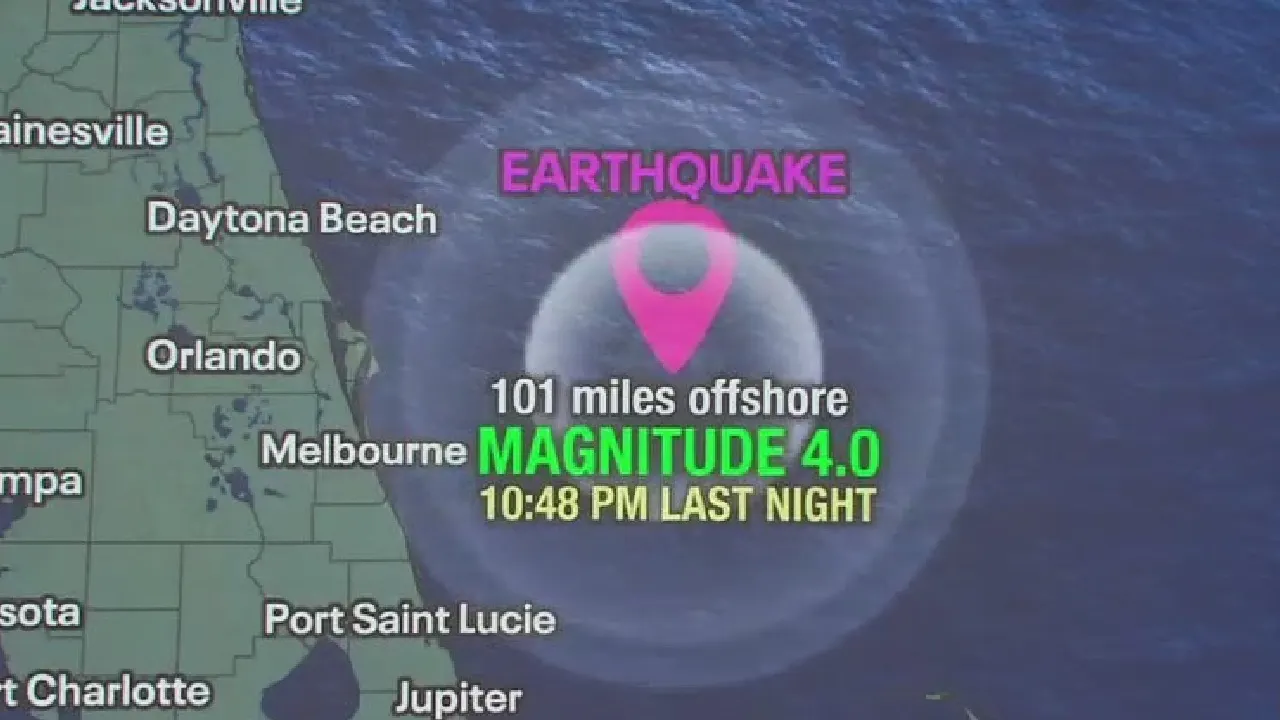
A rare 4.0 magnitude earthquake was reported about 100 miles off the coast of Cape Canaveral, Florida, causing minor shaking felt by residents along the Space Coast. The shallow earthquake, with a depth of just over 6 miles, was unusual for the area, as there are no major fault lines nearby. This event marks a rare occurrence in Florida, with the most recent earthquake reported in the state being a magnitude 1.8 in 2020 near the Florida-Alabama border.
A 4.0 magnitude earthquake occurred about 100 miles east of Cape Canaveral, Florida, rattling residents along the Space Coast just hours before a rocket launch. The US Geological Survey received reports of people in Melbourne, Palm Bay, St. Augustine, and Cocoa feeling the quake. Despite the event, it did not prompt a tsunami warning, and it did not affect the launch of NASA's PACE mission, which aims to assess ocean health by measuring phytoplankton distribution.