A hormone health expert highlights 10 everyday habits and environmental factors, such as soy consumption, stress, pesticides, poor sleep, and certain skincare products, that can quietly disrupt thyroid function and overall hormonal health, emphasizing the importance of mindful lifestyle choices.
Dr. Dawn Mussallem, a stage 4 breast cancer survivor and physician, shares five foods—berries, purple sweet potatoes, cruciferous vegetables, beans, and soy—that may help fight cancer and promote long-term wellness, emphasizing the importance of a nutrient-rich diet for disease prevention and recovery.
A new study from the University of Toronto dispels the myth that soy foods cause cancer, particularly estrogen-related cancers. Analyzing 40 randomized controlled trials with over 3,000 participants, the research found no adverse effects of soy on cancer markers, supporting its safety and potential benefits, such as reducing heart disease risk and alleviating menopause symptoms. Despite past concerns about isoflavones in soy, the study clarifies that these compounds do not mimic estrogen in harmful ways in humans.
Soy is a versatile and nutrient-rich food that has been the subject of health debates due to its phytoestrogen content, which some feared could increase cancer risk. However, recent studies have debunked these concerns, showing no significant impact on cancer risk or thyroid function. Experts now highlight soy's health benefits, including reduced cancer risk, improved cardiovascular health, and better overall nutrition. Minimally processed soy foods like tofu, edamame, and tempeh are recommended for a healthy diet.
Analysts expect the upcoming USDA report to show smaller U.S. corn and soybean crops than previously predicted due to falling yield prospects caused by dry weather and heat in mid-August. While larger harvested areas are expected for both crops, analysts are cautious about committing to the higher acreage numbers suggested last month. The average trade guess for U.S. corn yield is 173.5 bushels per acre, while soybean yield is pegged at 50.2 bushels per acre. The range of yield estimates is narrower than usual, indicating a potential for production surprises. Additionally, there is speculation about a possible increase in harvested area, although the extent of the increase remains uncertain.
A study conducted by the Physicians' Committee for Responsible Medicine found that incorporating soy into the diet can reduce hot flashes by 79% in postmenopausal women. The study involved one group of women who continued their normal diet and another group who consumed a plant-based vegan diet with 1/2 cup of cooked soybeans daily. The soybean group experienced a significant reduction in hot flash frequency, duration, and intensity, along with other benefits such as improved sleep, digestion, weight loss, and overall quality of life. Soy contains isoflavones, plant estrogens that mimic estrogen and help alleviate menopausal symptoms. It is generally safe to consume one to two servings of whole soy foods per day, and organic or non-GMO soy is recommended. However, soy may not be effective for everyone, as its effectiveness depends on the individual's ability to convert soy into equol, an estrogen-mimicking compound. Equol supplements are available for those who cannot produce equol naturally. Other natural remedies for hot flashes include paced breathing, cooling scarves, unsalted tomato juice, and cooling spritzes.
July corn and soy futures closed higher, while wheat futures were mixed. Livestock futures were mostly lower. The USDA is expected to release the latest Crop Progress report, which is projected to show a decline in corn and soybean ratings. Grain and soybean futures started higher but turned lower due to forecasts of increased rainfall across the Midwest next week and technically-driven speculative profit taking.
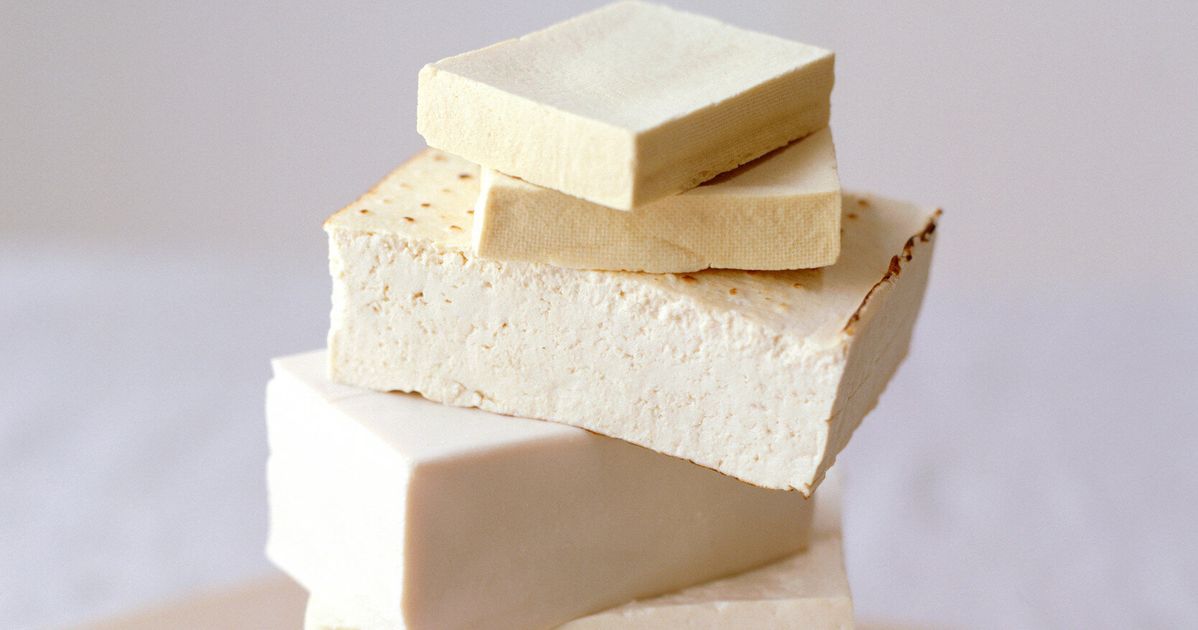
Tofu is a complete protein that is rich in minerals like calcium and has a bit of fiber in it. It is also full of antioxidants and isoflavones, which help lower the levels of oxidative stress that affects your body while also influencing a variety of other health-related systems. However, non-organic tofu is usually sprayed with chemicals, while its organic counterpart is made with soybeans that are grown sustainably, without the use of artificial fertilizers, herbicides, and pesticides. Additionally, tofu is a genetically engineered food, which may cause toxic effects when consumed in high quantities.