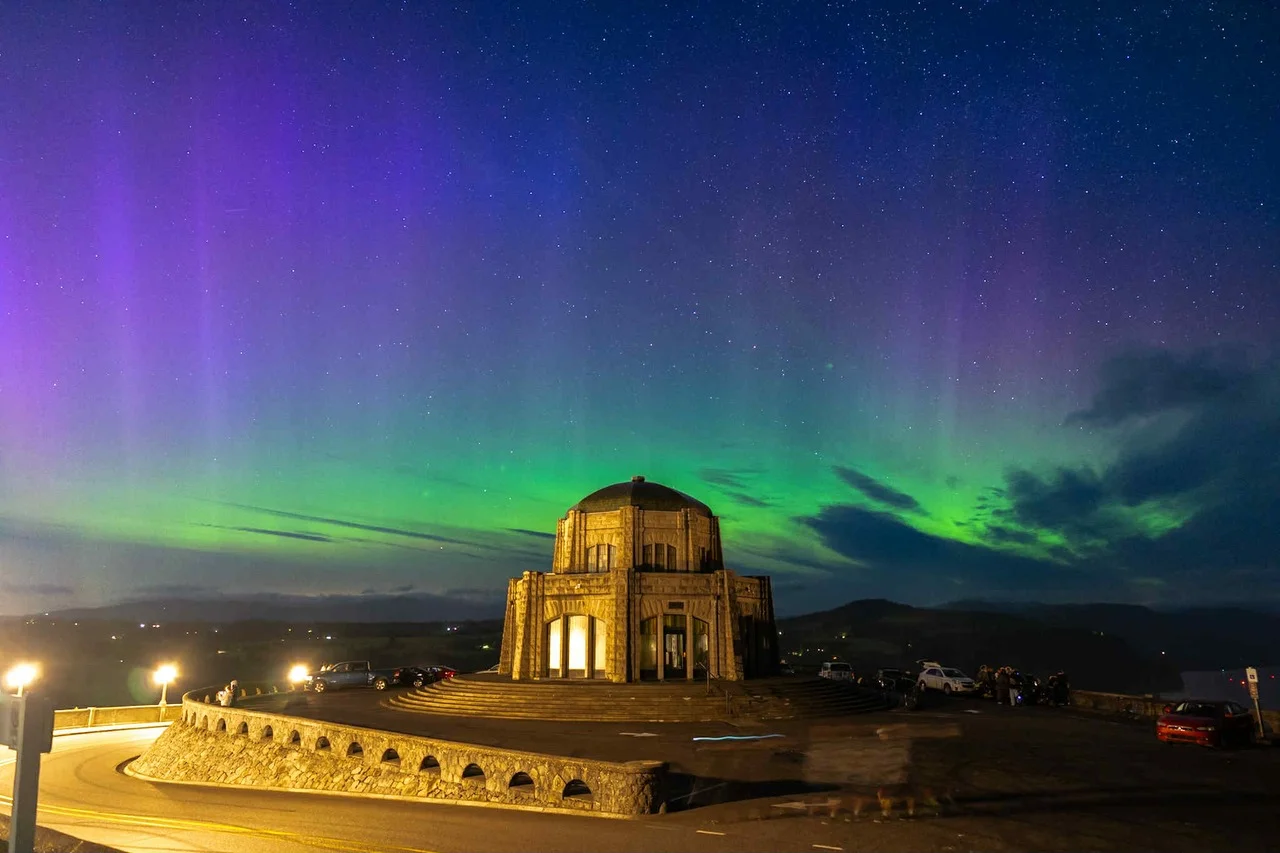
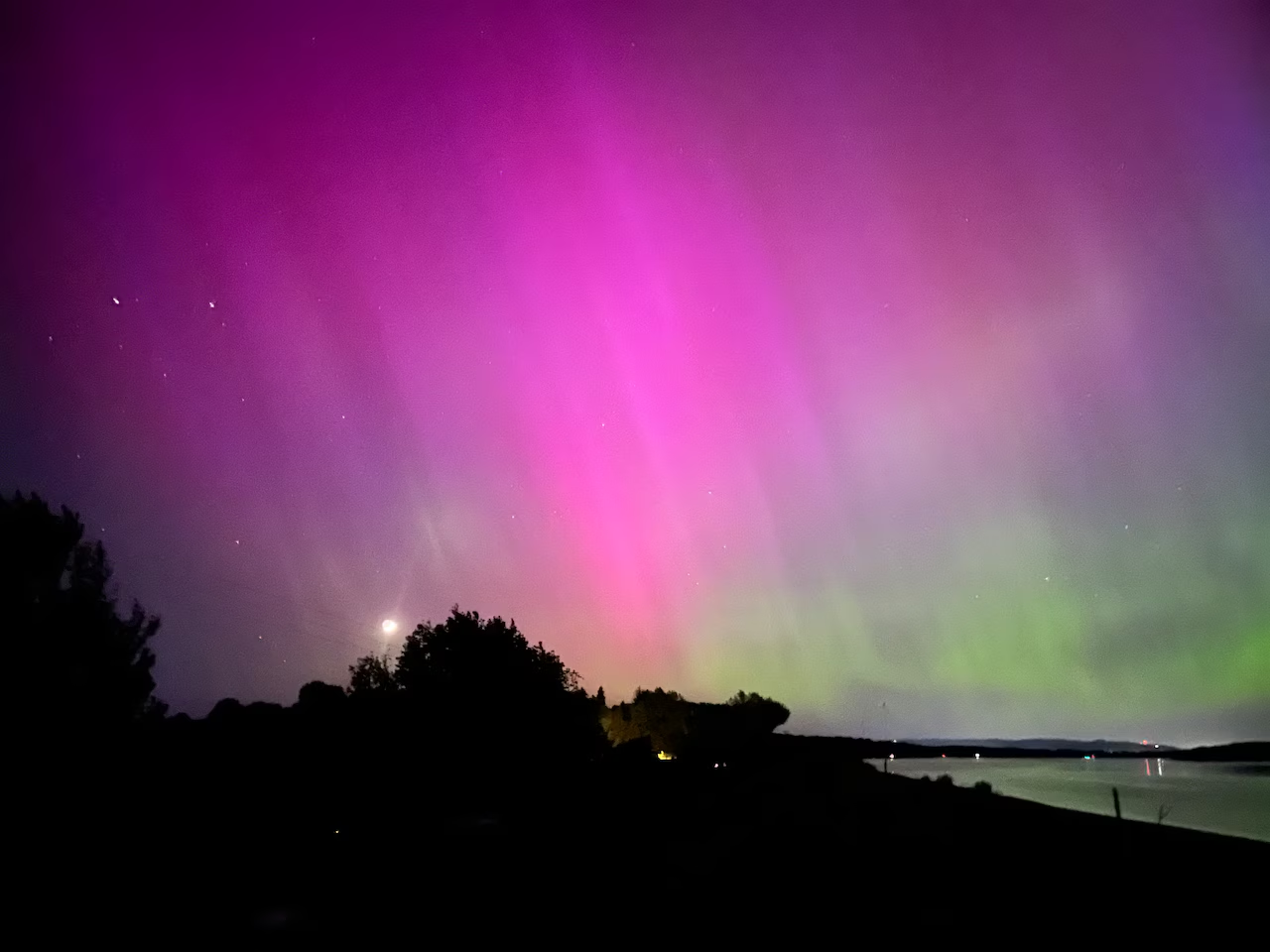
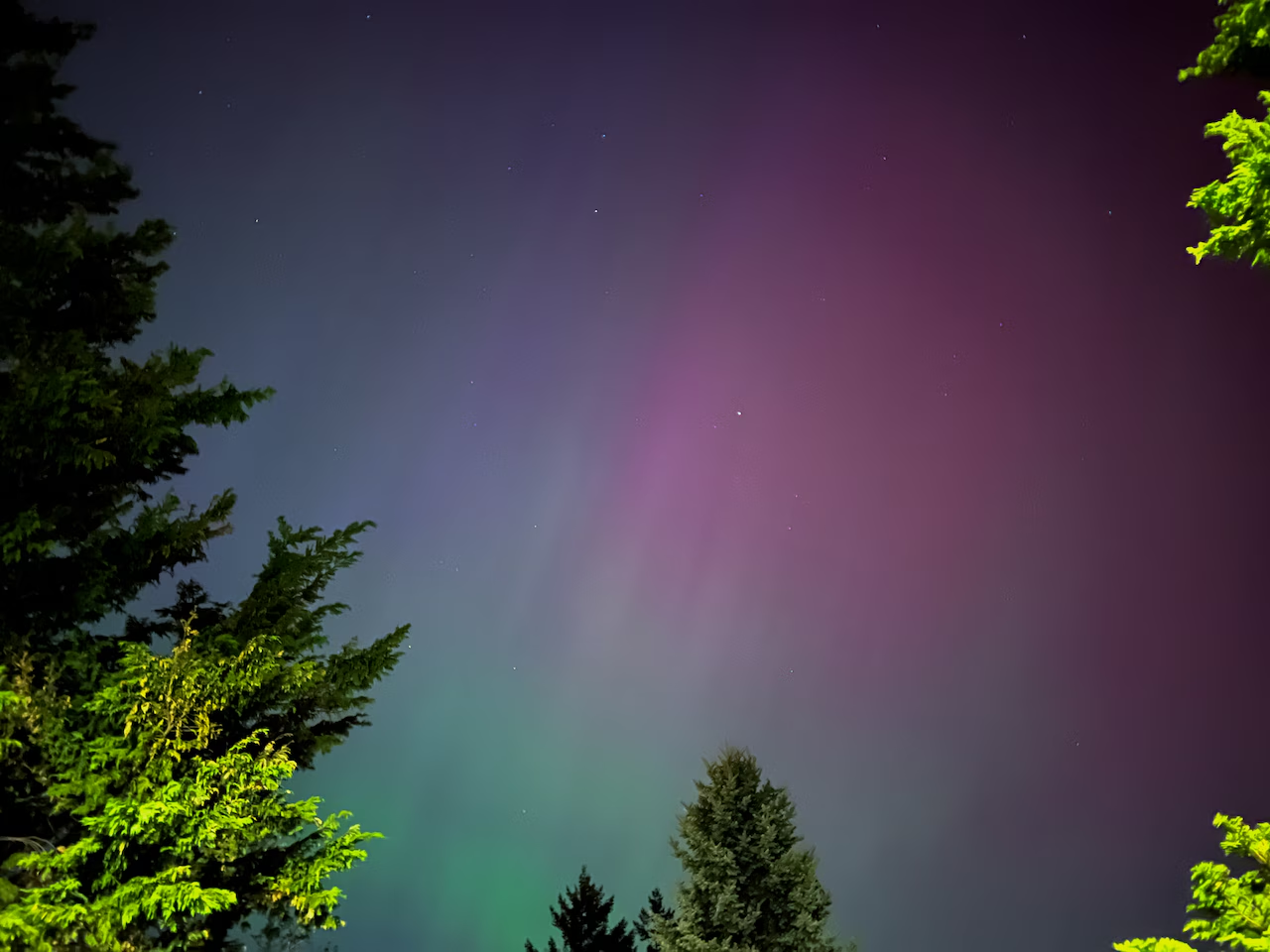
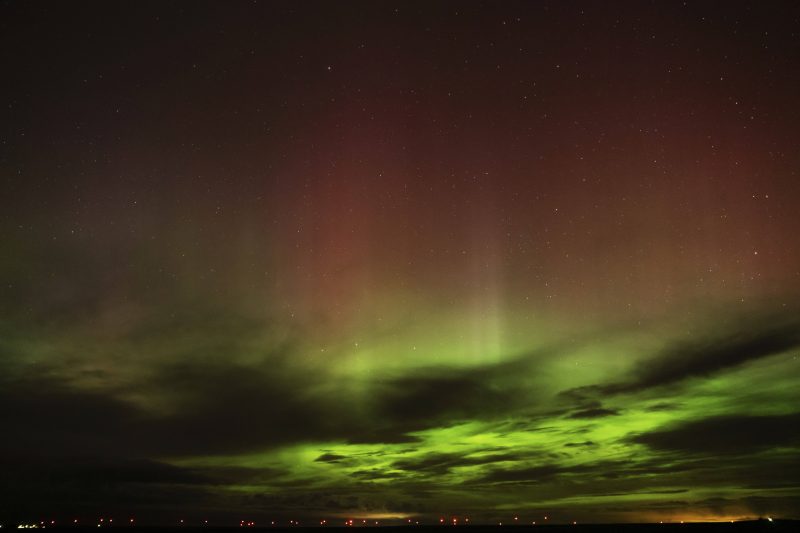
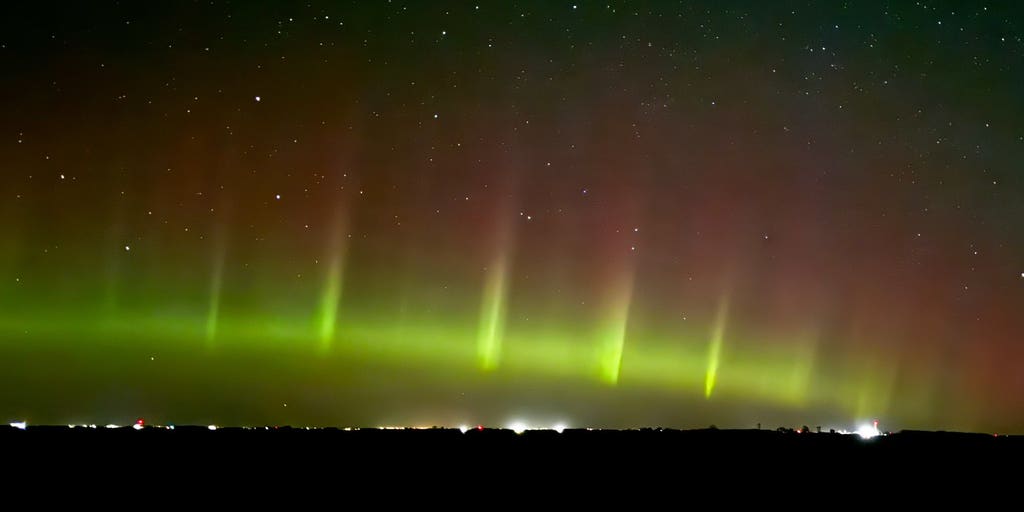
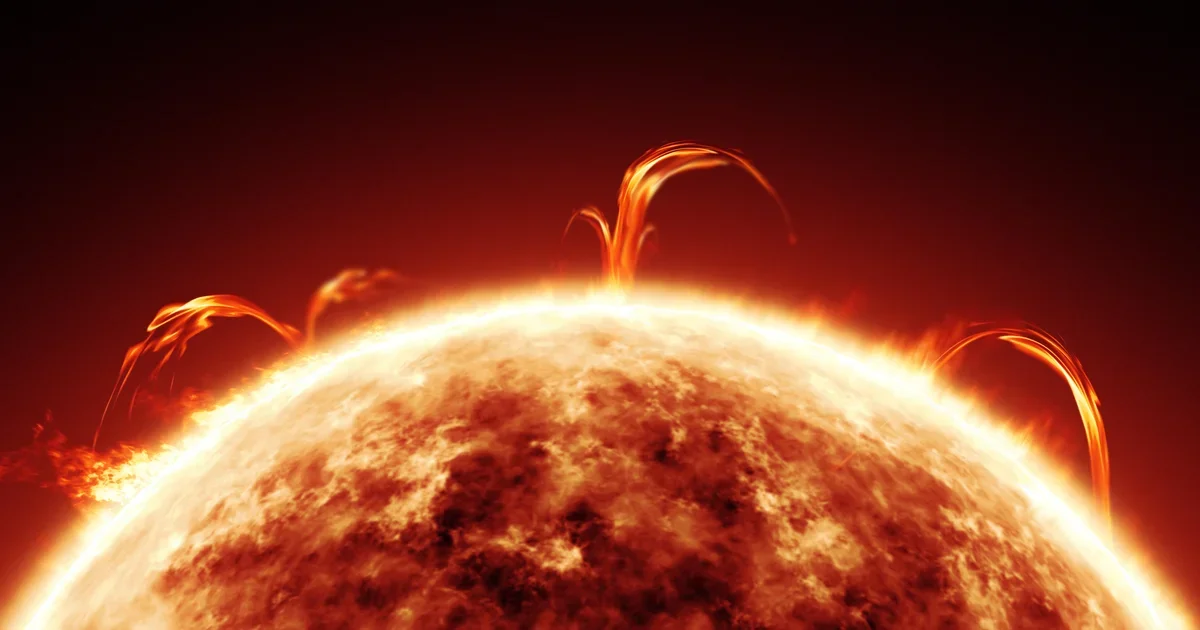
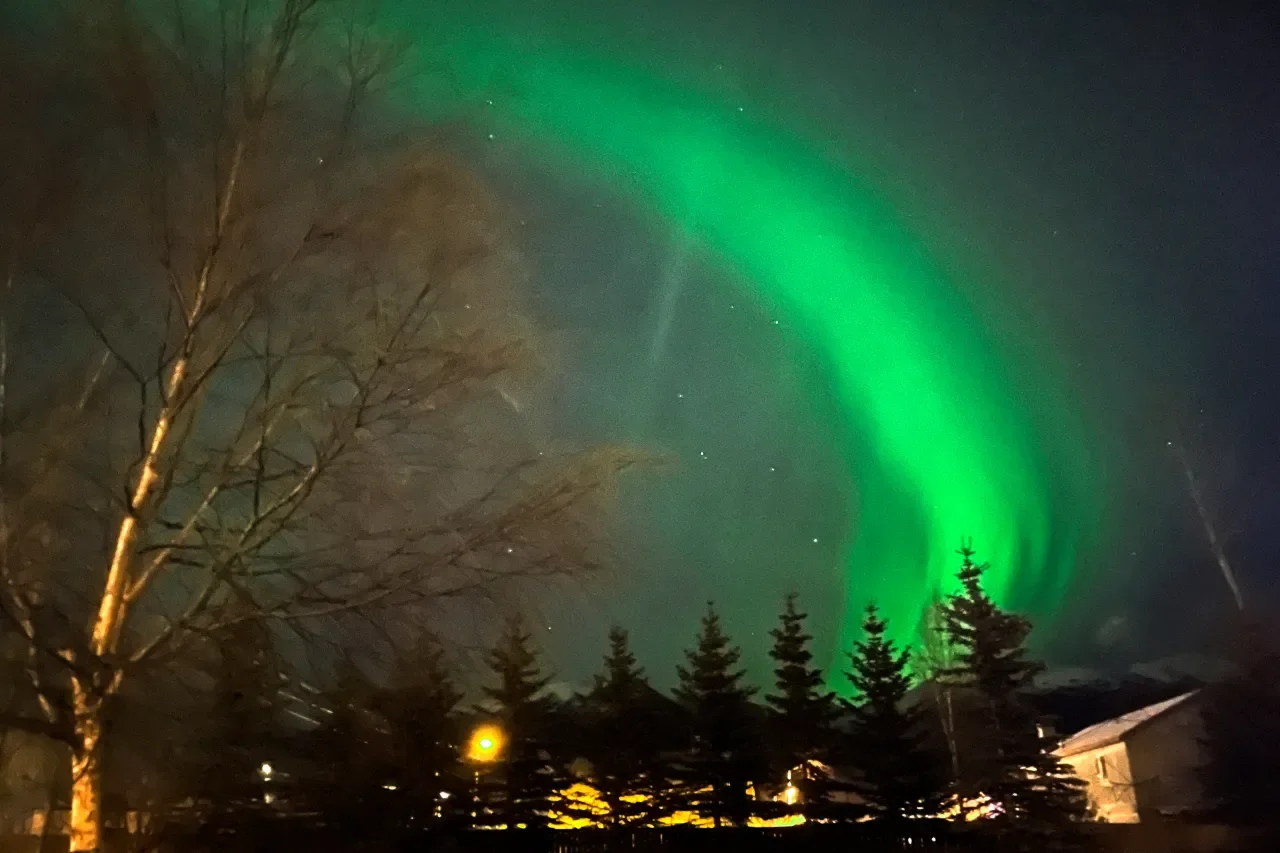
A powerful solar flare is causing a geomagnetic storm that could bring the northern lights to northern Oregon and the Pacific Northwest, with the best viewing opportunities on September 1, 2025, especially between 11 p.m. and 2 a.m. Pacific time, under clear skies.
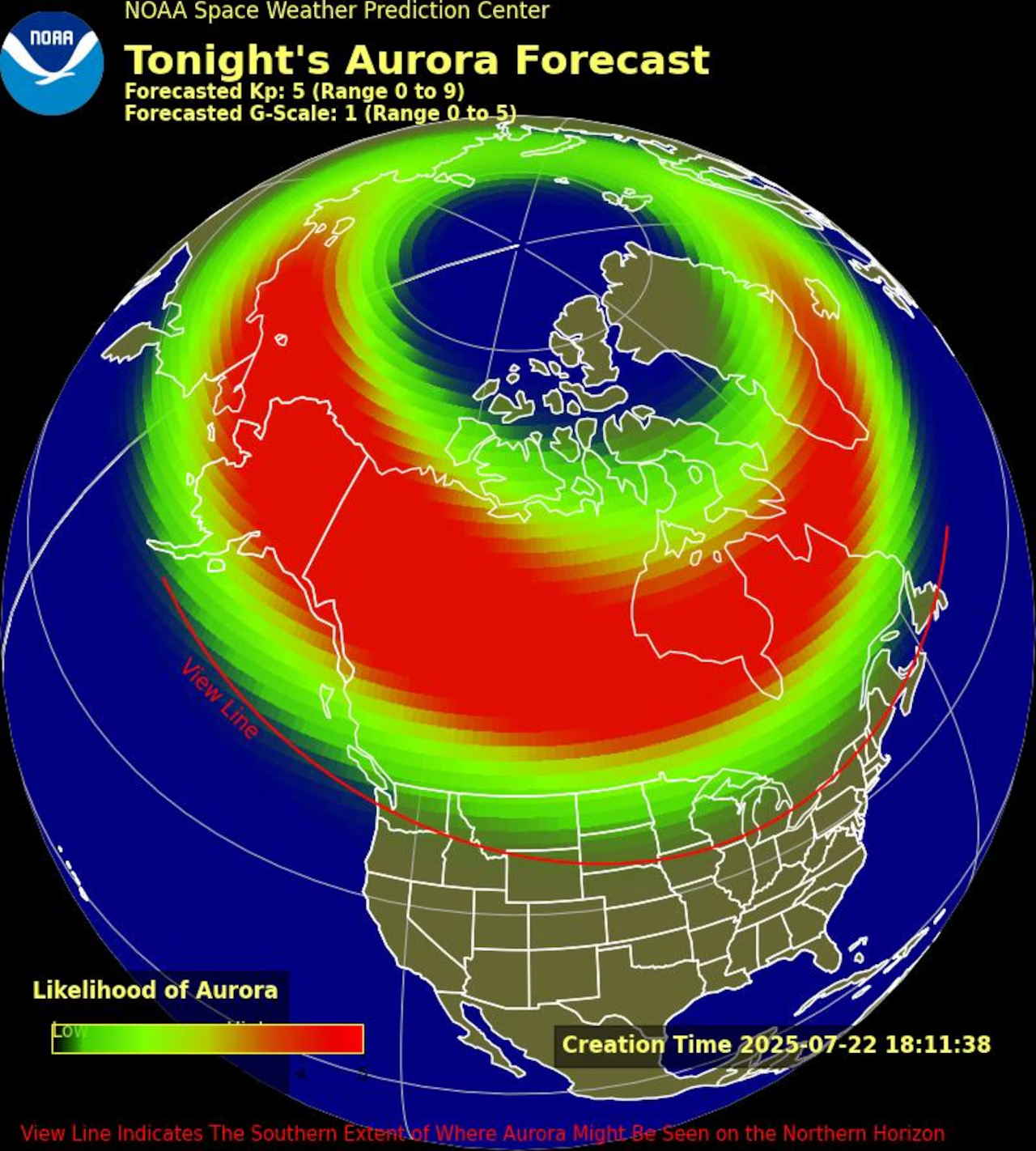
Some northern parts of the United States and Alaska could see the northern lights on July 22, 2025, due to increased solar activity during solar cycle 25, with visibility extending further south than usual. To see the auroras, viewers should avoid light pollution and check the latest forecasts.
The northern lights may be visible across more than 20 U.S. states, including Oregon, this weekend due to increased solar activity during solar cycle 25, with the best viewing conditions expected on Sunday night in clear skies.
A map shows that on May 27, 2025, the northern lights will be visible in 16 U.S. states, including Oregon, due to solar activity during solar cycle 25, with clear weather expected in parts of the Pacific Northwest.
A geomagnetic storm watch has been issued for Monday and Tuesday after a solar eruption, potentially bringing the northern lights to several states. The eruption, known as a coronal mass ejection, could lead to auroras visible across states along the Canadian border. The impending storm is forecasted as a G2 moderate storm, with Alaska and Canada having the greatest odds of seeing the northern lights. This event is part of Solar Cycle 25, an 11-year period that can bring geomagnetic storms and auroras to Earth.
NOAA has issued a Geomagnetic Storm Watch for increased solar activity, which could result in a display of the Northern Lights. Multiple coronal mass ejections from the Sun are expected to cause minor to moderate geomagnetic storm conditions, potentially reaching a level of 6 on the Kp index scale. The event could make the Northern Lights visible in cities such as Chicago, Detroit, Green Bay, and Des Moines. However, power grids, spacecraft, and communication equipment may be impacted, and electric transformer damage and radio signal fading are possible. Solar activity is on the rise as Solar Cycle 25 reaches its expected peak in 2024.
NOAA's Space Weather Prediction Center has issued a Geomagnetic Storm Watch for increased solar activity, warning of a potential display of the Northern Lights across the United States. Multiple coronal mass ejections from the Sun are expected to cause minor to moderate geomagnetic storm conditions, with the event potentially reaching a level 6 on the Kp index scale. Previous events of this magnitude have resulted in the Northern Lights being visible from Seattle to Buffalo, and if underestimated, even cities like Chicago and Detroit could witness the light show. However, the geomagnetic storm also poses risks to power grids, spacecraft, and communication equipment. Solar activity is on the rise as Solar Cycle 25 approaches its expected peak in 2024.
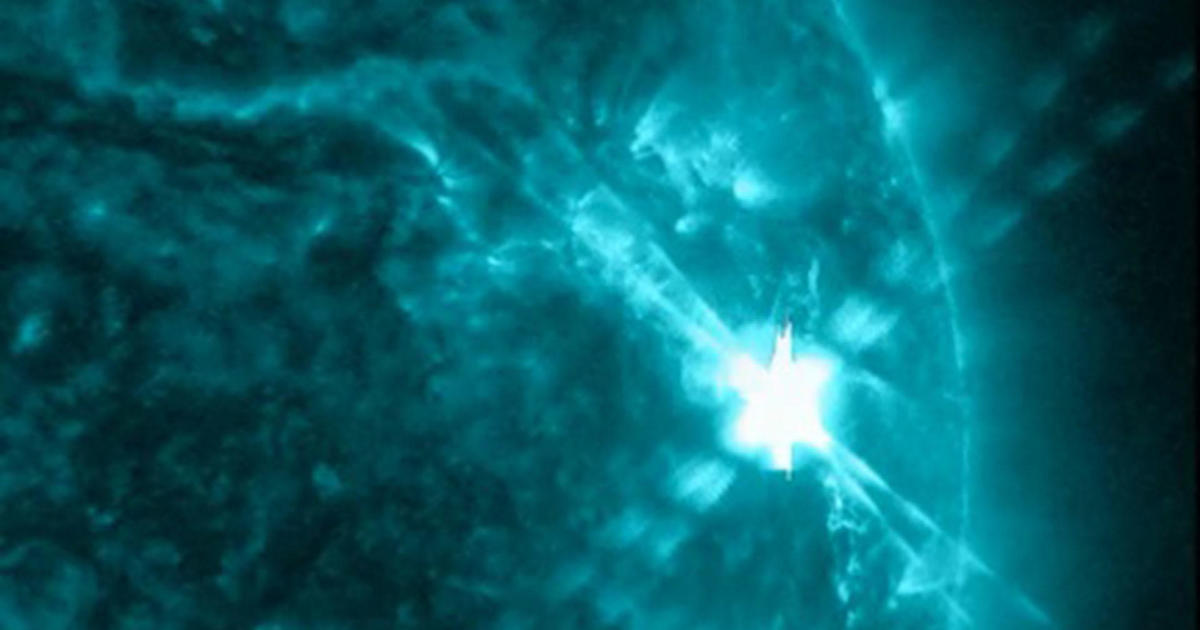
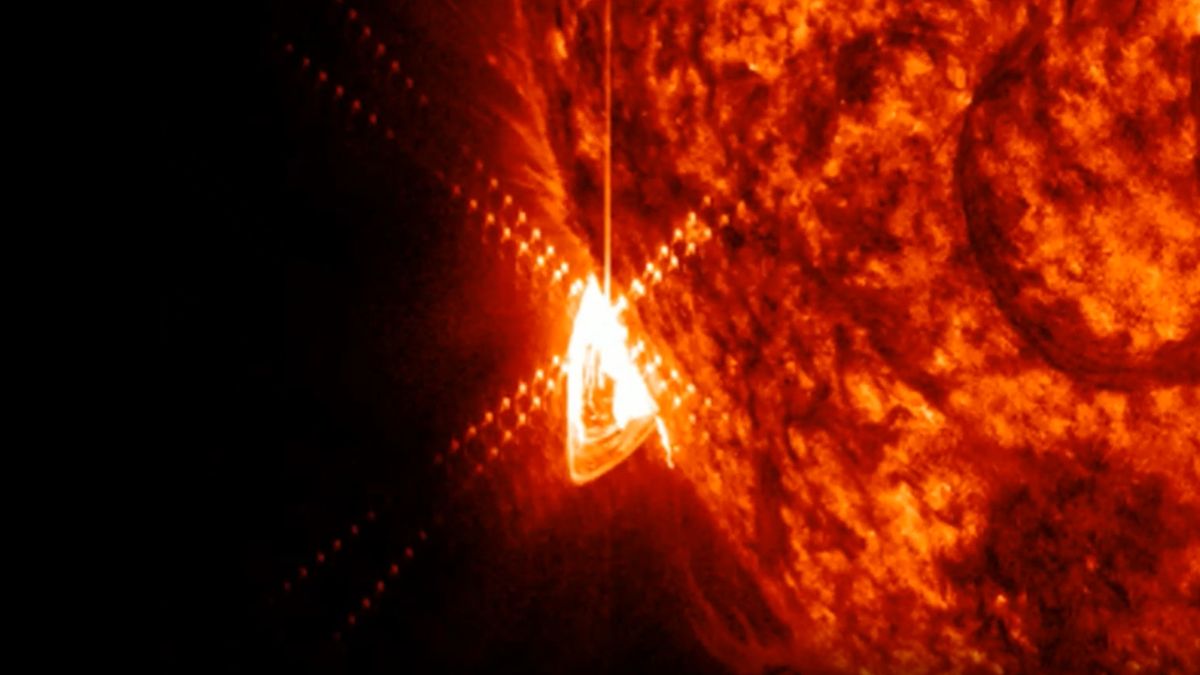
A massive X2.8 solar flare erupted from the sun, marking the strongest flare of Solar Cycle 25 and potentially the most powerful since 2017. While it is still uncertain, there is a high chance that a few days from now, the aurora borealis (northern lights) may be visible as far south as New England. The flare's impact on radio communications, power grids, and spacecraft is still being determined.
NOAA's Space Weather Prediction Center has issued a new forecast stating that Solar Cycle 25 is expected to peak between January and October 2024, with an increase in sunspots. This revised forecast suggests that the solar activity will be stronger than previously predicted. Solar activity influences space weather, impacting Earth's weather patterns and spacecraft in near Earth orbit. The increase in solar activity could lead to more aurora sightings on Earth and potential disruptions to communication and electrical grids during solar storms.
NOAA's Space Weather Prediction Center (SWPC) has issued a revised prediction for Solar Cycle 25, stating that solar activity will increase more quickly and peak at a higher level than previously predicted. The updated forecast calls for Solar Cycle 25 to peak between January and October 2024, with a maximum sunspot number between 137 and 173. This new experimental forecast will be continuously updated on a monthly basis, providing more accurate predictions for space weather events that can impact critical technologies and services.
Solar activity is increasing faster than predicted, leading to concerns about a potential "internet apocalypse" caused by solar storms. While extreme space weather events can disrupt global internet connectivity, such events are rare and occur once every few centuries. Solar Cycle 25, which began in 2019, has shown higher activity than initially forecasted, but it is still expected to be average compared to previous cycles. The biggest solar storm ever observed, the Carrington Event in 1859, caused widespread disruptions to telegraph systems. Efforts are underway to better understand and predict space weather, including NASA's Parker Solar Probe mission.
Solar Cycle 25 has produced more sunspots and eruptions than predicted, leading to increased activity on the Sun. This cycle is expected to be average compared to previous ones. Notable events include the appearance of sunspot pairs in December 2019, the largest group of sunspots in November 2020, the first severe geomagnetic storm in November 2021, and the largest solar flare in April 2022. The Sun unleashed the fastest and most energetic CME yet in March 2023, causing a minor radiation storm on Earth. The Space Weather Prediction Center issues alerts and watches for space weather storms.
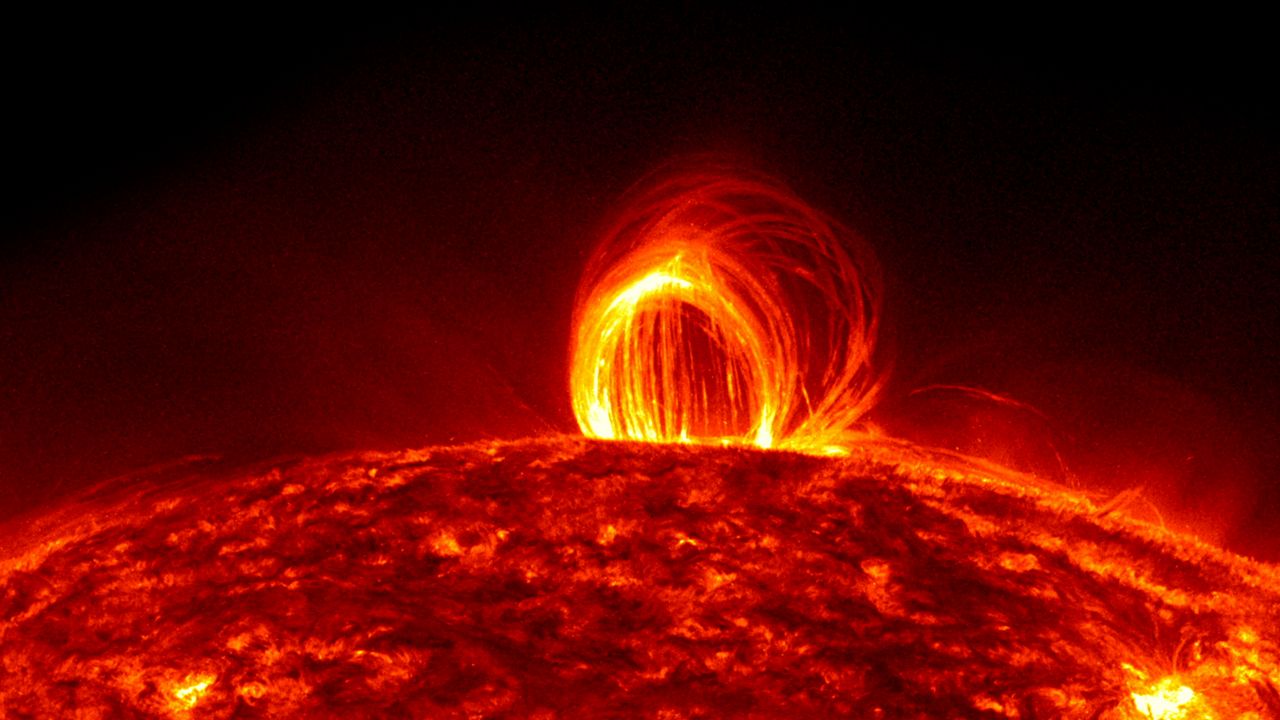
A powerful M9.6 class solar flare erupted from a hidden sunspot behind the sun's southeast limb, causing moderate radio blackouts over parts of North America, Central America, and South America. The sunspot will soon come into Earth-view and be directly facing us by the weekend. Solar flares are caused by magnetic energy buildup in the solar atmosphere and are categorized by size into lettered groups, with X-class being the most powerful. Solar activity is on the rise as part of solar cycle 25, which scientists predict will peak in 2025.
Due to ongoing solar activity, the northern lights may be more common in the coming months. Coronal mass ejections (CMEs) from the sun can create stunning auroras when they interact with oxygen and nitrogen in Earth's magnetic fields. Solar Cycle 25, which began in December 2019, will cause space weather and more CMEs, leading to more chances to see the northern lights. NOAA offers single-day and next-day forecasts for potential northern light viewing, with Alaska and Canada having the most frequent opportunities to see the auroras.
Due to ongoing solar activity, the northern lights may be more common in the coming months, with recent aurora borealis events only viewable to the upper portions of the US. Solar Cycle 25, which began in December 2019, is expected to reach its most active point in mid-2024, leading to more chances to see the northern lights. Coronal mass ejections (CMEs) from the sun can create stunning shows in the night sky, and NOAA offers single-day and next-day forecasts for potential northern light viewing.