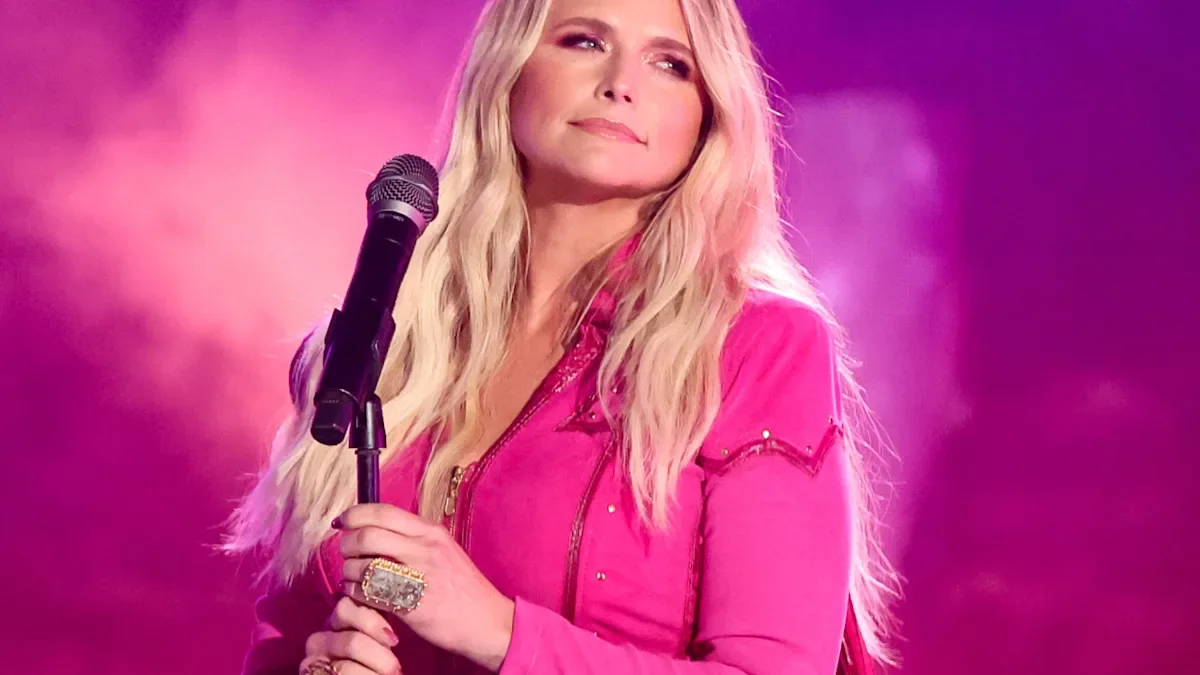
Country singer Miranda Lambert mourns the loss of her beloved Chihuahua Cher, sharing heartfelt memories and receiving support from fans, highlighting her deep love for rescue animals and the emotional toll of losing pets.
Research indicates that controllable lifestyle factors such as managing stress, getting quality sleep, maintaining a healthy weight, and fostering social connections can help keep the brain younger, with MRI-based estimates showing brains of individuals practicing these habits appearing up to 8 years younger and aging more slowly over time.
A University of Florida study found that positive lifestyle factors such as optimism, good sleep, social support, and healthy habits can make the brain appear years younger and slow its aging process, even among those with chronic pain.
The article outlines seven psychology-backed habits for people without a romantic partner to build emotional steadiness and resilience, including diversifying social support, regulating mood through movement and sleep, practicing self-compassion, expressive writing, reappraisal of emotions, seeking help proactively, and anchoring life in purpose and contribution. These habits help create a supportive, balanced life and foster inner strength over time.
A study reveals that ancient Patagonian hunter-gatherers cared for injured members, with evidence of social support systems for severe injuries, challenging assumptions about mobility and caregiving in non-sedentary societies.
A systematic review published in BMC Psychiatry by Sarah Ikhtabi and colleagues found a significant correlation between personality disorders, particularly Emotionally Unstable Personality Disorder and Avoidant Personality Disorder traits, and increased levels of loneliness and deficits in perceived social support. The research also highlighted a complex association between narcissistic personality traits and loneliness/perceived social support deficits. However, the review noted a lack of longitudinal studies to definitively understand the causality of these relationships, acknowledging the low certainty of the current evidence base due to methodological limitations.
New CDC data shows that adults living alone are more likely to report feeling depressed than those living with others, with the importance of feeling supported being a key takeaway. The study found that depression was greatest for those who lack social and emotional support, and noted that loneliness and social isolation are not synonymous with living alone. The report suggests simple ways to support those living alone and at risk of depression, while also encouraging individuals to ask for help and expand their social circle if needed.
A new study by the CDC's National Center for Health Statistics reveals that Americans living alone are more likely to report feelings of depression compared to those living with others, particularly if they lack social and emotional support. The study, based on 2021 data, highlights the importance of feeling supported for overall health and well-being. With the surge in single-person households in the U.S., the findings underscore the significance of addressing social isolation and loneliness as public health concerns, with healthcare providers urged to inquire about patients' social support and prescribe ways to foster social interaction and emotional support.
A new CDC study reveals that discrimination, lack of access to preventative HIV medication, homelessness, and employment discrimination are the main causes behind the disproportionately high rates of HIV among transgender women. The study found that 42% of surveyed transgender women tested positive for HIV, with Black trans women being the most affected. Factors such as homelessness, lack of access to gender-affirming care, and experiences of gender-based violence were linked to increased risk behaviors. The report emphasizes the need for integrated services including housing, behavioral health, employment, and gender-affirming medical care to improve the living circumstances and quality of life for transgender women.
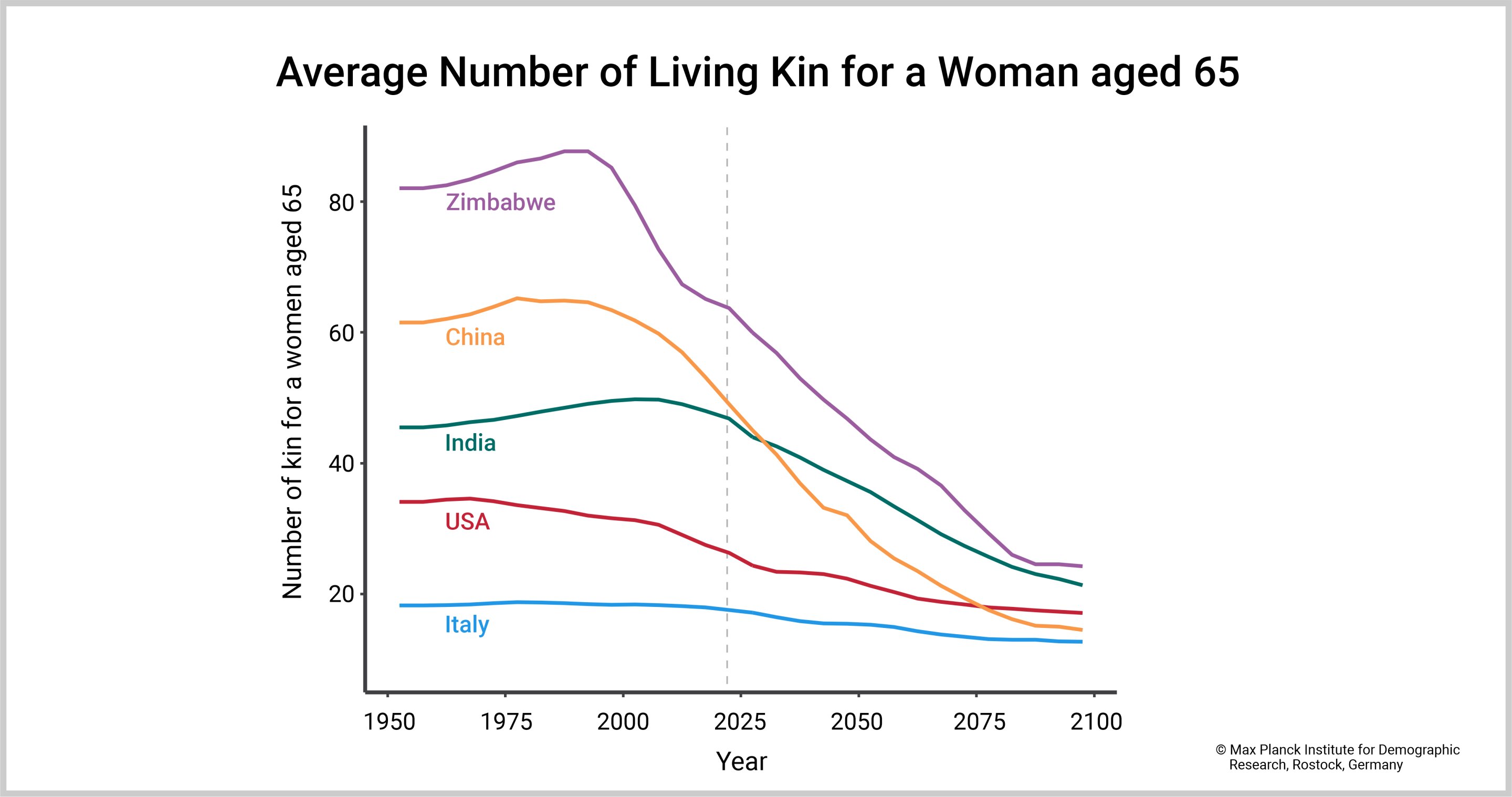
A study predicts a significant decrease in the number of relatives individuals will have in the future, with a projected 35% decline in kinship. The structure of families is expected to change, with a decrease in cousins, nieces, nephews, and grandchildren, and an increase in great-grandparents and grandparents. This shift poses challenges for informal care provision, especially in the context of aging populations, highlighting the need for investment in social support systems to ensure the well-being of individuals at all stages of life.
A study followed 14 individuals with long COVID, or "long haulers," for three months to understand their experiences. Participants faced a range of symptoms and psychological challenges, often feeling isolated and unsupported. Those with high agency and social support reported better experiences managing long COVID. Agency improved when individuals felt in control of their situation, sought information, followed treatment plans, and engaged in advocacy. Social support from friends, family, and online communities played a crucial role in providing assistance and reducing the burden on individuals. Low agency and low social support resulted in the worst experiences. Health-care professionals should tailor support based on an individual's agency and social support, providing educational materials and connecting them with support groups or counseling.
A study published in Psychology of Sexual Orientation and Gender Diversity explores the mental health challenges faced by drag performers and the factors that contribute to their psychological resilience. While depression rates among drag performers are higher than the general population, the study highlights the importance of social support and creativity in promoting resilience. The research reveals that drag performers with higher levels of social support and creative achievement experience lower levels of depression. Additionally, the study suggests that building psychological resilience could be crucial for improving mental health in this community. However, the study's findings are limited to a single point in time, and further research is needed to establish causal connections and explore the broader impact of drag performance.
A study comparing the dreams of forager communities in Tanzania and the Democratic Republic of Congo with those of Western individuals reveals that cultural environments heavily influence dream functions. The dreams of the forager communities often depict threatening scenarios but end with a resolution, highlighting the importance of social support and community bonds. In contrast, dreams in Western populations lack a cathartic emotional resolution. The study suggests that there is a close connection between the function of dreams and the societal norms and values of each specific society studied. However, the exact causal relationship between dreams and daytime functioning remains unclear.
Breast cancer support groups provide a safe and judgment-free space for patients and survivors to connect with others who understand their emotional experience. These communities offer social support, which can reduce emotional distress and provide a sense of belonging. Support groups can help patients navigate the physical and emotional challenges of breast cancer, such as treatment side effects, body image issues, and fear of recurrence. Online resources and local advocacy groups can help individuals find breast cancer support groups in their area.
Research suggests a possible link between high altitude and increased risk of depression, anxiety, and suicidal thoughts. Athletes and professionals acknowledge the potential connection but caution against attributing mental health symptoms solely to living or training at high altitudes, as other factors like sleep deprivation, physical adaptation, and social isolation may also play a significant role. More research is needed to determine the extent of altitude's impact on mental health. In the meantime, individuals living at high altitudes can prioritize seeking social connections, taking care of themselves physically and mentally, and maintaining a growth mindset and positive self-talk. Mental health is a complex interplay of factors, and while altitude may play a role, there are many other aspects individuals can control to enhance their mental well-being.