
health-lgbtq8.53 min read
Trans Woman, 24, Shares Journey of Correcting Male Puberty with Blockers
1 year ago•Source: Daily Mail

The latest health lgbtq stories, summarized by AI

The Crane Center for Transgender Surgery in Texas has been performing unconventional genital surgeries, including giving patients a penis and vagina or completely removing their sex organs, leading to criticism from experts who describe the procedures as dangerous. The center's director, Dr. Curtis Crane, has been involved in at least eight lawsuits from 2017 to 2019 in California, with former patients alleging incorrect and unnecessary surgeries. The surgeries, which cost between $10,000 and $70,000, have sparked debate among LGBTQ groups and opponents about the benefits and risks of gender-affirming treatment.

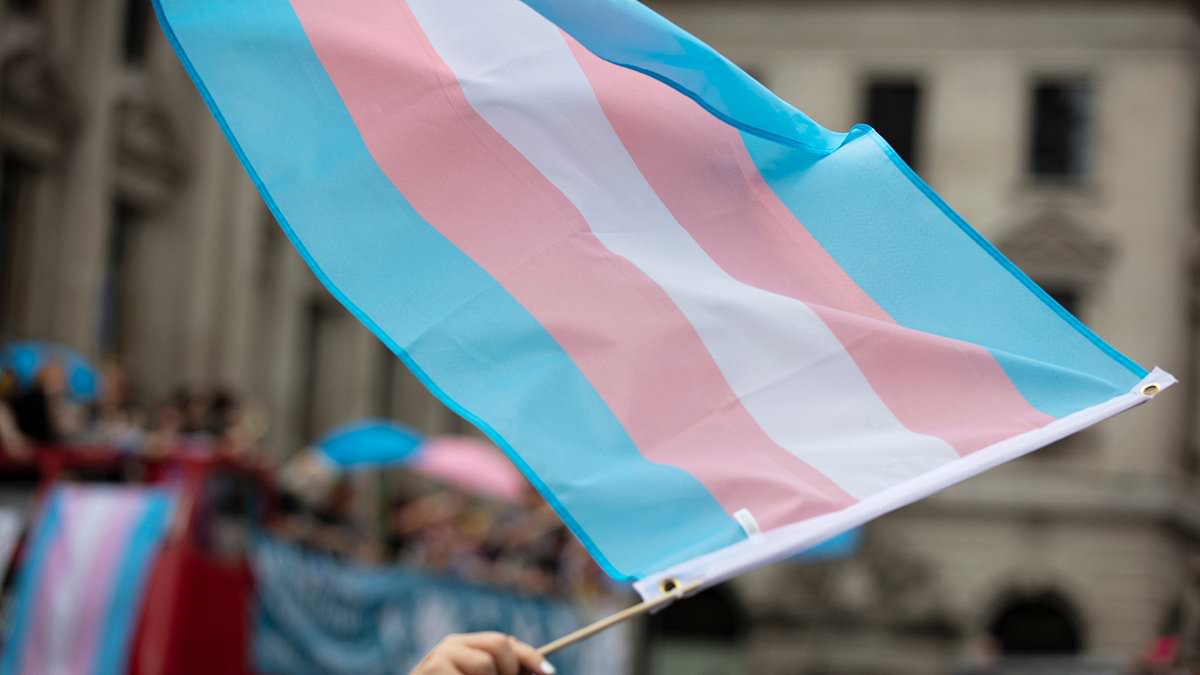
A study by the University of Manchester found that one in six transgender individuals suffer from long-term mental health issues, such as depression and anxiety, compared to one in ten in the general population. The lack of NHS gender services and difficulties in communicating with healthcare staff were identified as contributing factors. However, some critics question the reliability of the study's data and its use of ideological language, while the NHS emphasizes mental health as a priority and has opened new Adult Gender Dysphoria Clinics to reduce waiting times.

A new CDC study reveals that discrimination, lack of access to preventative HIV medication, homelessness, and employment discrimination are the main causes behind the disproportionately high rates of HIV among transgender women. The study found that 42% of surveyed transgender women tested positive for HIV, with Black trans women being the most affected. Factors such as homelessness, lack of access to gender-affirming care, and experiences of gender-based violence were linked to increased risk behaviors. The report emphasizes the need for integrated services including housing, behavioral health, employment, and gender-affirming medical care to improve the living circumstances and quality of life for transgender women.

A new CDC report reveals that transgender women have a disproportionately high rate of HIV infections due to discrimination, lack of access to preventative HIV medication, homelessness, and employment discrimination. The report found that 42% of U.S. transgender women surveyed tested positive for HIV, with Black trans women being the most affected. Factors such as homelessness, unemployment, gender-based violence, and lack of access to gender-affirming care contribute to the higher risk. The report emphasizes the need for integrating housing services, behavioral health services, employment, gender-affirming medical care, and clinical care to improve the living circumstances and quality of life for transgender women.
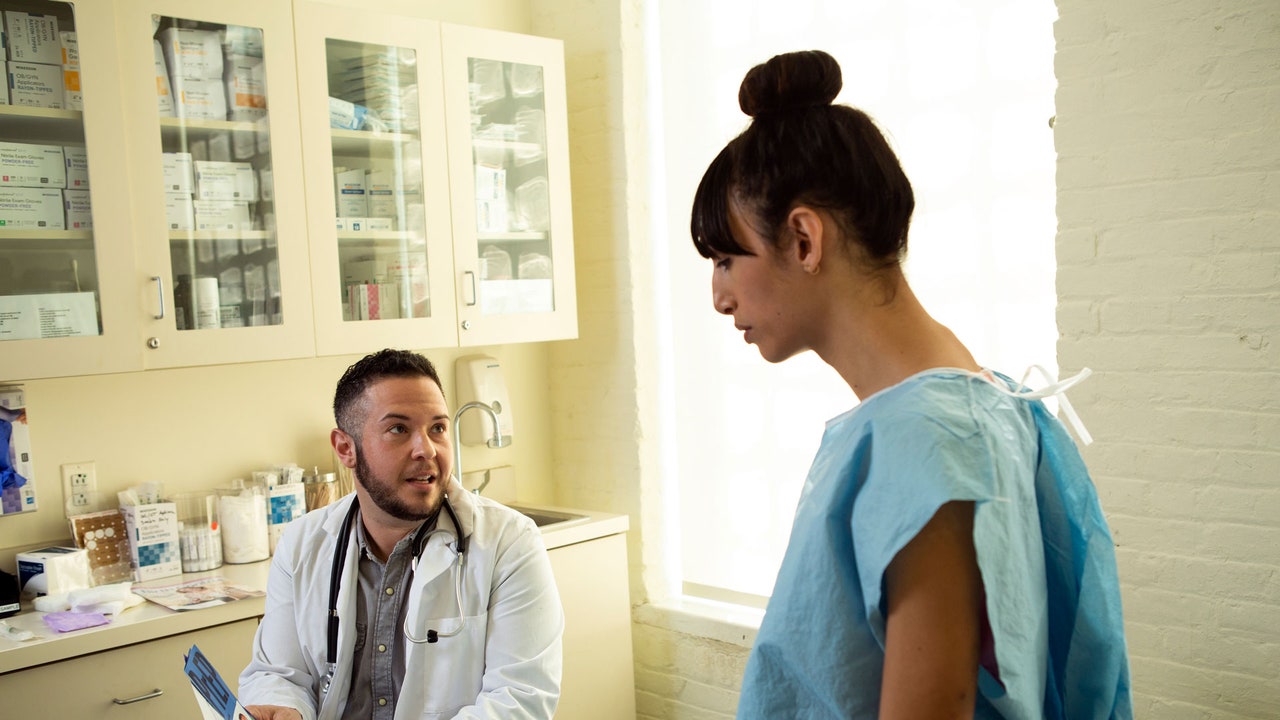
A new CDC report highlights the urgent need for better healthcare access and HIV prevention for transgender women, citing employment and housing discrimination as major barriers. The study found a correlation between anti-trans discrimination and lack of access to healthcare, leading to increased risk of HIV contraction. The report recommends expanding Medicaid to cover gender-affirming care and decriminalizing sex work to reduce negative health outcomes for transgender women.

Half of the World Health Organization's transgender health policy committee members lack medical backgrounds, with most being gender activists. Controversial views on puberty blockers and transitioning have sparked concerns about a potential "trans bias" influencing the WHO's influential recommendations. The panel's composition, including activists, lawyers, and a few medical doctors, has raised questions about conflicts of interest and the balance of perspectives. The guidelines being formulated will shape how countries treat gender dysphoria, with some advocating for controversial treatments for children as young as 13.