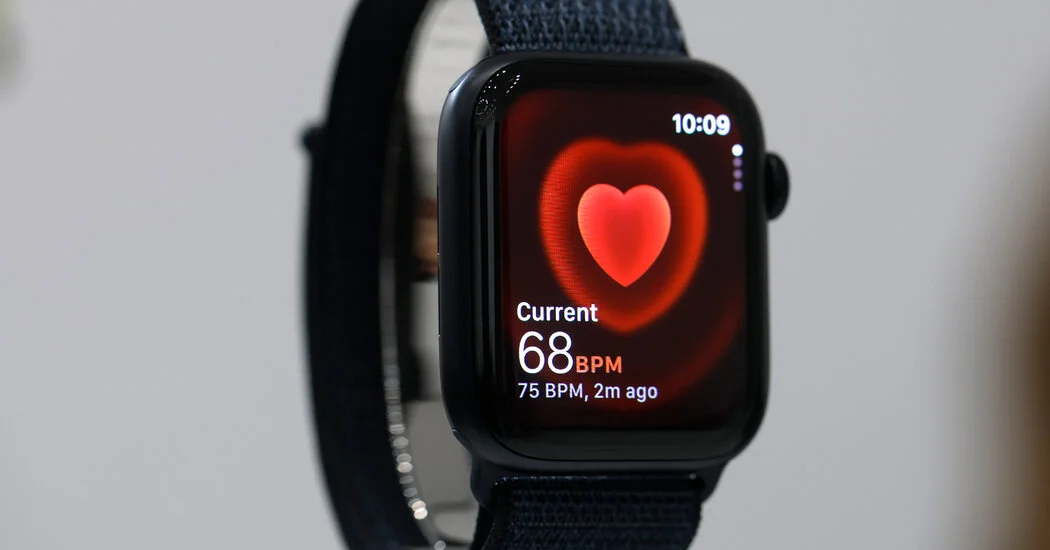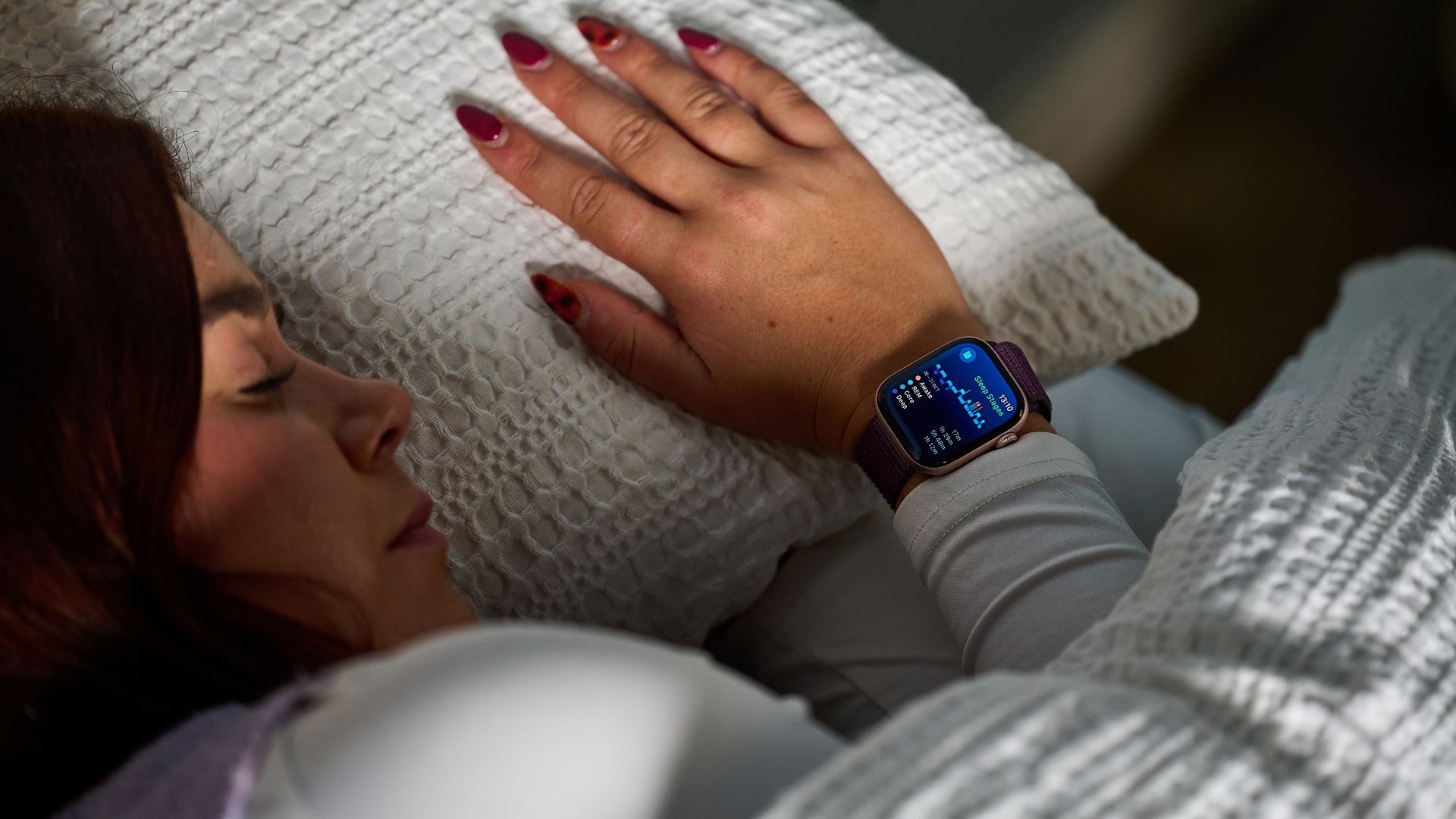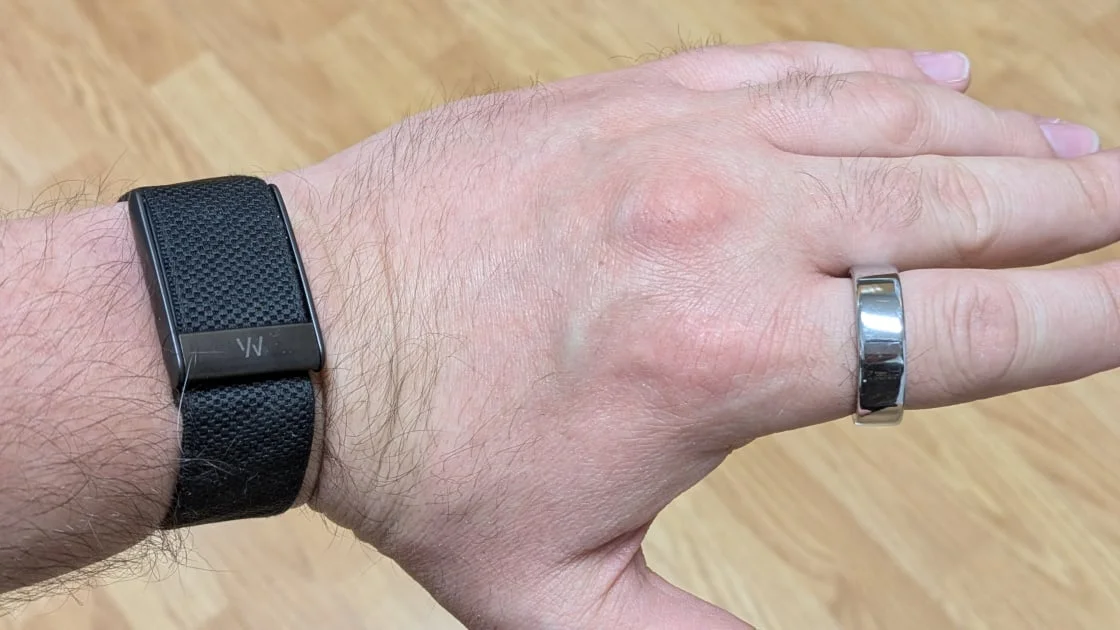
The article explains how to effectively use smartwatches like Apple, Garmin, Oura, and Whoop to track and improve sleep quality by maintaining consistent habits, understanding sleep data, and making lifestyle adjustments, emphasizing the importance of trusting your body and focusing on sleep trends rather than just numbers.
The article offers practical tips for using Apple devices to establish healthy habits in 2026, including sleep tracking with Apple Watch, reducing mental clutter by managing apps and notifications, going paperless, organizing digital files and emails, reviewing backup strategies, managing subscriptions, and enhancing privacy settings, all aimed at making daily life more organized and health-conscious.
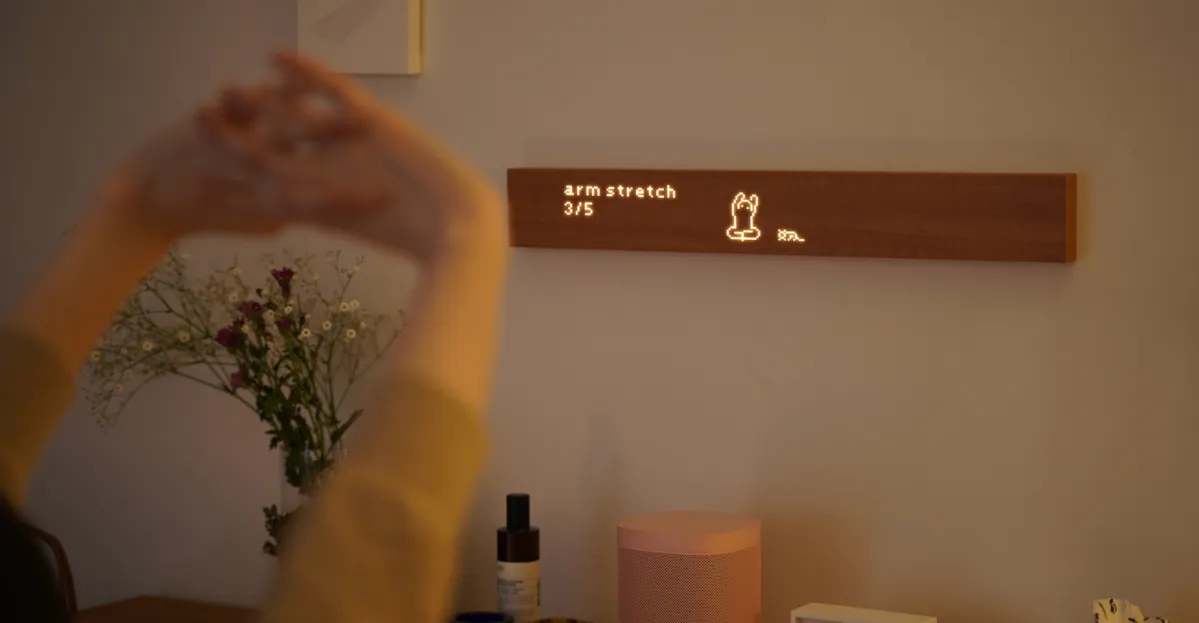
The Mui Board Gen 2 will feature mmWave sensors for sleep tracking and gesture control, allowing it to monitor sleep without wearables and be controlled remotely through gestures, with support rolling out later this year.
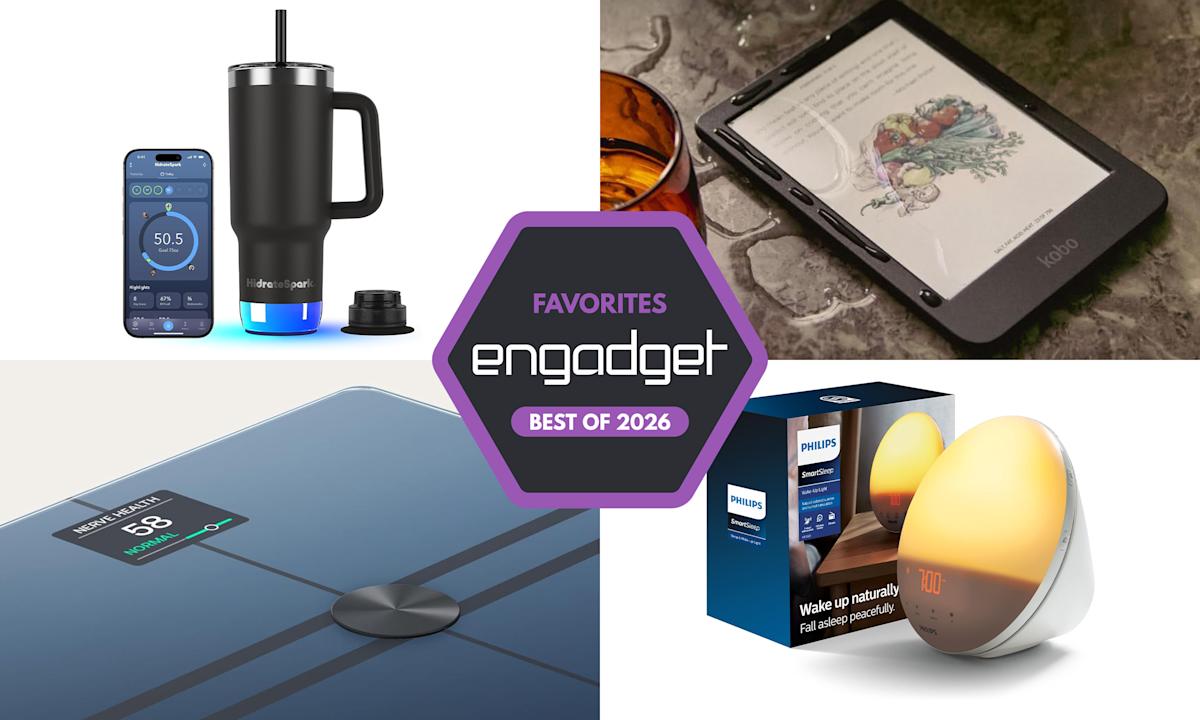
This article recommends various tech gadgets and tools, such as earbuds, smart scales, hydration reminders, fitness trackers, and organizational devices, to help individuals stick to their New Year's resolutions by making healthy habits more achievable and enjoyable.
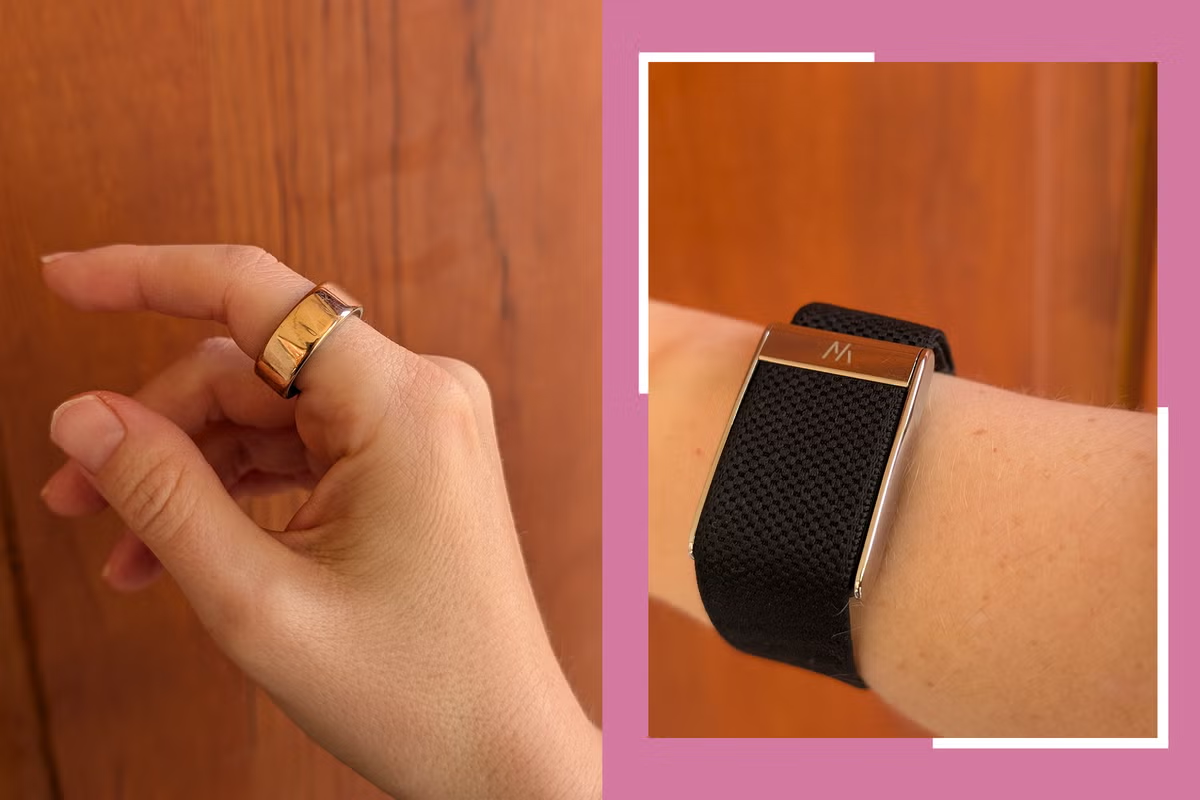
The article compares the Whoop and Oura Ring fitness trackers, highlighting their design, data accuracy, and user experience. The Oura Ring offers elegant design and gentle coaching, excelling in sleep tracking, while Whoop provides detailed metrics and a more intense, data-driven approach. The choice depends on personal preferences for wear location, level of data detail, and coaching style.
Oura, a popular sleep-tracking ring favored by celebrities and CEOs, aims to stay ahead of competitors like Apple and Google by expanding device connectivity, leveraging smartphone integration, and enhancing software with AI. Despite rising competition and the high cost of its device, Oura emphasizes trust, independence, and innovative partnerships to maintain its market position and explore new health monitoring possibilities, including integration with medical data and personalized health insights.
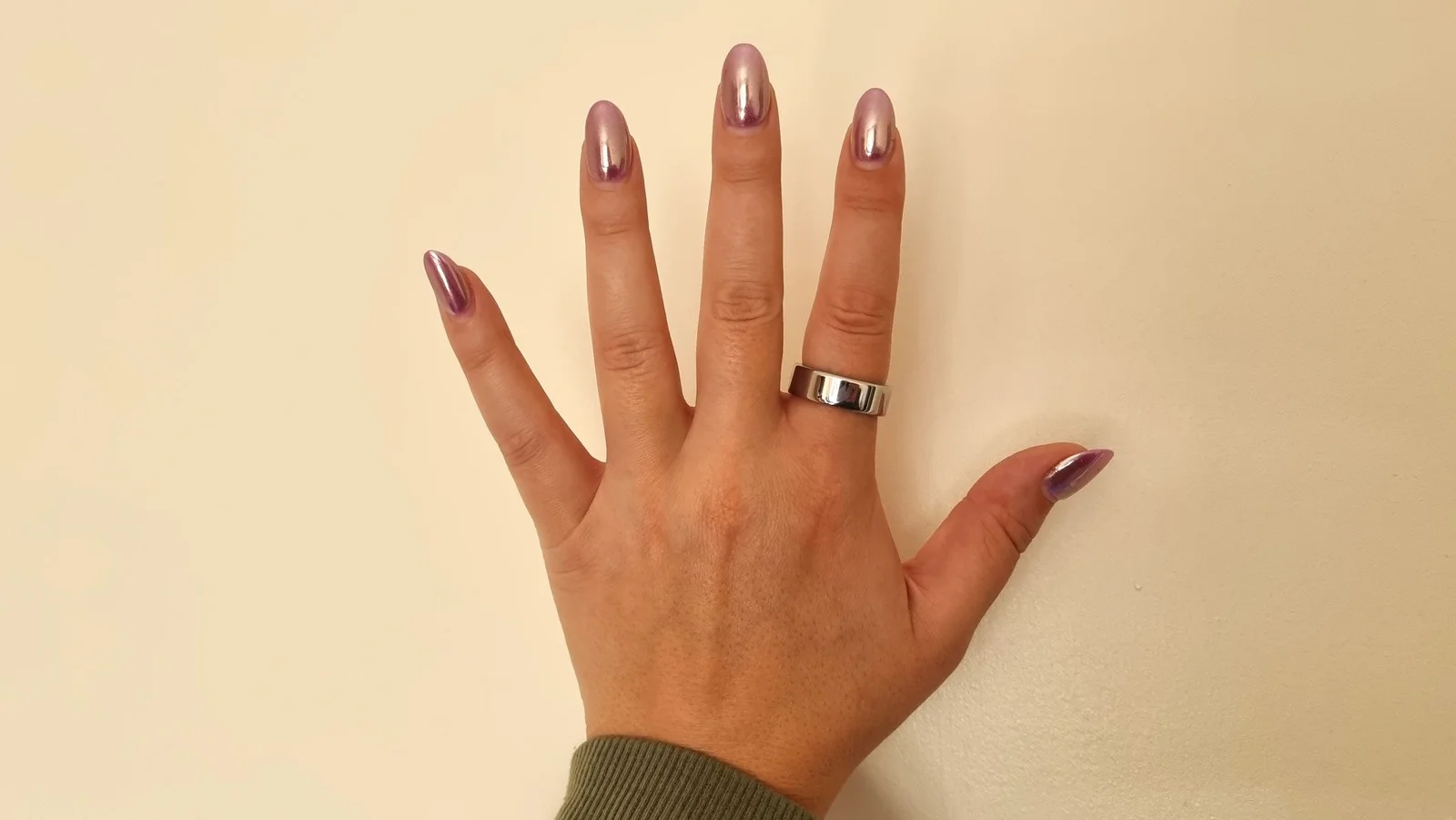
After four months of testing, the Oura Ring Gen 4 is considered the best smart ring for accuracy and durability, especially for sleep and stress tracking, but its bulky design and high cost, including a subscription fee, may deter some users.
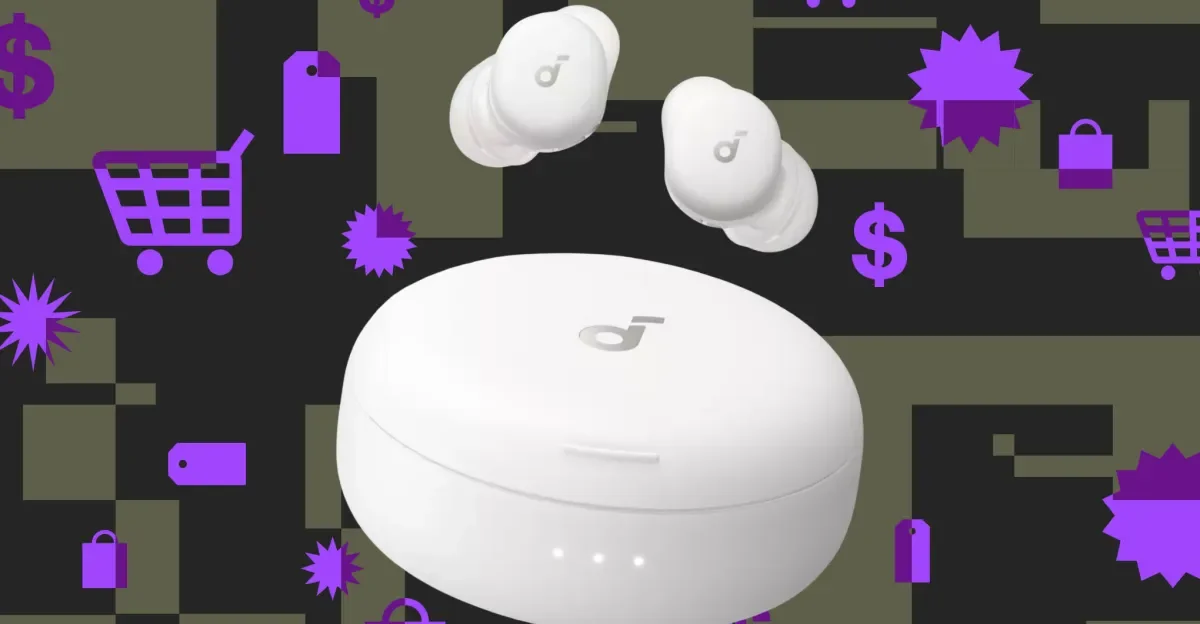
Anker's Soundcore Sleep A30 noise-canceling sleep earbuds are on sale for $193.99, nearly $40 off, offering active noise cancellation, adaptive masking, and sleep tracking features, making them a good choice for light sleepers and side sleepers alike.
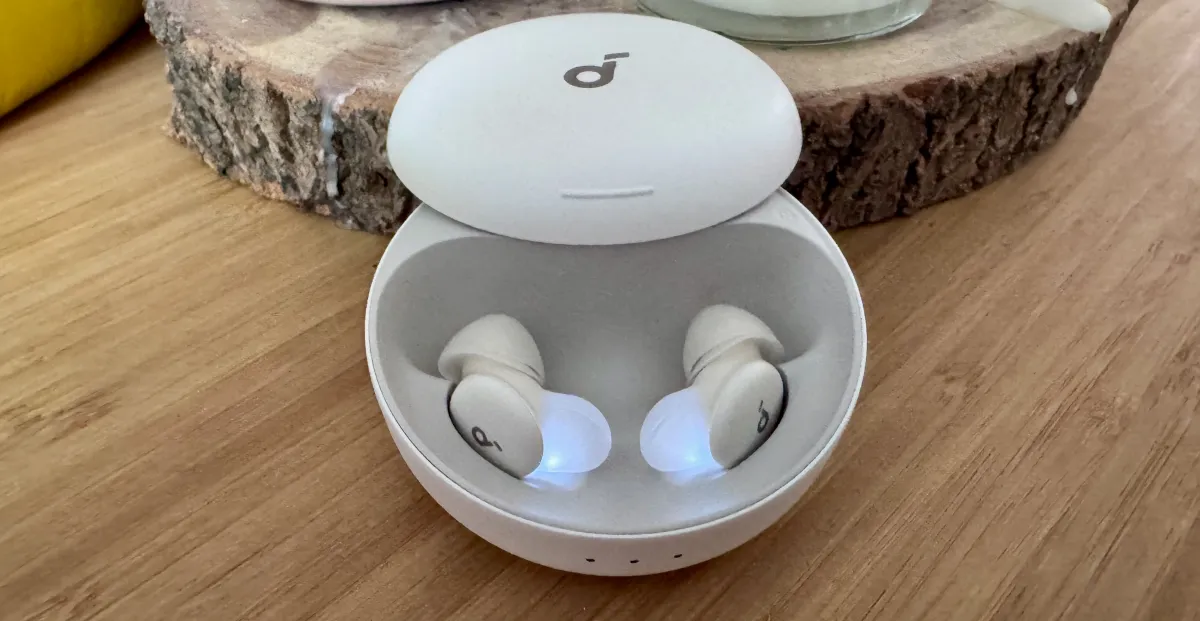
Anker's Soundcore Sleep A30 sleep buds feature active noise cancellation and adaptive masking to reduce snoring noise, with improvements in size and comfort for side sleepers. While effective at blocking light to moderate snoring, they have some drawbacks like limited battery life when streaming, unreliable touch controls, and no wireless charging. The buds also include sleep tracking and soundscape features, but their accuracy and usefulness vary. Overall, they are a significant upgrade for those needing snore masking and comfort during sleep, especially for side sleepers, but come at a higher price and with some functional compromises.
Apple's new Apple Watch Ultra 3 and Series 11 models show improved battery life, but their estimates include six hours of sleep tracking, which was not factored in previous models. This means the actual active daytime battery life increase may be smaller than the official numbers suggest, although overall battery performance still benefits from the new features.
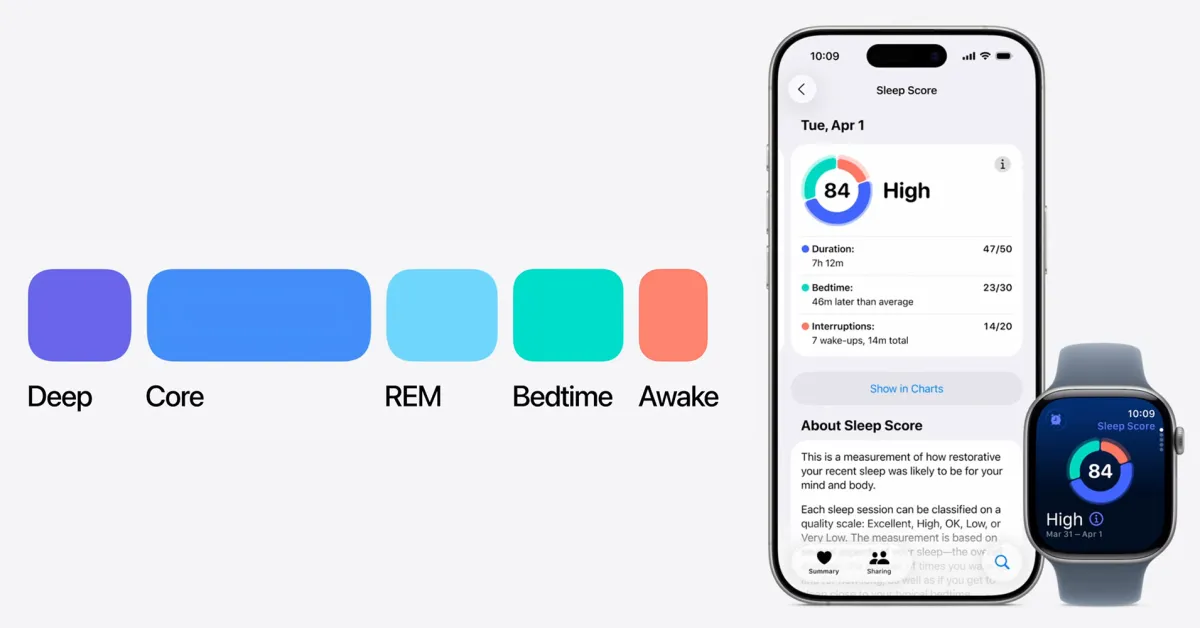
Apple's new Sleep Score feature, introduced at the 'Awe Dropping' event, is compatible with Apple Watch Series 6 and later, including SE (2nd generation) and all Ultra models, when paired with iPhone 11 or later running iOS 26. The feature assesses sleep quality based on various factors and is based on extensive sleep data and expert guidance. It is not exclusive to the latest models, making it accessible to a broader range of users with compatible devices.
A sleep researcher suggests that common habits like going to bed earlier, using screens before bed, and obsessing over sleep quality can worsen insomnia. Instead, maintaining a consistent wake time, using screens strategically, and reducing caffeine intake based on individual response are recommended to improve sleep. The article emphasizes that healthy sleep is flexible and that worrying less about sleep can help, as insomnia is common but treatable.
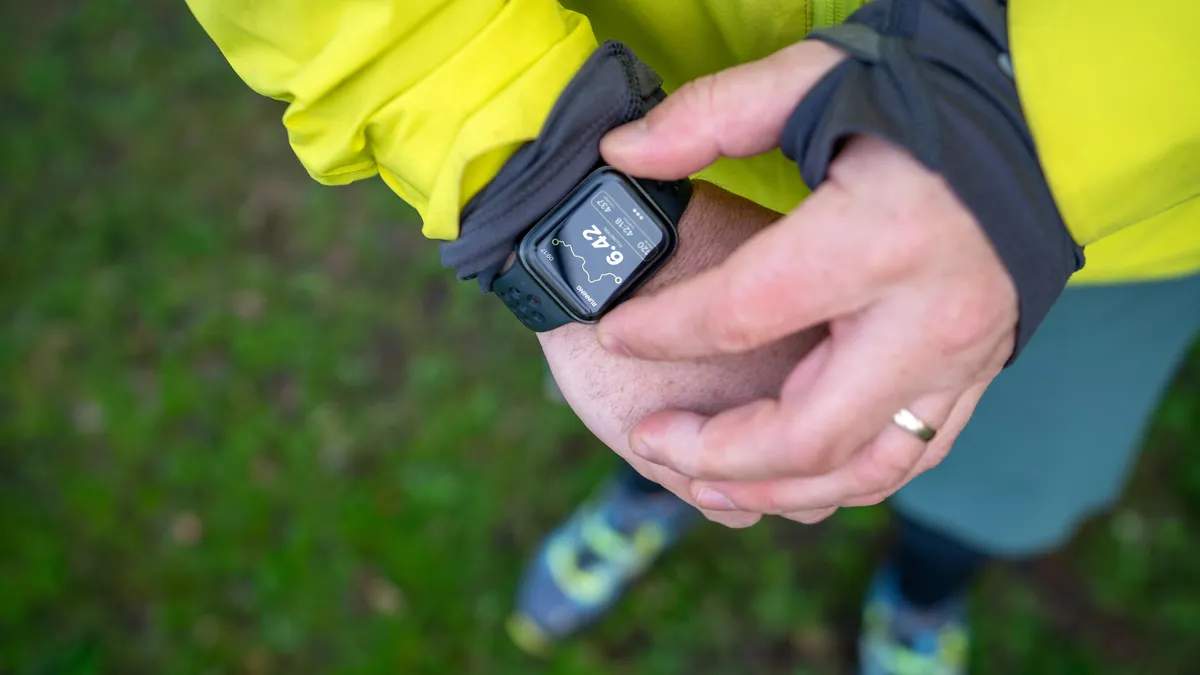
A study from Leiden University found that stress and fatigue readings from smartwatches like Garmin Vivosmart 4 are often inaccurate, with sleep tracking being relatively more reliable, highlighting limitations in current wearable sensor technology.
Samsung's Galaxy Watch8 series introduces advanced sensors that enable early detection of health issues like ectopic beats and vascular stress, while also providing insights into diet and sleep to promote healthier habits and preventative care.
This article offers practical health tips for a better week, including walking at least 7,000 steps, using emojis to boost social bonds, eating bulgur for heart health, switching to an electric toothbrush, simplifying shower routines, taking off sleep trackers at night, playing music to keep the brain sharp, and making healthier watermelonade instead of sugary drinks.