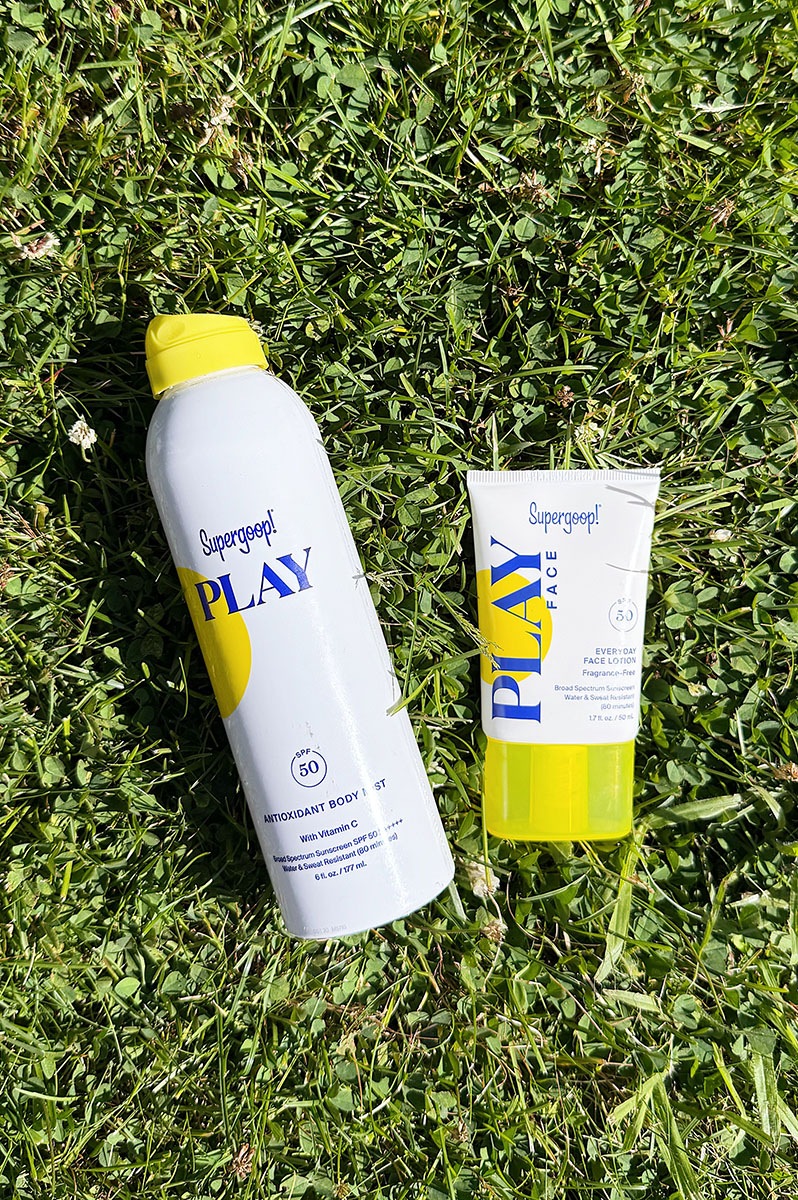
The author emphasizes the importance of daily sunscreen use for skin protection, sharing personal routines and struggles with societal beauty standards favoring tanned skin, and advocates for embracing natural skin tone while maintaining sun safety.
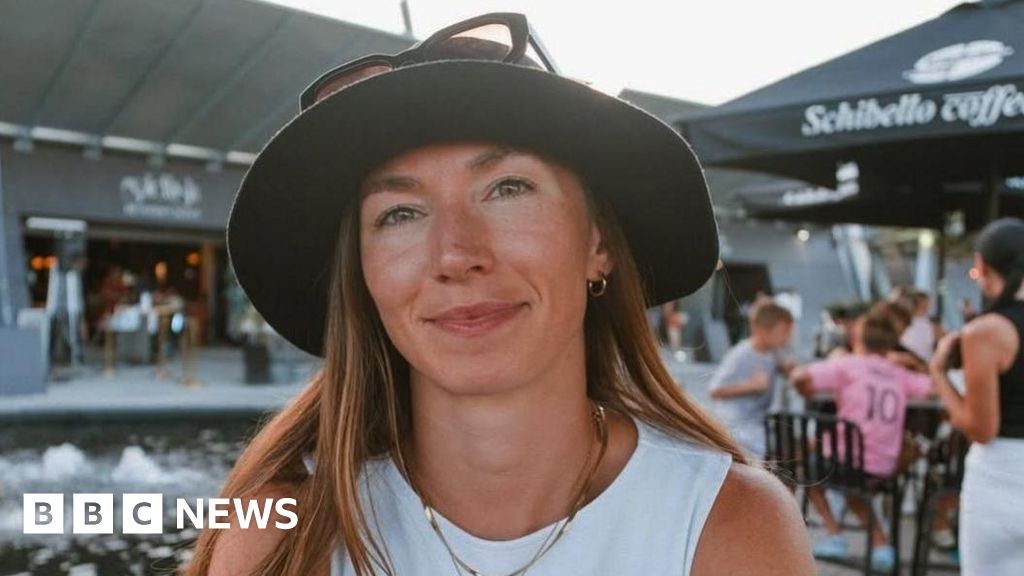
Guernsey's culture is less focused on sun safety compared to Australia, where government initiatives promote sun protection, leading to increased awareness and habits among residents. Islanders like Megan Chapple and others suggest that Guernsey could improve its sun-safe culture through more awareness and community efforts, especially given the risks of skin cancer. BBC Guernsey has launched a campaign to promote early detection and prevention.
The Virginia Poison Center warns that certain medications can increase skin sensitivity to UV rays and heat, leading to symptoms like nausea, dizziness, and skin rash, especially during hot weather. People are advised to use sunscreen, wear protective clothing, stay hydrated, and be aware of medication side effects to prevent heat exhaustion.
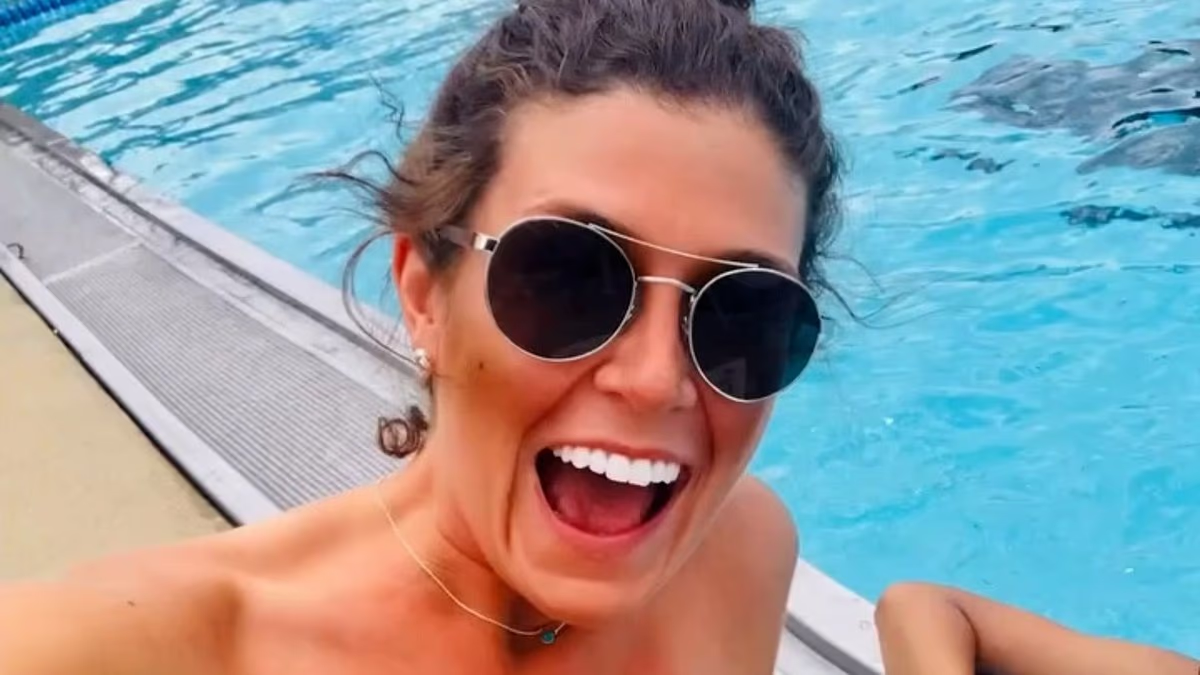
A woman shared her experience of suffering third-degree burns after 8 hours in the sun without sunscreen, highlighting the dangers of sun exposure and the importance of proper skin protection to prevent severe burns and skin damage.
The New York State health department warns residents, especially families with children, about the dangers of UV radiation and skin cancer, emphasizing the importance of using broad-spectrum sunscreen with at least SPF 15 or 30, reapplying every two hours, and checking expiration dates to stay protected during the sunny summer months.
A 26-year-old woman from Ohio discovered a seemingly harmless mole on her chest was actually melanoma, highlighting the importance of regular skin checks and sun protection to catch skin cancer early and prevent severe health consequences.
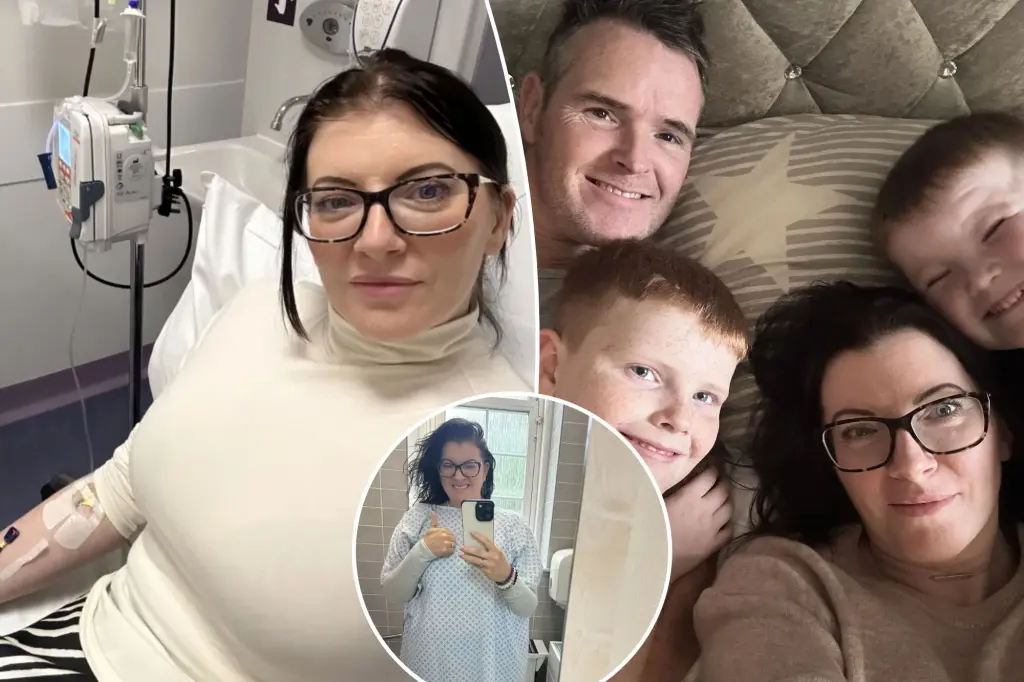
Claire Turner, a 43-year-old mother of three from Oxfordshire, England, is battling terminal stage four skin cancer, which she attributes to sunbed use and sunburns in her twenties. Diagnosed with cutaneous malignant melanoma that has spread to various parts of her body, Turner is now advocating for awareness about the dangers of UV exposure. Despite her condition, she continues to enjoy life with precautions, urging others to protect their skin and avoid sunbeds.
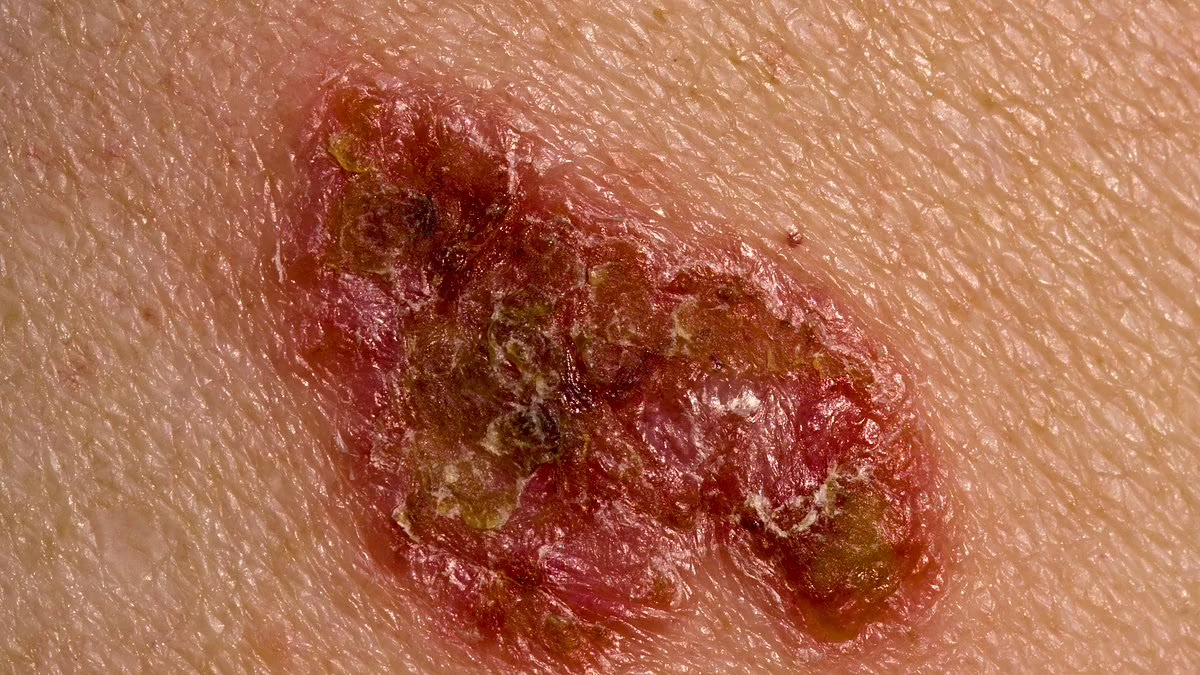
Dermatologists who have experienced skin cancer themselves share crucial warnings to help others detect and prevent the disease. Key points include the risk of skin cancer under nails, the dangers of indoor tanning, the importance of checking between toes, recognizing non-healing sores, understanding that not all melanomas follow typical signs, the potential for misdiagnosis with conditions like eczema, and the fact that skin cancer can affect all skin tones. Early detection and sun safety practices are emphasized as vital for prevention and treatment.
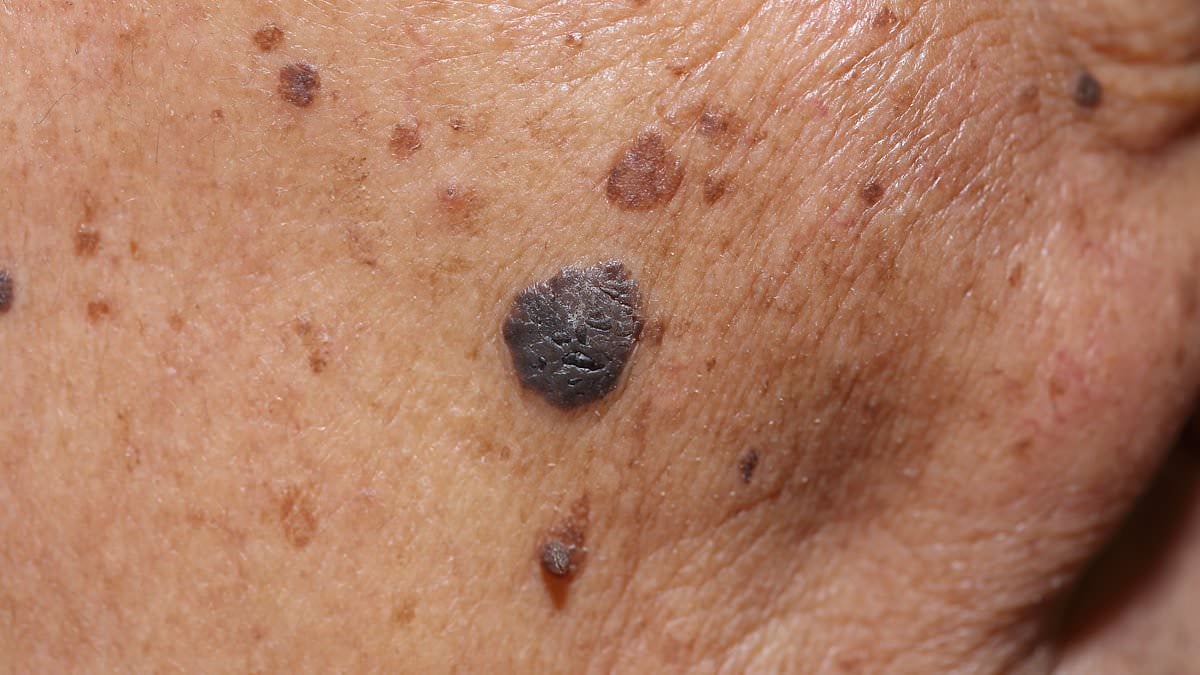
Experts are urging people to be vigilant about early signs of melanoma, a dangerous form of skin cancer, as rates are expected to hit a record high in the UK this summer. Key warning signs include asymmetrical moles, irregular borders, multiple colors within a mole, large moles, and evolving moles. Early detection is crucial for effective treatment, and preventive measures such as using sunscreen and avoiding excessive sun exposure are recommended.
Surveys reveal that many Gen Z individuals hold misconceptions about sunscreen and its role in preventing skin cancer, often influenced by misinformation on social media. Experts emphasize the importance of proper sun safety practices, as young adults are particularly vulnerable to UV damage from both tanning beds and direct sunlight.
NASA warns against using smartphones to directly photograph the solar eclipse without proper filters, as it could damage the phone's sensor. Instead, they advise capturing the impact of the eclipse on the surrounding landscape and people. The safest time to view the eclipse is during totality, and it's crucial to use eclipse glasses or proper filters when photographing the sun at any other time.
Non-melanoma skin cancers (NMSC), such as basal cell carcinoma and squamous cell carcinoma, are now responsible for the majority of skin cancer deaths, surpassing melanoma, according to a study by European dermatologists. NMSC accounted for over three-quarters of all skin cancer cases in 2020 and led to nearly 64,000 deaths, while melanoma caused about 57,000 deaths. The study also revealed that NMSC is often underreported, suggesting that the true impact of the disease may be even higher. It is important to be aware of the signs of skin cancer, as early detection and treatment are crucial. Skin cancer is the most common type of cancer in the US, and everyone, regardless of skin tone, should take precautions to protect themselves from the sun's harmful UV rays.
Skincare experts emphasize the importance of applying sunscreen correctly and frequently to protect against harmful UV rays. Reapply every two hours, especially when swimming or sweating, and use a minimum of SPF 15 for indoor exposure and SPF 30 or higher for extended outdoor exposure or fair skin. Allow sunscreen to dry for 15 to 30 minutes before sun exposure and apply enough to cover all exposed areas. Additionally, consider using wide-brimmed hats, protective clothing, and sunglasses with UV protection for added sun safety.
Anna McCartney, 43, who used sunbeds almost daily for years, was diagnosed with skin cancer after spotting a lump on her forehead in a selfie. Despite being sun safety conscious for the last 15 years, Anna says the damage had already been done to her skin after spending seven years regularly tanning using sunbeds. Now left with a visible scar on her face, Anna hopes to warn others about the negative effects of UV exposure and has even organised for her employees to undergo skin cancer safety training at work.
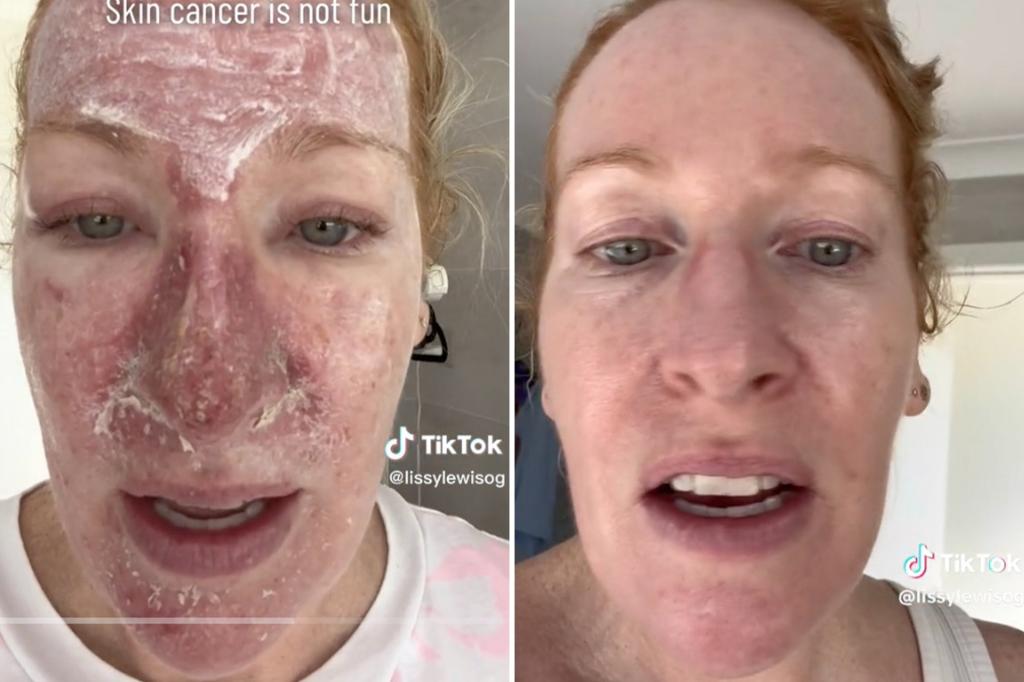
Melissa Lewis, a woman from Australia, has been diagnosed with three different types of skin cancer since 2009. She spent hours burning in the sun attempting to get a tan as a kid. Lewis underwent carbon dioxide laser photodynamic therapy, which she claims is the only way to keep the skin cancer at bay. She will need to undergo the therapy once a year for the rest of her life. Lewis advises everyone to protect their skin and stay healthy.