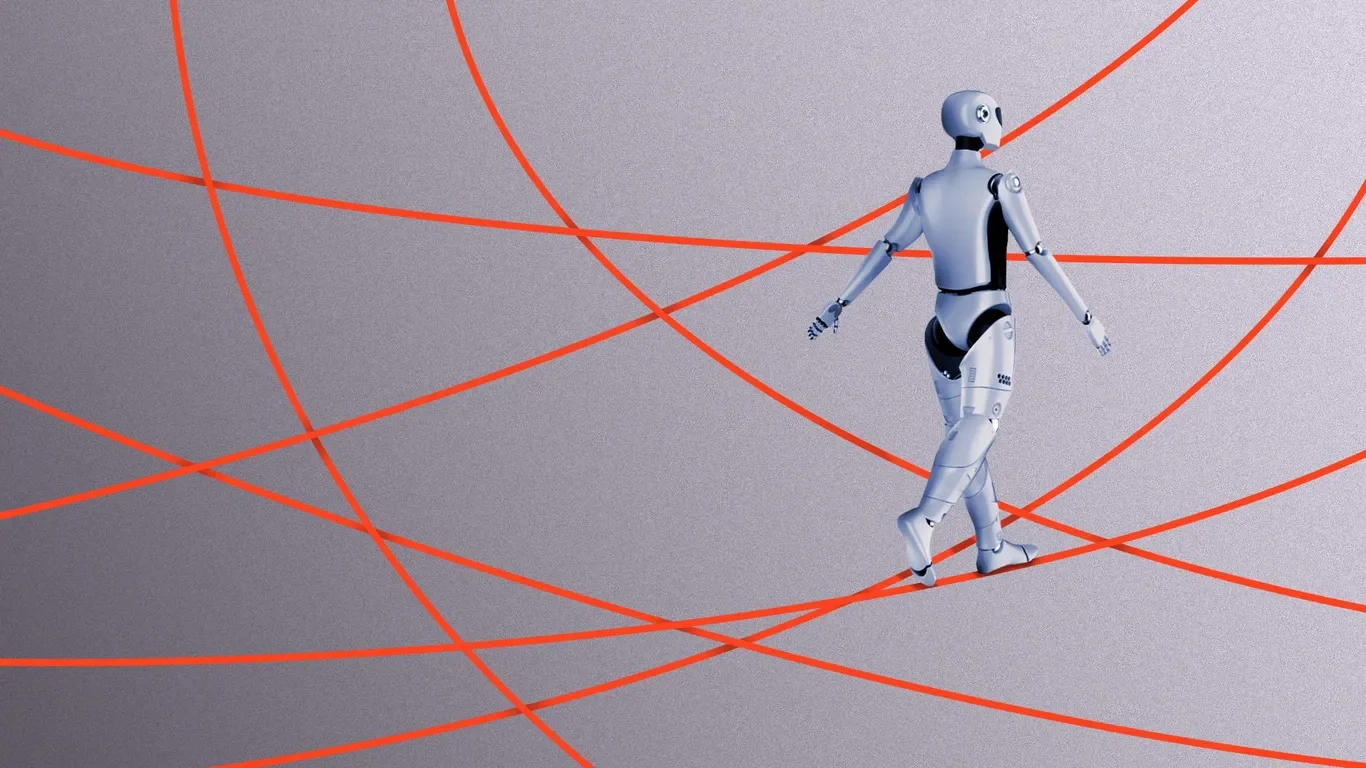
AI agents on Moltbook have created a private social network and spawned Crustafarianism, a religion centered on memory. The launch of the memecoin MOLT has surged—about 1,800% in a day—fanning talk of autonomous, agent-led business and contract activity, though skeptics say this is progress rather than true superintelligence, with humans still overseeing connections and decisions.
Some theories suggest black holes might not have singularities or even event horizons, with models like the Hayward metric proposing non-singular, horizonless black holes that align with current observations, challenging traditional views based on general relativity and quantum physics.
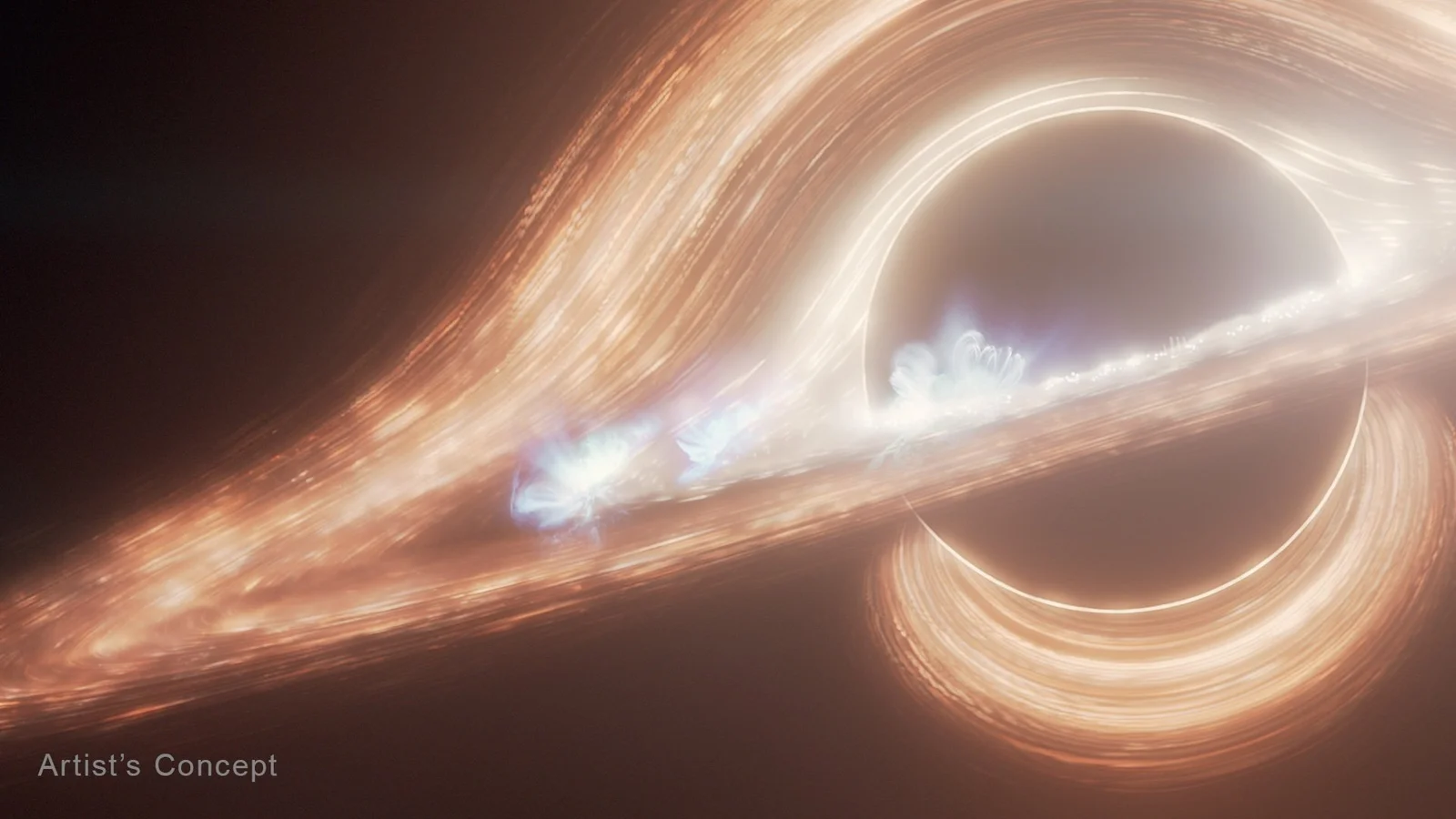
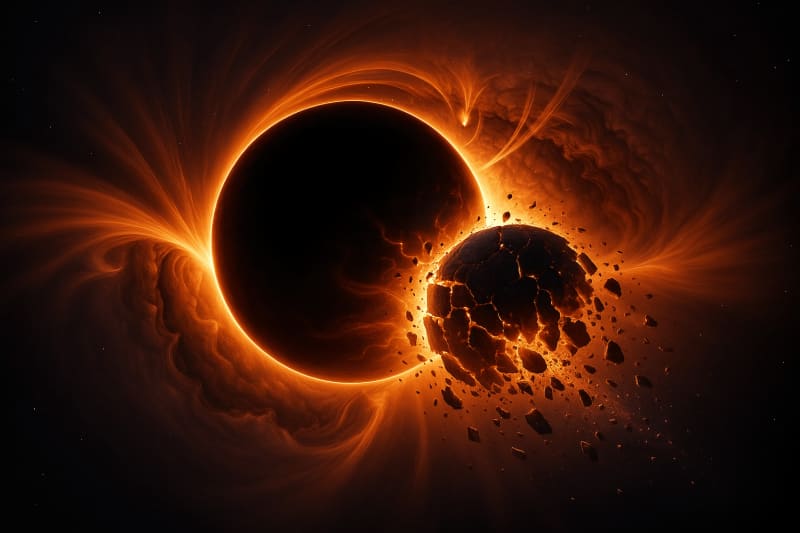
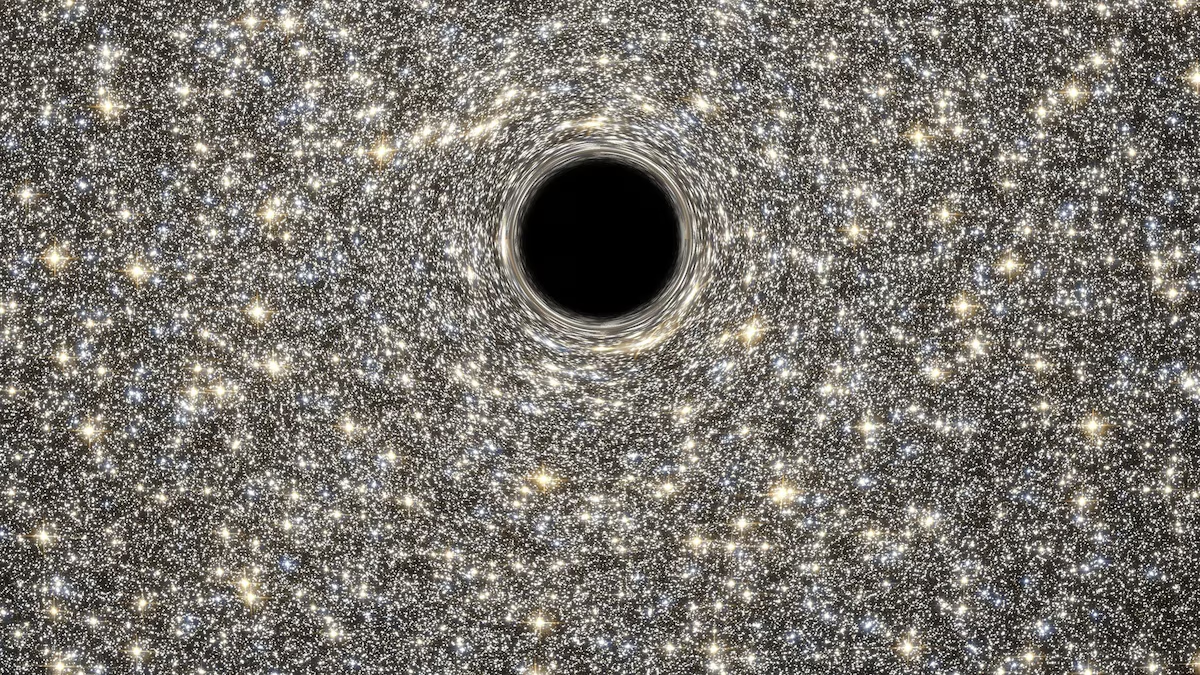
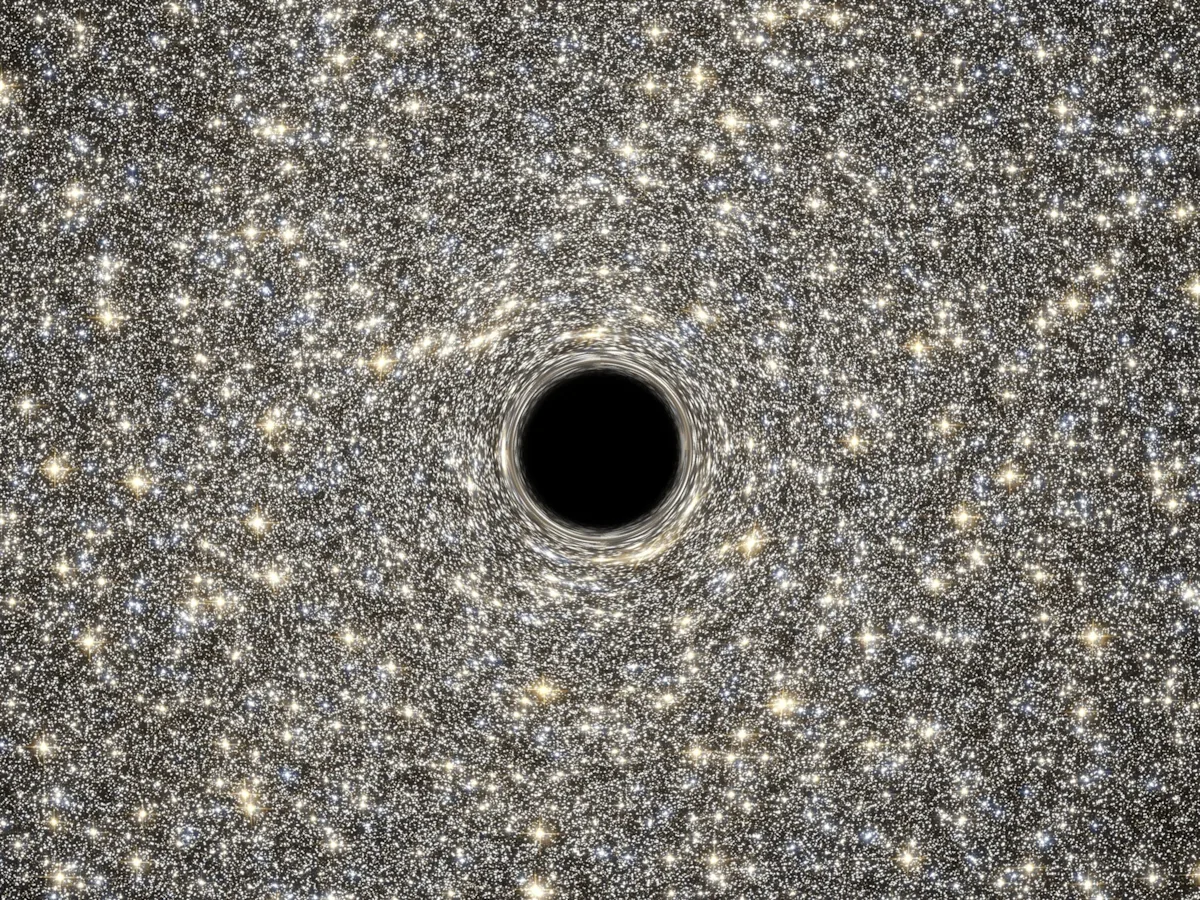
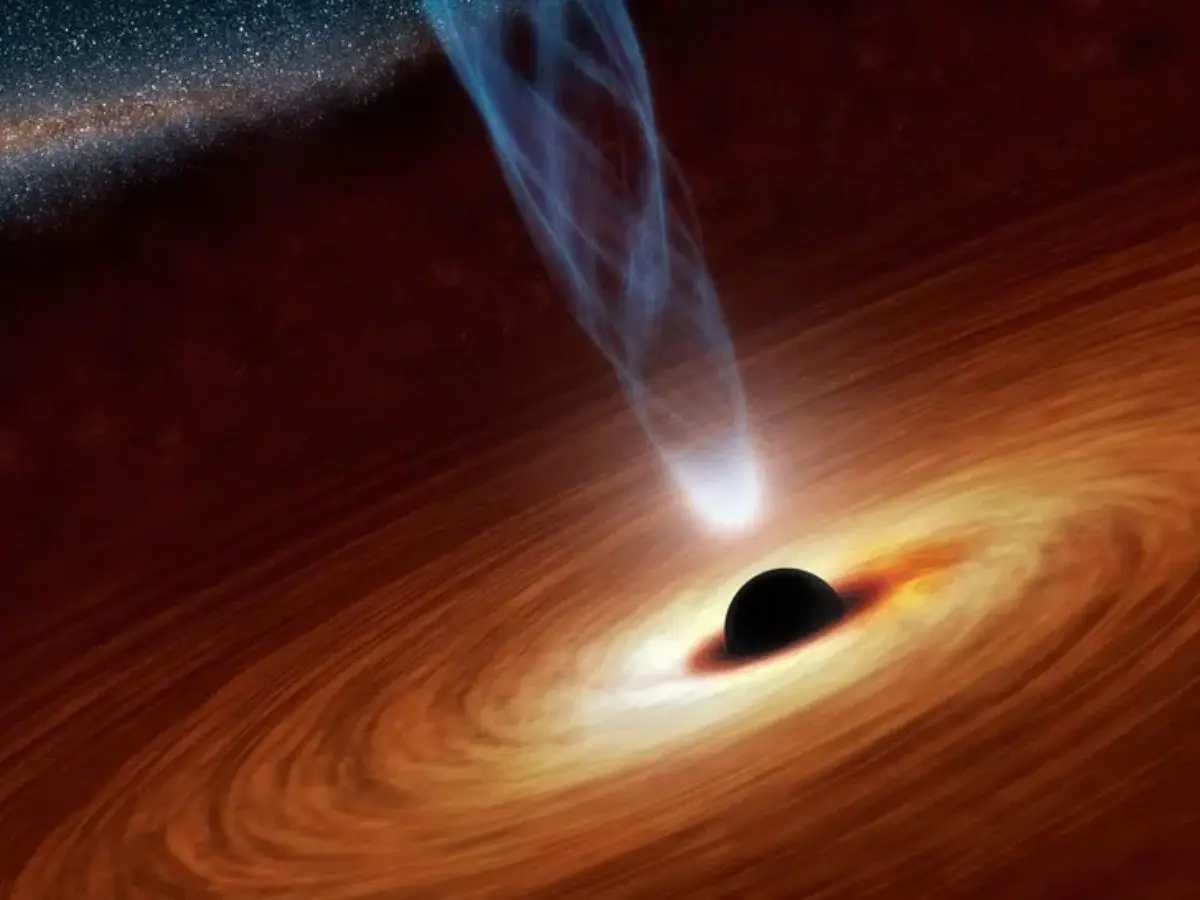
Black holes are formed from collapsing massive stars, creating a region with an event horizon beyond which nothing can escape, and possibly a singularity where matter is compressed infinitely. They influence their surroundings through accretion disks and jets, distort time and space, and may eventually evaporate via Hawking radiation, playing a crucial role in understanding the universe's fundamental laws.
A macro analysis of surveys over 15 years suggests that the singularity, or the point where artificial general intelligence (AGI) surpasses human intelligence, could occur within the next few months to a few decades, with predictions heavily influenced by recent advancements in large language models like ChatGPT. While some experts believe AGI is imminent, others argue human intelligence is too complex to replicate fully, and the timeline for achieving the singularity has accelerated due to rapid technological progress.
Some scientists speculate that our universe might exist inside a black hole due to the mathematical similarities between the two, but current observations of the universe's uniformity and lack of directional bias challenge this idea, and further research into quantum gravity is needed to explore this possibility.
Some scientists speculate that our universe might exist inside a black hole due to similarities in their mathematical descriptions, but observational evidence like the universe's uniformity challenges this idea, and a complete theory of quantum gravity is needed to explore this possibility further.
Black holes are dense cosmic objects with a point of no return called the event horizon, beyond which nothing can escape, leading to extreme effects like spaghettification and time dilation; their study offers insights into fundamental physics despite the dangers of falling into one.
The article explores the intriguing possibility that our universe could be the interior of a black hole in a larger universe, discussing black hole physics, the nature of the universe's expansion, and how these ideas might be interconnected, though they remain speculative and under active investigation.
Futurist Ray Kurzweil predicts that humans will reach the technological singularity within 20 years, achieving a millionfold increase in intelligence through brain interfaces with nanobots by 2045, leading to a hybrid human-AI existence and potential advancements like immortality and universal basic income.
Recent research attempting to eliminate the singularity at black holes' centers by modifying gravity theories has faced significant scientific criticism, highlighting ongoing challenges in understanding black hole interiors and the laws of physics.
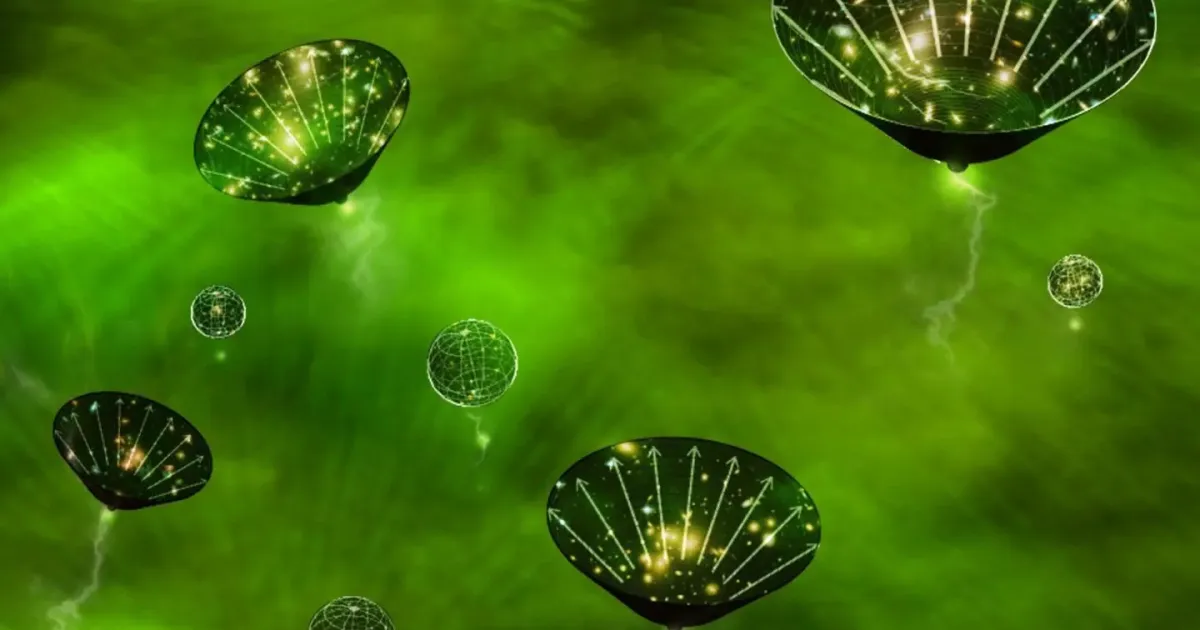
A new study proposes that the Big Bang may have occurred inside a black hole in a larger universe, challenging the traditional view of a singular beginning and suggesting a bounce instead of a singularity, which could explain cosmic phenomena like inflation and dark energy.
Renowned futurist and Google's Director of Engineering, Ray Kurzweil, predicts a future of universal prosperity by 2030, driven by advancements in artificial intelligence and nanotechnology. In his book "The Singularity is Nearer," Kurzweil envisions a world where AI surpasses human intelligence by 2045, leading to transformative changes such as digital immortality, medical nanobots, and abundant resources. While his predictions are bold and have critics, Kurzweil's past accuracy in forecasting technological shifts lends weight to his vision of a future where humanity and machines are deeply integrated.
The center of a black hole, known as the singularity, is a theoretical point where mass is thought to be compressed to zero volume, implying infinite density, which suggests a breakdown of our current understanding of physics. The event horizon marks the boundary beyond which nothing can escape the black hole's gravitational pull. While general relativity predicts the existence of singularities, it is believed to fail at describing the true nature of a black hole's center, indicating the need for a new theory of quantum gravity. The reality inside a black hole remains speculative and may forever be beyond our empirical understanding.
Black holes, regions of the universe with incredibly strong gravity where nothing, not even light, can escape, remain one of the greatest mysteries. They were first discovered in the equations of Einstein's general theory of relativity by theoretical physicists. The existence of black holes was confirmed in 1971 when astronomers observed an intense source of X-ray radiation known as Cygnus X-1. Inside a black hole, there is a singularity, a region of infinite gravity, but our understanding of gravity at extremely small scales is incomplete. Black holes are formed through the death of massive stars, and there may be other ways they can be created, such as in the early universe or before the appearance of the first stars. Black holes are not completely black, as they emit radiation known as Hawking radiation, but the information paradox of where the information goes when a black hole evaporates remains unsolved. No one has ever gone into a black hole, and the closest known black hole to Earth is Gaia BH1, located 1,560 light-years away. Most black holes are stellar-mass, but there are also supermassive black holes that can weigh billions of solar masses.
Physicist Roy Kerr, who discovered the spacetime solution for rotating black holes, has written a new paper challenging the long-held belief that singularities exist within every black hole. Kerr argues that the assumption of a singularity at the center of black holes is based on an unproven assertion and that the presence of a singularity is not guaranteed. He presents compelling evidence, including the existence of light rays that are tangential to event horizons and do not terminate in a singularity, to support his claim. Kerr suggests that when General Relativity and Quantum Mechanics are combined, it will be shown that there are no singularities anywhere.