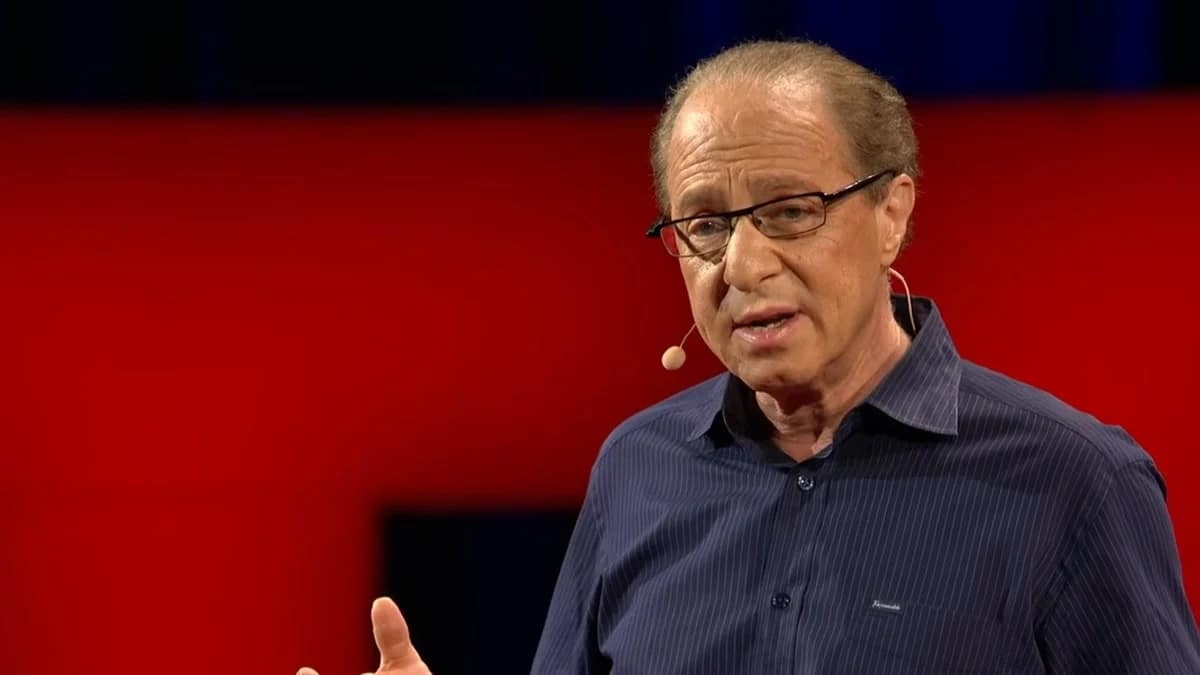
Renowned futurist and Google's Director of Engineering, Ray Kurzweil, predicts a future of universal prosperity by 2030, driven by advancements in artificial intelligence and nanotechnology. In his book "The Singularity is Nearer," Kurzweil envisions a world where AI surpasses human intelligence by 2045, leading to transformative changes such as digital immortality, medical nanobots, and abundant resources. While his predictions are bold and have critics, Kurzweil's past accuracy in forecasting technological shifts lends weight to his vision of a future where humanity and machines are deeply integrated.
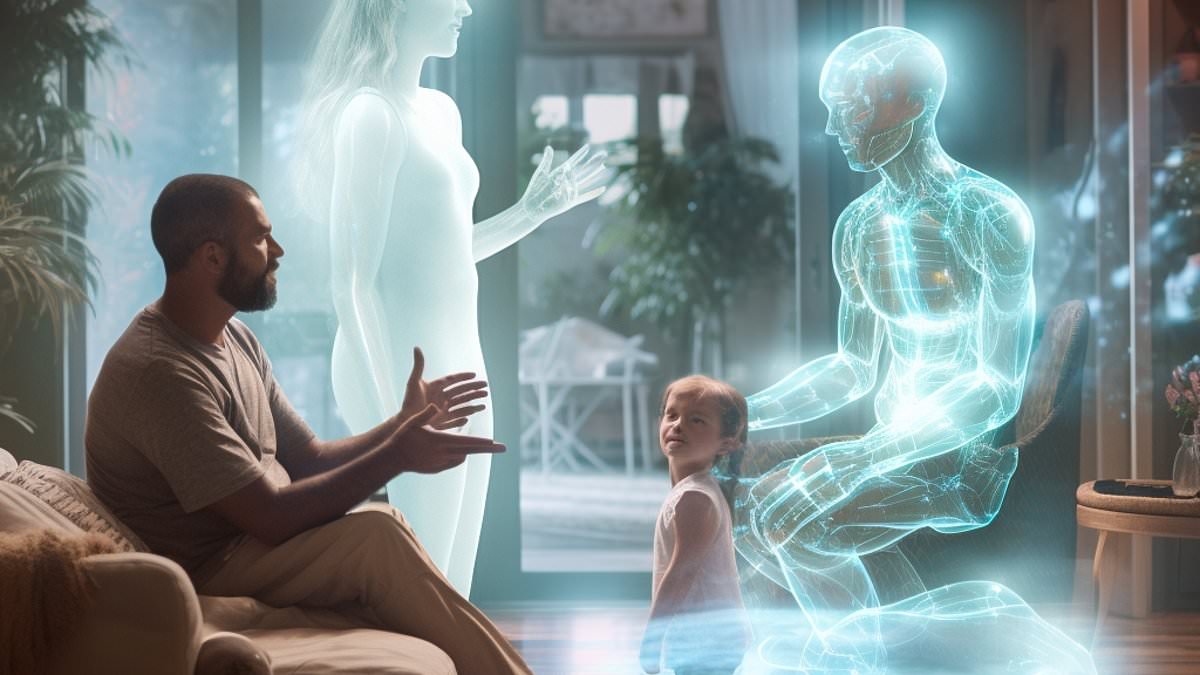
People are using artificial intelligence (AI) to recreate and interact with their deceased loved ones. Inventor Ray Kurzweil has been attempting to bring back his father using AI for over a decade, and hopes to eventually resurrect him physically using nanotechnology and DNA. Others, like Joshua Barbeau and James Vlahos, have created AI versions of their deceased fiancé and father, respectively. These AI chatbots allow for conversations and interactions with the deceased, providing a sense of connection and remembrance. As AI technology advances, services like these may become more common, raising ethical questions about the use of AI to bring back loved ones.
Ray Kurzweil, a director of engineering at Google and a member of the board at Singularity Group, responded to the Future of Life Institute's recent call to pause the development of algorithms more powerful than OpenAI's GPT-4. Kurzweil believes that the criterion is too vague and faces a serious coordination problem. He suggests that safety concerns can be addressed in a more tailored way that doesn't compromise vital lines of research, such as AI in medicine, education, and renewable energy.
Former Google engineer and futurist Ray Kurzweil has predicted that humans will achieve immortality with the help of nanorobots by 2030. He also claimed that technology will allow people to fend off ageing and illness with microscopic robots, sent to repair our bodies on a cellular level. Kurzweil's previous predictions have come true, including the rise of portable computers and the defeat of the world's best chess player by a computer.
Futurist Ray Kurzweil predicts that by 2030, microscopic gelbots in our bloodstream will cure diseases and seek out anomalies responsible for developing into diseases like cancer, making it possible for humans to achieve immortality. Kurzweil accurately predicted many technological advancements in the past, catching the attention of Silicon Valley billionaires like Peter Thiel and Jeff Bezos, who have invested in biotech startups focused on cellular rejuvenation programming to restore cell health and resilience. The gelbots may replace traditional pills or injections and will be more like gelatin than little Terminators.
Futurist and former Google engineer Ray Kurzweil predicts that humans will achieve immortality by 2045 through exponential growth in genetics, nanotech, and robotics. He believes that humans will reach a singularity in which humanlike AI will be created, and that AIs will have minds so similar to humans that they will develop mental complexity and emotions. Kurzweil also predicts that humans will be able to alter their biological makeup at will, cure deadly diseases, and reverse aging, making them indistinguishable from highly advanced AI robotics.
Futurist Ray Kurzweil has predicted that humans will achieve immortality by 2030 through the use of nanotechnology to fend off aging and illness with microscopic robots sent to repair our bodies on a cellular level. Kurzweil has accurately prophesied technological achievements in the past, inspiring a cult following among other future-thinkers. He claims an 86% accuracy rate for his many technological prognostications and has previously suggested that, in less than a decade, humans will have created technology to fend off aging and illness with microscopic robots.