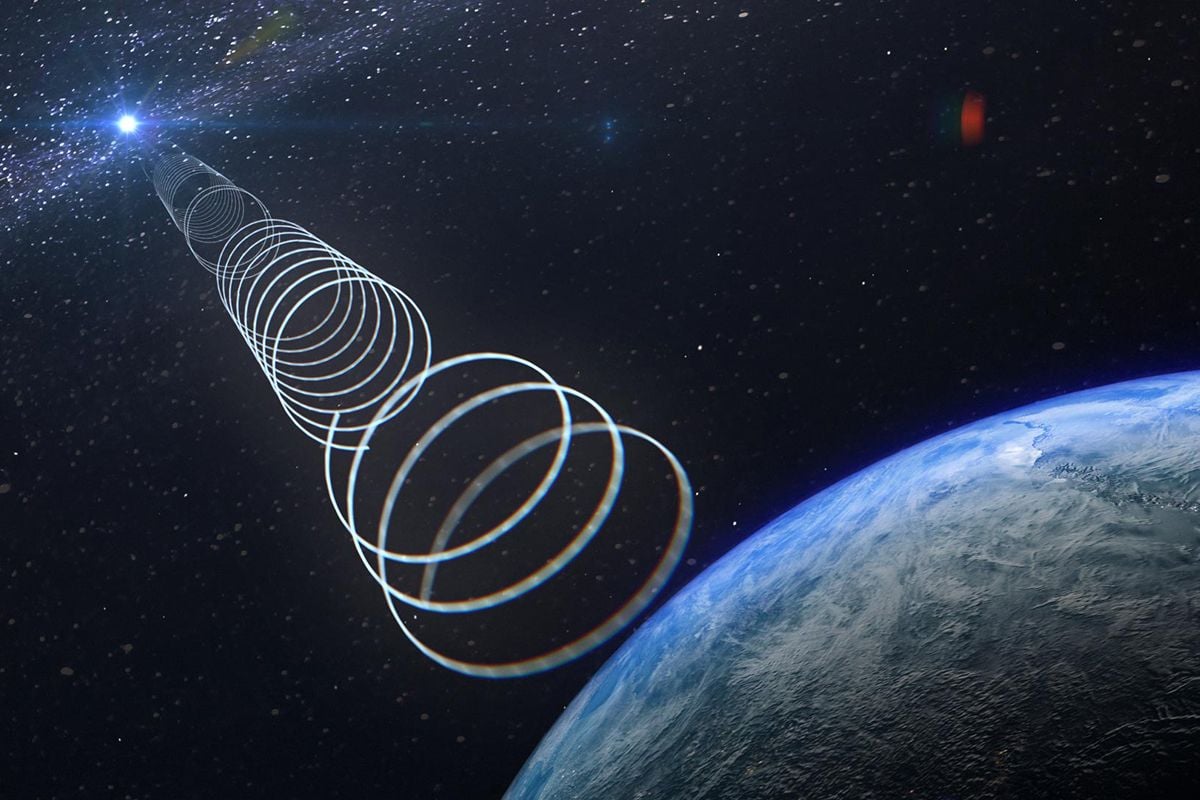
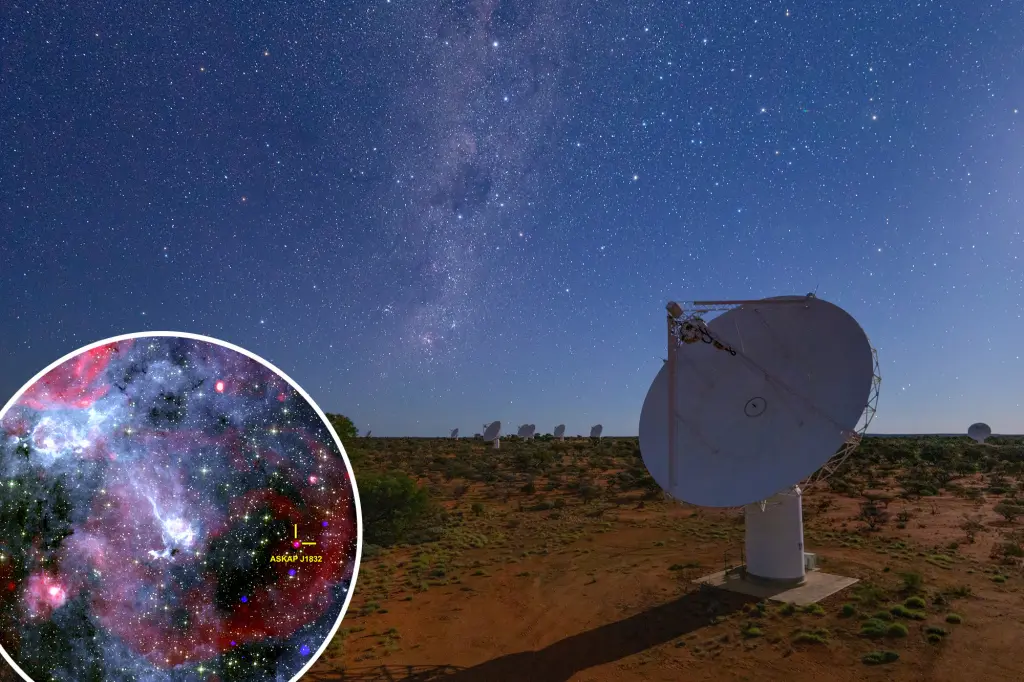
Scientists discovered a mysterious celestial object, ASKAP J1832-0911, emitting rhythmic signals every 44 minutes, challenging existing models and potentially revealing new physics, marking a significant breakthrough in understanding long-period transients and space anomalies.
Astronomers have discovered a distant star, ASKAP J1832−0911, 15,000 light years away, emitting mysterious radio and X-ray signals with unusual behavior, including a 44-minute pulse and dramatic fading over six months, challenging existing classifications of stellar objects and potentially transforming our understanding of the universe.
Australian astronomers have discovered a mysterious object, ASKAP J1832-0911, emitting regular radio and X-ray signals every 44 minutes, which could represent a new type of cosmic phenomenon or physics, but its exact nature remains unknown.
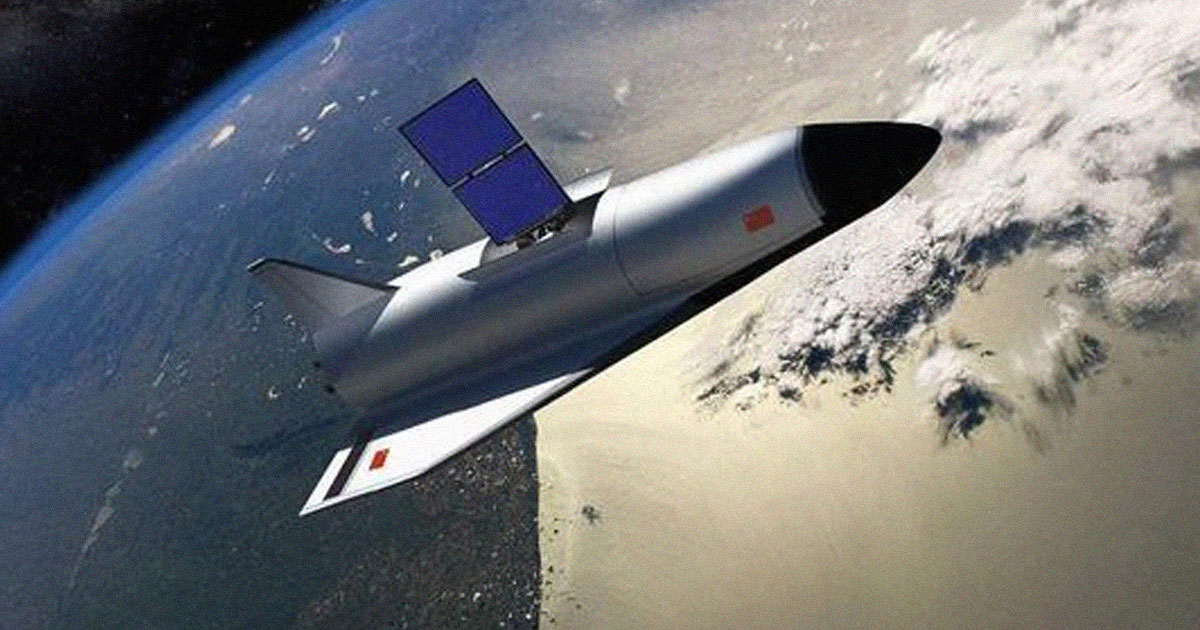
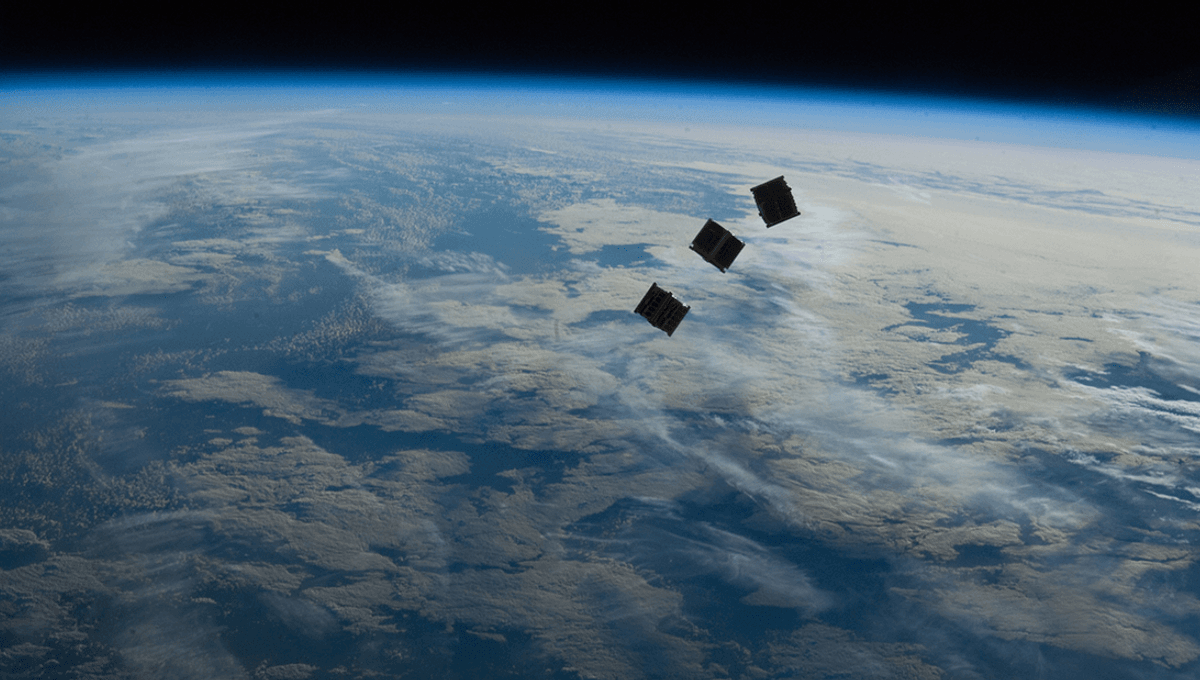
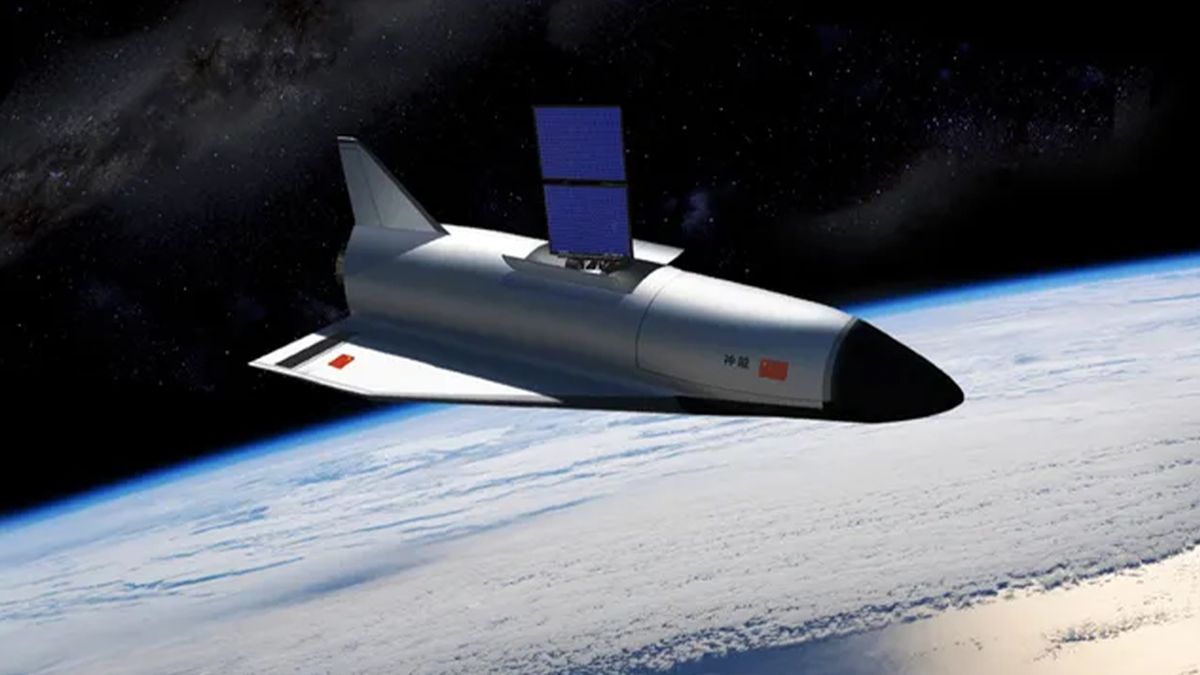
A top secret Chinese spaceplane, named Shenlong, has released six mysterious objects into orbit and is emitting strong signals over North America. The objects are being tracked by the US Space Force, but their purpose remains unknown. Amateur astronomer Scott Tilley has been monitoring the signals and believes they are targeting a location near British Columbia, Canada. The spaceplane launched just 10 months after the US shot down a Chinese spy plane. The US and China have both shown interest in each other's spaceplanes, but no images of the Chinese craft have been made public.
China's top-secret spaceplane, Shenlong, has released six mysterious objects in orbit, emitting signals that are being tracked by the US Space Force. Amateur astronomer Scott Tilley has observed that the objects emit the strongest signals while passing over North America, suggesting the presence of a clandestine ground station on the west coast or a ship off the coast. The objects, designated A through F, have varying characteristics, with object B being very bright and potentially the upper stage of the Long March 2F rocket. China's spaceplane missions remain shrouded in secrecy, but their rapid frequency suggests a significant technological demonstration.
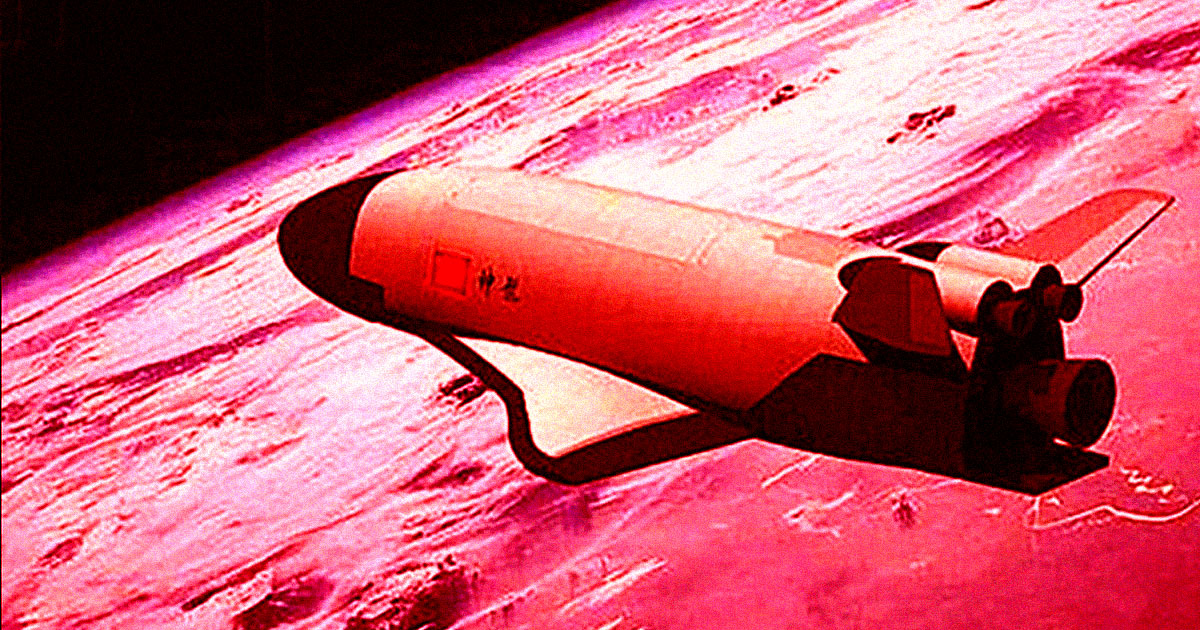
China's secretive spaceplane, Shenlong, has released six mysterious objects into Earth's orbit during its third mission. Amateur astronomer Scott Tilley has been tracking the objects, which are emitting various signals. One object appears to closely follow the spaceplane, while others emit intermittent signals without accompanying data. This is not the first time the spaceplane has released mysterious objects into orbit, and given the secrecy surrounding China's space program, their purpose remains unknown.
China launched an experimental and reusable spaceplane into low Earth orbit, accompanied by six mysterious objects trailing behind it. These objects are emitting signals, but their purpose and the nature of the signals remain unclear. Amateur astronomers and satellite trackers are monitoring the objects, with some noting that the signals appear to contain limited data or repeating patterns. The purpose of these additional satellites and China's testing objectives are still unknown.
China's Shenlong space plane has deployed six unknown objects into Earth orbit, with some emitting signals. Amateur spacecraft trackers have been closely monitoring the objects and have observed emissions from some of them. The objects have been designated as OBJECT A, B, C, D, E, and F. OBJECT A's emissions resemble those emitted by previous objects released by China's space plane. OBJECT D and E emit intermittent "placeholder" signals. Satellite trackers have analyzed the signals and are confident they are coming from the objects or close proximity to them. The behavior of the space plane is different from previous missions, and close encounters between OBJECT A and OBJECTs D and E are expected. The United States also operates a similar space plane, the X-37B, and the timing of the launches is not a coincidence.
China's Shenlong spaceplane has released six unidentified objects into Earth's orbit during its third mission. These objects, designated as OBJECT A, B, C, D, E, and F, are emitting various signals and are being tracked by the U.S. Space Force and amateur observers. Amateur astronomer Scott Tilley has analyzed the objects and found that they exhibit different radio behavior compared to previous missions. Speculation suggests that these objects could be service modules, inspector satellites, or test items. Observers are advised to monitor for close encounters between the objects in the coming days.
Scientists have discovered brain signals in the white matter of the brain, which is primarily made up of axons that connect brain cells. These signals, known as blood oxygenation-level dependent (BOLD) signals, were observed to increase during different tasks, but the cause and significance of this increase are still unknown. The researchers hope that further understanding of these white matter brain signals will help in addressing health issues such as Alzheimer's disease and epilepsy.
Contrary to popular belief, stinky sweat may actually serve as a positive signal. While most people try to eliminate body odor, research suggests that the smell of sweat could indicate certain health benefits. The distinct odor may be a sign of a healthy immune system and could potentially help in attracting mates.