Tag

Cosmic Object

All articles tagged with #cosmic object

Scientists Discover a Mysterious, Bright New Space Object in a Nearby Galaxy

Originally Published 4 months ago — by Futurism

Featured image for Scientists Discover a Mysterious, Bright New Space Object in a Nearby Galaxy
Source: Futurism

Radio astronomers using ALMA discovered a mysterious, extremely bright object called 'Punctum' in a nearby galaxy, which defies current understanding as it is brighter than known cosmic phenomena and disappears in certain wavelengths, prompting further investigation into its magnetic properties and nature.
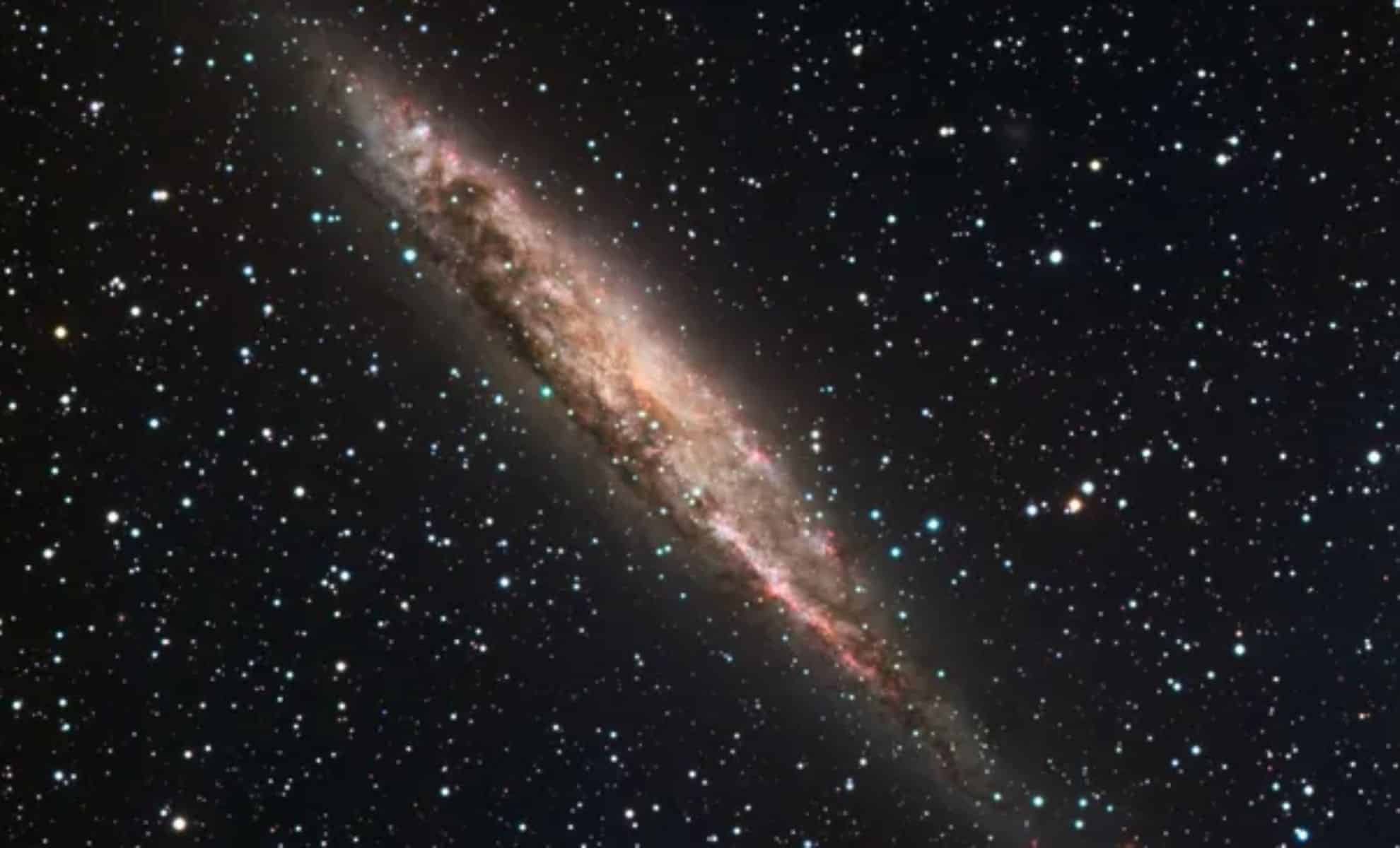
Scientists Discover Unclassified Extremely Bright Cosmic Object

Originally Published 5 months ago — by The Daily Galaxy

Featured image for Scientists Discover Unclassified Extremely Bright Cosmic Object
Source: The Daily Galaxy

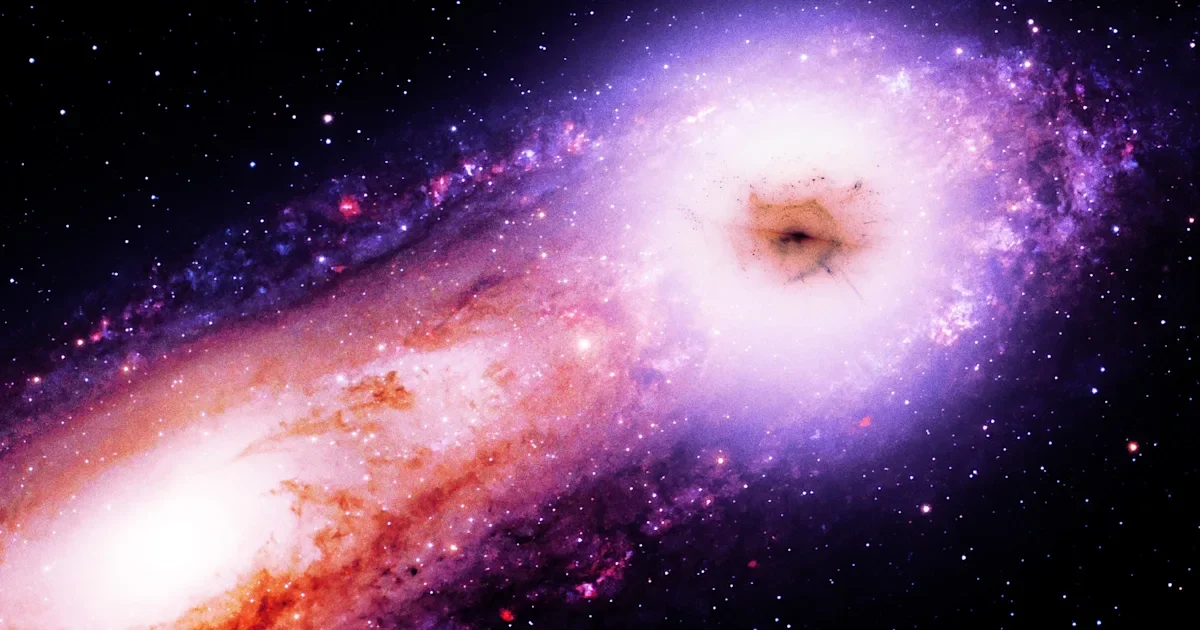
Scientists discovered a mysterious, extremely bright cosmic object called Punctum in the galaxy NGC 4945, which challenges existing classifications due to its unprecedented luminosity and unique millimeter wavelength emissions, suggesting it may be a new type of astrophysical phenomenon. Future observations with the James Webb Space Telescope could provide further insights into its nature.

Mysteries Unveiled: New Celestial Phenomena Challenge Our Understanding of the Galaxy

Originally Published 7 months ago — by SciTechDaily

Featured image for Mysteries Unveiled: New Celestial Phenomena Challenge Our Understanding of the Galaxy
Source: SciTechDaily

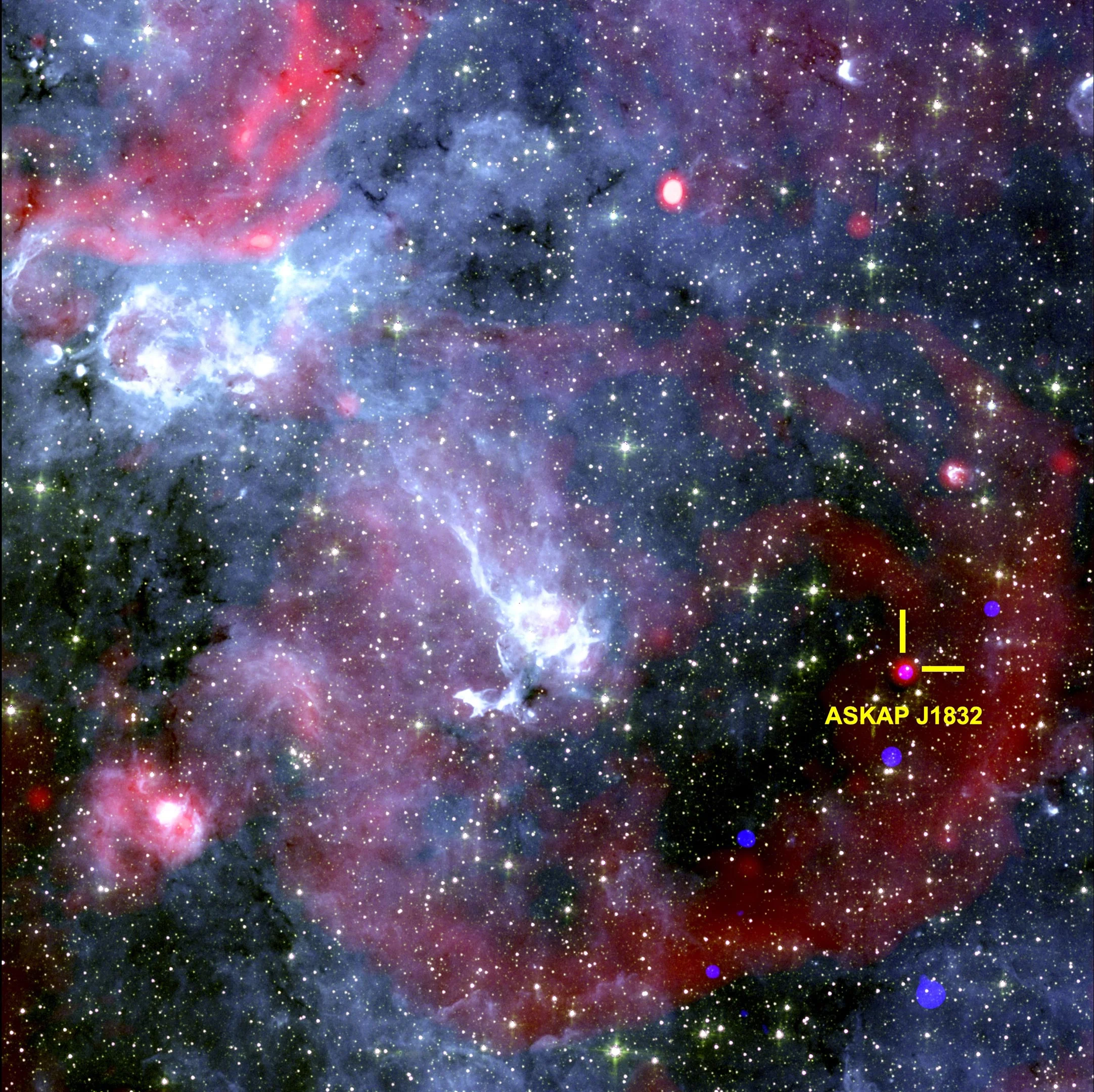
Astronomers have discovered a unique cosmic object, ASKAP J1832-0911, 15,000 light-years away in the Milky Way, that emits both radio waves and X-rays in a 44-minute cycle, potentially revealing new physics or stellar evolution models. The simultaneous detection by radio and X-ray telescopes suggests many more such objects may exist, challenging current understanding of stellar phenomena.

"Unveiling the Enigmatic Cosmic Question Mark: NASA's Telescope Makes a Startling Discovery"

Originally Published 2 years ago — by KSL.com

Featured image for "Unveiling the Enigmatic Cosmic Question Mark: NASA's Telescope Makes a Startling Discovery"
Source: KSL.com

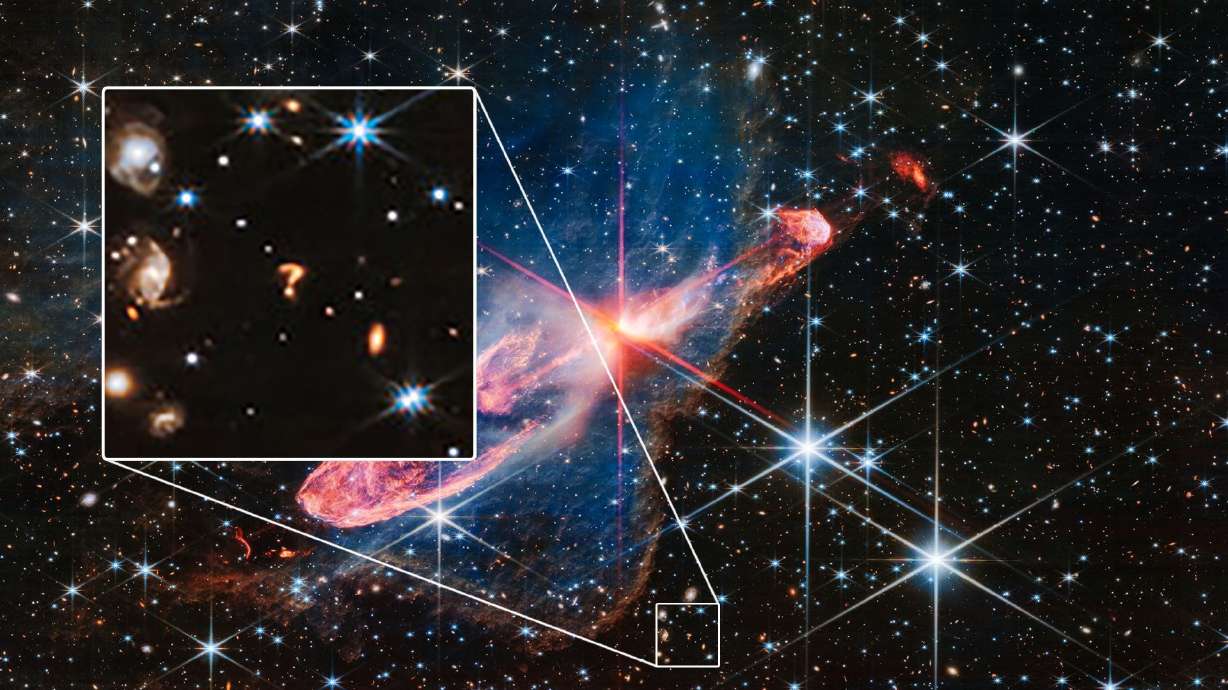
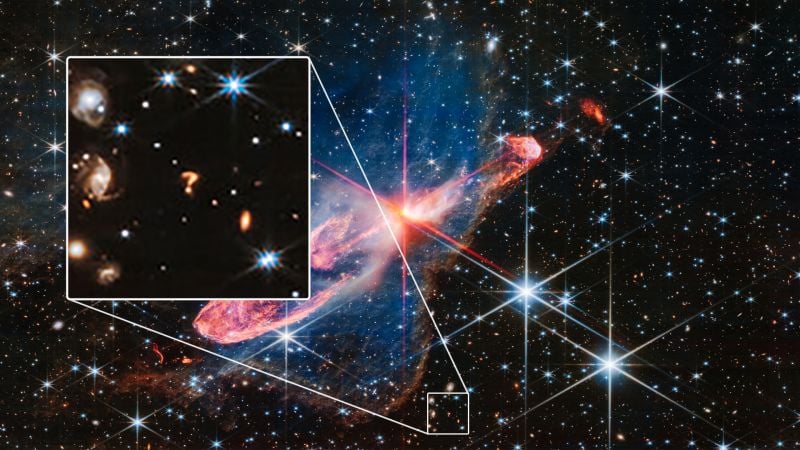
NASA's James Webb Space Telescope captured an image of a pair of young stars named Herbig-Haro 46/47, but it also revealed a mysterious cosmic object in the shape of a glowing question mark in the background. Scientists believe it could be a merger of two galaxies, billions of light-years away, that have collided and distorted into this unique shape. The object's origins and composition are still unknown, but further spectroscopic data could provide more insights.

"Unveiling the Enigmatic Cosmic Question Mark: NASA's Telescope Makes a Startling Discovery"

Originally Published 2 years ago — by CNN

Featured image for "Unveiling the Enigmatic Cosmic Question Mark: NASA's Telescope Makes a Startling Discovery"
Source: CNN

NASA's James Webb Space Telescope captured an image of a pair of young stars named Herbig-Haro 46/47, but it also revealed a cosmic object in the shape of a glowing question mark in the background. Scientists believe it could be a merger of two galaxies billions of light-years away, as galaxies often collide and distort into various shapes. While the specific object is new, similar shapes have been observed before. The question mark shape may indicate a gravitational interaction between the galaxies, and further spectroscopic data could provide more information about its distance and composition.

Mysterious Remains: Unveiling the Strange Cosmic Object

Originally Published 2 years ago — by Space.com

Featured image for Mysterious Remains: Unveiling the Strange Cosmic Object
Source: Space.com

Astronomers have identified a strange cosmic object, PM 1-322, as a variable planetary nebula, which is the ancient remains of a dead star. PM 1-322's light output changes over long periods of time, and it exhibits eruption-like events. Planetary nebulas are important in understanding the distribution of elements in the universe after stars die. The object may be associated with a companion star, and further observations are needed to determine its true nature.