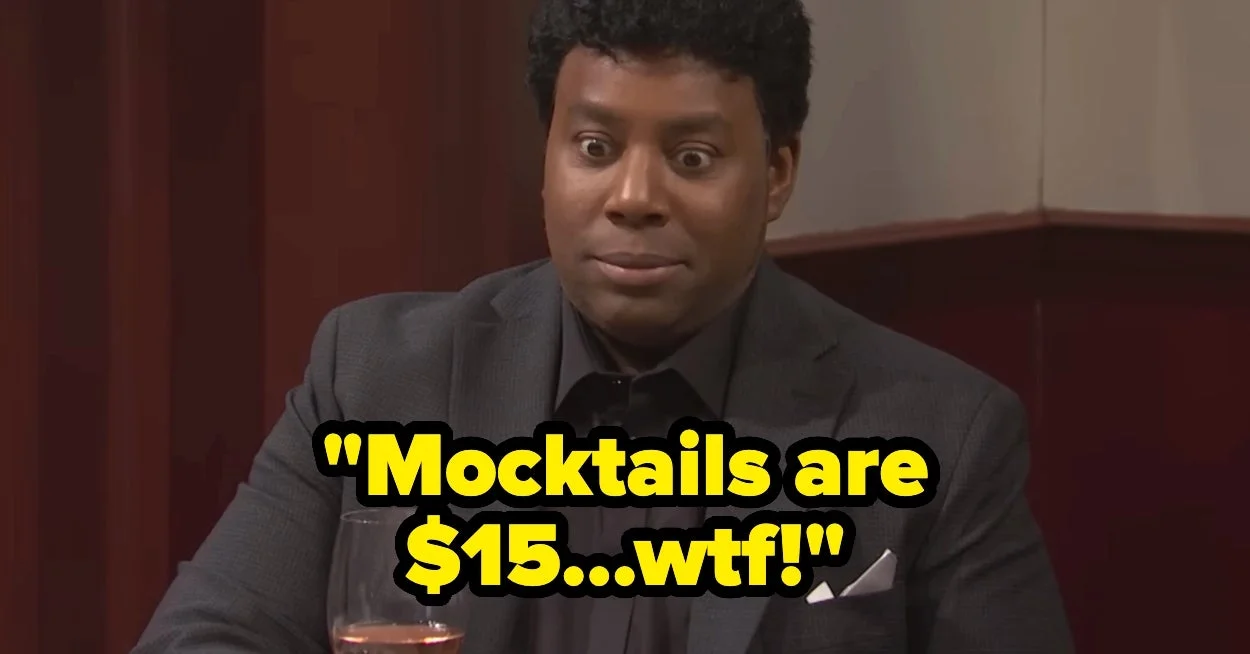
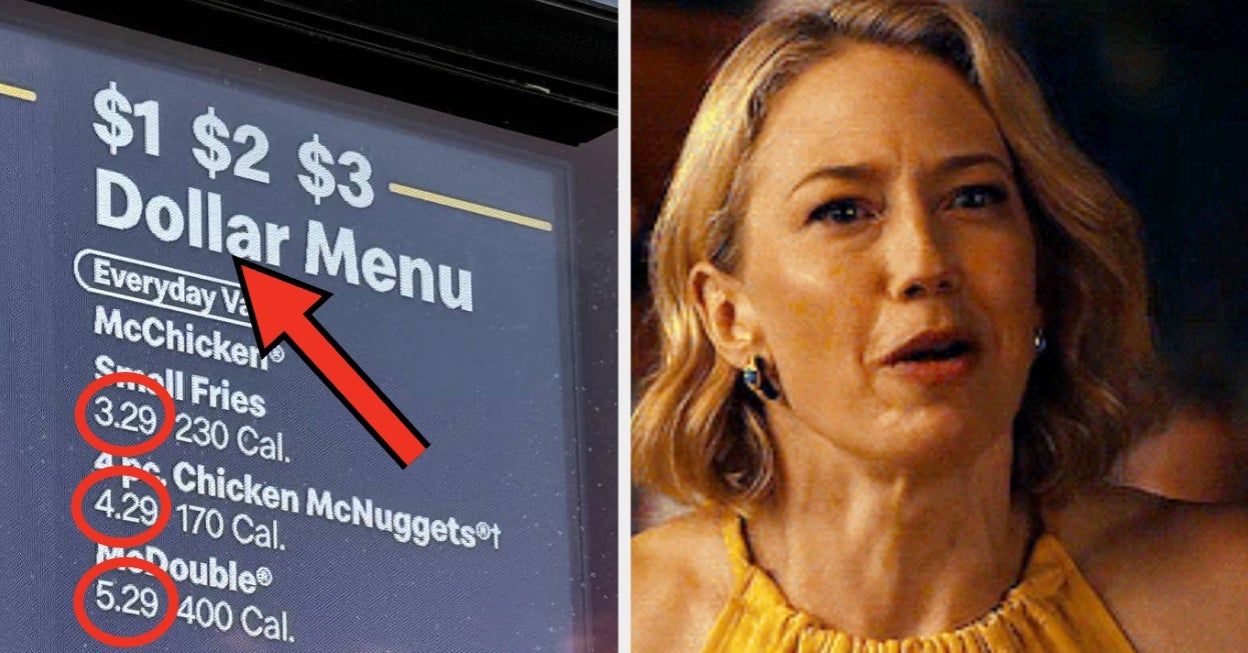
A BuzzFeed piece aggregating Reddit responses shows many people have stopped buying pricier items in 2026 due to inflation, from steak, concert tickets, and cocktails to cars, magazines, and haircuts, illustrating a broad shift in consumer spending as costs rise and people seek to cut back.
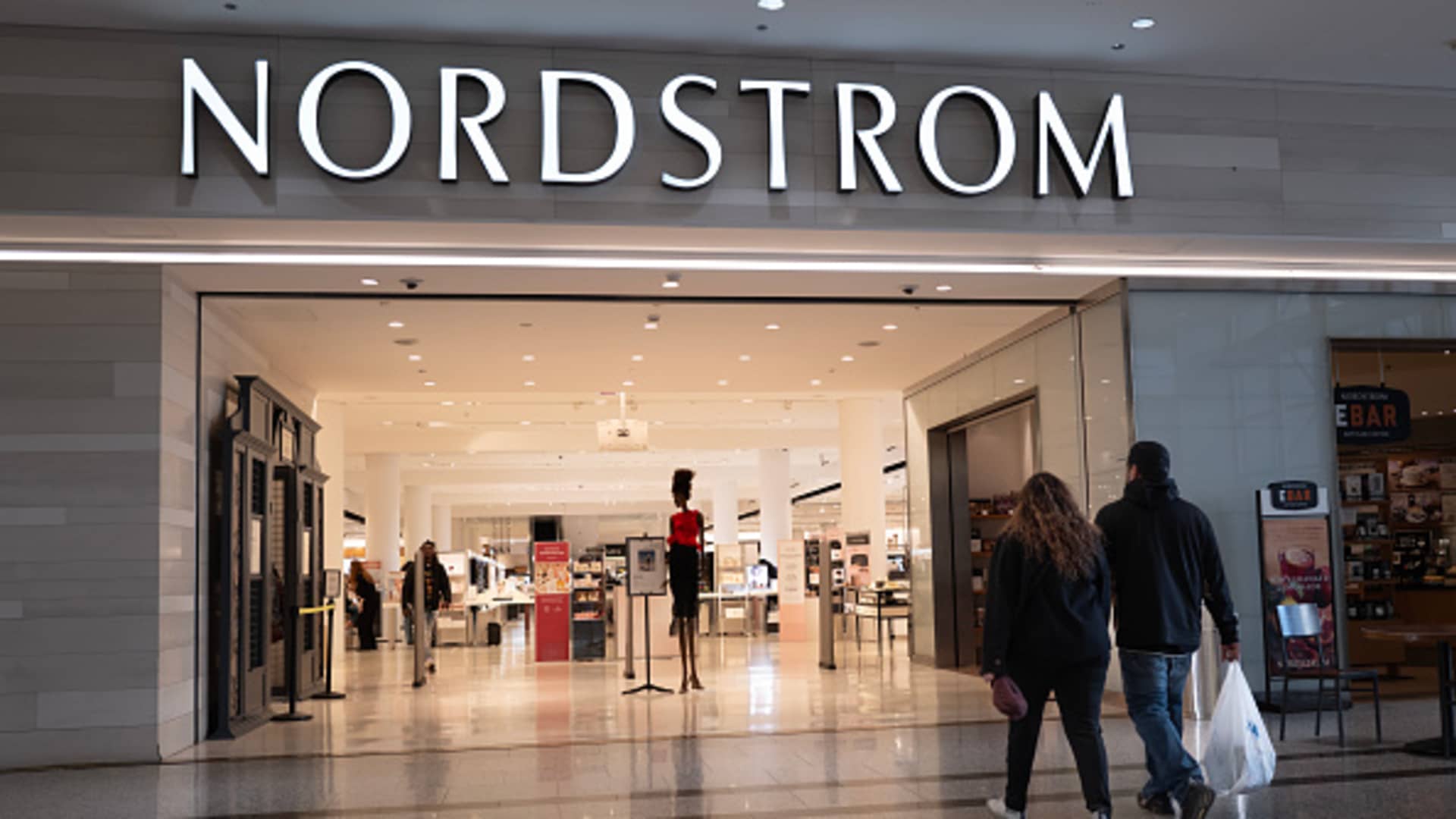
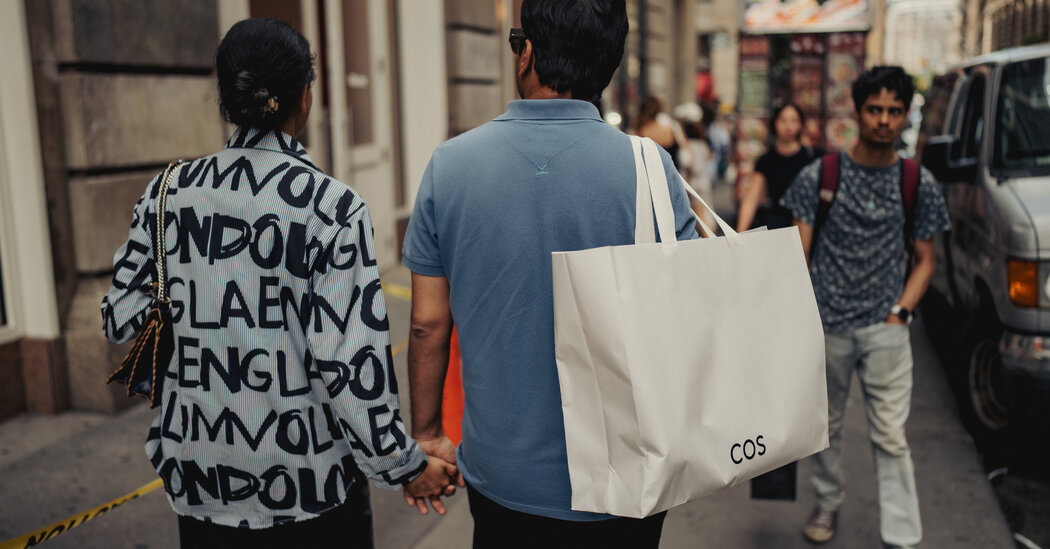
While younger consumers, especially Gen Z, prefer online shopping and are influenced by social media, baby boomers continue to favor traditional department stores due to perks like generous return policies, personalized service, and in-store experiences, highlighting a generational divide in retail preferences.
The article highlights common money-saving habits that can actually be counterproductive, such as driving extra miles for small gas savings, making unnecessary DIY purchases, neglecting maintenance, shopping at multiple stores, and misusing sales and deals, ultimately costing more than they save. It emphasizes the importance of mindful spending and avoiding habits that drain finances instead of conserving them.
Gen Z consumers, with an estimated $450 billion in spending power globally, are deliberate and choosy with their purchases. Despite financial challenges, they work hard to earn discretionary income and are willing to delay purchases until they find the best deals. Gen Zers prioritize quality over price and are more likely to read and leave reviews for products. They are also increasingly concerned about sustainability and prefer to buy from authentic and responsible brands. However, it's important to note that Gen Z is not a homogeneous group, and their preferences can change quickly.
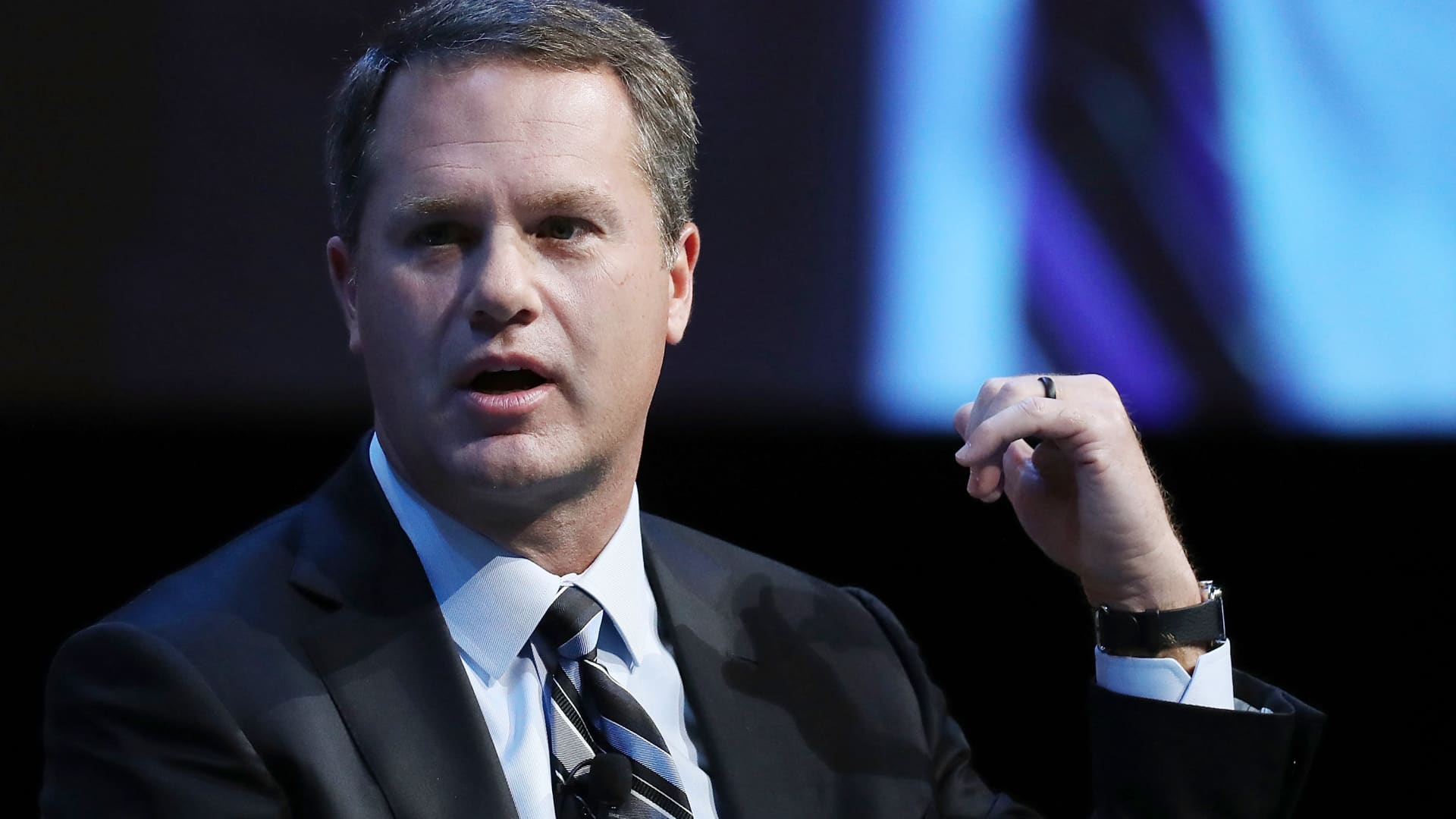
CEOs of major companies, including Walmart, McDonald's, and Starbucks, have been using the word "choiceful" to describe today's consumer behavior, where individuals are cutting back on spending but are still willing to splurge on what they consider valuable. The term has gained popularity in 2023, appearing in 15 quarterly earnings calls for S&P 500 companies, nearly double the usage compared to last year. CEOs have found it useful to describe the changing consumer landscape and reassure investors about their ability to navigate through economic challenges. The word "choiceful" is not commonly used in everyday language but has been employed by CEOs to emphasize the thoughtfulness of their strategies in response to shifting shopping habits and inflationary pressures.
Retailers' latest earnings reports indicate a shift in consumer spending habits, with shoppers becoming more cautious due to eroding savings, inflation, and the upcoming resumption of student loan payments. While overall consumer spending remains solid, there are signs of economic strain among lower-income shoppers. Off-price and discount retailers like Burlington, Walmart, Dollar Tree, and TJX reported strong sales as consumers sought discounts on essential items and reduced spending on discretionary goods. In contrast, department store chains and fashion/footwear retailers faced challenges. Rising credit card delinquencies and higher rates of retail theft also suggest consumers may be more financially constrained. The back-to-school shopping season and the upcoming resumption of student loan payments will be crucial indicators of consumer spending trends.
As inflation continues to be a concern, more shoppers are adopting a cost-per-wear mindset when making clothing purchases. By calculating the value of their wardrobe based on the number of times an item is worn, consumers are prioritizing quality and versatility over price. Retailers like Gap's Old Navy, Kohl's, and American Eagle are adjusting their marketing strategies to emphasize durability and longevity. However, this approach may only be feasible for consumers who can afford to prioritize quality. Fast-fashion brands are still thriving, but there is a growing backlash against cheap, disposable clothing. Higher prices are outpacing lower prices in certain fashion categories, indicating that price and quality are not always linked.