Recent viral videos and consumer complaints reveal that some high-end luxury brands like Miu Miu and Maison Margiela are producing products that fall apart quickly, raising concerns about declining quality in the luxury sector due to cost-cutting, outsourcing, and a focus on profits over craftsmanship. This has sparked social media outrage and calls for industry reform, with experts noting a shift away from traditional artisanal practices and a rise in mid-market brands emphasizing quality and value.
Amazon has launched 'Amazon Haul,' a new digital storefront aimed at competing with low-cost, fast-fashion retailers like Shein and Temu. Available only on mobile platforms, Amazon Haul offers a variety of products under $20, with most priced below $10. Unlike Amazon's usual fast delivery, items from Amazon Haul ship directly from China, resulting in delivery times of one to two weeks. The move comes as Amazon views Shein and Temu as significant competitors, with both companies facing criticism over product quality and labor practices.
Amazon has launched 'Amazon Haul,' a discount store on its mobile app and web, to compete with low-cost retailers Temu and Shein. The store offers mass-produced items, mostly from China, at low prices, but with longer shipping times. This move comes amid scrutiny of Chinese e-commerce practices and potential U.S. tariff changes. Amazon aims to leverage its brand trust while addressing consumer demand for cheaper products, despite the environmental and regulatory controversies surrounding its competitors.
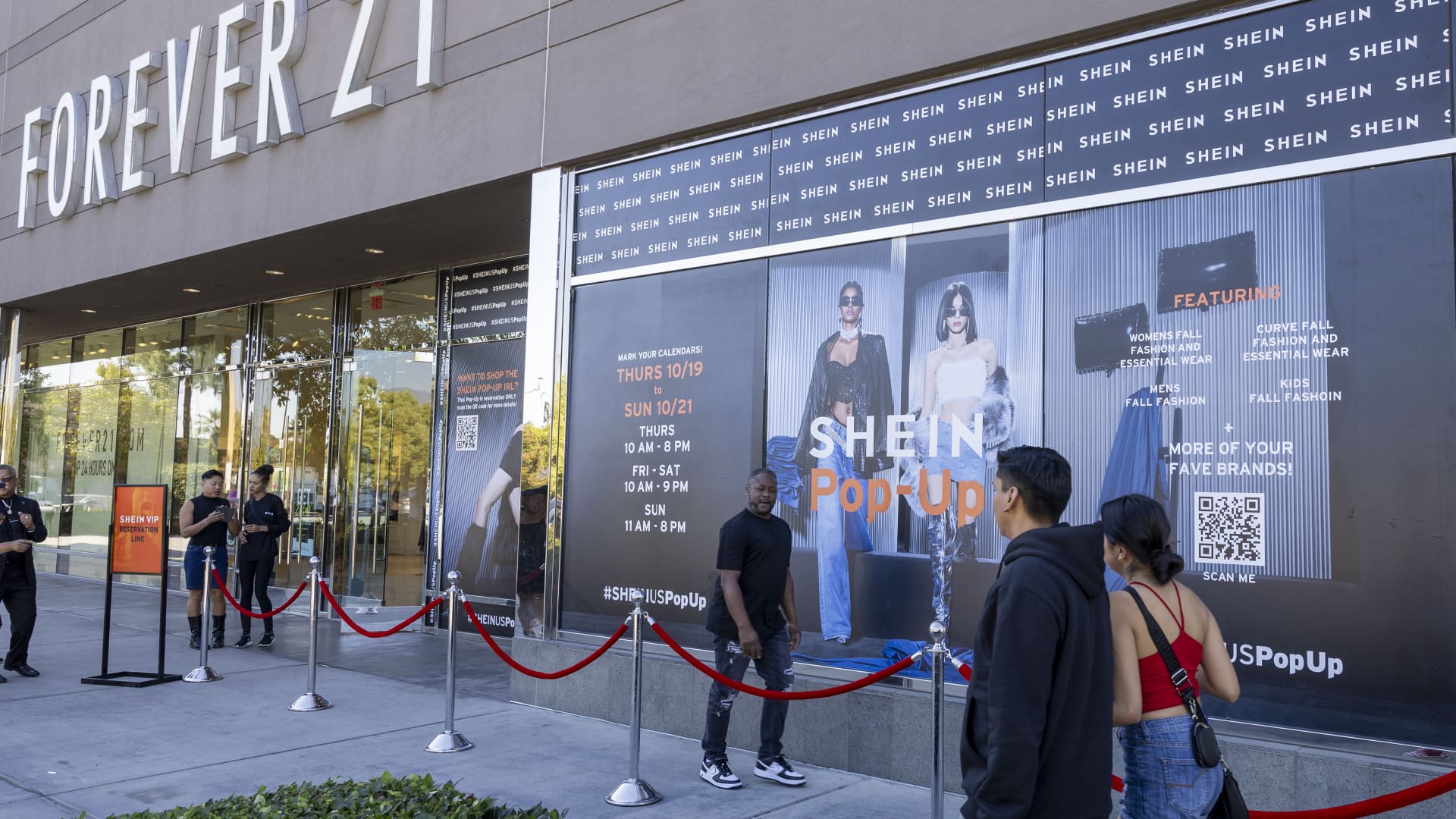
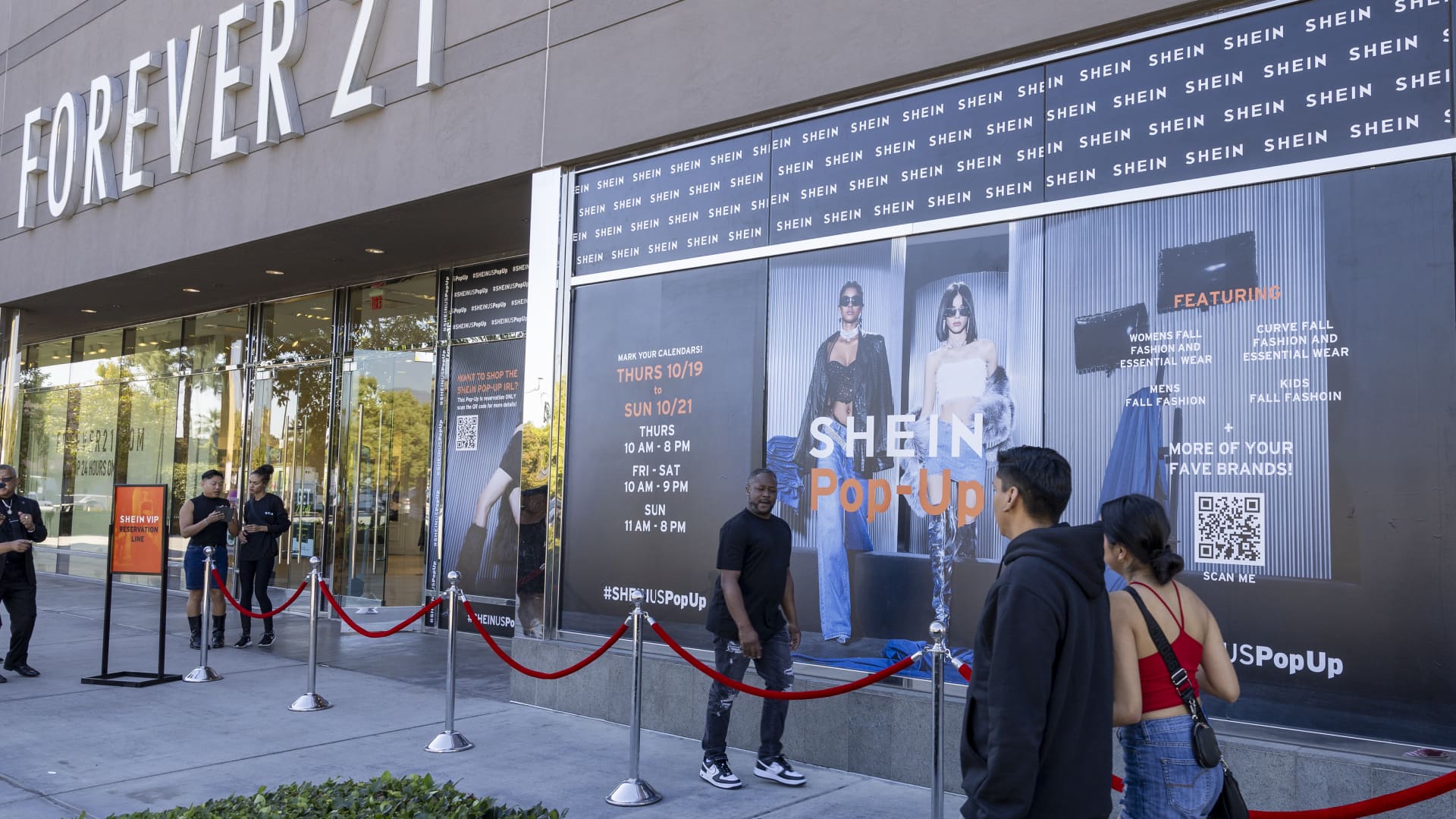
Forever 21 is seeking rent concessions from landlords as it faces declining sales and struggles to compete with faster, more agile competitors like Shein and Temu. The retailer, which has over 380 U.S. stores, is not considering a second bankruptcy but aims to restructure leases to cut costs. Forever 21's financial woes have also impacted its operator, Sparc Group, which manages other struggling brands. Despite efforts to adapt, including a partnership with Shein, the company continues to grapple with inventory management and rapidly changing consumer trends.
Fast fashion giant Shein is preparing for a potential IPO in London, which could value the company at around £50 billion ($64 billion) and raise over £1 billion ($1.3 billion) from new shares. This move could revitalize the London Stock Exchange, which has seen several companies leave for other markets. Shein initially aimed for a New York listing but faced political opposition in the US. The UK Labour Party has expressed support for companies like Shein investing in Britain, emphasizing the need for high regulatory standards.
Chinese fast fashion giant Shein is planning to list shares on the London Stock Exchange, potentially valuing the company at $66 billion. This move comes as Shein faces scrutiny in the US over its business practices and links to China. The company has been criticized for its environmental impact and alleged use of forced labor. Shein recently launched a resale platform in France to improve its green credentials and plans to expand it to the UK and Germany. The UK listing could boost London's financial market, but the company may face regulatory challenges.
A study from Guangdong University of Technology found that wearing fast-fashion jeans just once creates a significant 2.50 kg of carbon emissions, equivalent to driving 6.4 miles in an average gasoline-powered car. The fast-fashion industry is projected to emit nearly 2.8 billion tons of greenhouse gas emissions annually by 2030. To mitigate the environmental impact, researchers suggest shopping or renting second-hand clothes and recycling jeans, advocating for a shift towards a circular fashion system.
France's lower house of Parliament unanimously approved a pioneering bill targeting fast fashion, seeking to curb its environmental impact by banning advertising for inexpensive textiles, imposing an environmental levy, and requiring companies to disclose their products' environmental impact. The bill aims to promote transparency, accountability, and sustainability in the fashion industry, safeguarding France's high fashion sector while leveling the playing field against fast fashion retailers. The move sets a precedent in the global fight against environmental degradation caused by the fashion industry and may pave the way for EU-wide action.
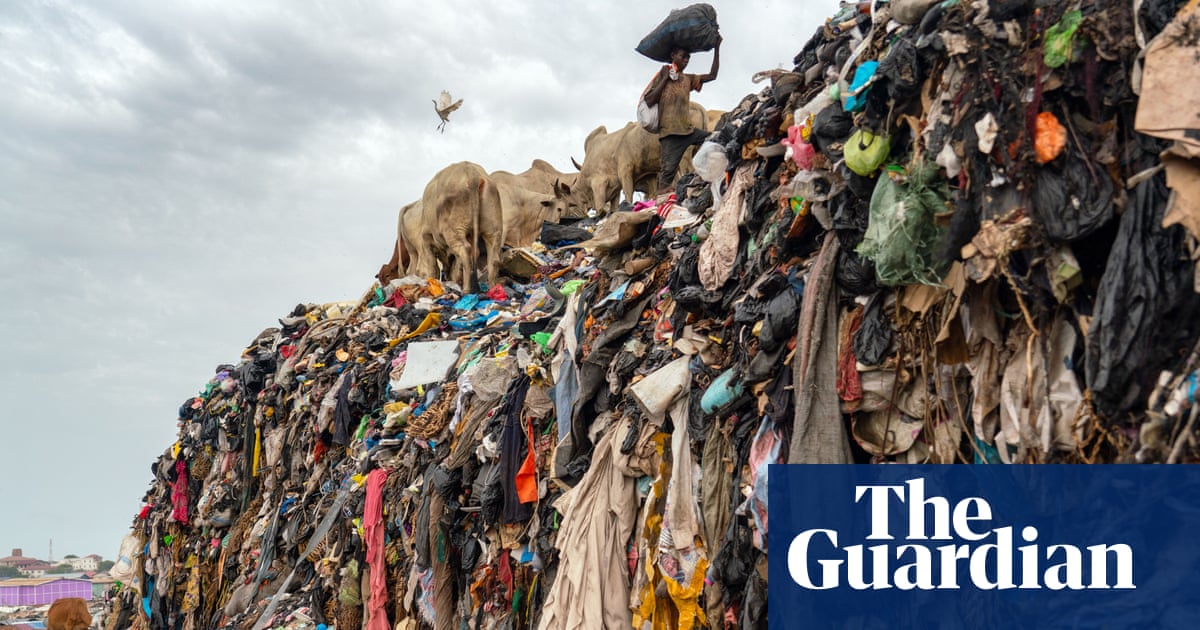
France's lower house of parliament has approved measures to curb the environmental impact of fast fashion, including a ban on advertising for the cheapest textiles and an environmental surcharge on low-cost items. The law aims to address the environmental impact of the textile industry, with a focus on reducing greenhouse gas emissions and water pollution. The surcharge, starting at €5 per item and rising to €10 by 2030, will be used to subsidize producers of sustainable clothes. The move is seen as an effort to combat the influx of cheap imported clothes and support the domestic fashion industry, while also targeting Chinese mass producers like Shein.
H&M faces backlash for an in-store ad promoting false urgency, with critics calling it "messed up and creepy," highlighting the brand's history of unsustainable practices and greenwashing. The fast-fashion retailer has been criticized for contributing to pollution and waste, with calls for more sustainable shopping habits such as thrifting to reduce environmental impact.
Shein's annual revenue is reported to be "a lot more" than the previously estimated $30 billion, according to a key retail partner. The fast-fashion company, which recently filed to go public in the U.S., has been rapidly growing and expanding its partnerships, including a deal with Authentic Brands Group. Despite the lack of official financial disclosures, Shein's sales figures are expected to surpass $30 billion, potentially putting it in line with major retailers like Zara's owner Inditex. The partnership with Shein is still in its early stages, with both companies working to build trust and navigate differences in business practices.
Fast-fashion retailer Temu has filed a lawsuit against rival Shein, accusing the company of using "mafia-style intimidation" tactics to maintain its competitive advantage. Temu alleges that Shein has leveraged its dominance in the ultra-fast fashion market to restrict Temu's access to suppliers through exclusive dealing agreements and anticompetitive pricing requirements. Shein, which recently filed for an IPO in the US, denies the allegations and plans to vigorously defend itself. Both companies have faced scrutiny from US lawmakers over potential violations of Uyghur forced labor laws.
Online retailer Temu has filed a lawsuit against rival Shein, accusing the fast fashion giant of engaging in "mafia-style intimidation" tactics, including bullying, intimidation, and detaining suppliers in China. Temu alleges that Shein has illegally interfered with its business, confiscated merchants' cellphones to access confidential information, and threatened suppliers with penalties. Shein has dismissed the lawsuit as without merit and plans to defend itself. The legal battle comes after both companies recently applied to end their legal disputes against each other. Temu claims that Shein has misused intellectual property legislation and unlawfully copied its intellectual property. Temu is preparing for a major advertising campaign and accuses Shein of resorting to desperate and coercive measures to eliminate the competitive threat.
Fast-fashion platform Shein has reportedly filed confidentially for an IPO in the United States, with rumors suggesting a valuation of up to $90 billion. The filing has generated interest among VCs and founders, who are eager to understand the logic and math behind Shein's ubiquitous ads.
Fast-fashion giant Shein, the China-founded online fashion company, has confidentially filed for an initial public offering (IPO) in the U.S., potentially becoming one of the largest IPOs in years. The offering, led by Goldman Sachs, JPMorgan Chase, and Morgan Stanley, is expected to take place in 2024, marking a significant milestone for Shein's global expansion.