A case of shigellosis, a bacterial infection, has been reported at La Escuela Fratney Elementary School in Milwaukee. The Milwaukee Public Schools and the City of Milwaukee Health Department are collaborating to manage the situation, ensuring students and staff follow hygiene protocols to prevent further spread. Families have been informed, and the school is implementing enhanced cleaning measures. Shigellosis is contagious and can spread through contaminated food, water, or contact with fecal material, with symptoms including diarrhea, fever, and stomach pain.
Shasta County is investigating a surge in Shigella cases, with 14 reported in the past few months, compared to the usual one or two per year. Health officials advise frequent handwashing, avoiding swallowing water from natural sources, and being vigilant for symptoms like prolonged diarrhea and fever. While the cause of the increase is under investigation, it's important to take preventive measures to curb the spread of the infection.
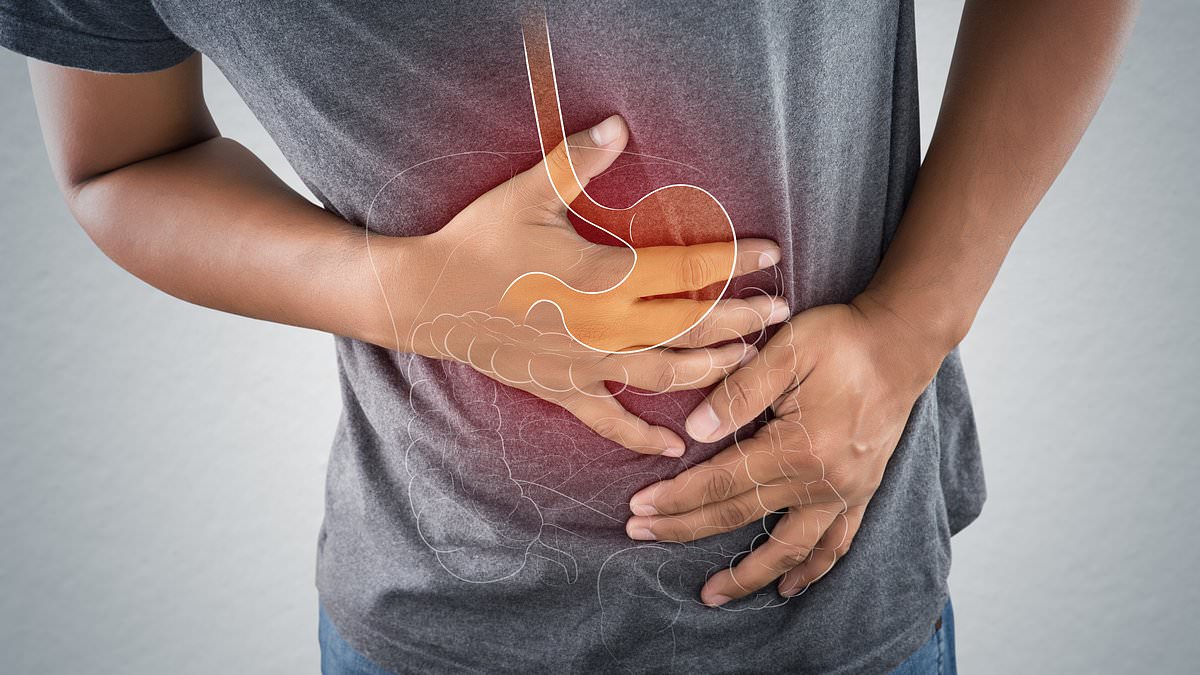
Health officials in Shasta County, California, have issued a warning about a Shigella bacterial infection that has sickened more than a dozen people, leading to hospitalizations. The infection, which causes symptoms such as prolonged diarrhea, fever, and stomach pain, can spread easily through various means including contaminated surfaces, food, and water. Groups at high risk include young children, travelers to areas with poor sanitation, men who have sex with men, and individuals with weakened immune systems. To reduce the risk of infection, thorough handwashing, safe food and water practices, and avoiding sexual activity during and after infection are recommended.
Shigella, a hard-to-treat bacterial infection, is increasing among Philadelphia's homeless and opioid-using populations, with 80 cases reported in October and November 2023. The germ causes severe symptoms and can be transmitted through fecal matter, posing a higher risk to those without access to clean facilities. Some strains are resistant to antibiotics, making treatment challenging, and health officials advise handwashing and safe sex practices to prevent its spread.
Scientists at the University of Nevada, Las Vegas have discovered a potential "off switch" for bacterial infections by tweaking a specific protein in the DNA of harmful bacteria. By interfering with the expression of this protein, known as VirB, the bacteria can be disabled, preventing it from causing illness. The researchers believe that this breakthrough could have broader applications in treating other clinically relevant bacteria. Shigella, a leading cause of severe diarrhea and death worldwide, was used as the primary focus of the study. However, the findings could pave the way for the development of preventive measures against various harmful bacteria.
More than two dozen attendees at a union conference held at the Bonaventure Hotel in downtown Los Angeles fell ill with Shigella, a common intestinal illness. The outbreak affected 32 of the over 300 conference attendees, with some requiring hospitalization. One attendee has filed a lawsuit against the hotel. Shigella is easily transmitted through fecal matter and is most common among young children. The CDC advises those with symptoms to drink fluids and seek medical attention if symptoms persist or worsen.
The Centers for Disease Control and Prevention (CDC) has warned about an increase in cases of the drug-resistant bacterial infection Shigella, which causes diarrhea and can spread easily. Antibiotic treatments for shigellosis have become less effective, with 5% of cases now resistant to antibiotics. Children under 5 are most at risk, and outbreaks often occur in schools and early care settings. Most people recover without treatment, but severe cases may require antibiotics. To prevent antimicrobial resistance, the CDC recommends using antibiotics only when needed and exactly as prescribed.
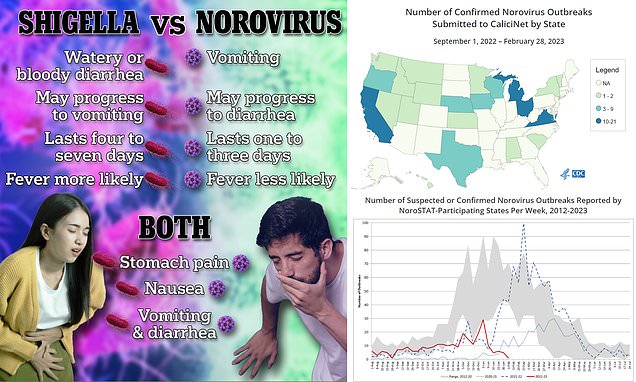
Cases of norovirus and shigella bacterial infections are on the rise, causing similar symptoms such as diarrhea and stomach cramps. Norovirus tends to start with vomiting and then progress to diarrhea, while shigella tends to be more diarrhea and less vomiting, with watery or bloody diarrhea. Norovirus cases normally clear up within three days, but shigella tends to last for four to seven days. Shigella is caused by a bacteria and can be treated with antibiotics, while there is no similar treatment for norovirus. Antibiotic-resistant strains of shigella are becoming more common, posing a serious public health threat.
The Centers for Disease Control and Prevention has warned about an increase in antibiotic-resistant bacteria known as shigella, which can cause stomach problems, particularly in children under 5. Shigella can cause bloody diarrhea, fever and stomach pain, among other symptoms, making this an illness no one wants to have. Doctors say there are a lot of other illnesses floating around right now that your child is more likely to get, but it's important to be cautious. Shigella infections are diagnosed with a stool culture and can be treated with oral antibiotics for three to five days.