Experts warn about Candida auris, a multi-drug resistant fungus detected in Connecticut, which poses a significant threat in healthcare settings due to its resistance to treatment, ability to spread rapidly, and difficulty in detection, primarily affecting immunocompromised patients in hospitals and nursing homes.
The article warns that common fungal infections like thrush are increasingly resistant to antifungal drugs due to factors like misuse, environmental changes, and Candida's adaptability, making treatment more challenging and highlighting the importance of good hygiene and microbiome health to prevent resistant strains.
A Florida doctor, Lily J. Voepel, faces disciplinary action after her office was found to have unsafe practices that led to at least three patients contracting hepatitis C, resulting in a temporary license suspension, fines, and mandatory training to improve infection control.
The Stratus COVID-19 variant, a hybrid of Omicron strains, is currently the dominant and slightly more infectious variant in the U.S., causing a rise in cases with symptoms similar to previous variants. Vaccination, mask-wearing, and good hygiene remain key to protection, and current vaccines are expected to be effective against it.
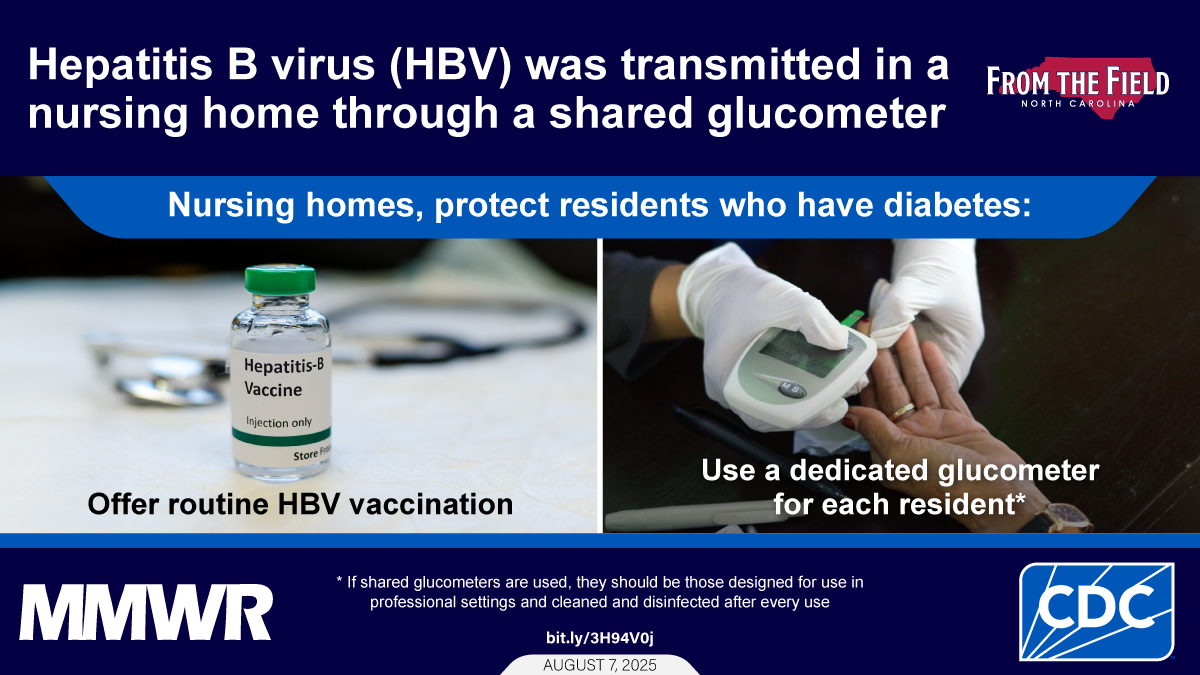
A hepatitis B outbreak in a North Carolina nursing facility was linked to shared glucometers used during assisted blood glucose monitoring, highlighting the risks of equipment sharing and emphasizing the importance of dedicated devices and routine vaccination for residents with diabetes to prevent HBV transmission.
A study using sensors in hospital bathrooms revealed that nearly 44% of people do not wash their hands after flushing, highlighting the need for more effective behavioral strategies to improve hygiene and prevent infection spread in healthcare settings.
A case of Shigellosis, a contagious bacterial infection causing diarrhea, fever, and stomach pain, has been confirmed at La Escuela Fratney Elementary School in Milwaukee. The Milwaukee Public Schools district is working with the Milwaukee Public Health Department to manage the situation, emphasizing hand washing and deep cleaning to prevent further spread. Parents and staff have been informed, and guidelines have been provided to ensure safety and health precautions are followed.
A case of shigellosis, a bacterial infection, has been reported at La Escuela Fratney Elementary School in Milwaukee. The Milwaukee Public Schools and the City of Milwaukee Health Department are collaborating to manage the situation, ensuring students and staff follow hygiene protocols to prevent further spread. Families have been informed, and the school is implementing enhanced cleaning measures. Shigellosis is contagious and can spread through contaminated food, water, or contact with fecal material, with symptoms including diarrhea, fever, and stomach pain.
A study published in the American Journal of Infection Control found that flushing the toilet with the lid down does not prevent the spread of small germs, as microscopic viral particles were found all over the restroom regardless of the lid position. While closing the lid did alter the trajectory of germs, the best way to reduce spread is by disinfecting the toilet, water, and nearby surfaces. Germs can linger for about 30 minutes after flushing, so it's advised to keep personal items away from the bathroom and avoid using your phone in there.
A study published in Clinical Infectious Diseases suggests that infection-control measures such as ventilation standards, COVID-19 testing, PPE use, and universal wearing of respirators effectively prevented most SARS-CoV-2 transmissions in a California healthcare system from 2020 to 2022. The study analyzed viral genomic and social network data, finding that most virus spread occurred outside the healthcare setting, particularly in shared spaces, and that healthcare workers were no more likely to acquire the virus in the hospital system, even during the peak of the Omicron wave. The authors recommend expanding mitigation measures, including enhancing ventilation and air exchanges, and supporting single occupancy rooms in future respiratory virus pandemics.
The Healthcare Infection Control Advisory Committee (HICPAC) has faced criticism for its draft guidelines that weaken infection prevention precautions, including suggesting that surgical masks are equivalent to N95s in protectiveness. Experts argue that these changes prioritize reducing liability for hospitals over protecting healthcare workers and patients. The committee has also been criticized for its lack of transparency, narrow membership, and failure to consider public input. Concerns have been raised about the potential for nosocomial Covid-19 infections and the toll of long Covid. Critics are urging the CDC to reject the draft guidelines and develop new ones that prioritize the safety of healthcare workers and the public. The CDC is expected to make a decision next month.
Several cases of the fungus Candida auris have been reported at UK Chandler Hospital in Lexington, Kentucky. The five isolated cases involve patients with the fungus on their skin, but without active infection. Candida auris is an emerging pathogenic yeast that can cause invasive infections and is resistant to multiple antimicrobials. UK HealthCare has implemented isolation and disinfection measures to prevent further transmission.
A study conducted by Northwestern Medicine has found that COVID-19 patients exhale high numbers of the SARS-CoV-2 virus during the first eight days after symptoms appear, with levels as high as 1,000 copies per minute. The study, which used a new device to collect breath samples from infected individuals, found that viral levels dropped significantly on day eight, reaching an average of two copies exhaled per minute. The research also revealed that both vaccinated and unvaccinated patients exhaled similar levels of the virus, regardless of the variant they were infected with. The findings provide valuable insights into the timing of viral shedding and could help inform infection control measures and public health recommendations.
The emergence of the BA.2.86 variant, with its high number of spike protein mutations, has raised concerns about the effectiveness of vaccines and the need for reintroducing measures to control viral spread. However, there is currently insufficient data to determine the impact of this variant. The effectiveness of face coverings, or masks, in preventing COVID-19 transmission remains a contentious issue due to limited comprehensive studies. Implementing mask mandates alone may not be effective without other measures, and public compliance could be challenging. The chances of significant multi-layered infection controls being reintroduced are currently low. BA.2.86 has spread globally but has not caused many hospitalizations, suggesting that existing immunity from vaccines and previous infections is still protective.
An employee at MU Health Care has tested positive for tuberculosis, prompting the activation of an administrative infection control plan and contact tracing protocols. The risk to most individuals is low, but those who had prolonged contact with the employee will be offered free testing. Tuberculosis is spread through the air and can affect various parts of the body. The employee is no longer in contact with patients or staff, and efforts are being made to manage the risks to those who may have been exposed.