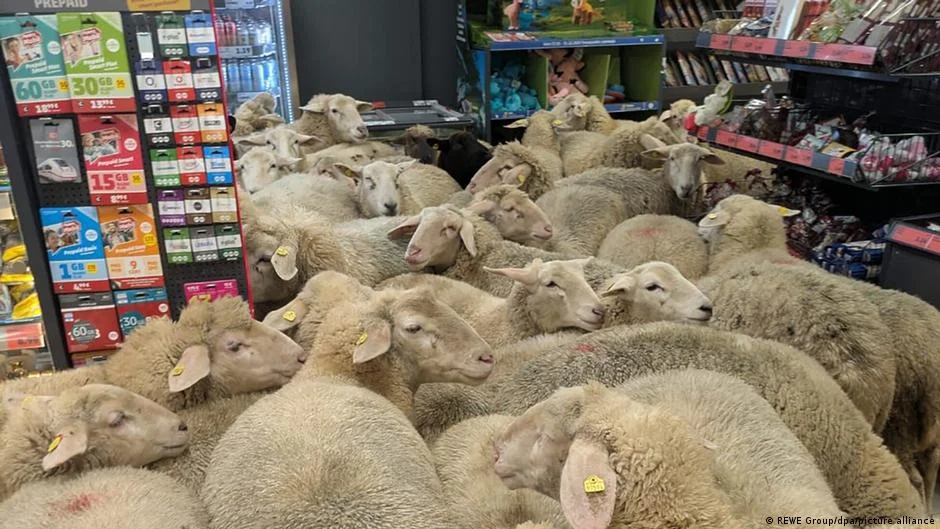
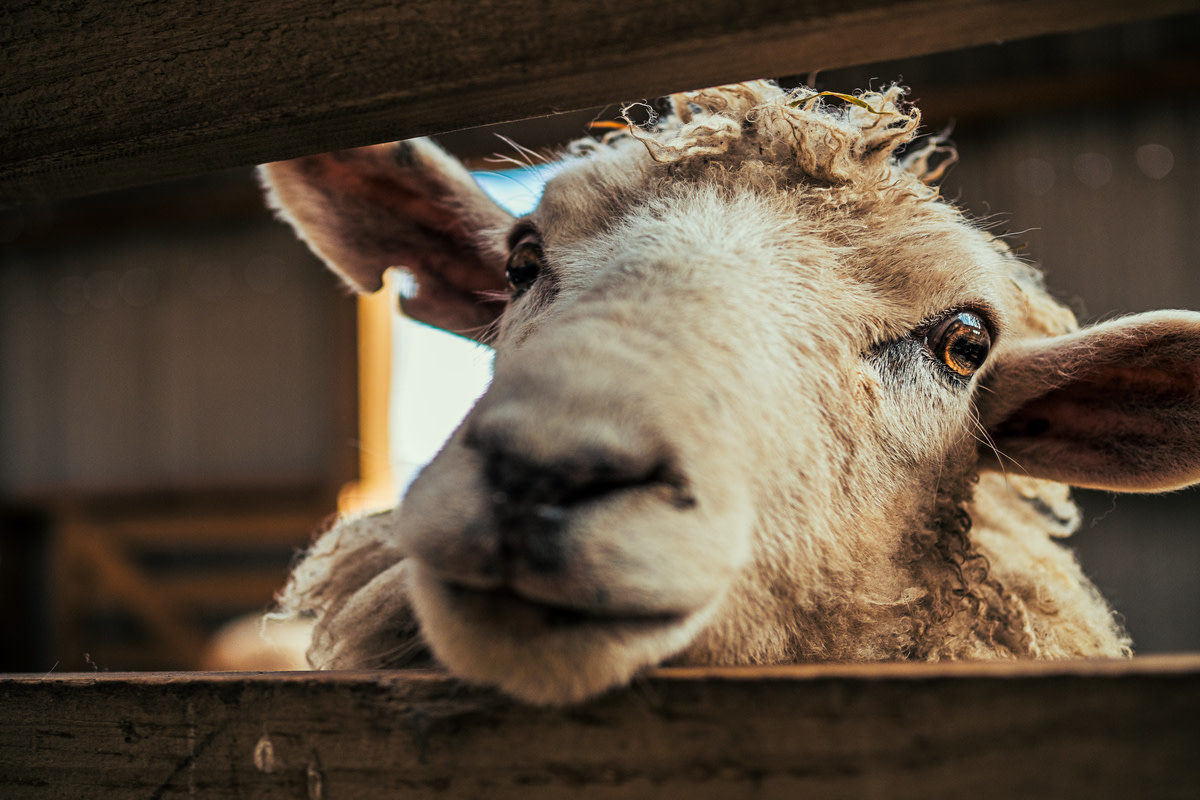
About 50 sheep wandered into a German supermarket in Bavaria, causing a brief chaos before being safely herded out. The incident has been turned into a marketing opportunity for the store, which plans to sponsor the sheep for a year.
India's first gene-edited sheep, Tarmeem, has turned one year old and is thriving, showing increased muscle growth due to CRISPR technology targeting the myostatin gene. Researchers aim to use this technology to enhance meat production sustainably in Kashmir, potentially revolutionizing local agriculture and addressing food security issues. The project marks a significant step in applying gene editing in livestock within India, though regulatory and ethical considerations remain.
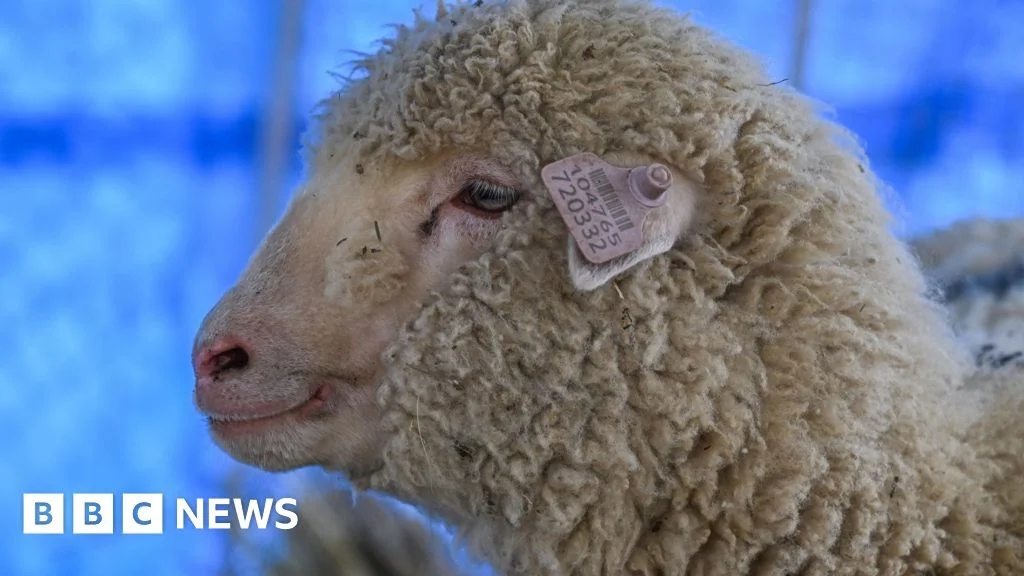
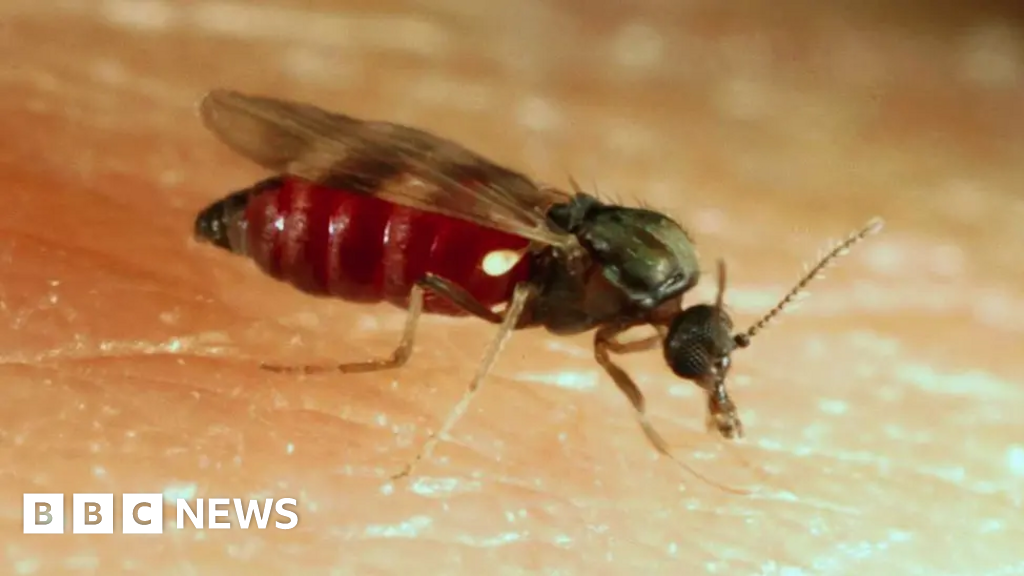
A sheep in Cornwall tested positive for bluetongue, a disease spread by biting midges that affects ruminants but not humans. The sheep died, but no culling of other animals is planned. Farmers are advised to maintain strict biosecurity and report any signs of infection to authorities.
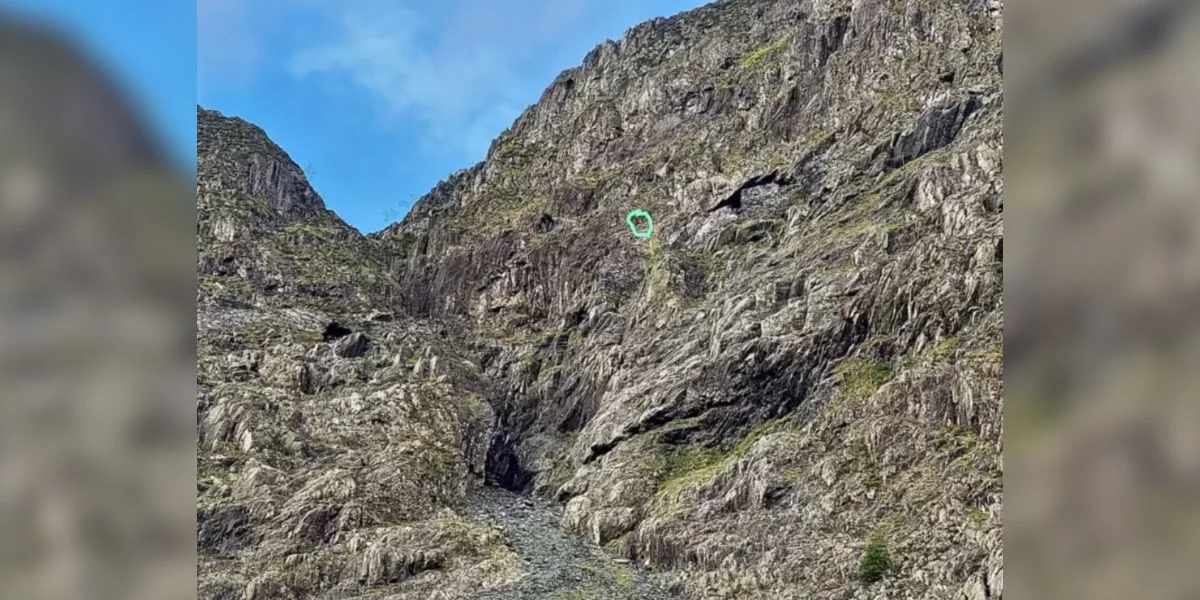
Rescuers in Cumbria, England, saved a Herdwick sheep stranded on a mountain ledge by rappelling down and safely returning her to the wild, highlighting a successful wildlife rescue operation.
Kiki, a paralyzed sheep, learned to drive a motorized wheelchair within an hour, showcasing resilience and inspiring many with her determination to live life to the fullest despite her disabilities.
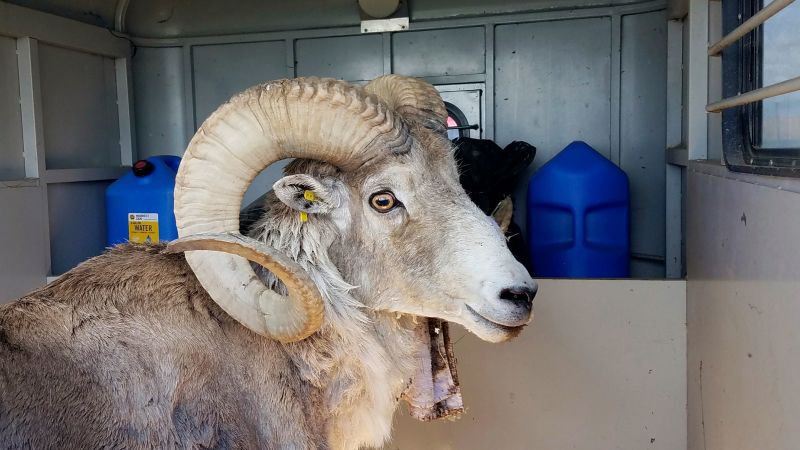
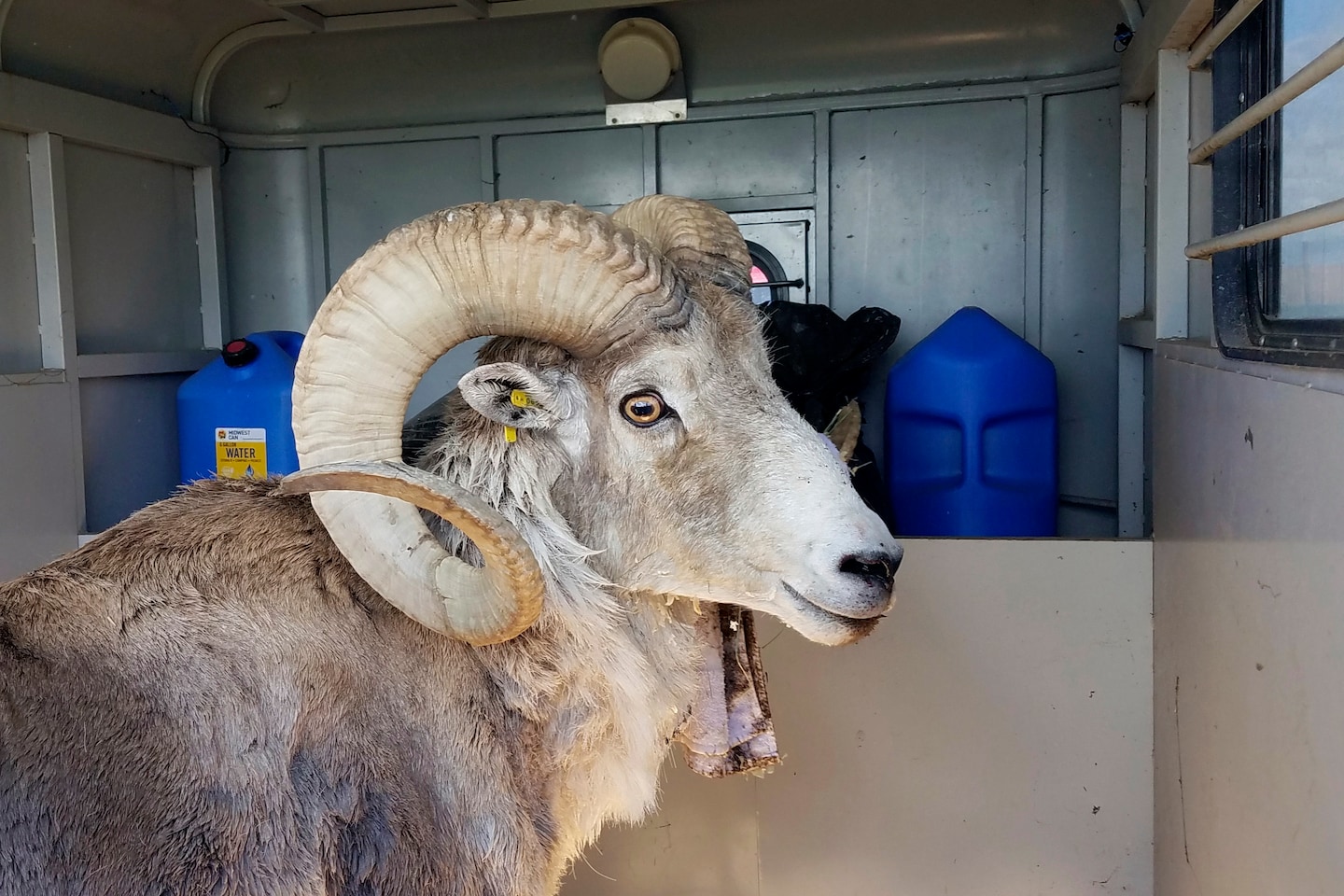
Montana ranch owner Arthur “Jack” Schubarth, 80, pleaded guilty to trafficking sheep parts from Asia to create a larger hybrid species of the threatened Marco Polo argali sheep for financial gain, violating the Lacey Act. He faces up to five years in prison and a $250,000 fine. Schubarth and others aimed to sell the species to captive hunting facilities, using cloned sheep and forging veterinary inspection certificates to move the illegal sheep. The US Fish and Wildlife Service and Montana’s Department of Fish, Wildlife and Parks are investigating the case, and Schubarth is set to be sentenced on July 11.
Montana rancher illegally created giant hybrid sheep by using genetic material from the threatened Marco Polo argali sheep, selling them for hunting at high prices. Arthur “Jack” Schubarth, 80, pleaded guilty to felony wildlife counts and faces up to 10 years in prison and fines of up to $500,000. He created more than 150 cloned embryos and successfully bred a male Marco Polo argali, selling its offspring for $10,000. Schubarth's scheme violated state and federal laws, potentially threatening the integrity of wildlife species in Montana. He is set to be sentenced on July 11.
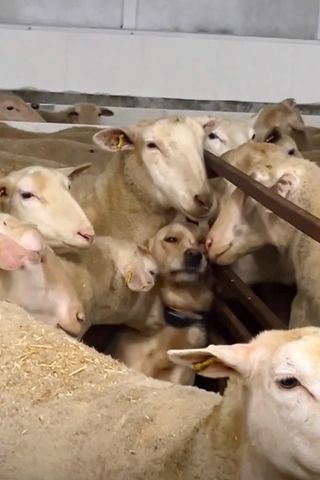
A golden retriever named Lexie has become a viral sensation after a TikTok video showed her comfortably nestled among the sheep on her owner's farm in Canada. The owner, Alyssa Teeuwissen, shared that Lexie adores the sheep and enjoys giving them kisses, and believes that the dog thinks she's a sheep and wants to be with them all the time. This heartwarming display of animal friendship has garnered over 12 million views on TikTok, with users delighted by the dog's integration with the flock. This isn't the first instance of a golden retriever forming a bond with a farm animal, as another viral video showed a golden retriever named Riley trying to share a plush toy with a zebu calf.
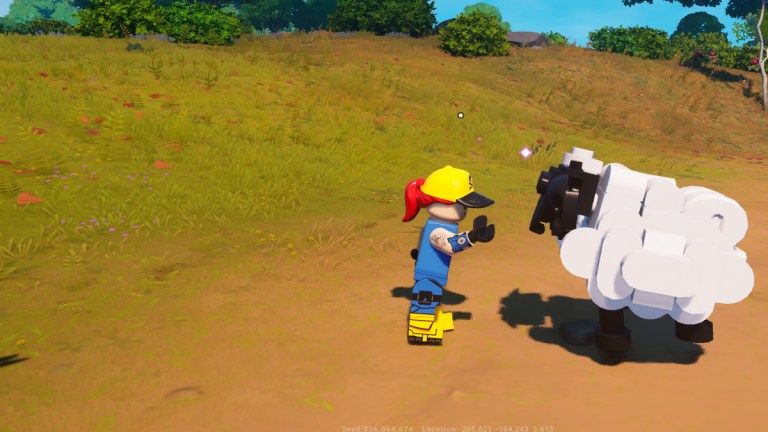
In LEGO Fortnite, Wool is a valuable resource used to create Fabric and Thread for crafting various items. To gather Wool, players need to pet Sheep found in the Grasslands and Frostlands biomes. Killing Sheep only yields Meat, so it's important to pet them first. Sheep can also be lured using Vines or Berries and placed in a pen for easy access. However, animals despawn when the player is not in the world. If there are no Sheep nearby, exiting and re-entering the game can trigger new spawns.
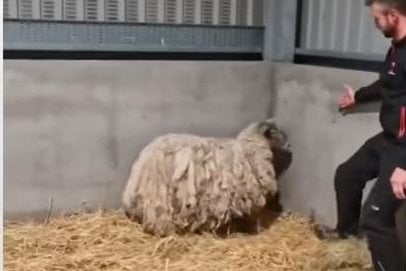
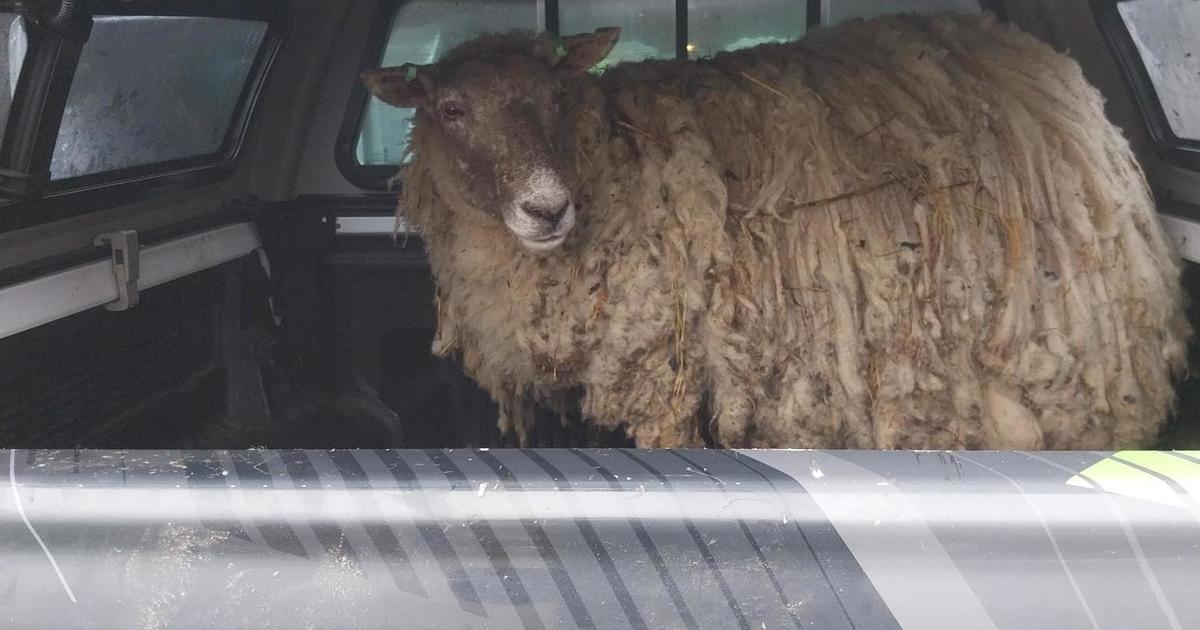
A sheep, dubbed "Britain's loneliest sheep," was rescued by a group of farmers after being stranded at the foot of a Scottish cliff for at least two years. The sheep, named Fiona, was successfully hauled up a steep slope by the rescuers. Previous rescue efforts had been planned, but Fiona's arrival at a petting zoo was delayed due to protests from a volunteer group concerned about the stress it may cause the formerly isolated ewe. Fiona has now arrived at the petting zoo and is settling in well.
A sheep known as Britain's "loneliest sheep" has been rescued by a group of farmers after being stuck at the foot of a remote cliff in Scotland for nearly two years. The sheep, named Fiona, was discovered in 2021 and had been unable to move from her spot on the base of the cliff. Despite previous attempts by others, it was deemed too risky to rescue her until now. Using heavy equipment and a winch, the farmers successfully brought Fiona up the slope of the cliff. The sheep is now in good bodily condition and will be taken to a farm in Edinburgh.
Police were called to a farm in Scotland after animal rights activists were accused of intimidating staff over the expected arrival of "Britain's loneliest sheep," Fiona. The activists had been working on rescuing Fiona, who had been stuck at the foot of a cliff for two years, but rival rescuers allegedly went behind their back to winch her up the cliff. The farm intended to rehabilitate Fiona before opening to the public again in the spring, but her whereabouts are being kept secret due to safety concerns. Animal Rising, the activist group, apologized for the situation and expressed concerns about Fiona being kept in a petting zoo. Police attended the scene but reported no issues.
Lamb Mowers, a small business in Northern Virginia, is revolutionizing lawn care by employing sheep to mow, weed, and fertilize suburban lawns. By grazing on nuisance plants and selectively eating weeds, the sheep provide a natural and chemical-free alternative to traditional lawn maintenance. The sheep's gentle grazing habits promote healthy root growth and biodiversity, while their presence brings joy and therapeutic benefits to homeowners. This sustainable approach to lawn care reduces emissions and connects people with nature, offering a glimpse into a different relationship with grass and the environment.
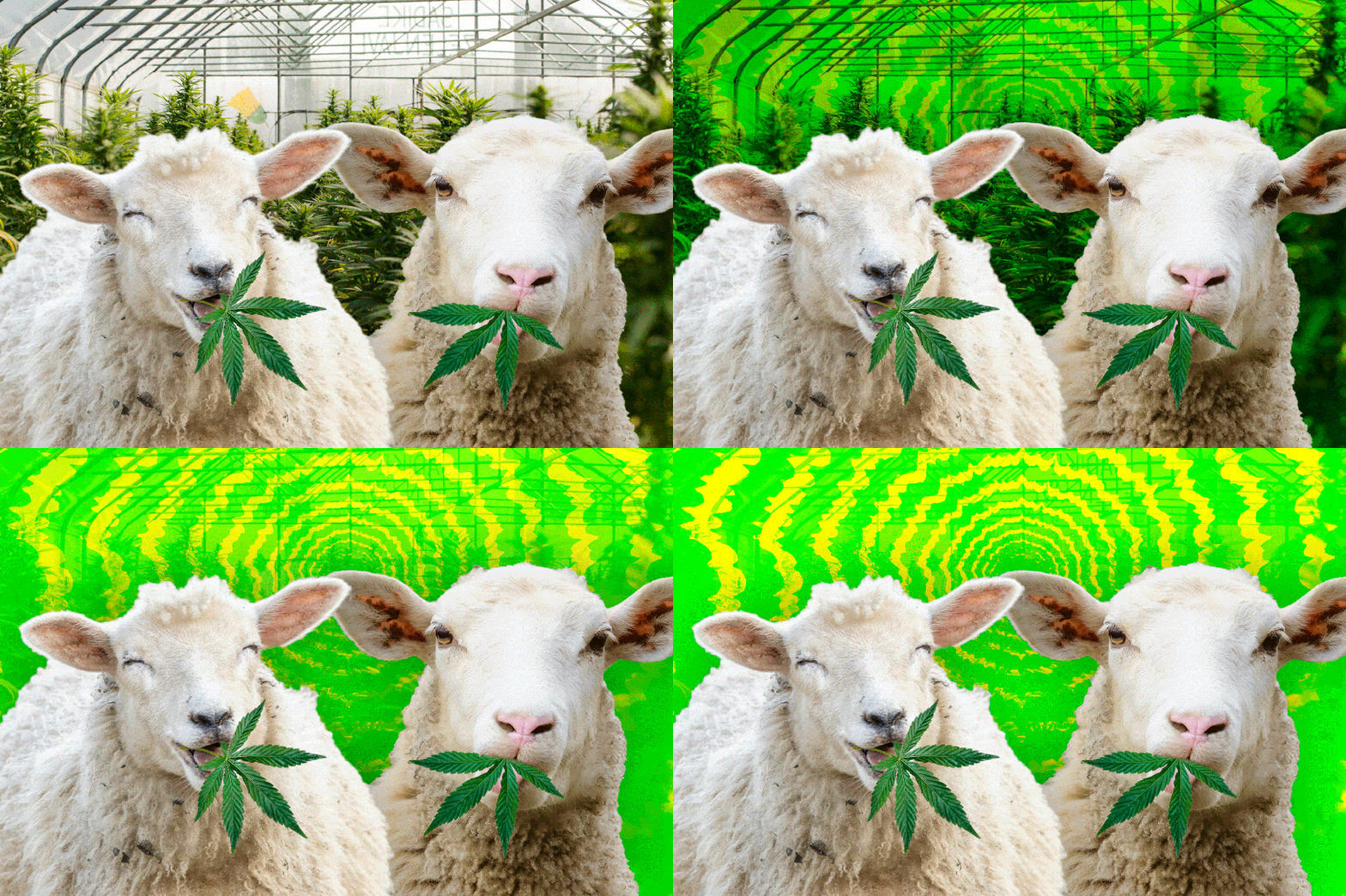
A flock of sheep seeking refuge from flooding in Greece broke into a greenhouse and consumed 600 pounds of medical cannabis. The sheep's owner was shocked by the incident, stating that his sheep started behaving strangely and jumping higher than goats after eating the marijuana. While cannabis has been legal for medicinal use in Greece since 2017, it is dangerous for animals, and cases of cannabis poisoning among animals, particularly dogs, have been on the rise.
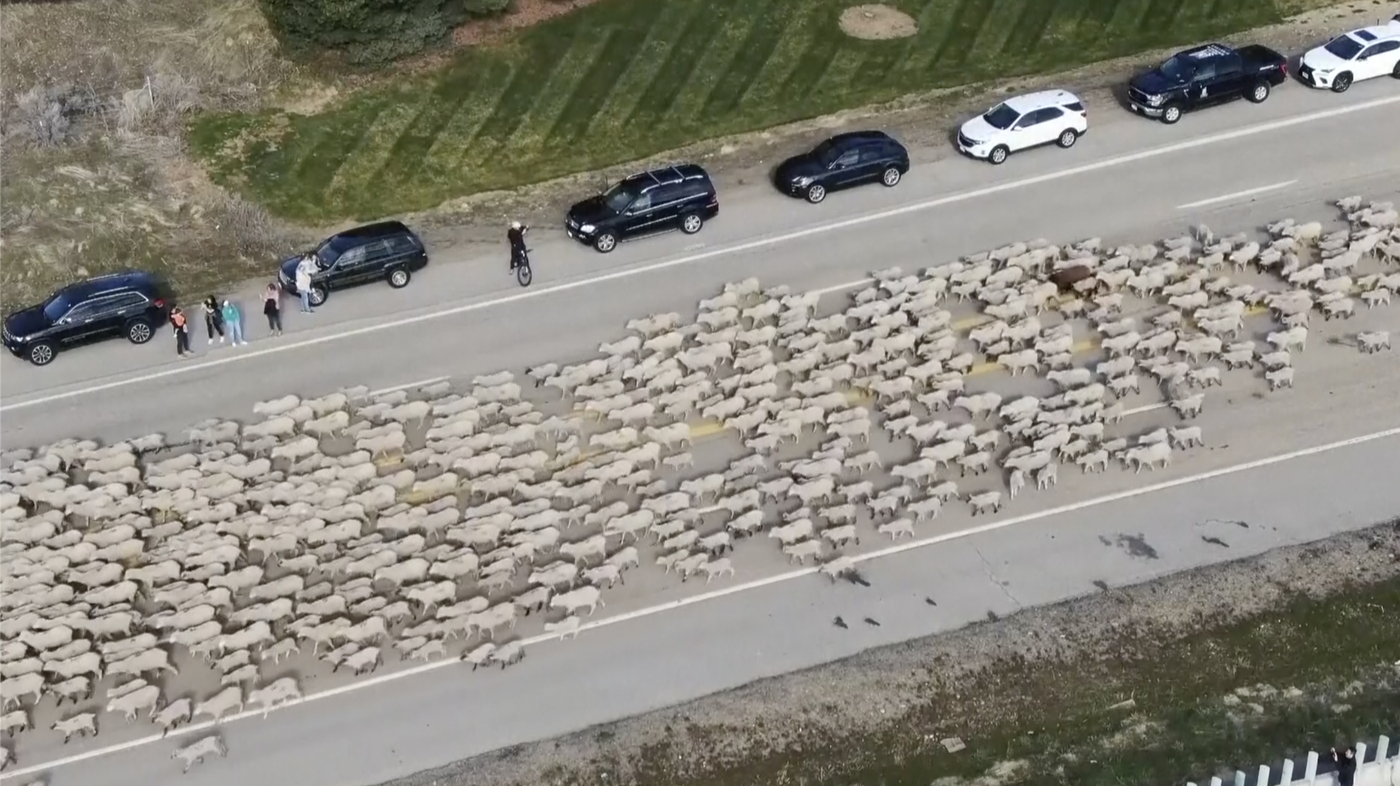
A herd of 2,500 sheep crossed a highway in Idaho, guided by ranchers and sheepdogs, on their way to higher elevation for the summer. The sight attracted a crowd of about 300 people, the largest turnout in 15 years, according to a spokesperson for the Idaho Rangeland Resources Commission. The tradition of moving sheep to graze in the forest dates back around 100 years and helps prevent fires and invigorate plant growth.