
Seven Climbers Killed in Nepal Avalanche
An avalanche on Nepal's Mount Yalung Ri has resulted in at least two deaths, with five people missing and several injured, complicating rescue efforts due to poor weather and high altitude.

All articles tagged with #mountain
An avalanche on Nepal's Mount Yalung Ri has resulted in at least two deaths, with five people missing and several injured, complicating rescue efforts due to poor weather and high altitude.
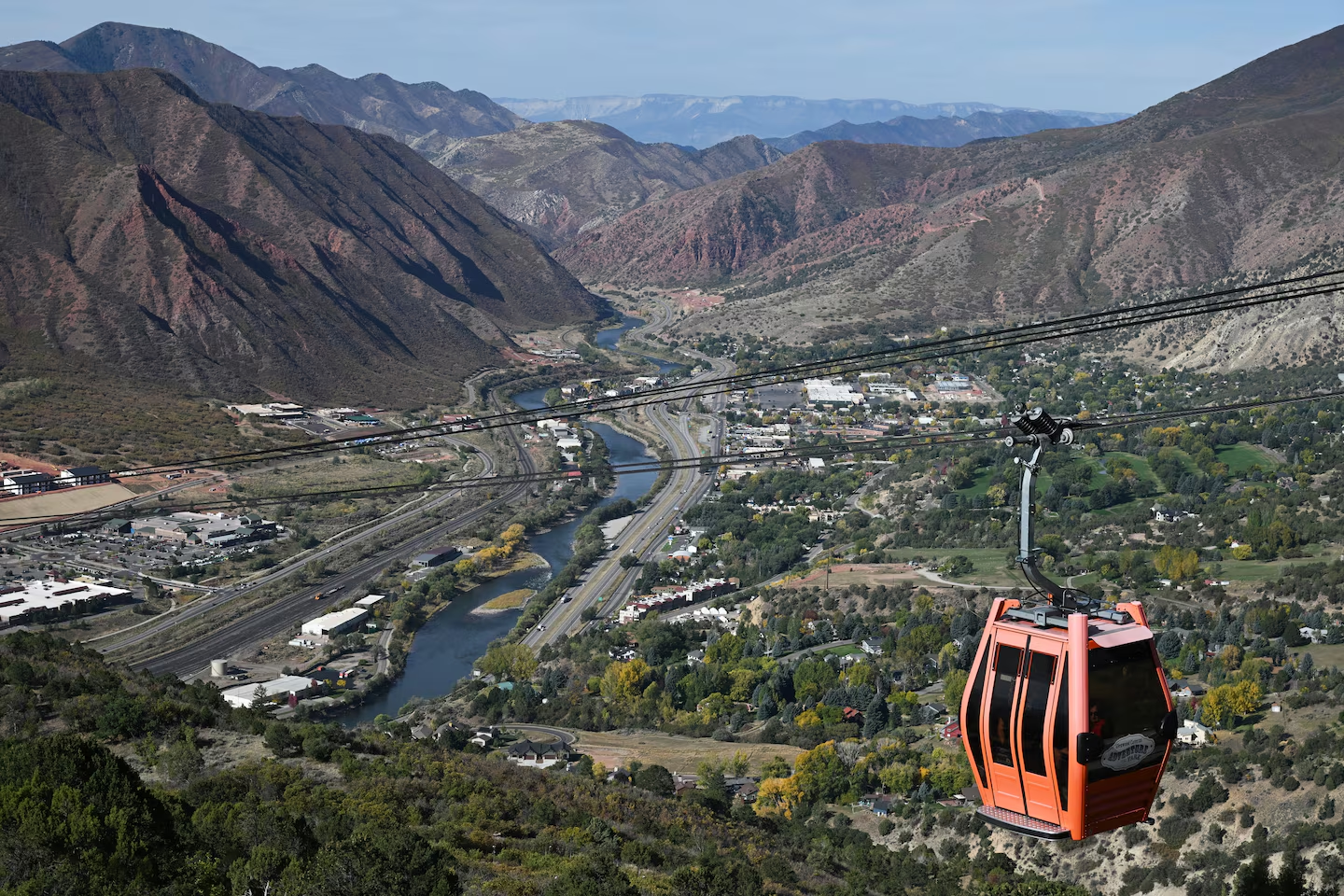
The article discusses the varying perceptions of what constitutes a mountain versus a hill, highlighting the cultural differences in the American West and East, and exploring data on the height at which a hill is considered a mountain.

Hundreds of climbers are stranded on Mount Everest due to a severe blizzard on the Tibetan side, with rescue efforts underway but hampered by ongoing heavy snow and winds. About 350 hikers have been rescued, and more than 200 remain at camps below the summit, with reports of damaged tents and potential casualties. The situation is complicated by persistent weather conditions and recent heavy precipitation affecting neighboring Nepal as well.
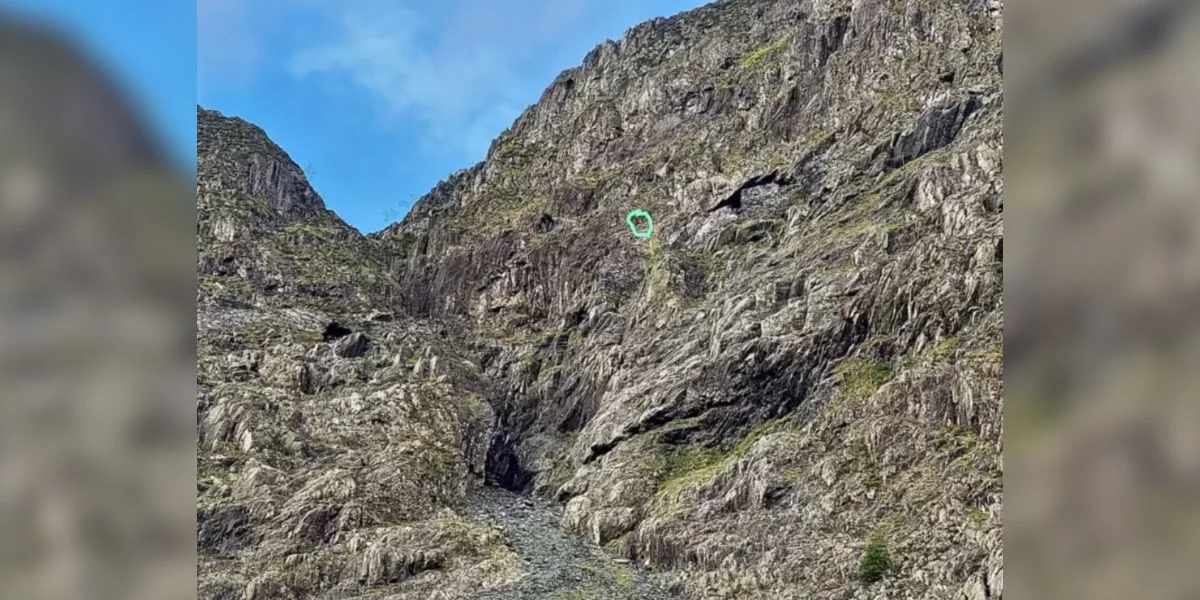
Rescuers in Cumbria, England, saved a Herdwick sheep stranded on a mountain ledge by rappelling down and safely returning her to the wild, highlighting a successful wildlife rescue operation.

A father and daughter from New York were found dead on Mount Katahdin in Maine after going missing during a hike, prompting an extensive search effort that ended in tragedy.

A hiker, Tim Keiderling, was found dead on Maine's Mount Katahdin after he and his daughter Esther went missing during a hike; search efforts are ongoing to find Esther, with over 30 personnel involved.
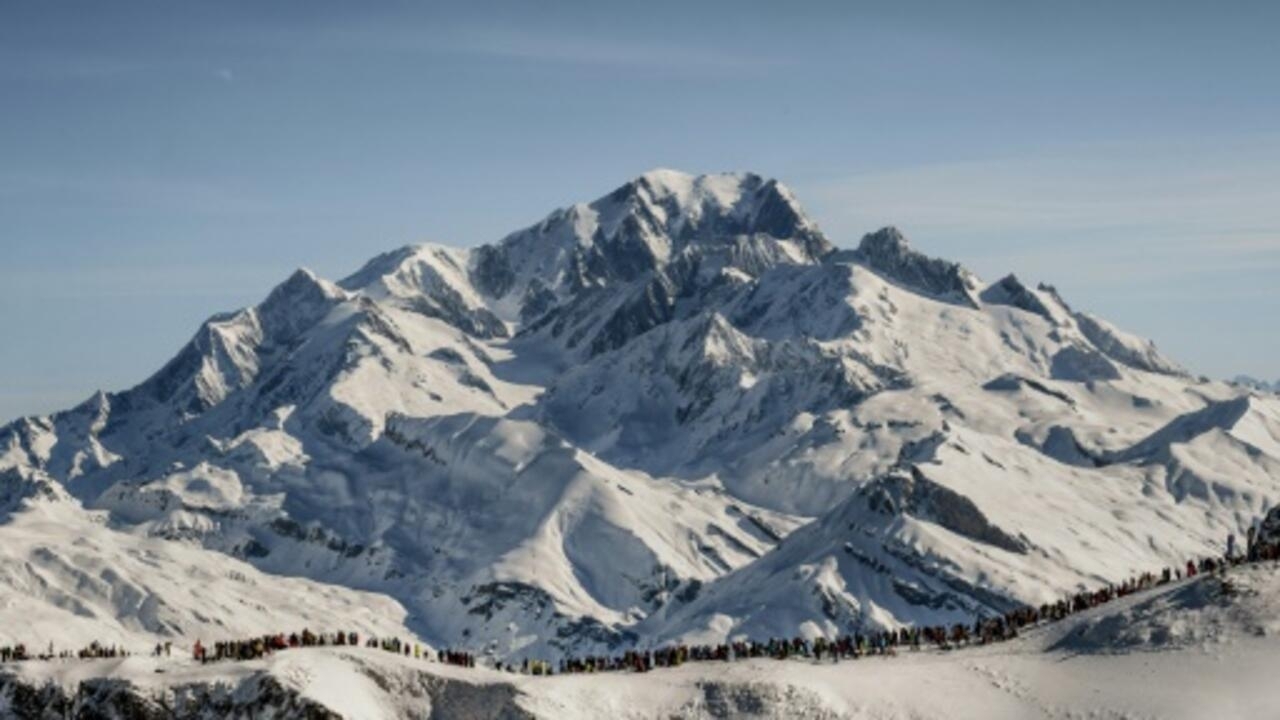
France's tallest mountain, Mont Blanc, has decreased in height by over two meters in the past two years, measuring at 4,805.59 meters (15,766.4 feet). The decline may be attributed to lower summer precipitation. The mountain's peak measures 4,792 meters above sea level, but its ice and snow covering varies annually due to weather conditions. Researchers have been measuring Mont Blanc every two years since 2001 to study the impact of climate change on the Alps. The recent measurements were conducted by a team equipped with high-tech tools and a drone.
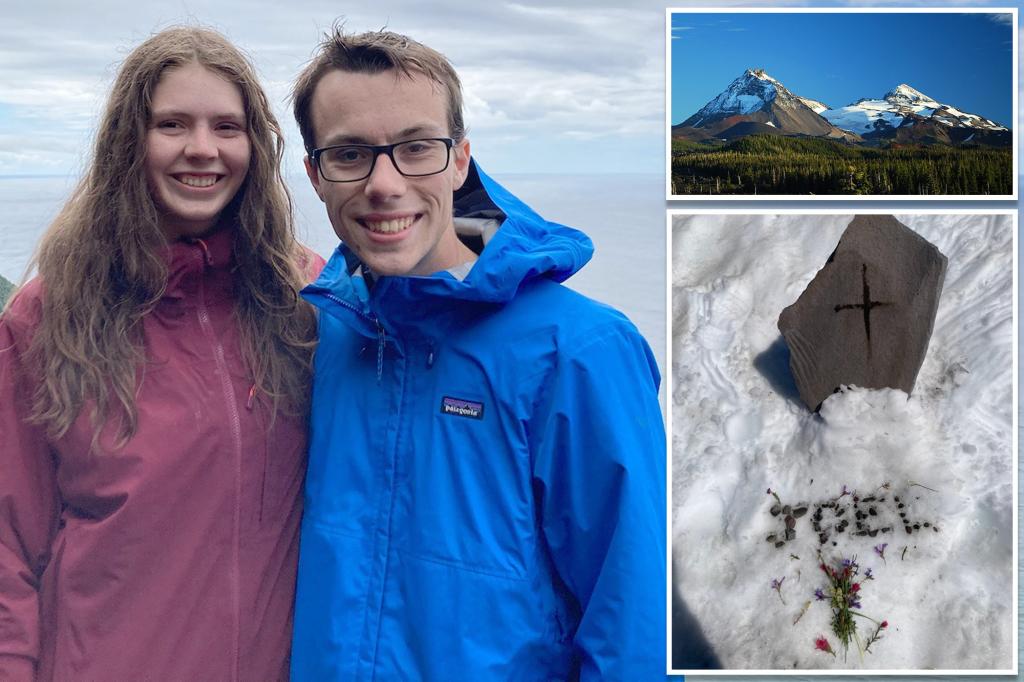
A 21-year-old college student, Joel Tranby, fell between 300 and 500 feet to his death while hiking with his girlfriend on North Sister Mountain in Oregon's Cascade Mountains. The area where he fell is described as "extremely dangerous" and inaccessible by foot. Despite search efforts, Tranby's body was not located until drone footage was analyzed, and authorities are now consulting climbing experts to determine if his body can be safely recovered. Tranby's family has launched a GoFundMe to create a scholarship in his memory and cover expenses related to recovering his body.

A 21-year-old college student, Joel Tranby, fell to his death while climbing North Sister in Oregon's Cascade Mountains. Despite search and rescue efforts, his body was located days later in a steep, rocky ravine. Tranby, an outdoor enthusiast and active member of his community, was climbing with his girlfriend when he fell about 300 to 500 feet. The difficult terrain and loose volcanic rock made recovery efforts challenging. Tranby's parents expressed gratitude to the search crews and stated that their son was doing something he loved.
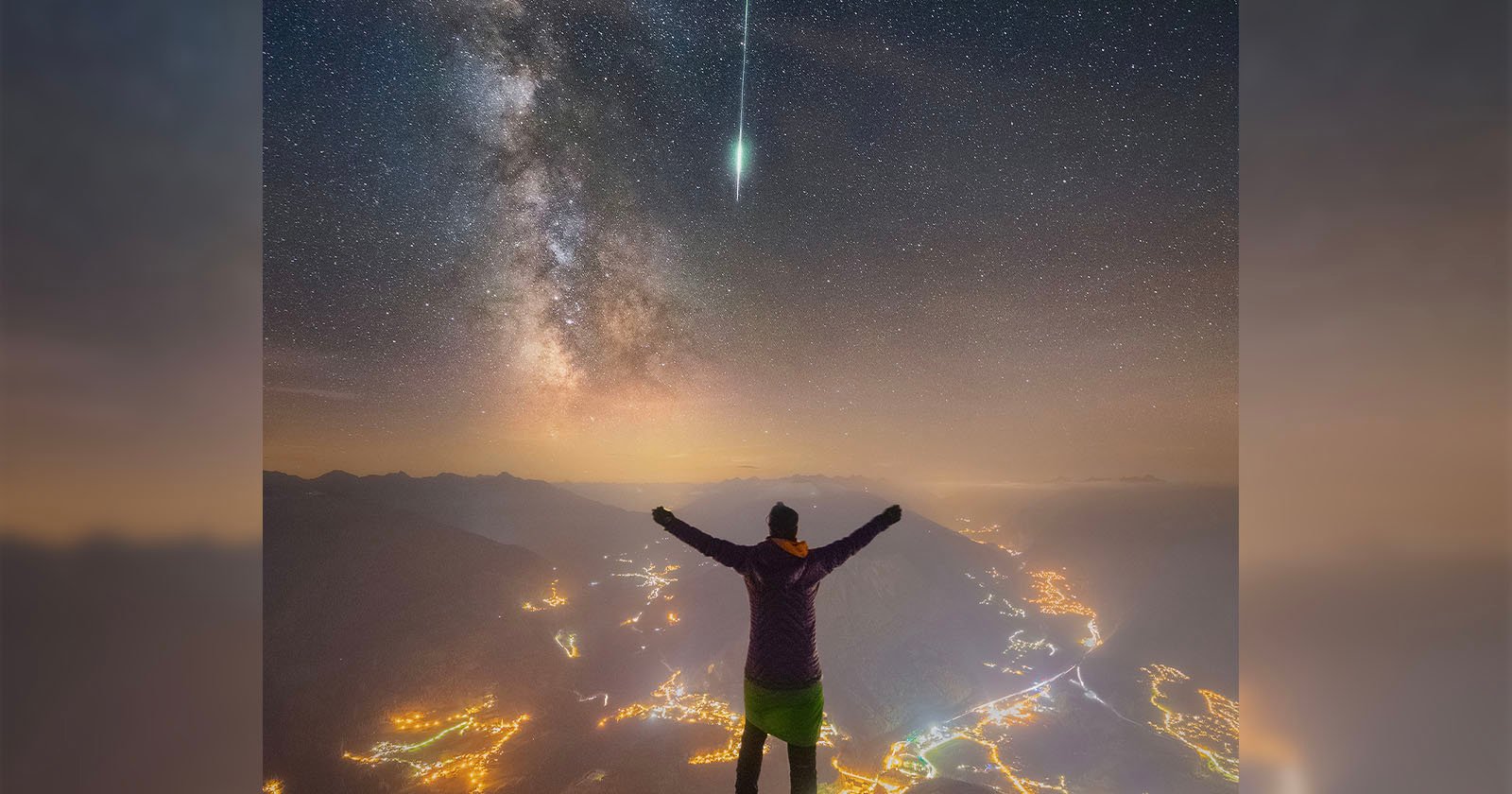
Photographer Nicholas Roemmelt captured a stunning image of a shooting star, the Milky Way Galaxy, and the Alps during the Perseids meteor shower by blending different exposures taken from the same spot. Despite poor weather conditions, Roemmelt climbed a mountain and successfully captured the shot in 2018. The image, recently featured on NASA's Astronomy Picture of the Day, is a composite but all elements were present in the scene. The Perseid meteor shower is currently underway and expected to peak on August 13.
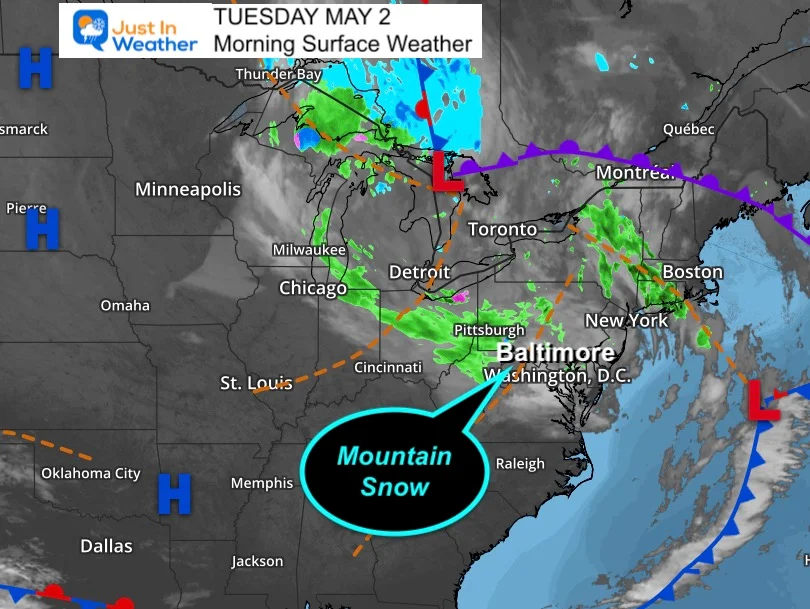
A large block and locked in cold core Low in the Great Lakes is producing an unusual weather pattern, resulting in cloudy, chilly, and wet weather with record snow in the mountains. The Omega Block across North America is responsible for the mountain snow, while rain showers will be on tap for the rest of us. The winter storm warning and winter weather advisory are in effect for Garrett County, MD, with snow expected to stick through Wednesday. The weather pattern will gradually break as we head into the weekend.
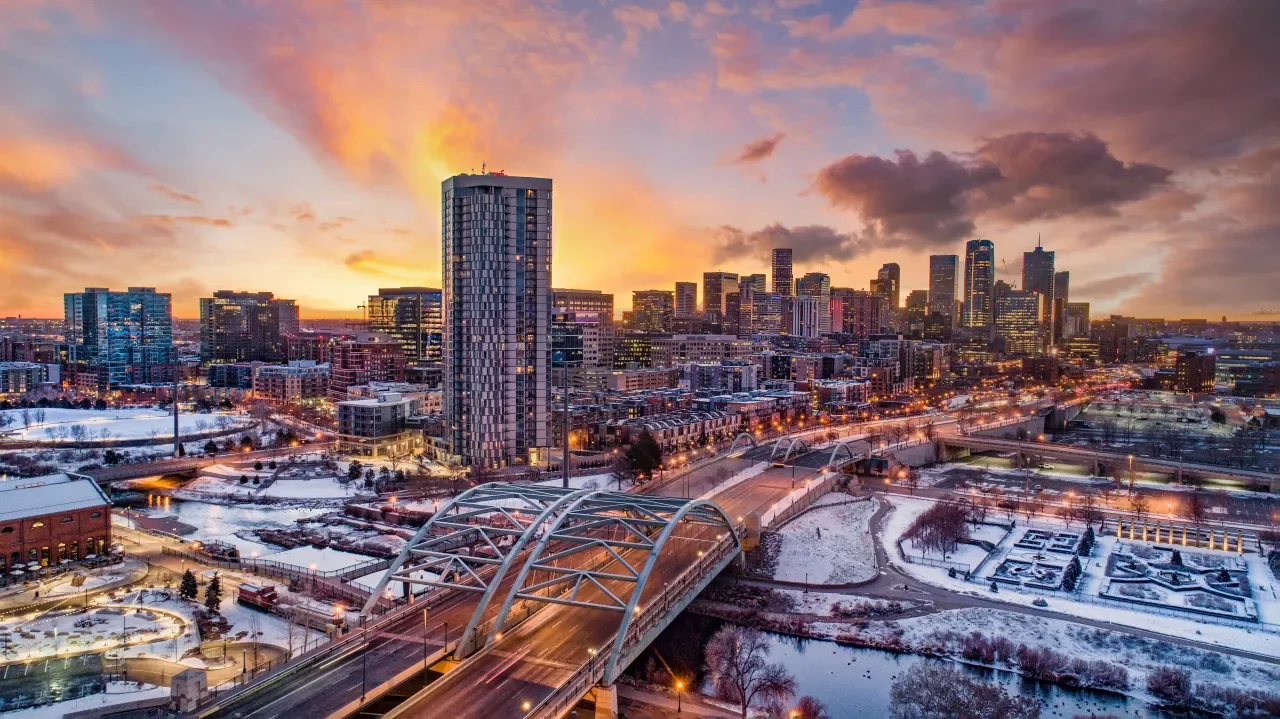
Denver will experience a drastic change in weather as temperatures drop from near 70 degrees on Wednesday to 30-degree temperatures and snow by Thursday due to Colorado's next storm system. Snow showers will start in Colorado's western mountains overnight, with increasing clouds across the state. Temperatures will hit the upper 60s on Wednesday in Denver, with some spots on the Front Range reaching the low 70s for the first time this year. By Thursday morning, temperatures will turn cold enough for rain showers to change over to snow. Snowfall totals will be small in the lower elevations with most of the Denver metro area seeing less than an inch.