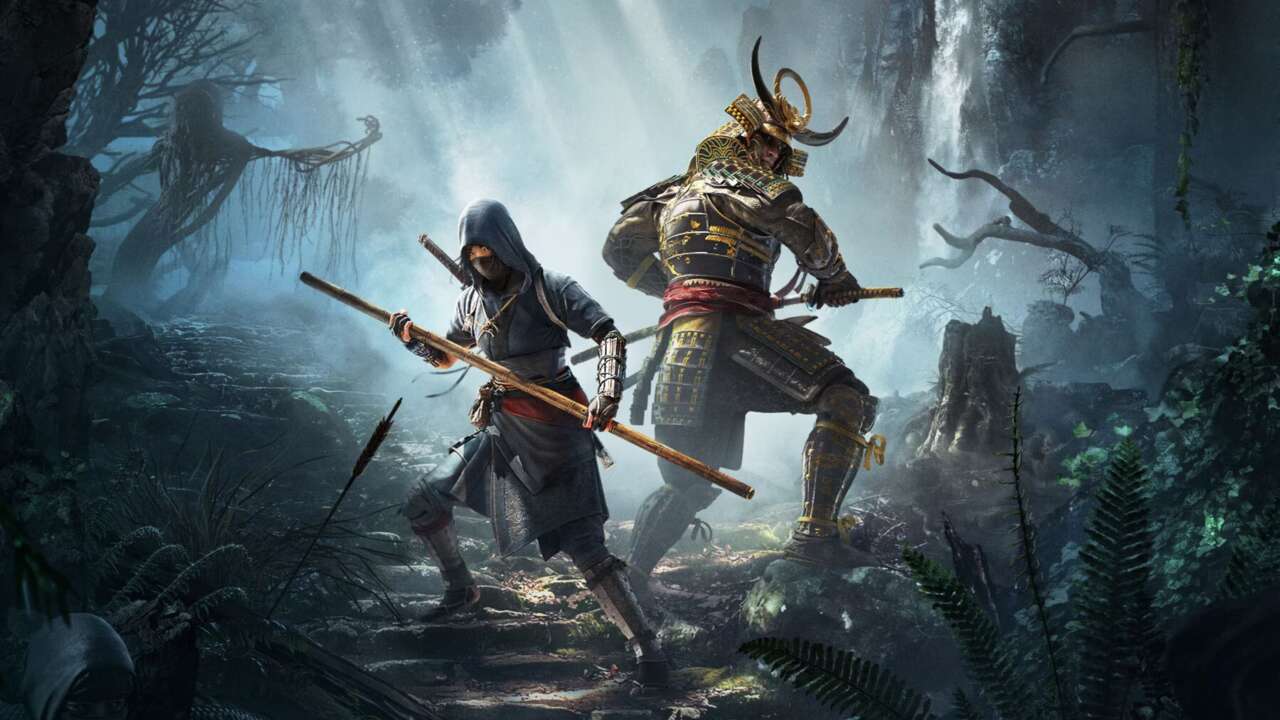
The Claws of Awaji DLC for Assassin's Creed Shadows offers improved gameplay with a more engaging cat-and-mouse mechanic and concludes lingering storylines, but suffers from an unsatisfying and unfinished narrative ending, and Yasuke's presence detracts from Naoe's story, making it a mixed but somewhat recommended experience for fans.
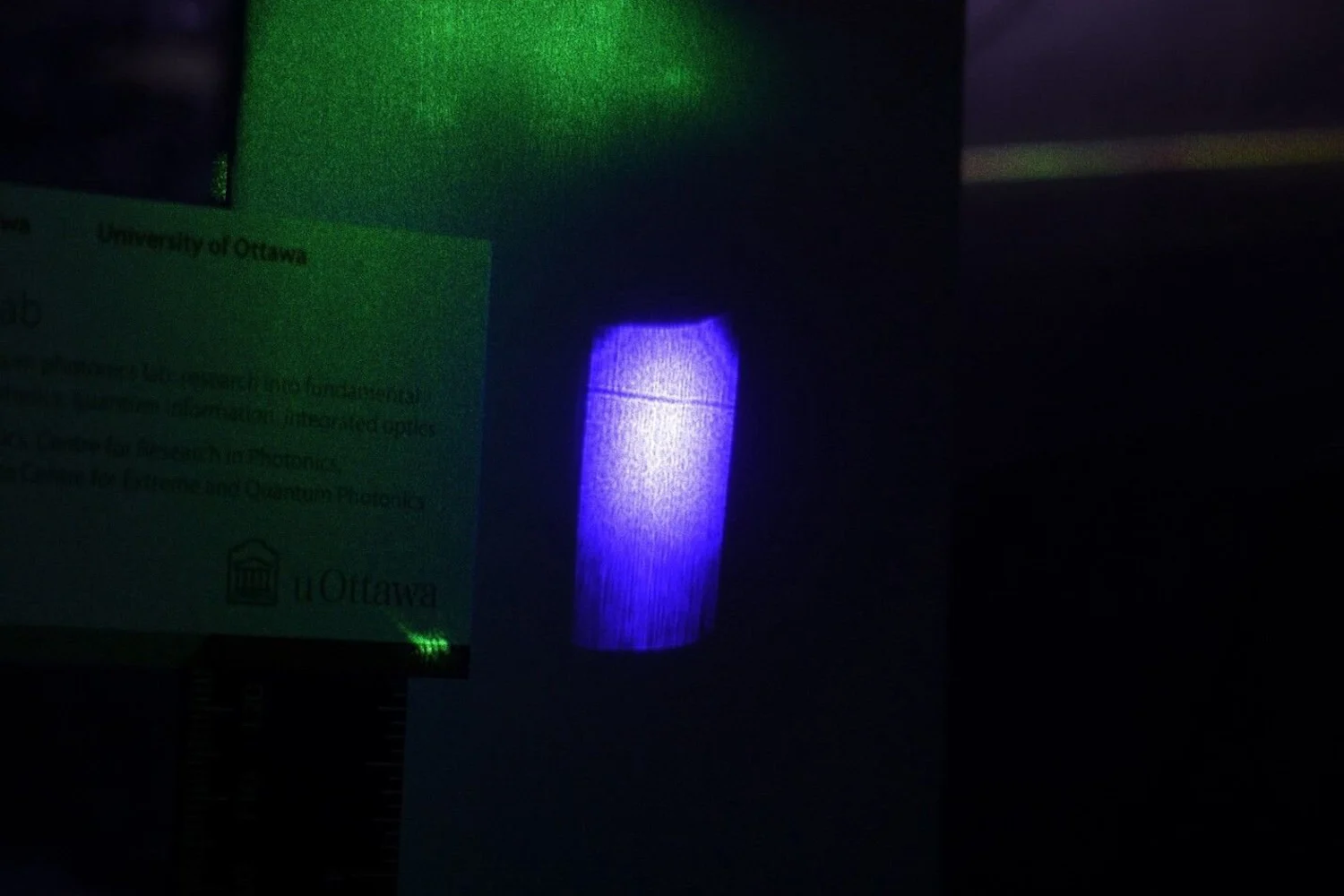
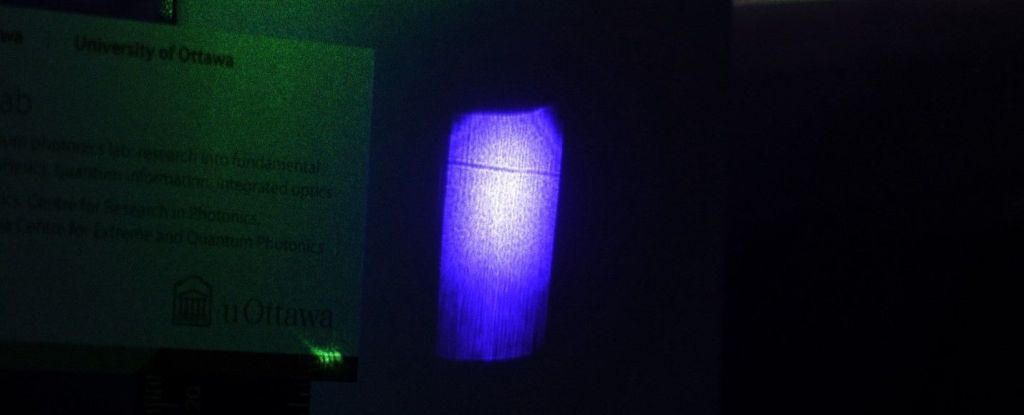
Scientists have demonstrated that lasers can cast shadows, a phenomenon previously thought impossible, by using a green laser to block a blue laser in a ruby crystal. This discovery, published in Optica, challenges traditional notions of shadows and could impact technologies using lasers, like fiber optics. The experiment raises questions about whether the shadow is cast by the laser itself or the ruby crystal, expanding possibilities for laser control.
Scientists have discovered that lasers can create shadows by using nonlinear materials, such as ruby, to block light. When two laser beams intersect in a specific way, the primary beam is obstructed by the secondary, casting a shadow. This finding challenges traditional notions of shadows and light interactions, and could have applications in optical switching and light transmission technologies. The research is set to be published in Optica.
Shadows can appear to move faster than the speed of light, but this is an illusion as no actual information or material object exceeds light speed, preserving the laws of physics.
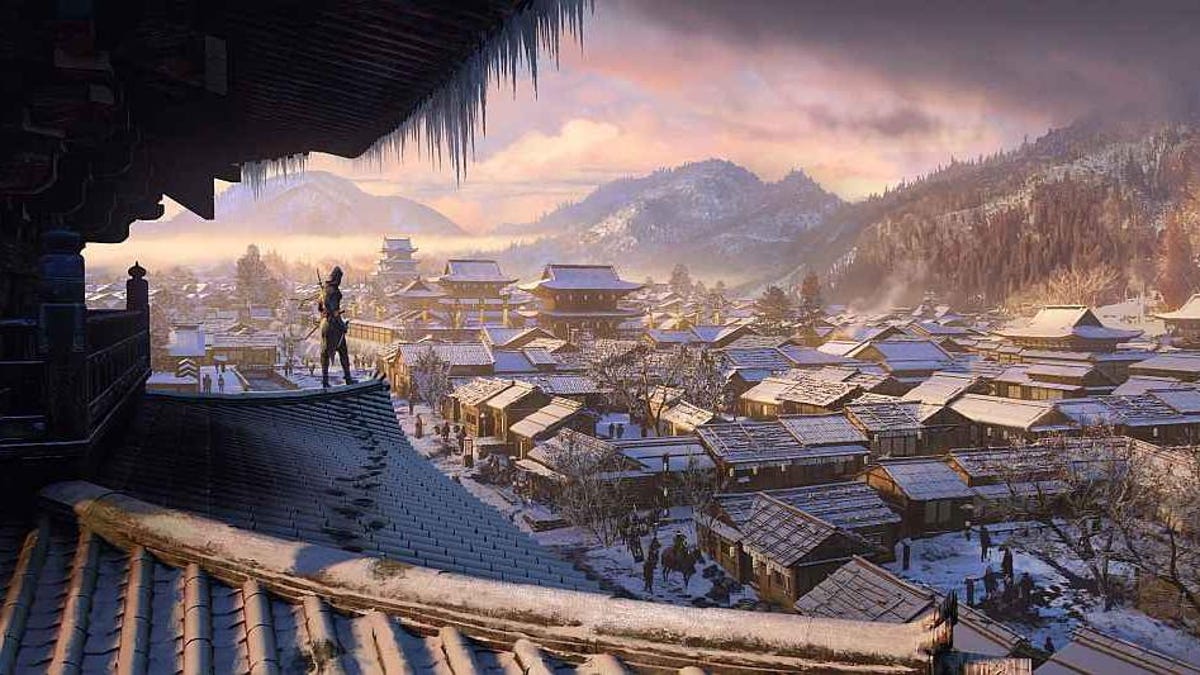
Fans of Assassin's Creed have deciphered clues from developer riddles and an ARG experience, suggesting that the upcoming game, Shadows, will be set in the Kansai region of Japan, specifically around Kyoto and Osaka, during the Sengoku period.
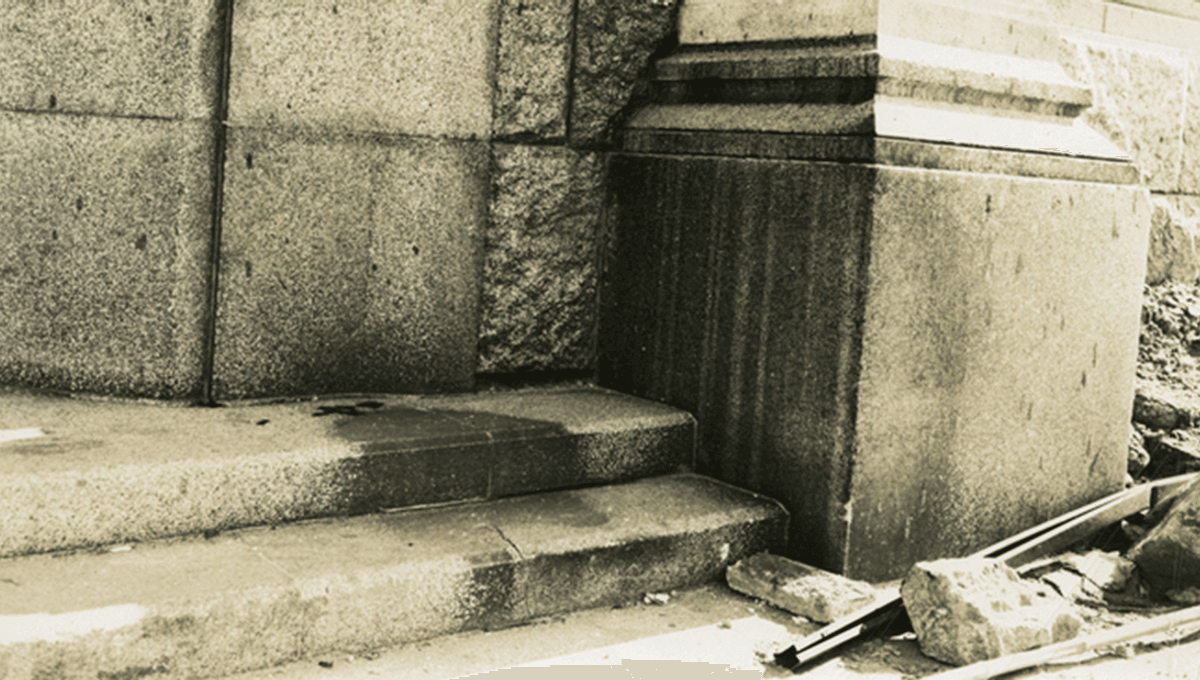
There is a misconception that the shadows found and preserved at Hiroshima after the atomic bomb was dropped in 1945 are the vaporized remains of people killed in the blast. However, these shadows are actually imprints created by the bomb's energy bleaching the surrounding area, while objects on its path absorbed the energy. Efforts have been made to preserve these imprints, including an exhibition at the Hiroshima Peace Memorial Museum.
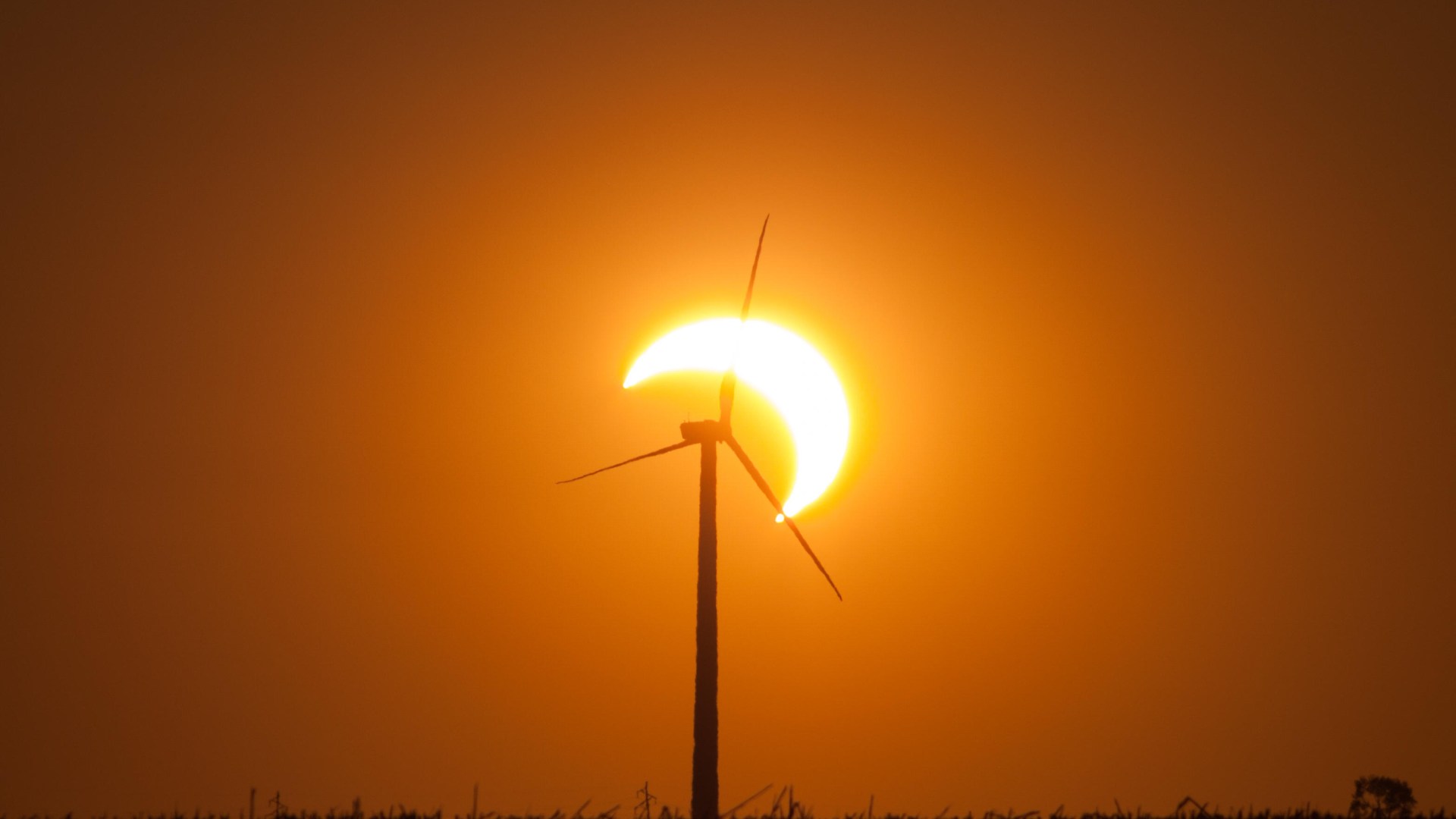
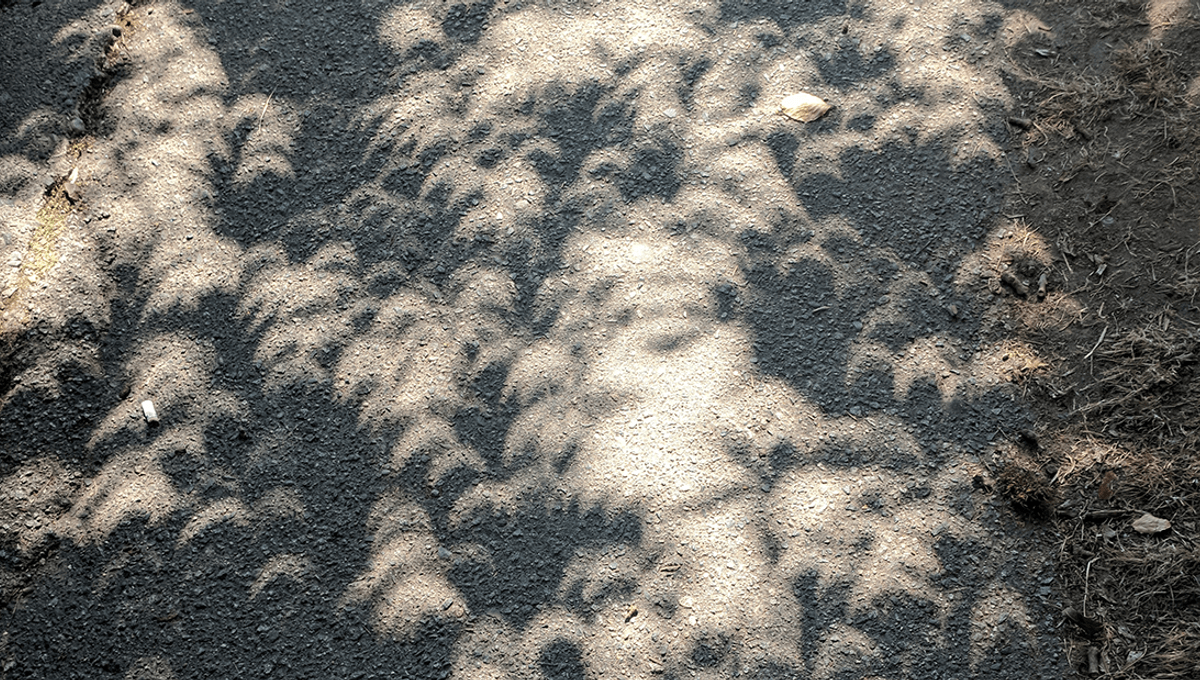
During a solar eclipse, various strange phenomena occur. Animals can become disoriented, with diurnal animals retreating to their shelters and nocturnal animals becoming active during the day. Spiders break down their webs and rebuild them after the eclipse. Hippos in Zimbabwe leave their rivers and head to their nocturnal feeding grounds. Humans may feel tired or lethargic due to the sudden change in natural light. The atmosphere experiences changes in winds, temperature, cloud cover, and humidity. Radio waves can be scrambled due to the depletion of particles in the ionosphere. Shadows during an eclipse are dappled with bright crescents. Microbes may become smaller and differently shaped during an eclipse, although further research is needed to confirm these findings.
Americans witnessed a "ring of fire" annular eclipse on Saturday, and some captured fascinating "eclipse shadows" naturally projected onto the ground. These projections can be seen by creating a pinhole camera or through gaps in the light between leaves of trees. The phenomenon occurs when light passes through a small hole, creating a projection of the eclipse on a surface below. This provides a safe way to view the eclipse without damaging the eyes.