Tag

Service Industry

All articles tagged with #service industry

AI Service Transformation Challenges Outweigh Expectations

Originally Published 3 months ago — by TechCrunch

Featured image for AI Service Transformation Challenges Outweigh Expectations
Source: TechCrunch

Venture capitalists are betting on AI transforming labor-intensive service industries by automating tasks to improve margins, but early signs suggest the complexity and unintended consequences of AI implementation, such as increased workslop and organizational strain, may challenge these optimistic projections.

"Americans Push Back Against Rising Tipping Expectations"

Originally Published 1 year ago — by NBC News

Featured image for "Americans Push Back Against Rising Tipping Expectations"
Source: NBC News

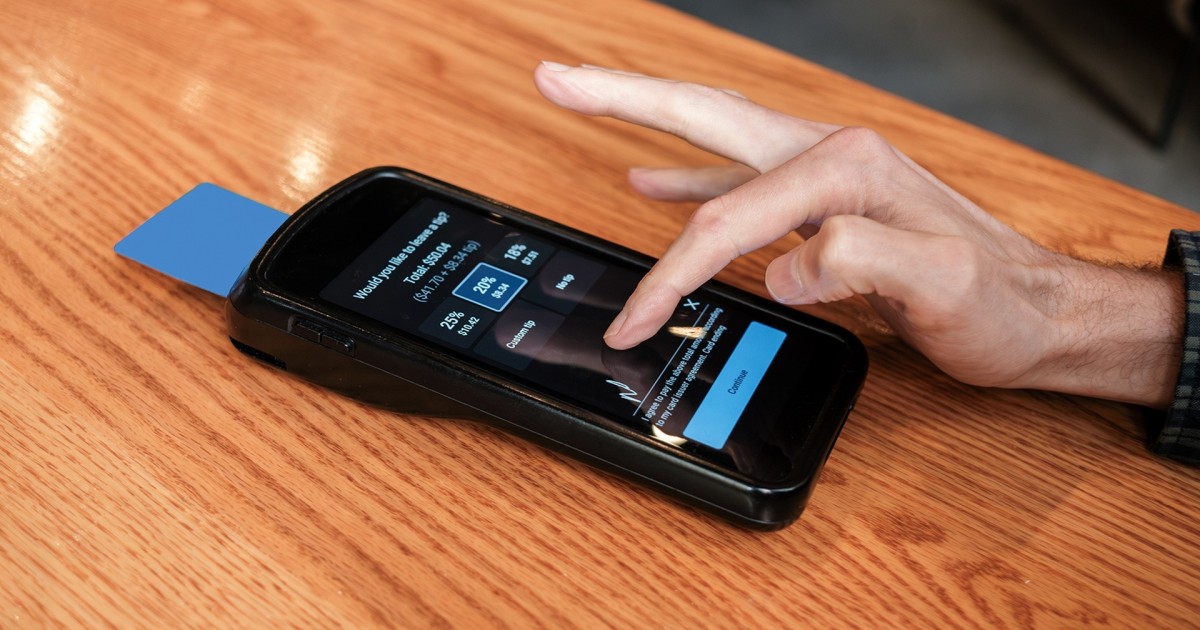
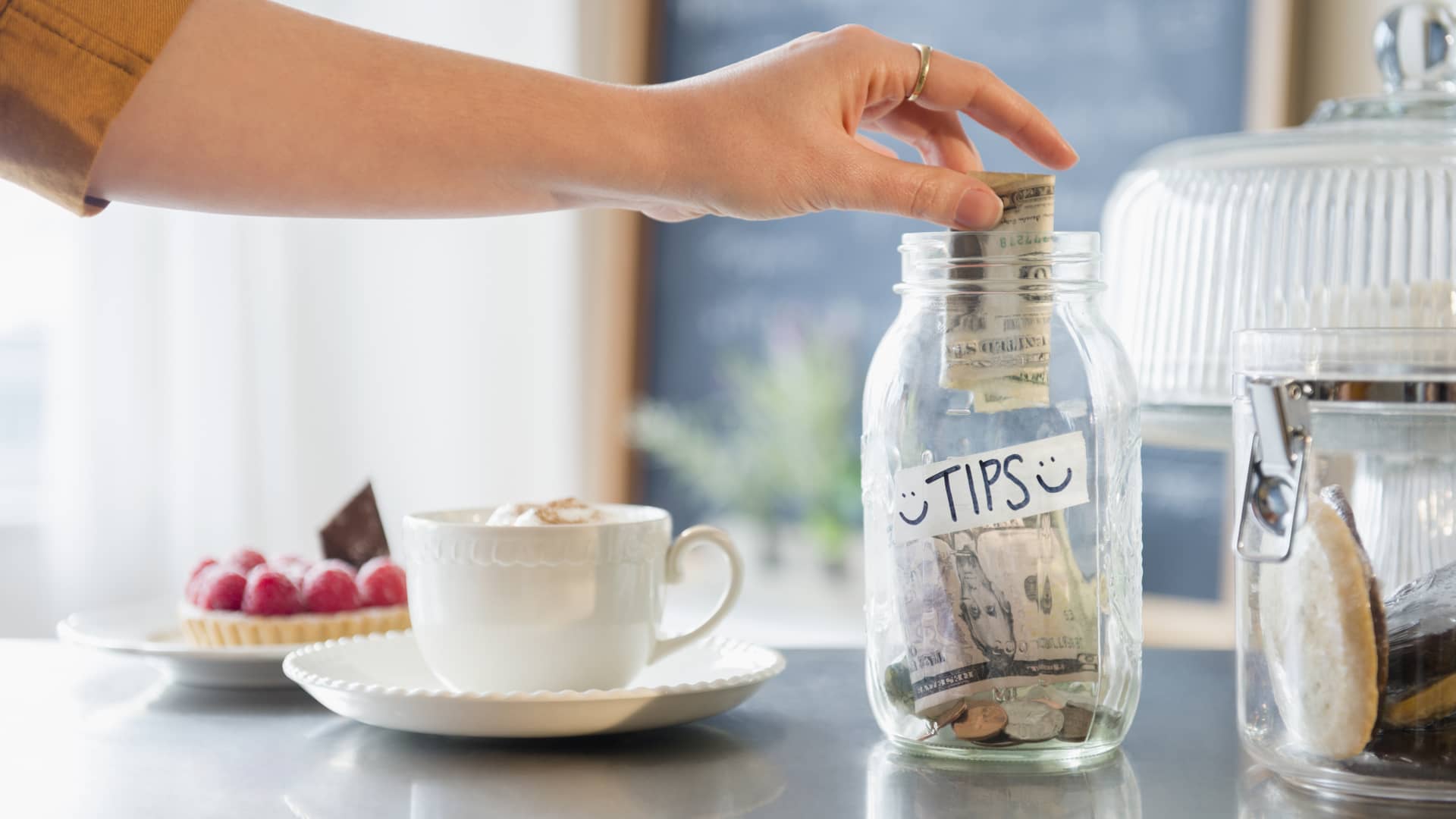
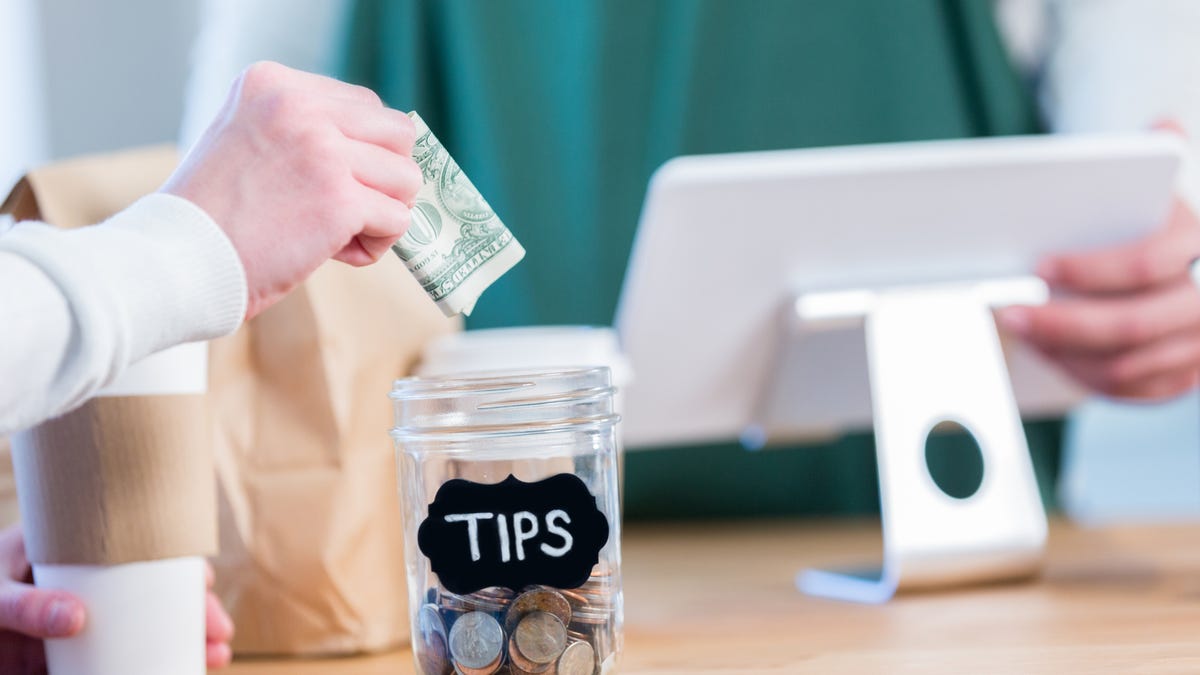
A Bankrate survey reveals a decline in tipping among Americans for hair stylists, servers, and drivers since 2021, attributed to inflation and changing consumer attitudes post-pandemic. Despite some wage increases and economic adjustments, many consumers are tipping less due to financial constraints and a reduced appreciation for service workers. This shift is part of broader changes in consumer spending habits, with some areas seeing reduced spending and others experiencing growth.

"The Tipping Dilemma: Understanding the Growing Pressure on Consumers and Service Workers"

Originally Published 1 year ago — by New York Post

Featured image for "The Tipping Dilemma: Understanding the Growing Pressure on Consumers and Service Workers"
Source: New York Post

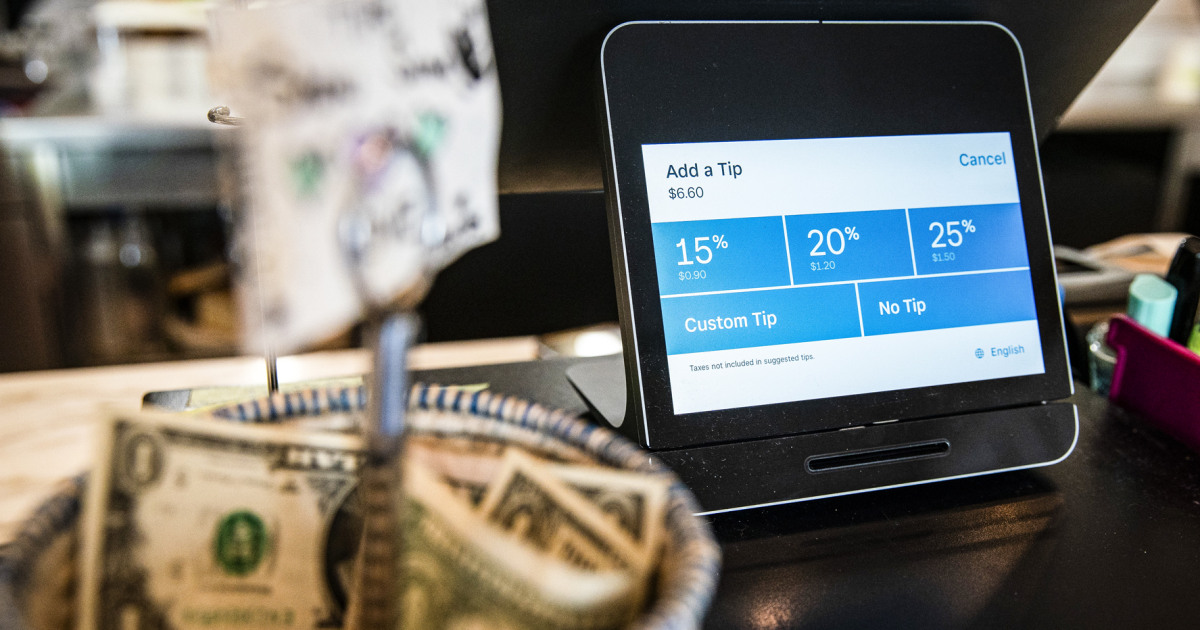
Professor Ismail Karabas from Murray State University explains that the surge in tipping requests, known as "tipflation," began during the pandemic as digital payment processes became more prevalent, with companies like Square and Toast incorporating tip requests into their software. While this benefits businesses and POS companies, it can also irritate customers and lead to lower return rates. Despite growing weariness among Americans about tipping expectations, the trend is expected to continue expanding unless there is government intervention or regulation.

"Tipping Trends: Consumers Push Back as 'Guilt Tipping' Spirals Out of Control"

Originally Published 1 year ago — by CNBC

Featured image for "Tipping Trends: Consumers Push Back as 'Guilt Tipping' Spirals Out of Control"
Source: CNBC

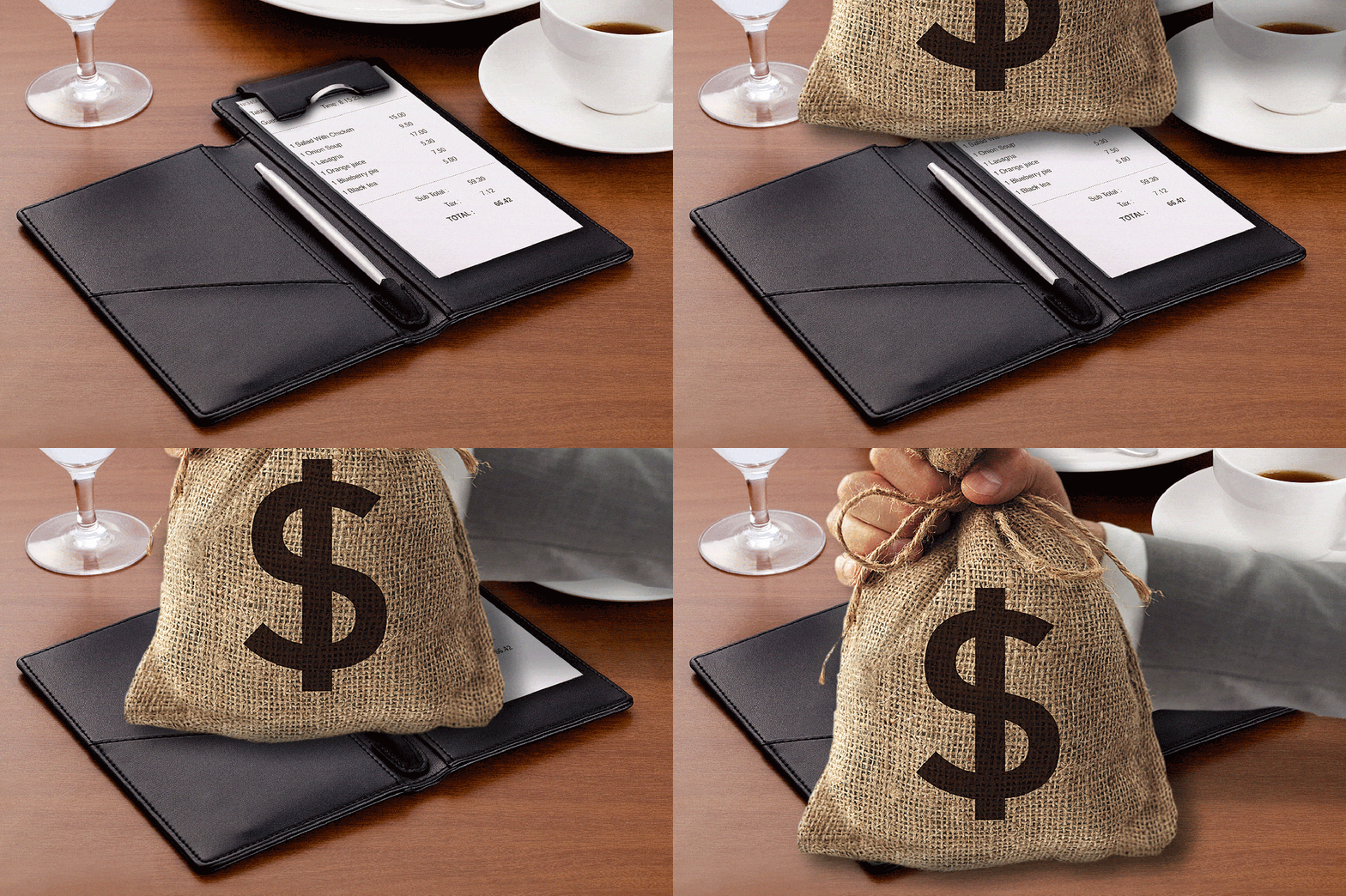
The pressure to tip, known as "guilt tipping," has increased, with predetermined tip options causing consumers to feel obligated to tip at every point of sale. However, experts advise consumers to make tipping choices based on gratitude rather than guilt, and signs show that consumers are pushing back, with tipping at restaurants decreasing in recent years. As financial pressures mount, consumers are urged to stick to their principles and not feel obligated to tip at every transaction.

"Tipping Culture: Americans Fed Up and Seeking Solutions"

Originally Published 1 year ago — by Bored Panda

Featured image for "Tipping Culture: Americans Fed Up and Seeking Solutions"
Source: Bored Panda

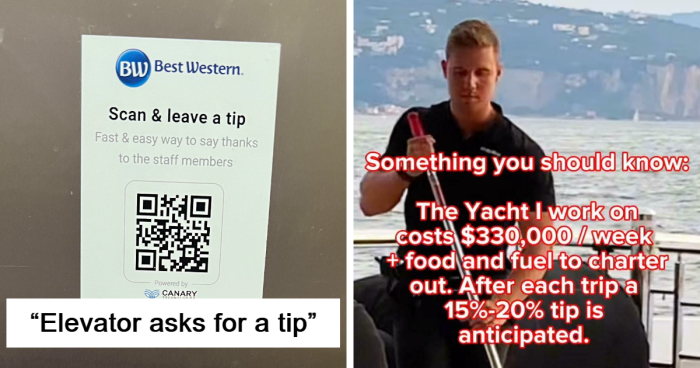
Tipping culture has expanded into various industries, leading to "tipflation" and increasing pressure on customers to tip. Etiquette expert Lisa Mirza Grotts provides guidelines for tipping in different service industries, emphasizing the impact of the pandemic on gratuity amounts. The rise in tipping is attributed to social pressure, inflation, and businesses seeking to maintain prices while increasing worker wages. While there's no universal rule for tipping, experts suggest considering service providers' earnings and the nature of the service when deciding whether to tip.

"The Decline of Tipping Culture: Understanding the Backlash and Changing Consumer Behavior"

Originally Published 2 years ago — by KABC-TV

Featured image for "The Decline of Tipping Culture: Understanding the Backlash and Changing Consumer Behavior"
Source: KABC-TV

There is a growing backlash against tipping as new data reveals that some service industry workers are receiving fewer tips compared to last year. The debate over tipping has sparked discussions about the appropriate amount of gratuity, with some individuals experiencing "tipping fatigue" due to excessive requests for tips. Data from payroll provider Gusto shows that service-sector workers in non-restaurant jobs have seen a 7% decrease in tips, while tips for restaurant workers have increased by 3% since last November. Factors such as inflation and the proliferation of tip prompts are contributing to people questioning the nature of tipping, with discretion being emphasized when deciding whether to tip.

The Tipping Dilemma: Navigating an Out-of-Control Culture

Originally Published 2 years ago — by BuzzFeed

Featured image for The Tipping Dilemma: Navigating an Out-of-Control Culture
Source: BuzzFeed

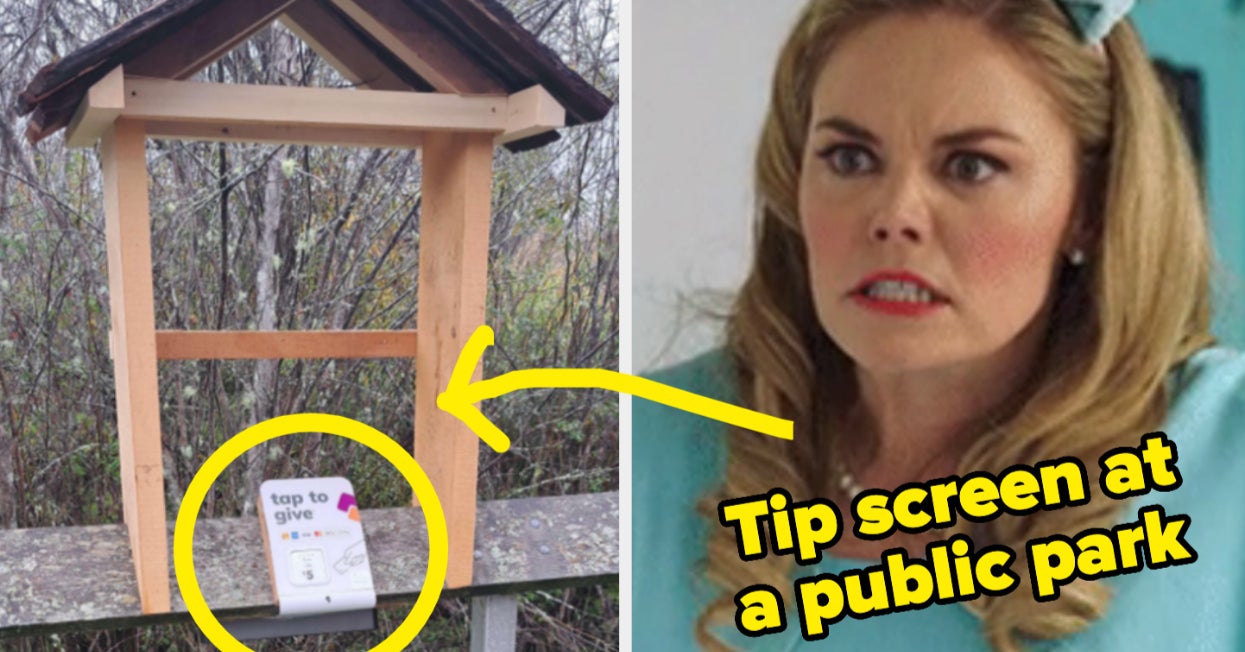
The author expresses frustration with the current state of tipping culture, highlighting instances where tipping is expected in unusual places or situations. They argue that businesses should pay their employees better instead of relying on customers to supplement their income through tips. The author also criticizes excessive tip percentages and questionable practices such as adding tax to tips. They conclude by suggesting the need for a better system for tipping.

The Changing Dynamics of Tipping: From Rewarding Service to Determining Consumer Treatment

Originally Published 2 years ago — by CNBC

Featured image for The Changing Dynamics of Tipping: From Rewarding Service to Determining Consumer Treatment
Source: CNBC

Tipping has evolved from a reward for good service to a determining factor in how consumers are treated. Services like Instacart and Uber allow customers to tip in advance, influencing the selection of shoppers and drivers. However, recent surveys show that consumers are experiencing "tip fatigue" and are tipping less while resenting tipping prompts. Two-thirds of Americans have a negative view of tipping, particularly when faced with predetermined point-of-sale options. Despite this, tipping in advance is not entirely new, as people have long used generous tips as a bribe for future services.

The Changing Landscape of Tipping Culture in America

Originally Published 2 years ago — by USA TODAY

Featured image for The Changing Landscape of Tipping Culture in America
Source: USA TODAY

Businesses are increasingly pressuring customers to tip more, using tactics such as suggesting higher tip percentages, calculating tips on after-tax amounts or including fees, and asking for tips even when there is little to no service. This trend is driven by businesses looking to pass on expenses and avoid paying higher wages, as larger tips can compensate for lower wages. However, some argue that higher wages for workers would be a more equitable solution. Customers are advised to be aware of tipping etiquette and do their own math instead of relying on suggested tips.

The Controversy of Tipping Culture: Demands Rise, Actual Tipping Declines

Originally Published 2 years ago — by The Wall Street Journal

Featured image for The Controversy of Tipping Culture: Demands Rise, Actual Tipping Declines
Source: The Wall Street Journal

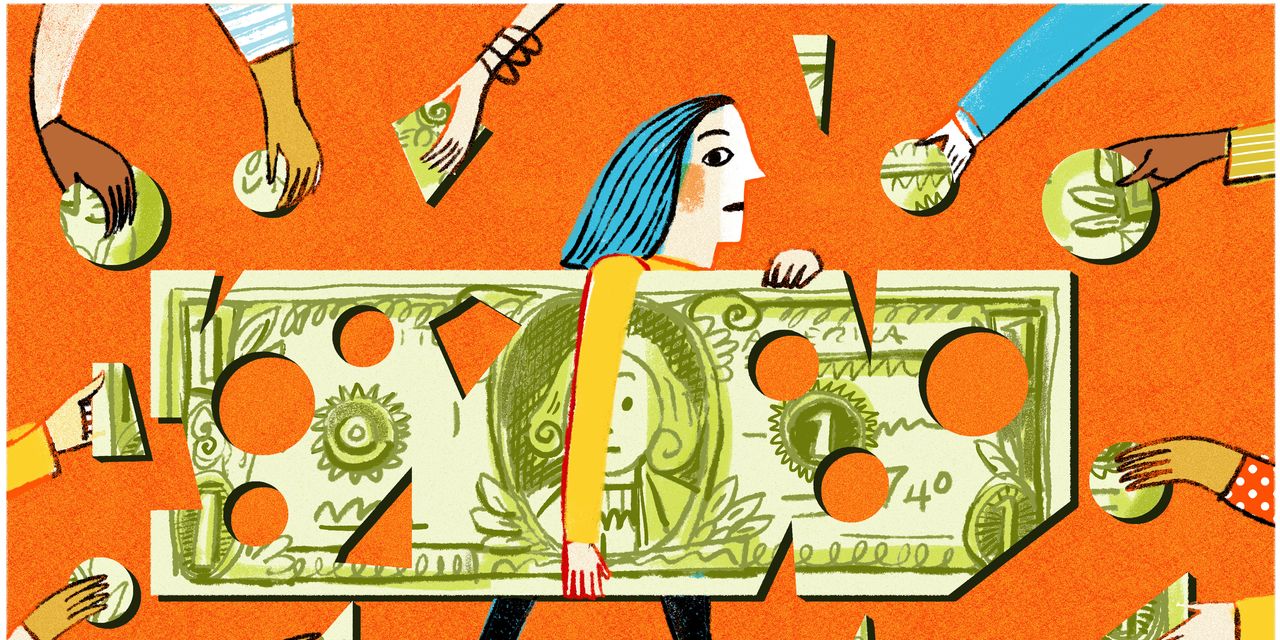
Despite an increase in demands for tips, actual tipping in the service industry has not seen a corresponding rise. This trend highlights the ongoing issue of wage inequality and the need for better customer satisfaction in the industry.

Xi Jinping Announces Market Access Expansion for China's Service Industry

Originally Published 2 years ago — by Reuters

Featured image for Xi Jinping Announces Market Access Expansion for China's Service Industry
Source: Reuters

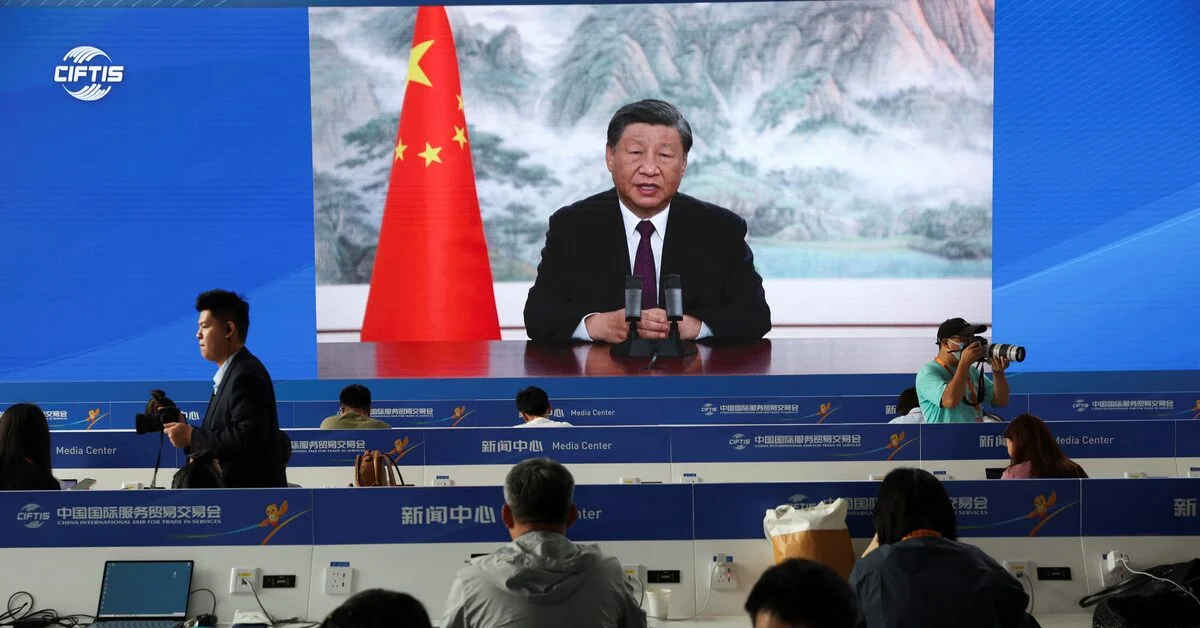
Chinese President Xi Jinping announced that China will widen market access in the service industry and promote cross-border services trade. The country aims to expand the domestic market, increase imports of high-quality services, and reform the basic data system. This move comes as China's trade has slumped in recent months, prompting the introduction of further policy support to boost economic recovery.

Tipping Trends: Who Tips the Best and Who Tips the Worst

Originally Published 2 years ago — by The Wall Street Journal

Featured image for Tipping Trends: Who Tips the Best and Who Tips the Worst
Source: The Wall Street Journal

Despite the controversy surrounding tipping, businesses continue to ask for tips due to a combination of factors including cultural norms, labor laws, and customer expectations. Tipping has become deeply ingrained in the service industry, with many businesses relying on customer gratuity to supplement low wages. However, critics argue that tipping perpetuates inequality and allows businesses to shift labor costs onto customers. As consumer behavior evolves and labor laws change, the future of tipping remains uncertain.

"Confessions of a Barista: The Truth Behind the Tip Screen"

Originally Published 2 years ago — by MPR News

Featured image for "Confessions of a Barista: The Truth Behind the Tip Screen"
Source: MPR News

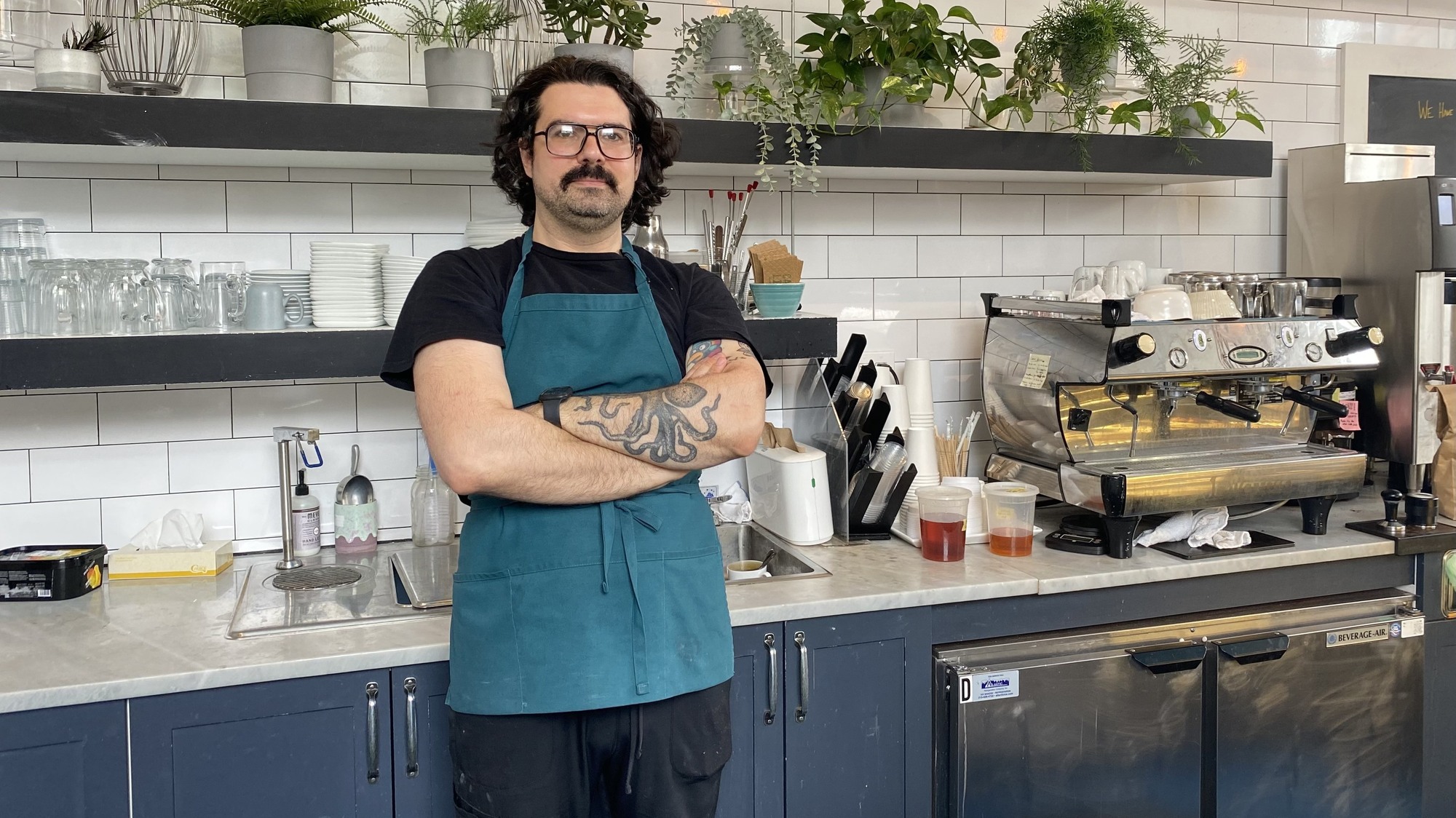
Barista Dylan Schenker discusses the awkwardness and frustration of relying on tips as a significant part of his income. Tipping has become a contentious issue, with customers often unaware of the low wages in the service industry. Tipping is seen as a wage subsidy for employers, and the fluctuating nature of tips makes it difficult for workers to rely on a consistent income. Many customers are becoming resentful of the tipping process, leading to negative views and a decline in tipping rates. Schenker emphasizes that tipping is an acknowledgment of low wages and urges customers to consider the impact on workers' livelihoods.

"Confessions of a Barista: The Truth Behind the Tip Screen"

Originally Published 2 years ago — by NPR

Featured image for "Confessions of a Barista: The Truth Behind the Tip Screen"
Source: NPR

Barista Dylan Schenker discusses the increasing dependence on tips in the service industry and the misunderstandings surrounding tipping. Tipping has become a significant part of his income, but it varies greatly from week to week. Many customers don't realize that tips are a wage subsidy for employers and not just a bonus for good service. Tipped workers, including baristas, often earn a subminimum wage, leading to higher poverty rates. Tipping is seen as a way for businesses to offset rising costs without raising prices, but customers are becoming resentful of the awkward tip screen moments and higher bills. Schenker believes that not tipping is taking advantage of underpaid labor and is demoralizing for workers.