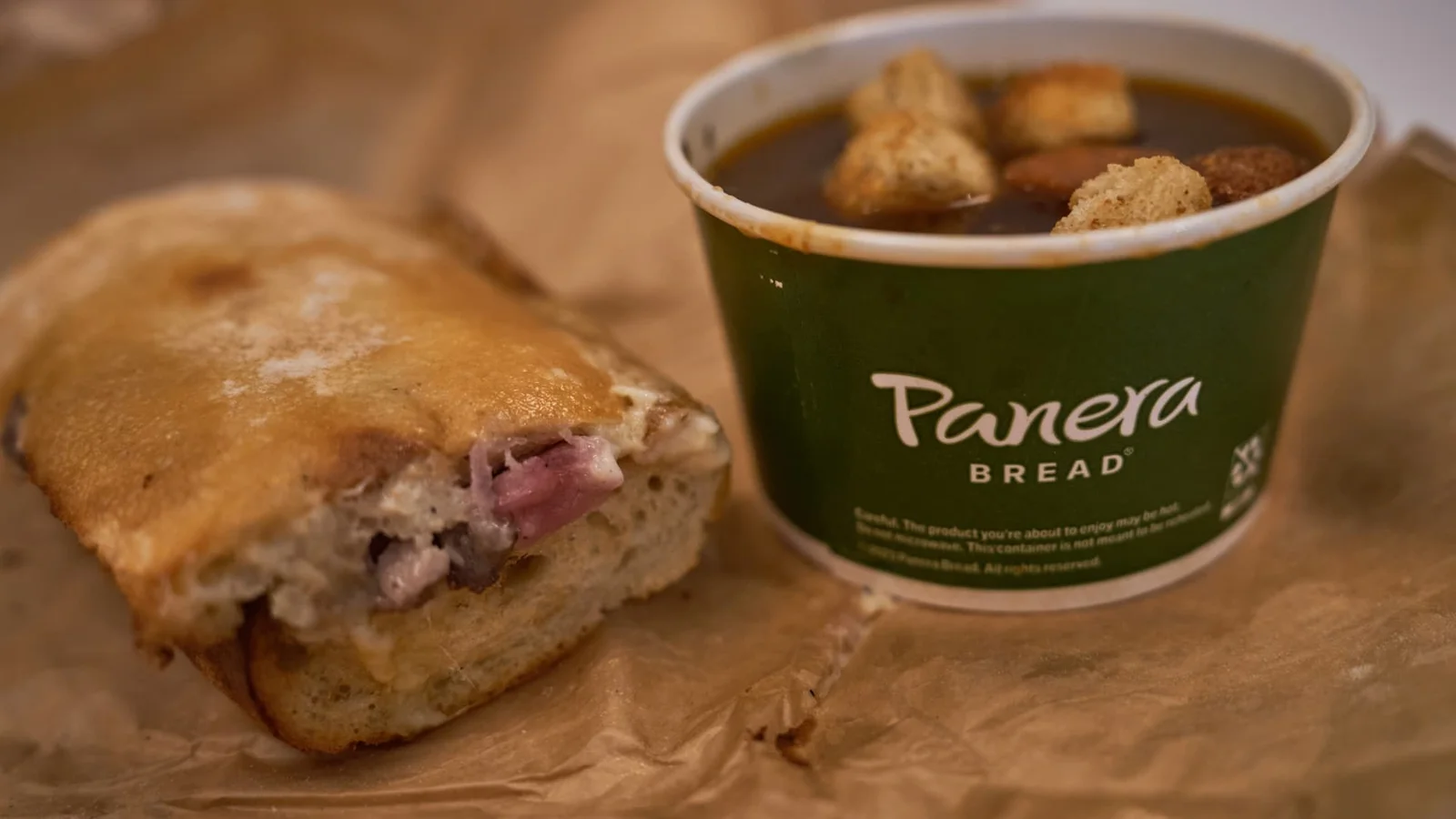
Panera Bread rolled out its first value menu, Mix & Match, offering 10 items at $4.99 each with a two-item minimum to attract price-conscious diners during a turnaround; items rotate seasonally and diners get a baguette, chips, or an apple with their order, while You Pick Two remains available.
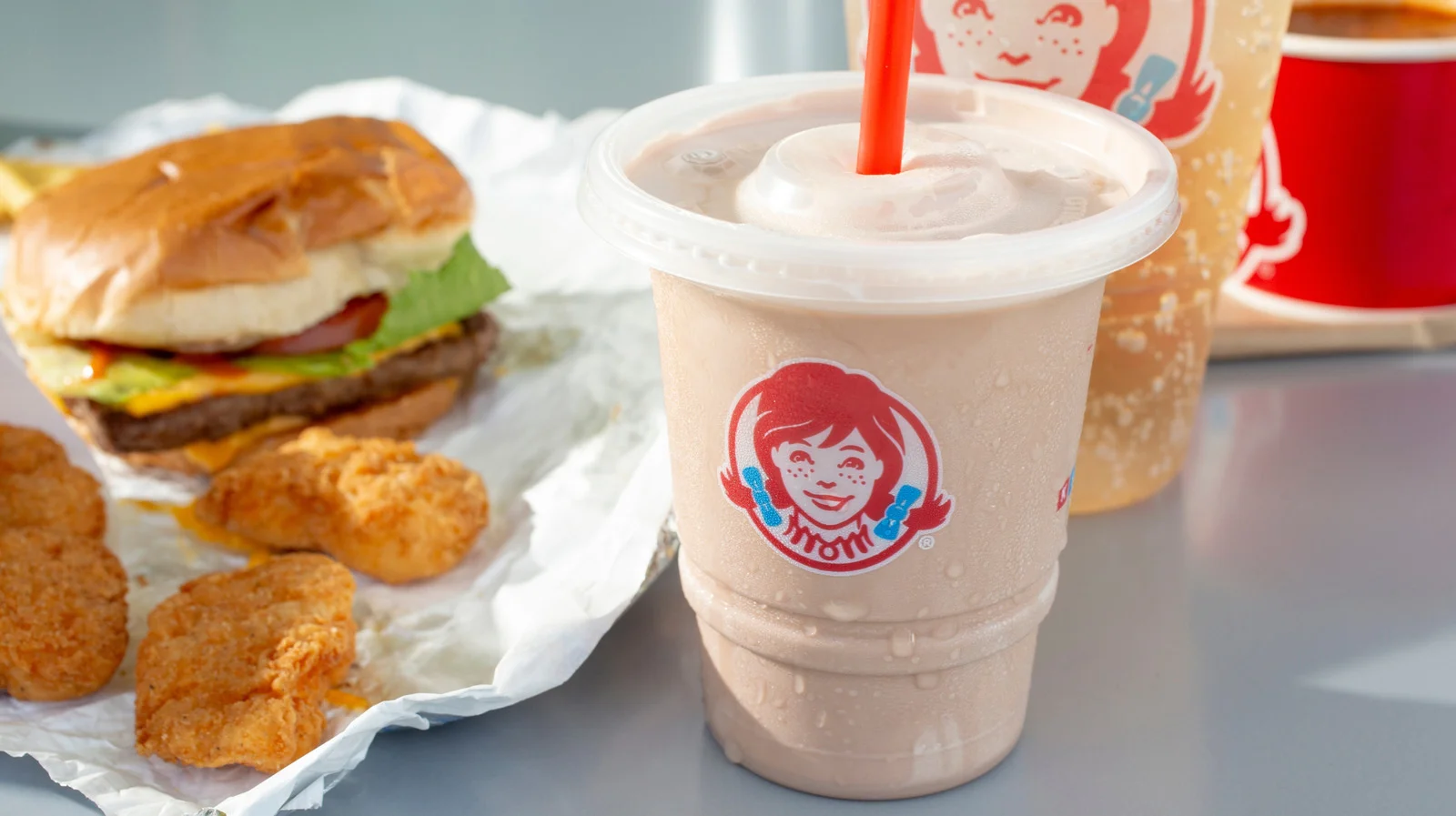
Wendy's plans to close 300–360 U.S. stores in 2026 (about 5–6% of its outlets) to boost profitability at remaining locations; interim CEO Ken Cook says closures will improve sales and profits, a move that sent shares higher. The company reported U.S. sales fell more than 11% in Q4 2025 as rising costs and higher prices squeezed consumers, especially those in lower-income brackets, prompting Wendy's to lean more on value offerings.
Yum! Brands will shutter 250 underperforming Pizza Hut locations in the U.S. during the first half of 2026 as part of a broader strategic review that could include selling the brand. The closures affect U.S. units and come amid weaker domestic performance, though international results have been stronger. Pizza Hut ended 2025 with about 19,974 global stores (a net decline of 251), with planned international expansion in 2026, while peers like Taco Bell and Domino’s posted gains.
Pizza Hut, part of Yum! Brands, will shutter about 250 underperforming locations in the first half of 2026 as part of Hut Forward, a broader strategy including marketing upgrades, technology modernization and franchise changes. The company operates about 19,872 Pizza Hut locations globally (roughly 6,300 in the U.S.), with 170 in Illinois; specific closing locations were not announced.
Chipotle beat Q4 estimates with $2.98B in revenue and 25c per-share adjusted earnings, but traffic fell 3.2% and same-store sales declined 2.5% for the quarter, contributing to a 2025 full-year SSS decline of 1.7% (the first since 2016). For 2026, management projects flat same-store-sales growth and plans to open 350–370 new restaurants (including 10–15 international). With shares down about 33% over the past year and a ~$51B market value, the company is leaning into menu innovations (like protein cups) and slower price hikes to attract price-conscious and high-income customers, signaling a cautious outlook amid shifting consumer trends.
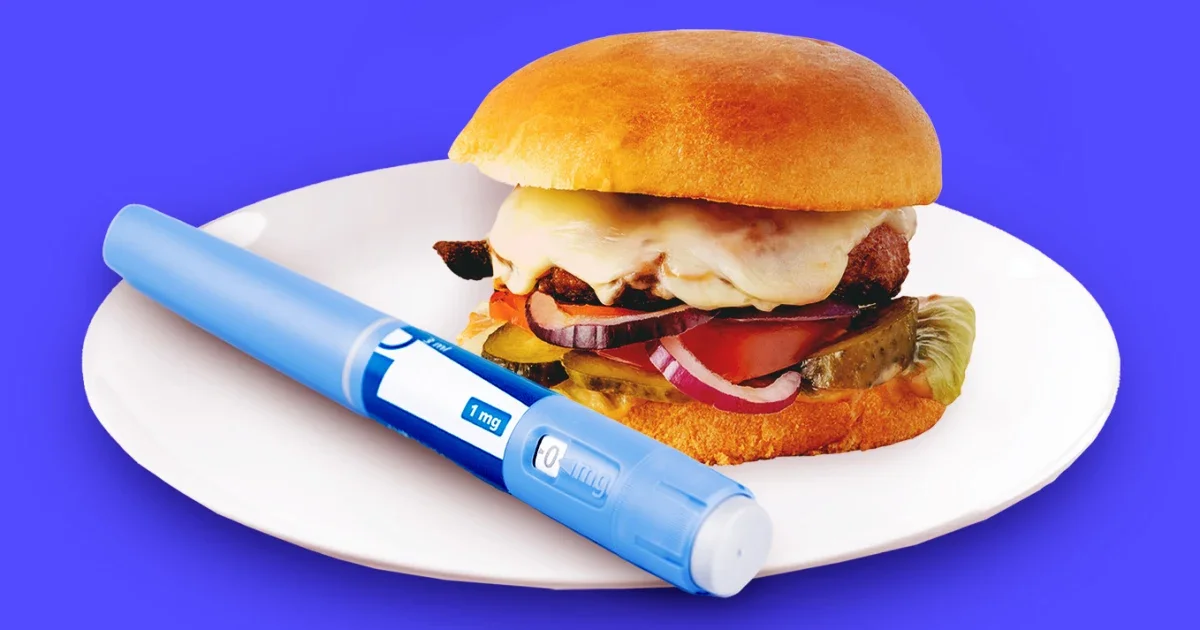
As GLP-1 medications—used for weight loss and diabetes—gain mainstream traction, major chain restaurants are adding lighter portions and high-protein options to their menus. Brands like Olive Garden, Chipotle, Subway, Shake Shack, and Smoothie King have launched programs that emphasize protein-rich choices and smaller portions, aligning with changing appetites and dietary guidance, while experts remind that balance and variety remain key.
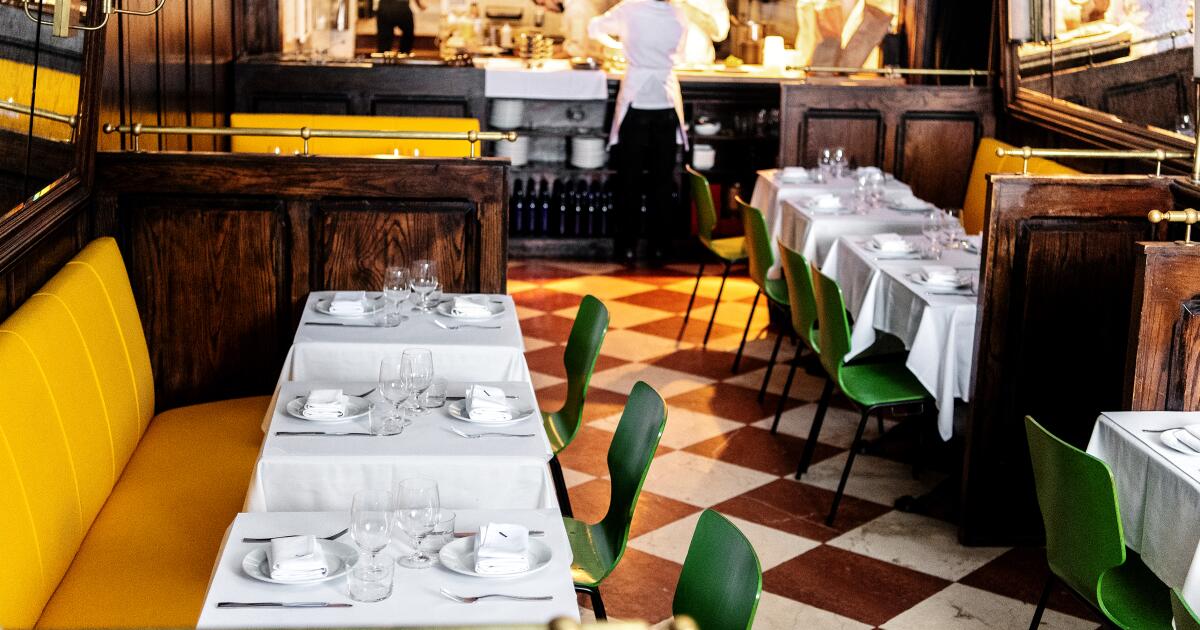
Horses, a renowned Los Angeles restaurant known for its modern cuisine and celebrity clientele, has closed indefinitely following a scandal involving its owners' divorce and allegations of animal abuse and domestic violence. The closure was also influenced by structural issues and financial troubles, including tax liens. The future of the restaurant remains uncertain.
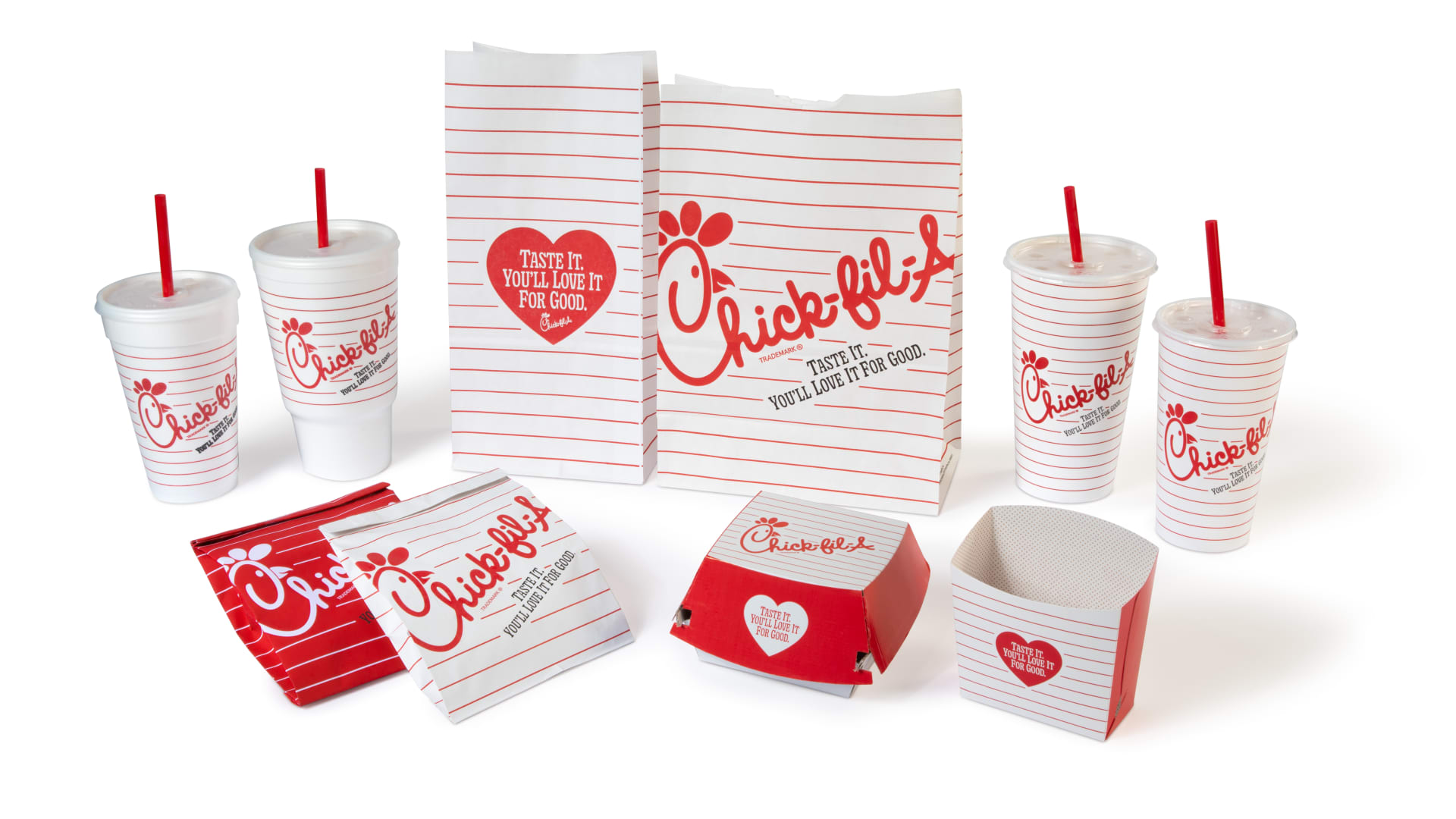
Chick-fil-A is launching its largest marketing campaign ever to celebrate its 80th anniversary, featuring retro packaging, collectible cups, themed merchandise, and promotions like free food for a year, aiming to attract more customers amid declining restaurant traffic and slower sales growth.
Damola Adamolekun, the 36-year-old CEO of Red Lobster, is leading a significant turnaround for the company after bankruptcy, with plans to improve efficiency, renovate locations, and make dining more affordable, aiming for what he calls the 'greatest comeback in the restaurant industry'.
Damola Adamolekun, the 36-year-old CEO of Red Lobster, is leading a significant turnaround for the company after its bankruptcy, with plans to improve efficiency, renovate locations, and make dining more affordable, aiming for what he calls the 'greatest comeback in the restaurant industry's history.'
Red Lobster, after filing for bankruptcy in 2024, has rapidly recovered under the leadership of 36-year-old CEO Damola Adamolekun, who aims to make it the greatest comeback in restaurant history by focusing on operational efficiency and strategic reinvestment, with positive financial projections for 2026 and beyond.
Damola Adamolekun, the 36-year-old CEO of Red Lobster, is leading a significant turnaround for the company after bankruptcy, focusing on operational efficiency, location renovations, menu simplification, and affordability, with plans for a historic comeback in the restaurant industry.
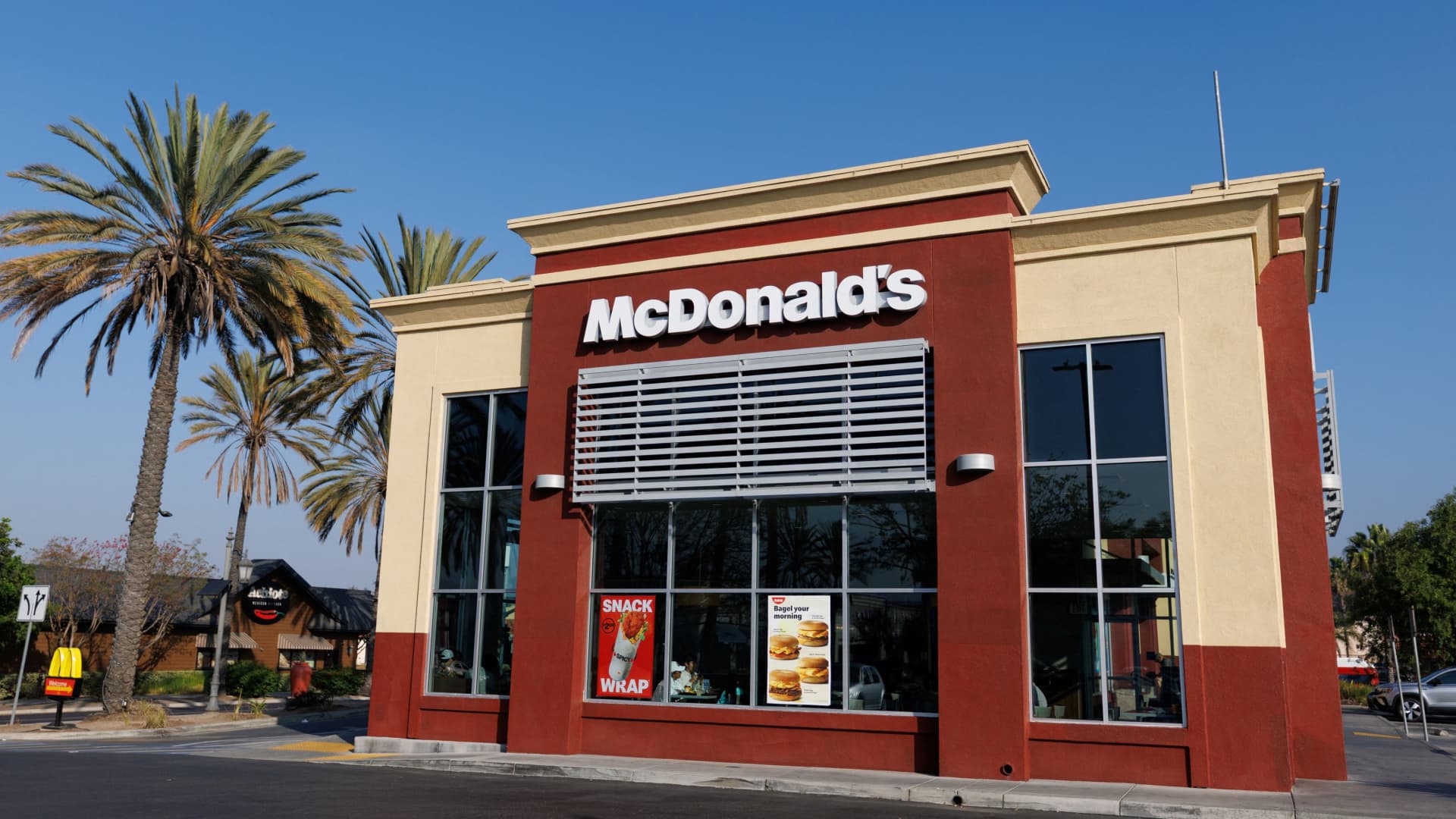
In 2025, 'value' remained the key focus for restaurants as consumers, especially those with lower incomes, cut back on dining out due to economic pressures. McDonald's and other chains intensified their value offerings, with McDonald's extending its $5 value meal and other promotions to attract budget-conscious diners. While fast-casual chains like Chipotle and Sweetgreen avoided deep discounts, some casual-dining chains like Chili's and Olive Garden successfully leveraged value strategies to boost sales. The industry anticipates continued value-driven competition in 2026 amid economic uncertainties and rising costs, with no signs of a significant shift away from value-focused strategies.
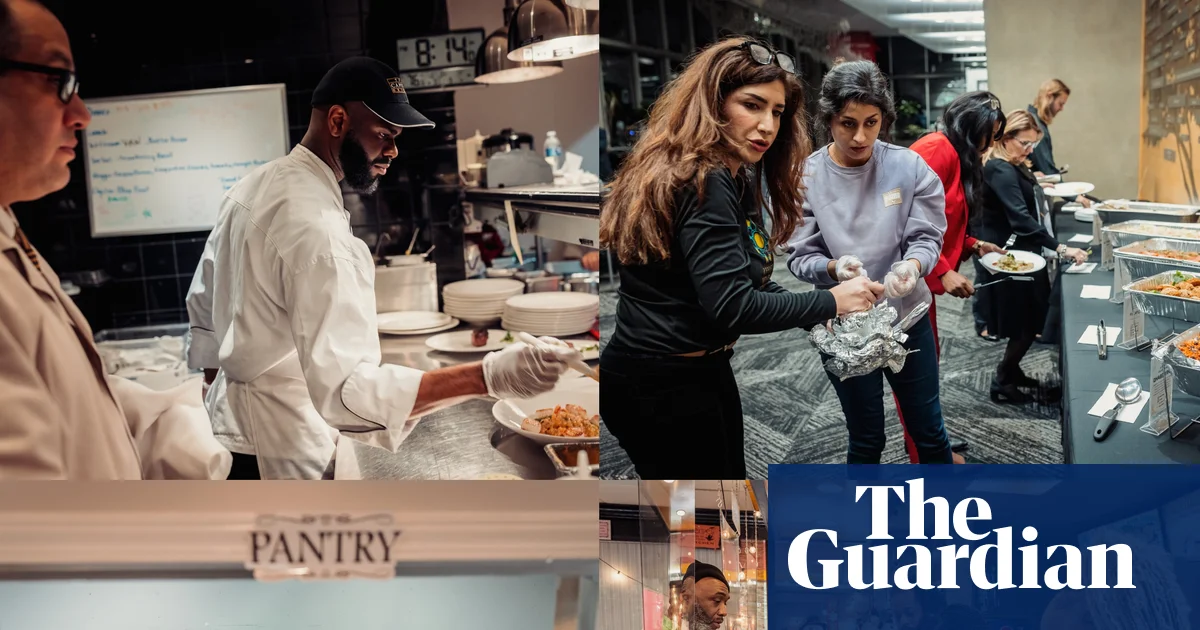
The article explores how the US economy under Trump's administration has impacted food consumption, highlighting rising food costs, increased demand at food pantries, and the disparity between different socioeconomic groups, with some still spending lavishly on luxury foods like caviar while others struggle to afford basic necessities.
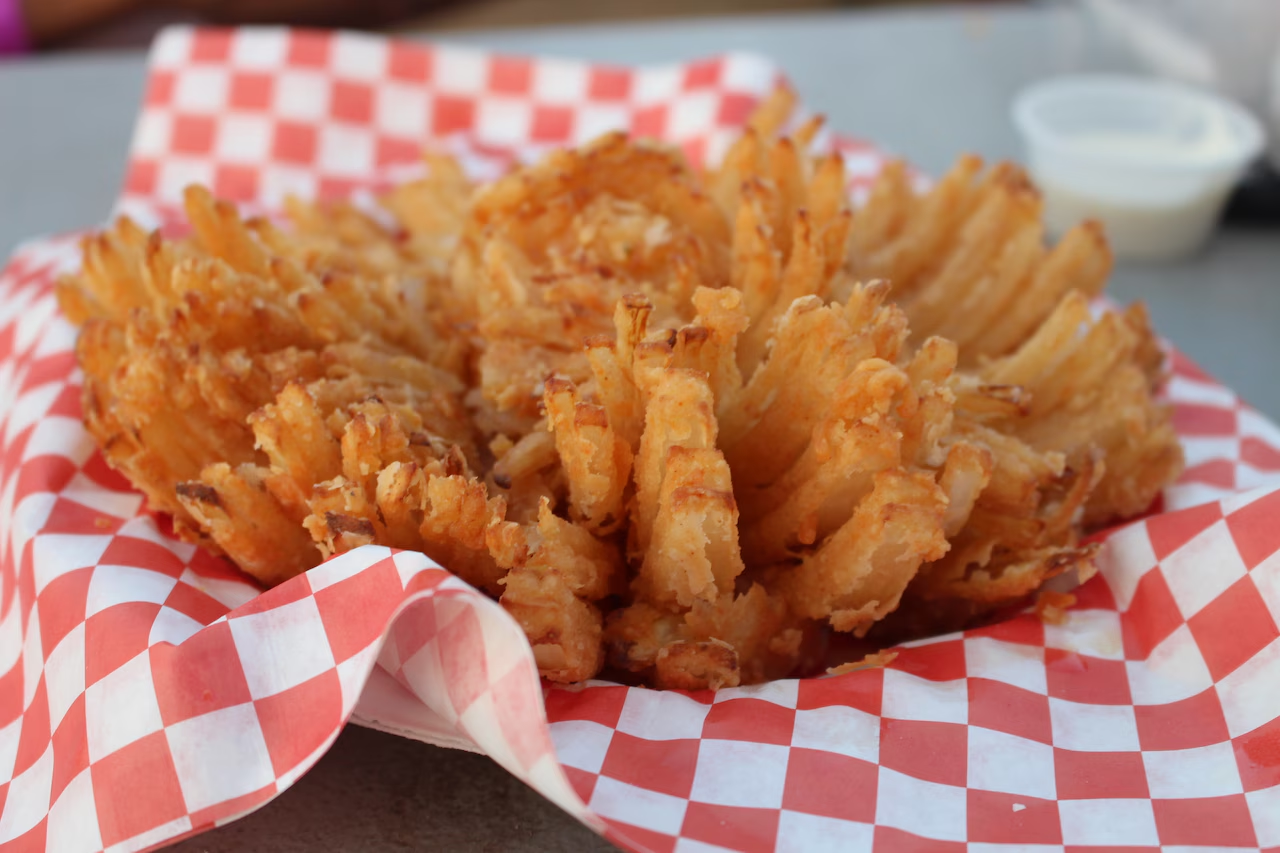
Outback Steakhouse is closing over 40 locations as part of a financial turnaround plan by parent company Bloomin' Brands, which includes cost-cutting, debt reduction, and improving customer experience, amidst a broader trend of restaurant closures nationwide.