The article discusses the concept of 'wintering,' a term coined by Katherine May, which encourages embracing the winter season through practices like slowing down, outdoor activity, seasonal eating, social connection, and mindset shifts to improve mental health and well-being during the colder months.

The article offers 10 practical ways to embrace and thrive during winter, including managing SAD with light therapy, adjusting routines to align with seasonal rhythms, fostering social connections, and rethinking holiday plans to find joy and purpose in the colder months.
In NYC, seasonal affective disorder (SAD) can be challenging due to reduced sunlight and colder weather, especially with urban factors like tall buildings and busy schedules. Experts recommend seeking professional help, using light therapy, getting outside, and maintaining social connections to manage symptoms. Resources like crisis lines, free therapy programs for teens, and low-cost clinics are available to support those affected.
Many people experience seasonal affective disorder (SAD), a depression linked to shorter, darker days in winter, affecting about 5% of Americans, with women being four times more susceptible, and some experiencing milder winter blues.
Seasonal affective disorder (SAD) is a serious form of depression triggered by reduced sunlight in winter, causing symptoms like fatigue, hopelessness, and sleep changes. Treatments such as light therapy, medication, and therapy can help, especially if started early in the season.
Scientists are uncovering the biological basis of seasonal affective disorder (SAD), highlighting the role of light and circadian rhythms in mood changes during winter. Advances in research, including large-scale data from UK Biobank, show that reduced daylight exposure affects hormone regulation and gene expression, contributing to SAD symptoms. Light therapy and cognitive behavioral approaches are effective treatments, and lifestyle adjustments like increased natural sunlight exposure can help mitigate winter blues.
The article offers four research-backed strategies to combat the winter blues: building structured routines, spending time outside to get natural light, cultivating joy through engaging activities, and practicing mindfulness and meditation to reduce stress. These approaches can help improve mood and resilience during the darker, colder months, transforming winter into a season of growth and renewal.
Many people in higher latitudes experience seasonal affective disorder (SAD) during winter, potentially due to hormonal and circadian disruptions, and bright light therapy is being explored as a possible treatment.
The article discusses how individuals can combat autumn and winter blues by staying active, getting outside, using light therapy, and embracing seasonal coziness, with tips from counselors and personal stories of positive lifestyle changes.
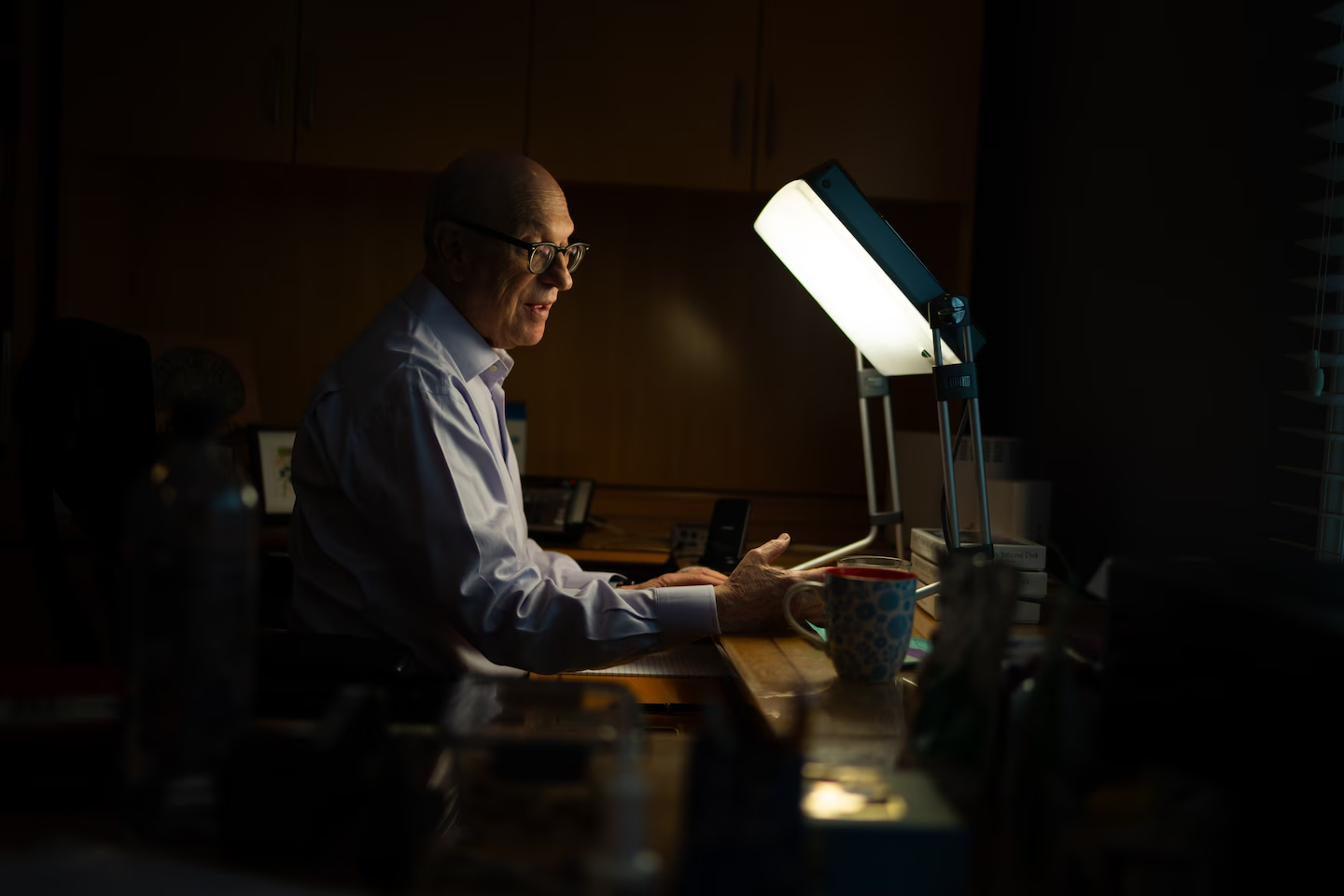
Starting light therapy in the fall with a 10,000 lux light box can help prevent winter depression and improve mood, especially when used consistently in the morning as part of a routine. It is an effective, non-medication treatment that resets circadian rhythms and can be combined with other therapies for better results.
The article discusses how summer depression, often overlooked, can be triggered by heat and humidity, leading to symptoms like insomnia, agitation, and low appetite. It emphasizes recognizing summer SAD as a real condition, offers strategies for relief such as cooling down, staying hydrated, and seeking professional help, and highlights the importance of addressing this seasonal depression early for effective treatment.
Kari Leibowitz, a researcher who studied human happiness in Tromso, Norway, challenges the negative perception of winter by suggesting a mindset shift. Her book "How To Winter" offers practical tips to embrace winter, such as preparing your home for the season, acknowledging winter as a time for rest, and finding joy in winter activities. Leibowitz emphasizes the importance of adapting to winter by dressing appropriately, enjoying outdoor activities, and appreciating the season's unique beauty, which can improve mental and physical well-being.
As winter approaches, experts offer 54 tips to help navigate the cold and dark months. Key strategies include shifting your mindset about winter blues, engaging in low-energy social activities, and finding joy in winter-specific activities. Emphasizing the importance of light exposure, exercise, and a balanced diet, the article also suggests practical ways to stay warm and safe, such as wearing appropriate clothing and footwear. Additionally, it highlights the benefits of embracing winter's unique beauty and maintaining mental well-being through intentional social interactions and self-care practices.
As daylight hours decrease in fall and winter, many people experience seasonal affective disorder (SAD), a type of depression. Treatments include light therapy, which uses bright lights to improve mood, and cognitive behavioral therapy. Antidepressants and regular exercise are also recommended. Researchers suggest that sensitivity to blue light may play a role in SAD, and individuals like Miriam Cherry and Elizabeth Wescott have found personal strategies, such as growing early-blooming flowers and using water therapy, to cope with winter depression.
Seasonal affective disorder (SAD) affects up to 5 percent of people and is characterized by symptoms such as sadness, loss of energy, and strong cravings for carbohydrates during the winter months. Light therapy, cognitive behavioral therapy (CBT), and outdoor activities are recommended to combat SAD. While SAD is linked to the shortage of daylight, some individuals find solace in the darkness, such as Cecilia Blomdahl, who embraces the polar night on a Norwegian island. Chasing the light isn't the only way to enjoy winter, and it's important to experiment and pay attention to how activities make you feel in order to combat the winter blues.