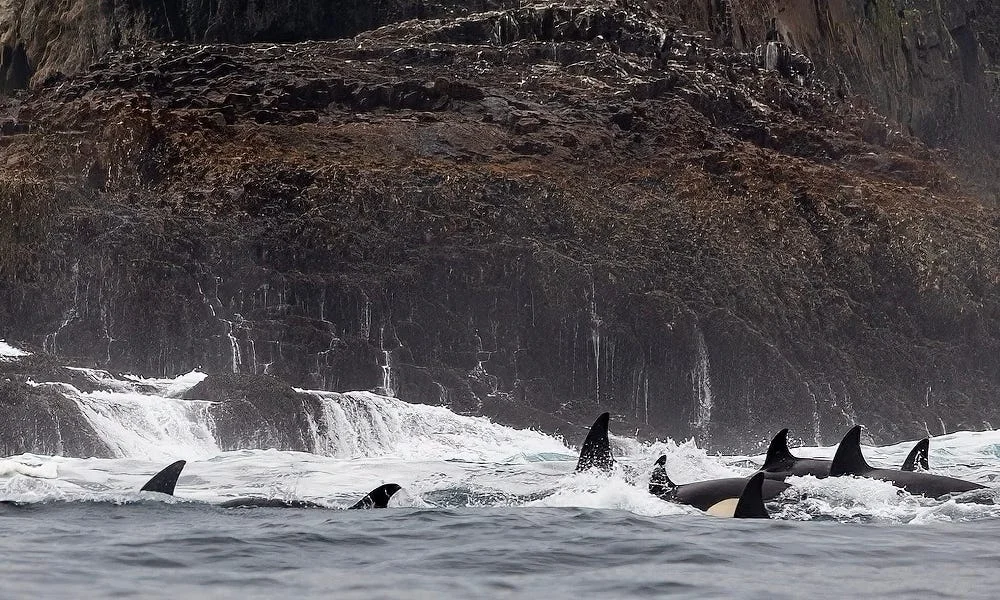
A Southern California whale-watching group spotted about 20 transient orcas patrolling the shoreline near a Channel Island, hunting sea lions in under 20 feet of water in a rare, spectacular sight, documented with video and hydrophone audio.
Avian influenza, which has caused the deaths of millions of domesticated birds, is now wreaking havoc on seals and sea lions worldwide, with tens of thousands of these marine mammals dying in various locations. The virus, likely contracted from infected seabirds, is disrupting ecosystems and causing concern among scientists about its potential impact on other vulnerable animal species. Some experts suggest a possible link between the outbreaks and warming oceans due to climate change.
Avian influenza, which has caused widespread deaths in domesticated birds, is now decimating seal and sea lion populations in various parts of the world, posing a significant threat to ecosystems. Scientists are struggling to contain the virus in wildlife, with seals in regions like New England and South America being particularly vulnerable. The virus is believed to have spread to seals through contact with infected seabirds, and its impact on marine mammals could have far-reaching ecological consequences. Efforts to vaccinate poultry and avoid contact with potentially infected animals are being made, but the situation remains concerning, especially as the virus has shown the ability to spread between birds and mammals.
Avian influenza, which has caused widespread deaths in domesticated birds, is now decimating seal and sea lion populations in various parts of the world, posing a significant threat to ecosystems. Scientists are struggling to contain the virus, which has led to the deaths of tens of thousands of marine mammals in locations such as the U.S., Chile, and Peru. The virus, likely transmitted from infected seabirds, has also been detected in mainland Antarctica for the first time. Concerns about the virus jumping to more endangered animals and its potential link to climate change have been raised, while efforts to vaccinate poultry and avoid contact with potentially infected animals are being emphasized. The deaths of marine mammals due to avian flu could have far-reaching ecological consequences, prompting urgent calls for active surveillance and management of outbreaks.
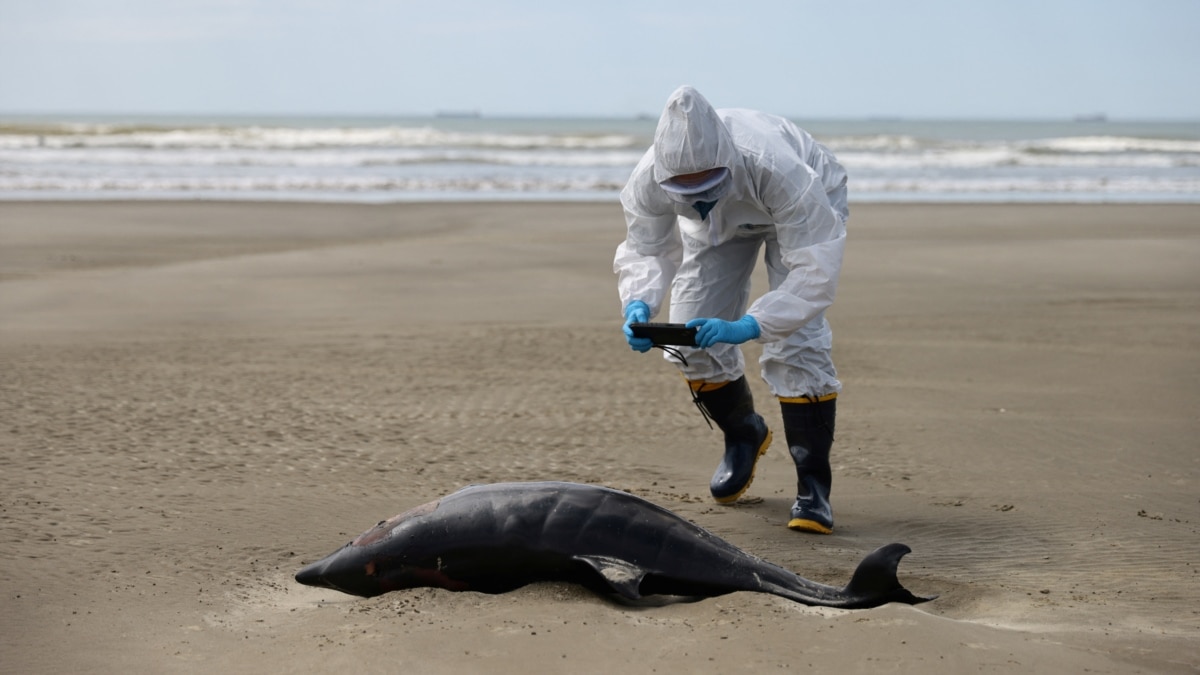
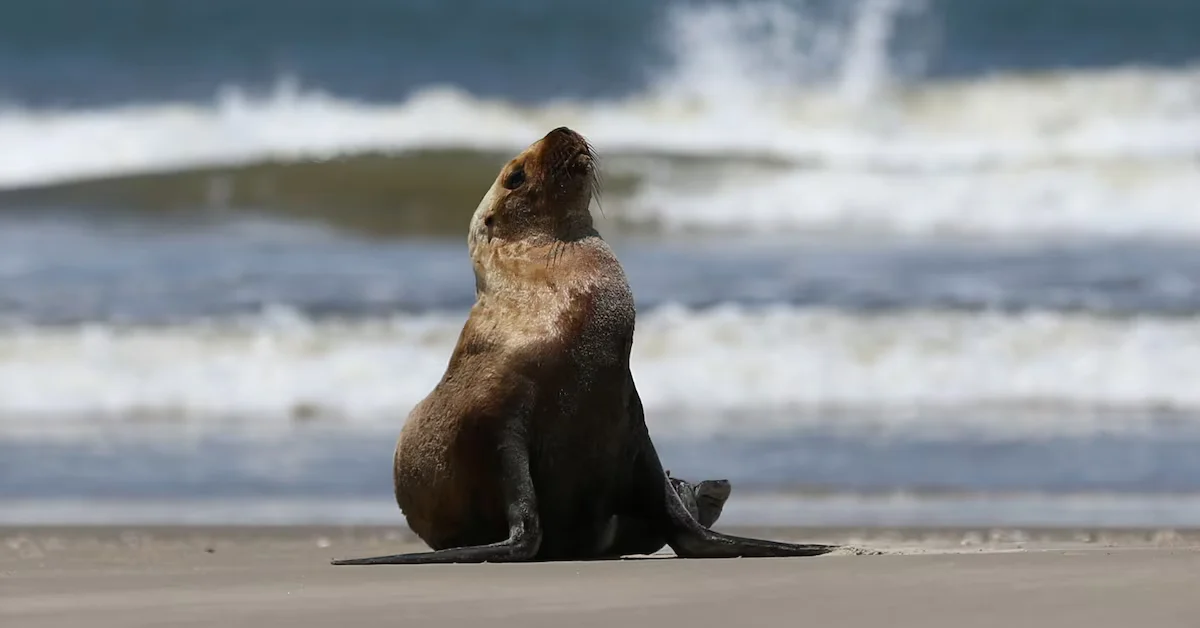
Bird flu, also known as Highly Pathogenic Avian Influenza, has caused the deaths of nearly 1,000 seals and sea lions in Brazil's southern state of Rio Grande do Sul. The virus has also affected other animal populations, including seabirds, porpoises, and penguins. Brazilian officials have declared a health emergency and implemented preventive measures to avoid an outbreak on poultry farms, which could lead to a ban on poultry exports. The spread of the disease among sea mammals is believed to have started in Peru and has reached other South American countries such as Chile, Argentina, and Uruguay.
Over 900 seals and sea lions in southern Brazil have died from bird flu outbreaks, with the highly pathogenic avian influenza (HPAI) being reported for the first time in the country this year. The virus has also been found in other animal populations, including seabirds, porpoises, and penguins. Authorities are working to isolate the virus from commercial poultry flocks to prevent an outbreak that could lead to export bans. The carcasses of the infected sea mammals need to be buried or incinerated to reduce the risk of contamination. The contagion among sea mammals is believed to have started in Peru and spread to Chile, Argentina, Uruguay, and now Brazil.
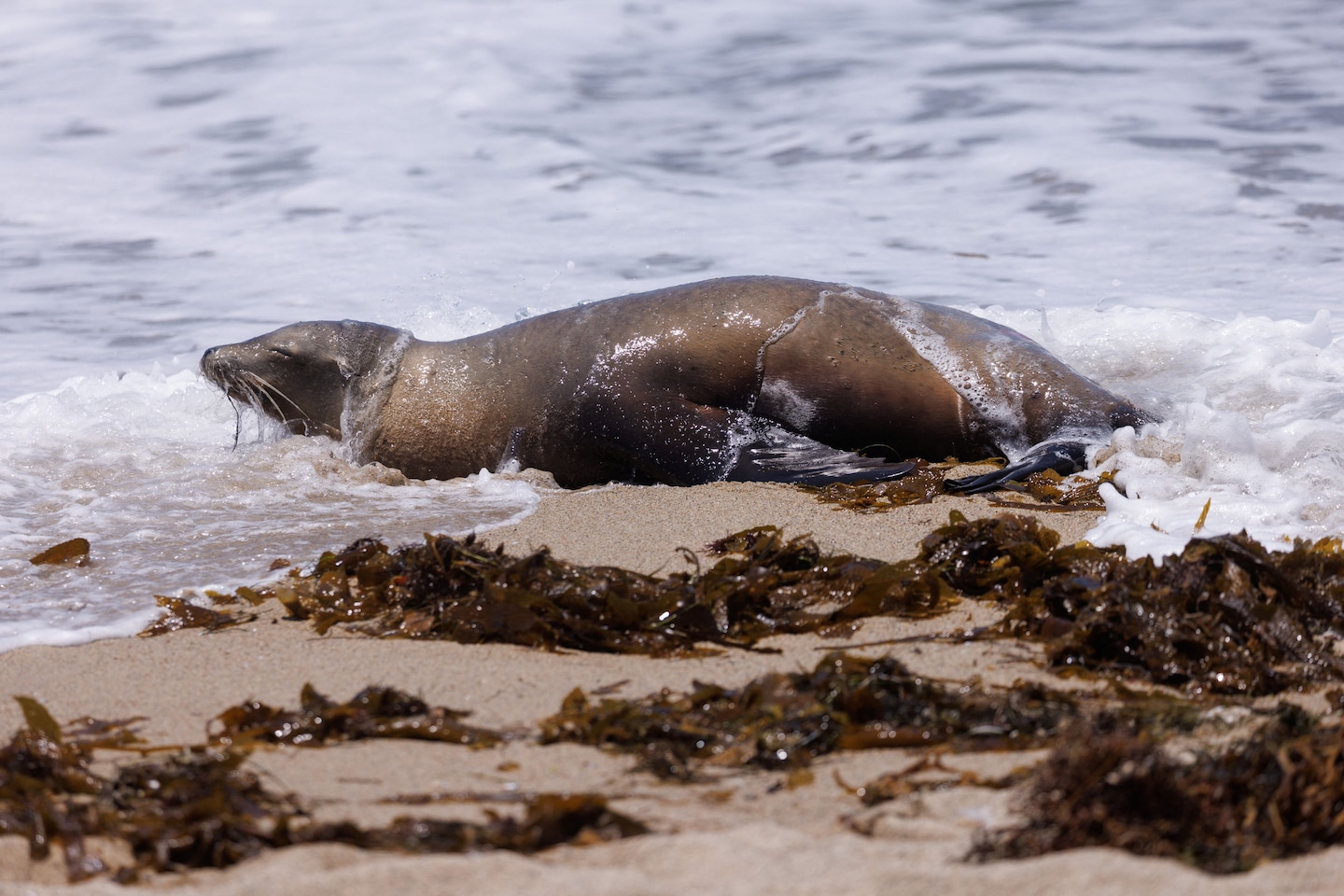
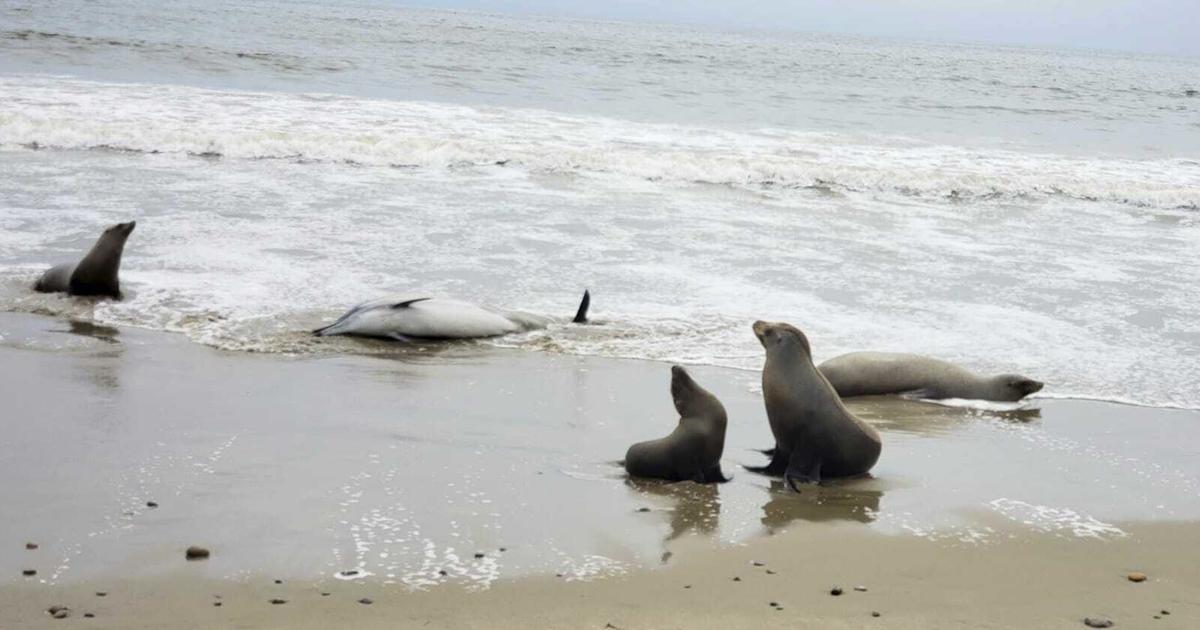
A harmful algal bloom, known as a red tide, off the coast of California has sickened or killed hundreds of sea lions and dolphins since June 8. The bloom is caused by naturally occurring algae that produce a neurotoxin called domoic acid. Sea lions and dolphins get poisoned when they eat small fish contaminated with the toxin. Symptoms include seizures, foaming at the mouth, and lack of appetite. While sea lions can be treated, dolphins are largely untreatable and often arrive on shore already dead or dying. The prolonged and severe bloom is a cause for concern among scientists, who believe it may be a result of human activities and climate change.
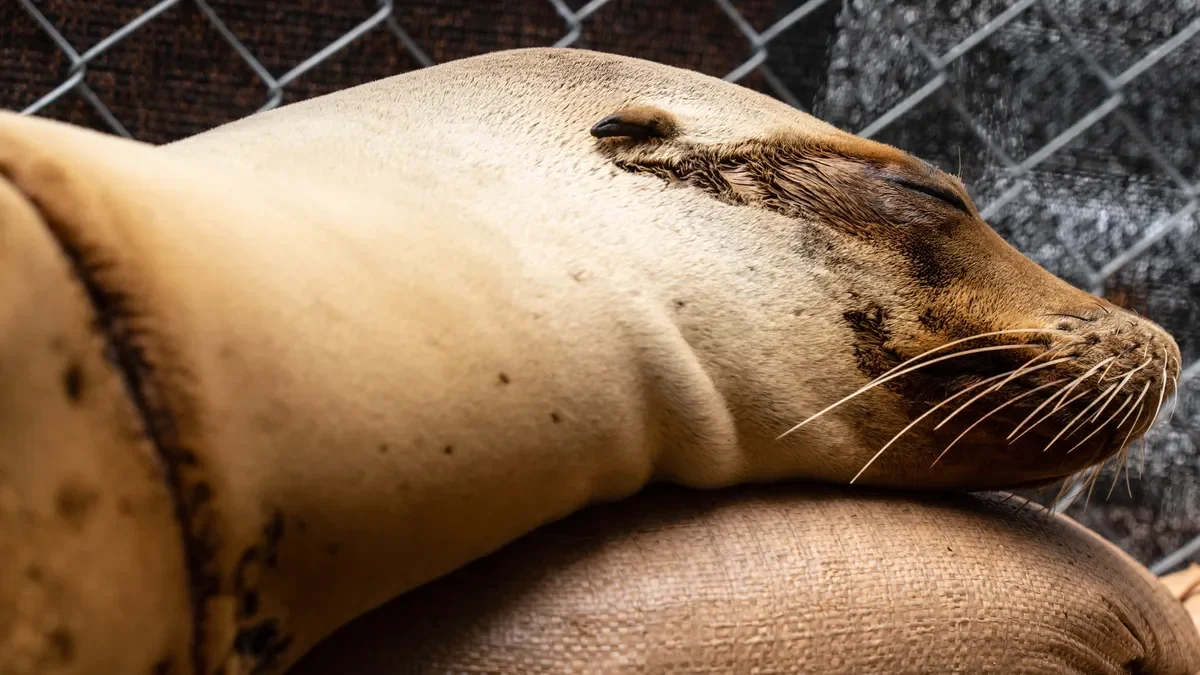
Sea lions along the Southern California coast are biting people due to ingesting toxic algae that contains a neurotoxin called domoic acid. The algae blooms have caused hundreds of sea lions and dolphins to become sick, suffering from seizures, brain damage, dehydration, and muscle spasms. At least two dozen beachgoers have reported being bitten. Harmful algal blooms occur almost every year in California, but this summer's outbreak is the deadliest seen so far. Wildlife care centers are overcrowded, and some sea lions have been left on shores due to lack of space. The toxins can also pose health risks to humans, and precautions have been advised. Researchers hope to contain the contamination and prevent the spread of toxins to other parts of the Pacific Ocean.
Marine mammal rescue organizations have reported hundreds of sick and dead sea lions and dolphins along the Southern California coast this month, with experts blaming a bloom of harmful algae. The algae produces domoic acid, a neurotoxin that enters the food chain and sickens marine mammals as they eat prey. Tissue samples have been collected for tests to confirm the animals are victims of domoic acid, which is also a risk to people who eat crustaceans, fish, and shellfish that have accumulated elevated levels. The current outbreak is unusually severe, with high concentrations of domoic acid found from Orange County north to San Luis Obispo County, but especially in the Santa Barbara Channel off Santa Barbara and Ventura counties.
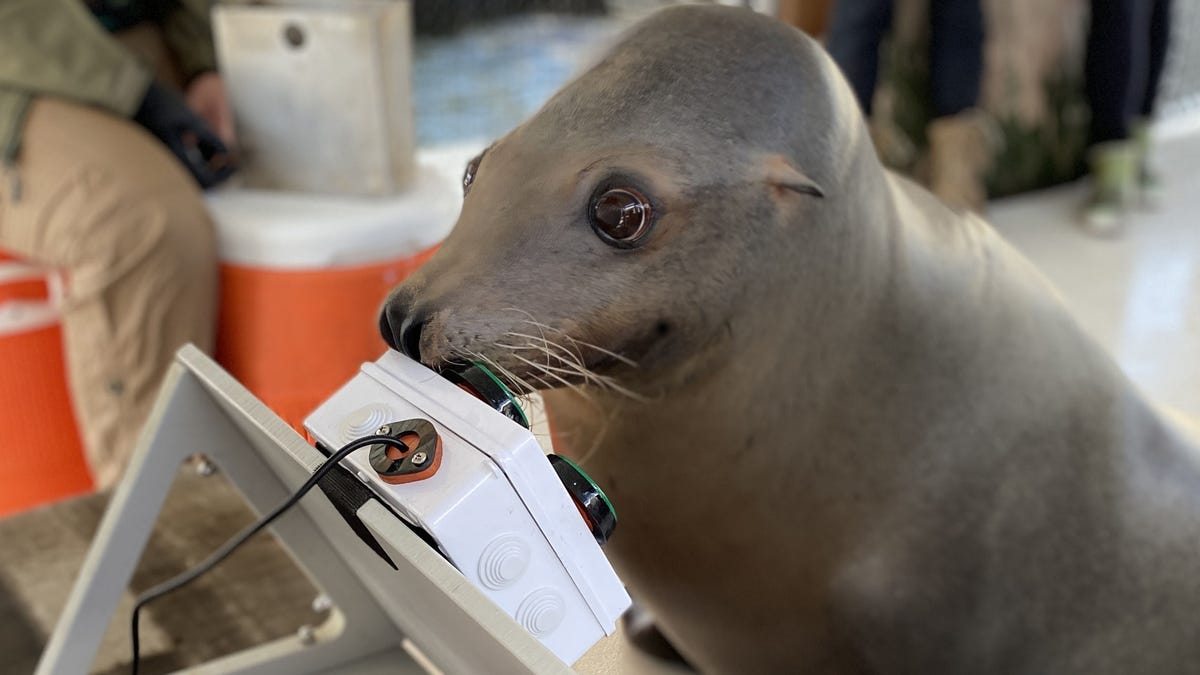
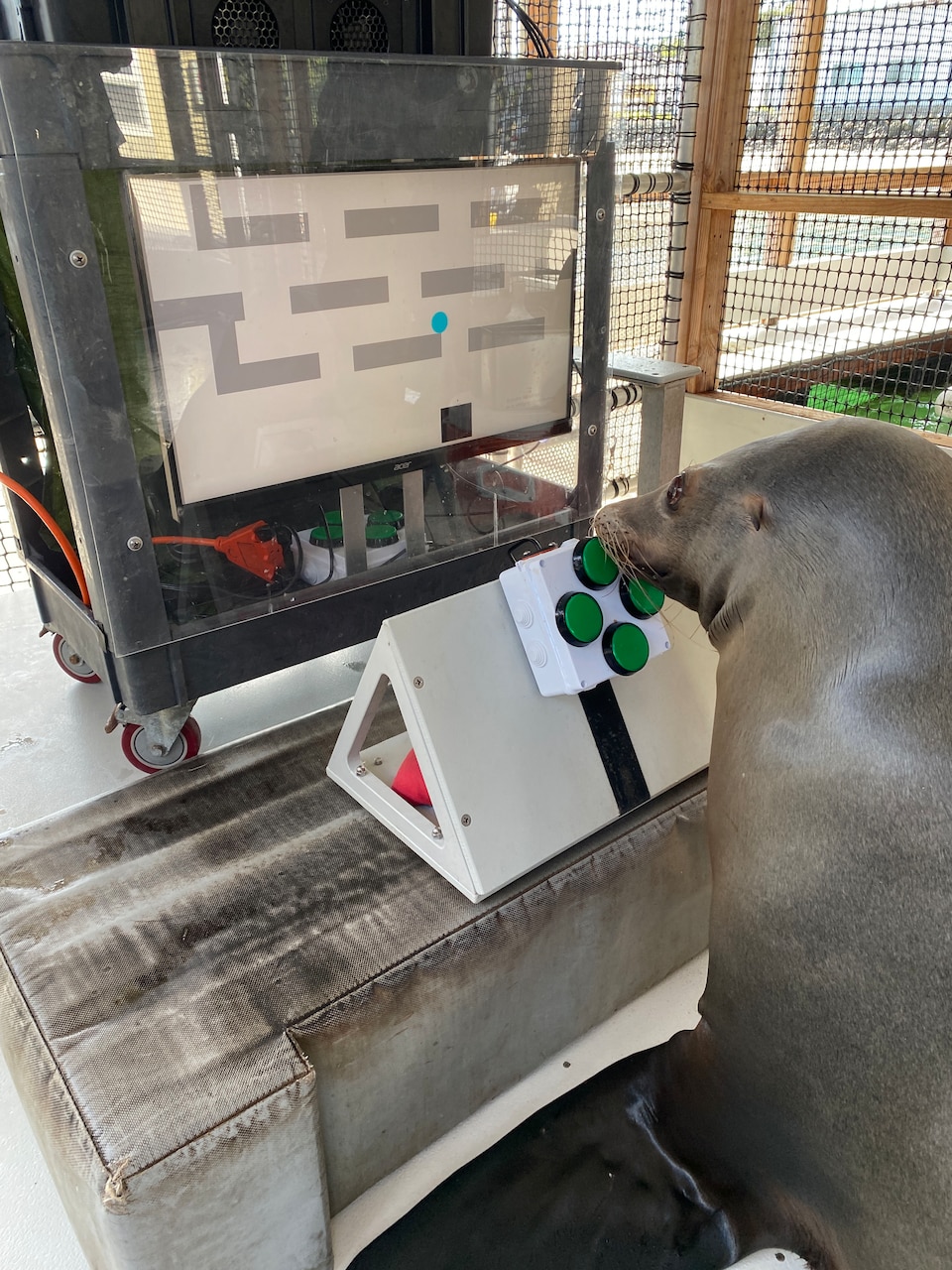
The US Navy's Marine Mammal Program is training sea lions and dolphins to play video games using an "Enclosure Video Enrichment" system. The sea creatures are rewarded with herring for successful completion of levels. The program has previously used dolphins to detect and clear underwater mines and recover lost military equipment.
Scientists from the US Navy Marine Mammal Program have developed a video game system called Enclosure Video Enrichment (EVE) to test the cognitive abilities of California sea lions. The system, which uses a portable cart with a monitor and game controller, has been successful in providing cognitive enrichment for the sea lions, improving their weight maintenance and performance in health checks. The Navy's Marine Mammal Program has been caring for dolphins and sea lions since 1959, training them in reconnaissance and recovery tasks. Enrichment activities such as open-ocean swims, playtime with toys, and now video games, remain central to their care programs.