"Coastal Heatwave Alert: Oregon and Washington Brace for Extreme Temperatures"
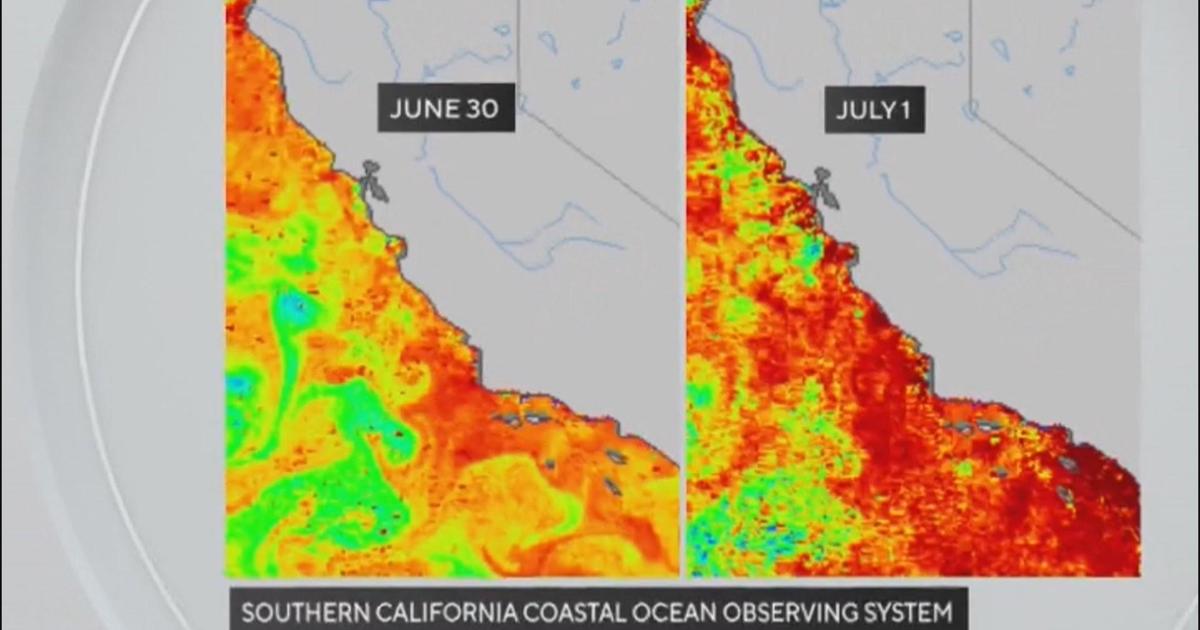
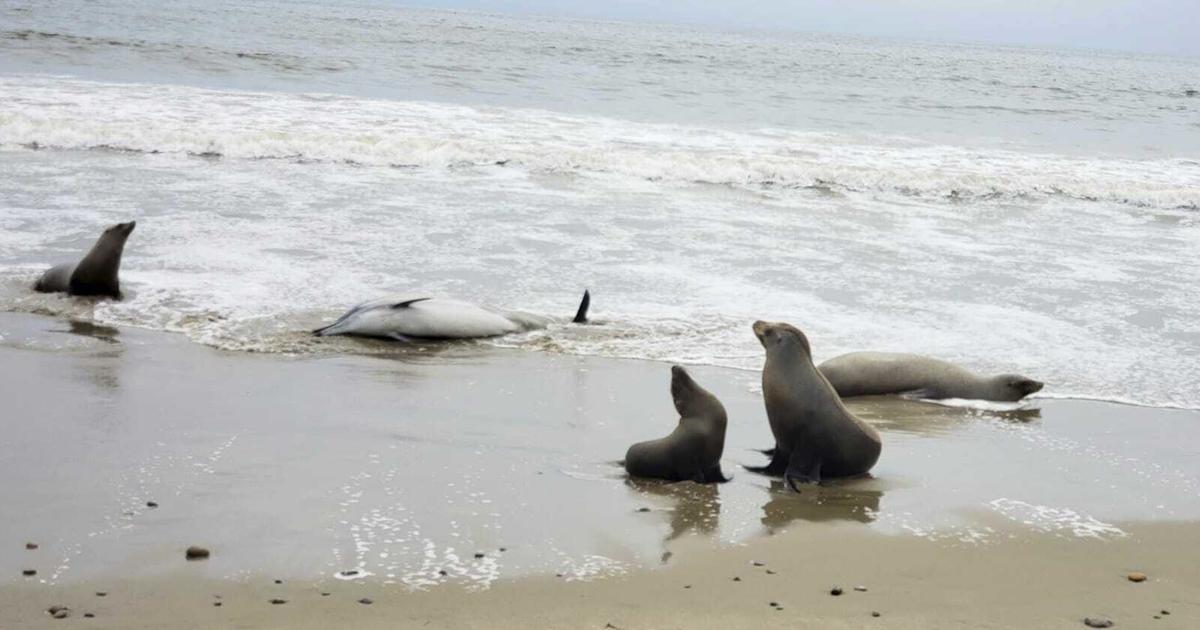
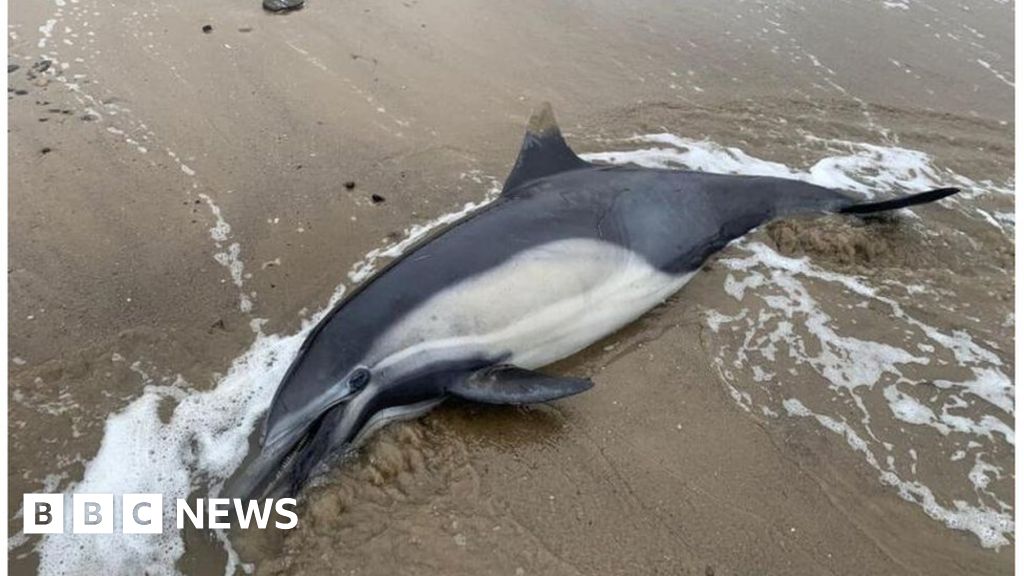
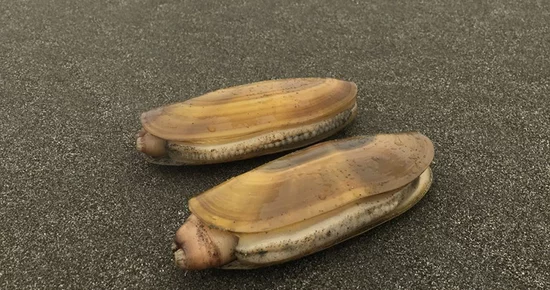
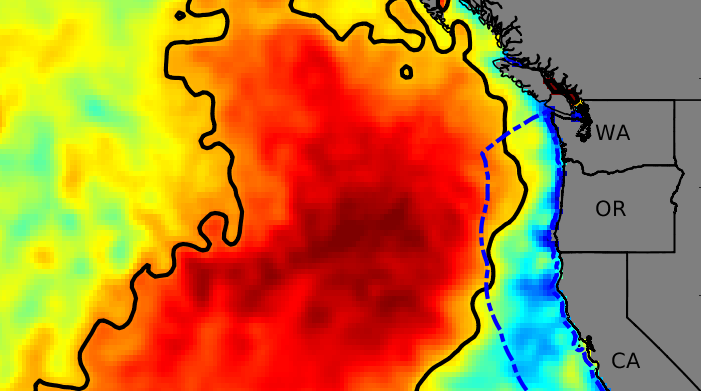
An "extreme" marine heatwave, categorized as a category 4, is approaching the Oregon and Washington coasts, causing surface temperatures to be 7.2 degrees warmer than the regional average. This heatwave is impacting marine life and leading to the multiplication of algae that produce the potentially deadly neurotoxin domoic acid. The warmer temperatures are harmful to local ecosystems, potentially leading to closures of shellfish harvesting and negatively impacting fish species, including salmon. The heatwave is an extension of a previous one and is less severe than the massive heatwave known as "the Blob" that occurred between 2013 and 2016. NOAA researchers predict that the emerging El Niño pattern will further intensify ocean warming in the Pacific, affecting coastal ecosystems and marine life.