The UK’s largest group action trial alleges that major car manufacturers deliberately installed defeat devices in diesel vehicles to cheat emissions tests, prioritizing sales over legal compliance and causing significant environmental and health harm, with potential damages exceeding £6 billion.
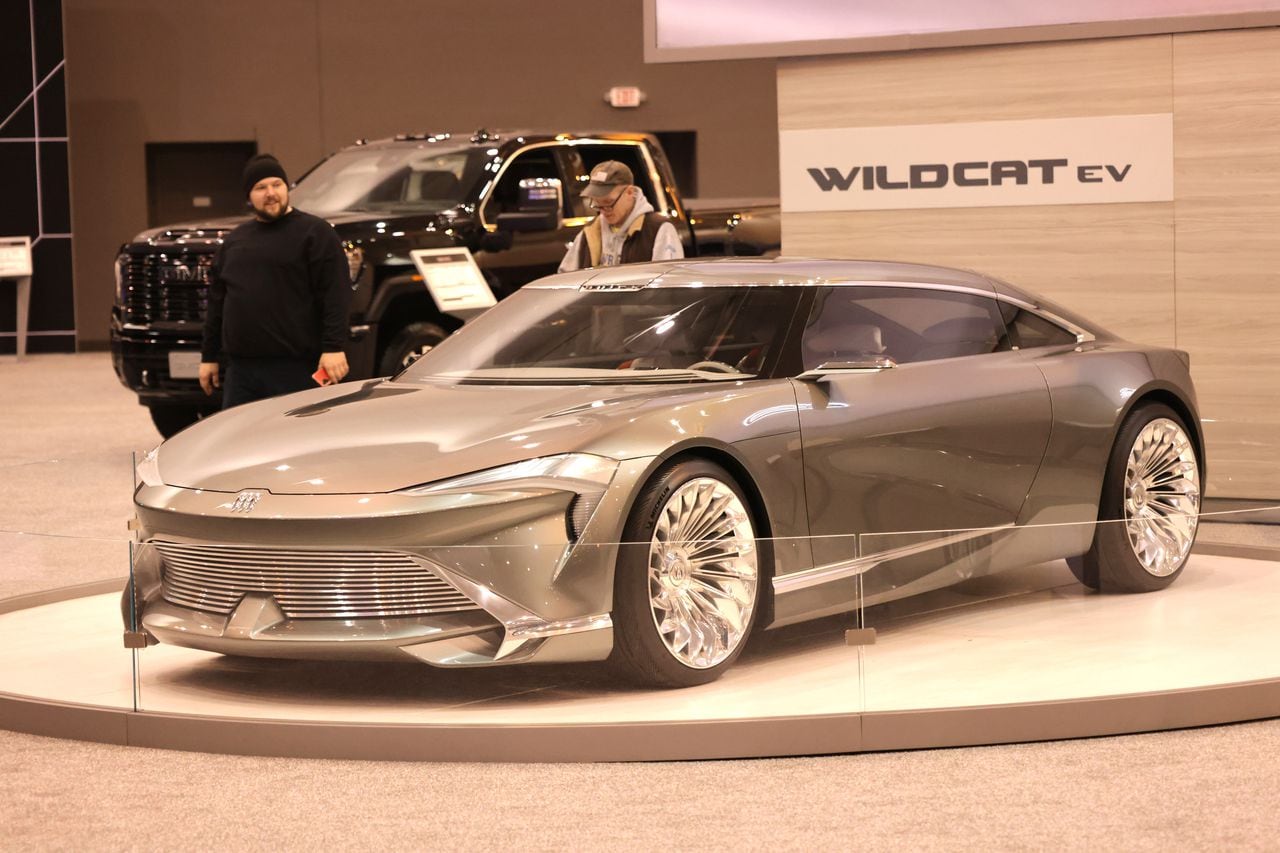
The 2024 Cleveland Auto Show at the I-X Center features a wide array of new cars, prototypes, and supercars, including the highly anticipated Buick Wildcat and Tesla's Cybertruck. Attendees can also test drive 35 different models on an indoor course, view classic cars from 1926 to 1997, and explore off-road vehicles. Additionally, Subaru is offering the opportunity to play with and potentially adopt local puppies. Ticket information and show hours can be found on the official website.
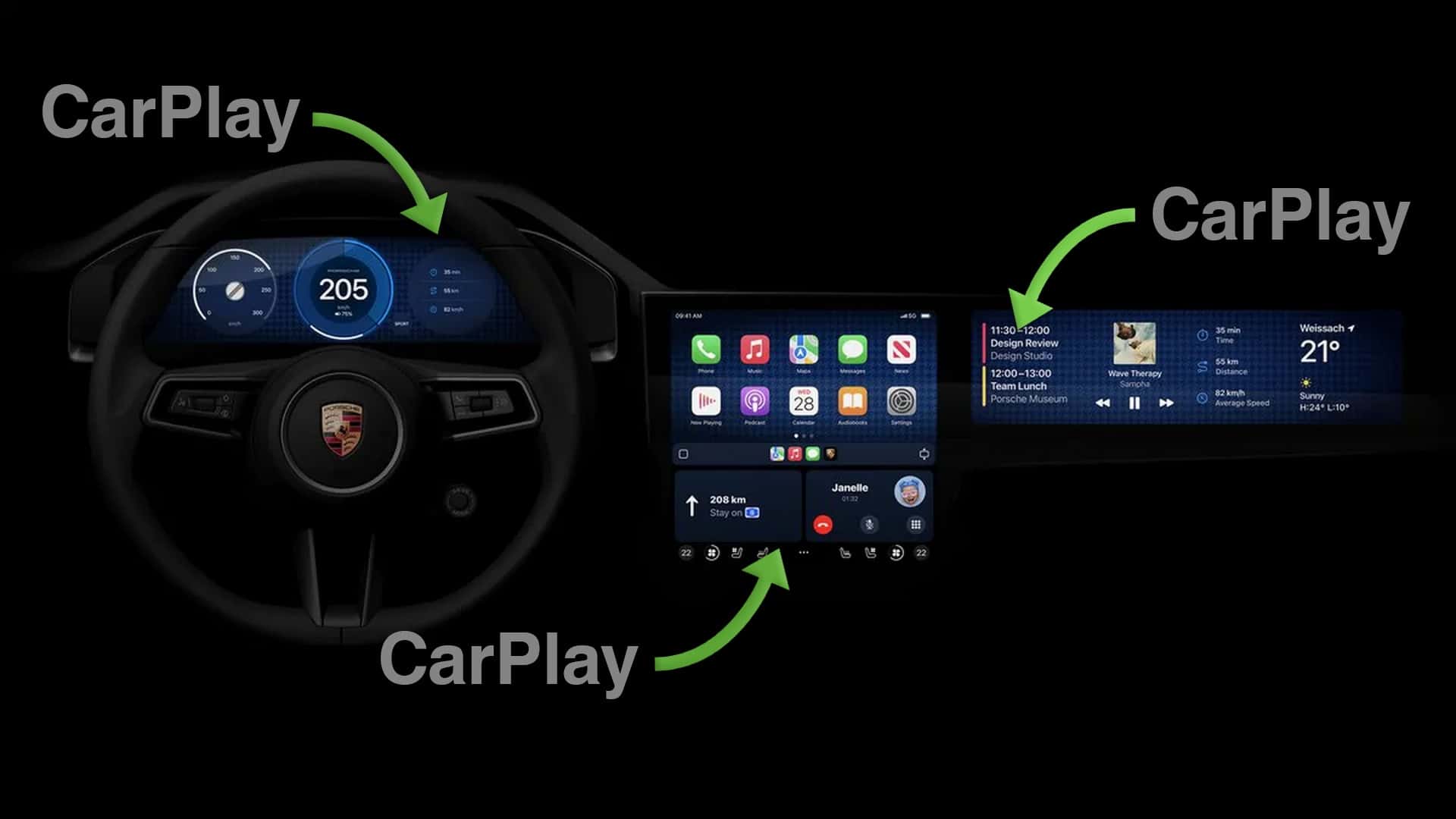
Apple CarPlay is set to undergo significant improvements with the help of car manufacturers like Porsche and Aston Martin. The next-generation CarPlay will have the ability to take over all screens inside the car, including the instrument cluster, by tapping into the car's sensors for information such as outside temperature and tire pressure. The new CarPlay will also offer enhanced personalization options, allowing users to store different color themes and layouts on their phones. Porsche and Aston Martin have released mock-ups showcasing the upcoming changes, with Aston Martin confirming compatibility with its new DB12 model.
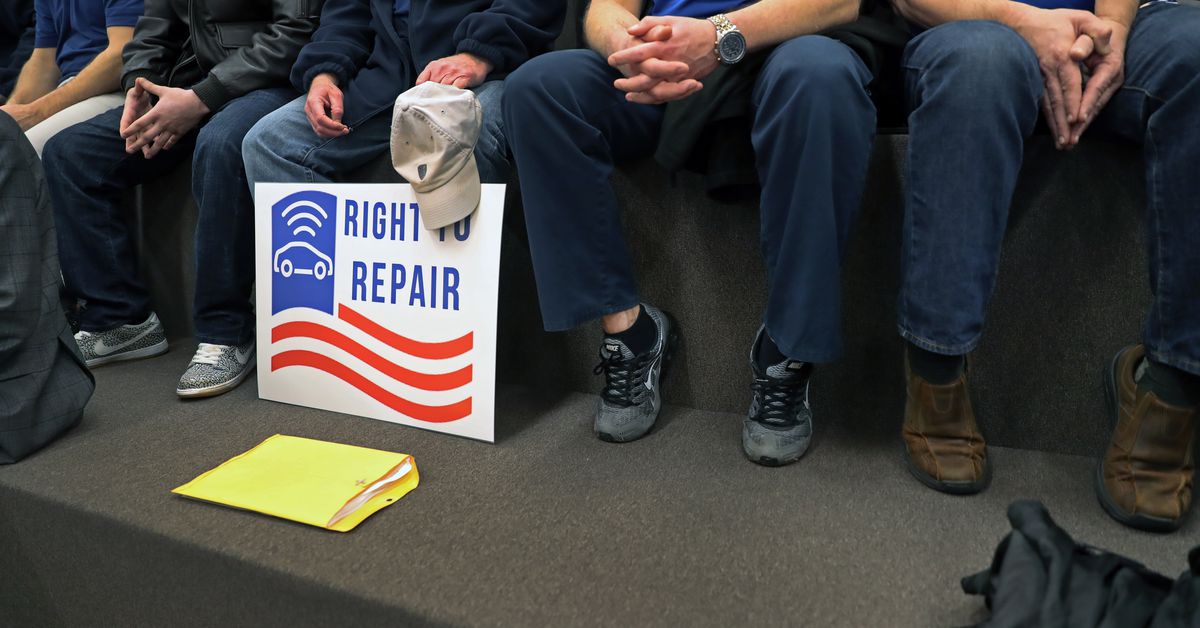
Maine's right-to-repair law for cars, which allows owners and independent mechanics access to a car's diagnostics systems, won with over 84 percent public support. This victory follows similar laws enacted in California, Minnesota, and Colorado this year. The law in Maine includes an exclusion that allows carmakers to offer a secure portal for resetting a car's security features. It also requires automakers to standardize access to on-board diagnostic systems and provide specific language for heavy-duty vehicles. Manufacturers can require authorization for access, but only through a standardized procedure approved by a third-party panel. Supporters of the right to repair argue that it is common sense, while opponents are primarily manufacturers.
The United Auto Workers (UAW) union has launched its first strike against all three major carmakers in Detroit, including General Motors, Ford, and Stellantis (formerly Fiat Chrysler). The strike comes after negotiations for a new labor contract stalled, with the union demanding better wages, benefits, and job security. This strike could disrupt production and supply chains for the automakers, impacting the industry as a whole.
A report by Mozilla reveals that car manufacturers are collecting and selling sensitive personal information about auto owners, with data collection practices on par with tech companies. The report highlights the lack of regulations in the US compared to Europe, leading to the unchecked collection and trade of personal data. Car manufacturers track a wide range of information, including employment history, browsing habits, location data, and even genetic information. Most manufacturers admit to selling customer data, while some have lower standards for sharing information with law enforcement. The report calls for policymakers and regulators to address the privacy concerns surrounding car data collection.
A study by Mozilla's *Privacy Not Included project found that all major car brands fail to meet basic privacy and security standards in their internet-connected models. Brands such as Volkswagen, BMW, Ford, Toyota, and Subaru were found to collect sensitive personal data including race, weight, health information, and even details about sexual activity and immigration status. The study revealed that modern cars use microphones, cameras, and connected phones to harvest data, which can be sold or shared with third parties. Nissan was identified as the worst offender, with its privacy policy suggesting the collection of sexual activity and genetic data. Car manufacturers also engage in "privacy washing" by presenting misleading information to consumers.
The supply of electric vehicles (EVs) on dealer lots in the US has reached 92 days, more than double the average inventory for all models, causing concern among dealers. While 53% of car buyers see EVs as the future, only 31% of dealers share the same sentiment, according to a survey by Cox Automotive. Wall Street is skeptical of ambitious EV growth plans, such as Ford's aim to produce 2 million battery-powered vehicles annually by 2026. The piling up of EV inventory suggests that the average consumer finds EVs either too expensive, too inconvenient, or both, highlighting the limitations of mandates in driving adoption.
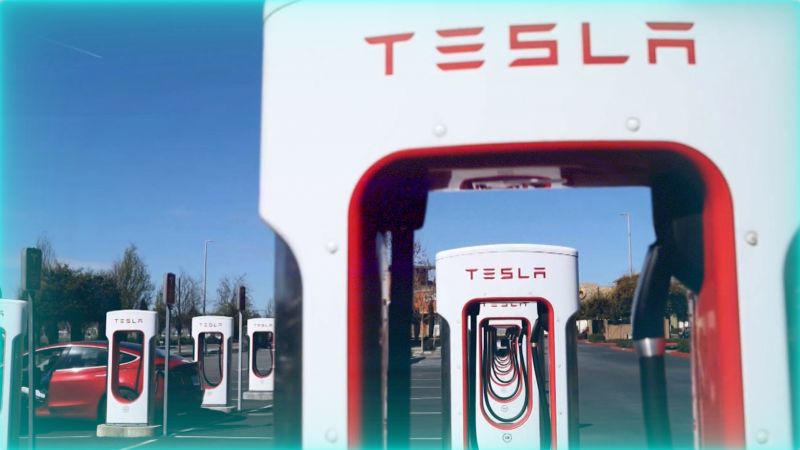
As car manufacturers pursue standardized EV charging stations, more may wait to adopt Tesla's Supercharger. The pursuit of standardized charging stations could lead to a more seamless experience for EV drivers, but it may also mean that car manufacturers will have to give up some control over the charging process. Tesla's Supercharger network is currently the most extensive in the US, but as more manufacturers enter the EV market, they may opt to wait for a more standardized charging infrastructure to emerge.
The Biden administration has instructed car manufacturers not to comply with a Massachusetts state law that would allow independent auto shops and car owners to fix their own vehicles. The law, known as the Data Access Law, grants open access to a car's telematics, which the National Highway Traffic Safety Administration (NHTSA) argues could be hacked by a "malicious actor" to remotely command a car, leading to vehicle crashes, passenger injuries, or death. The NHTSA has reminded car manufacturers of their commitment to vehicle and passenger safety under the National Highway Traffic Safety Act, essentially instructing them to ignore the Data Access Law.
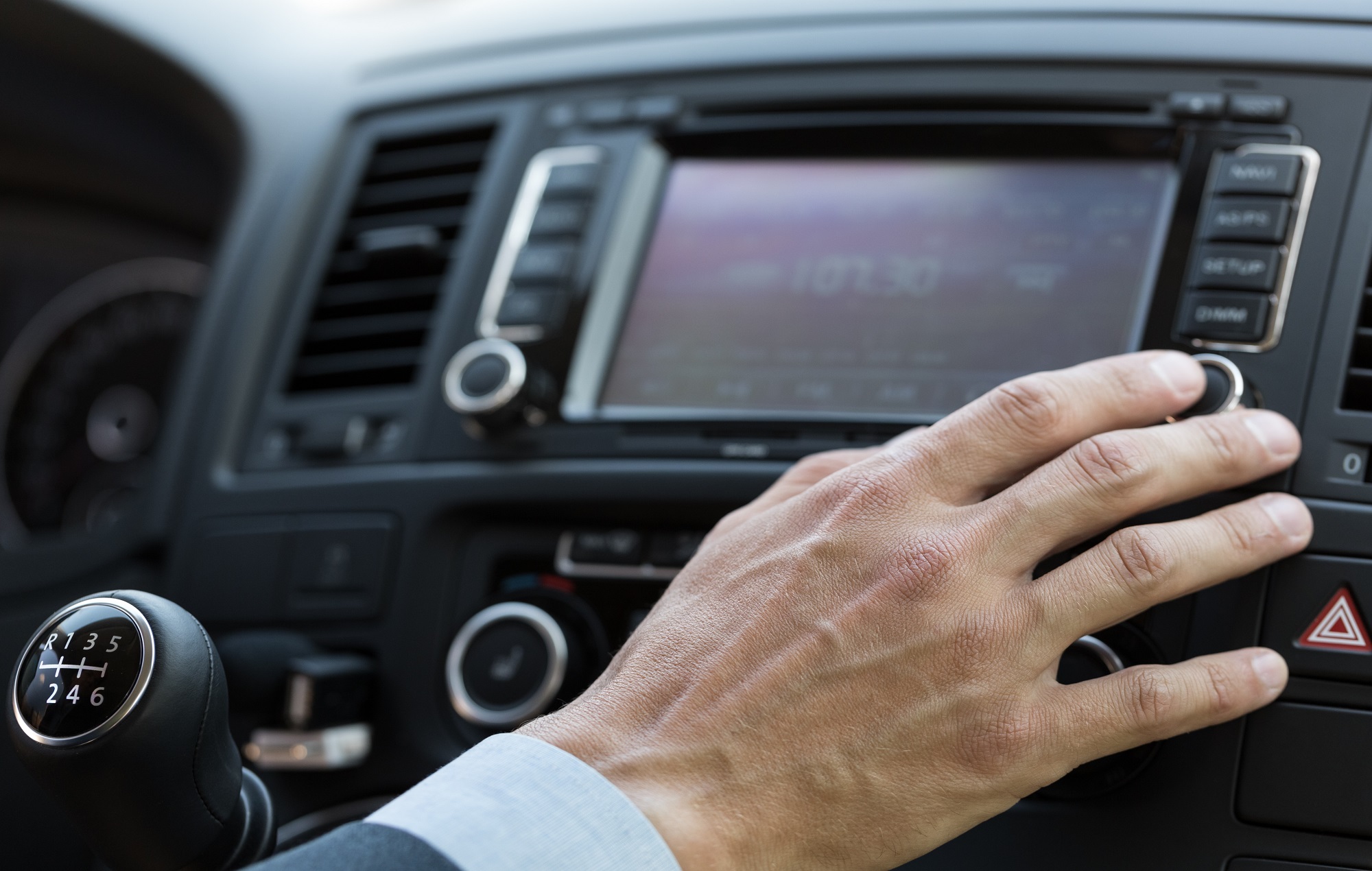
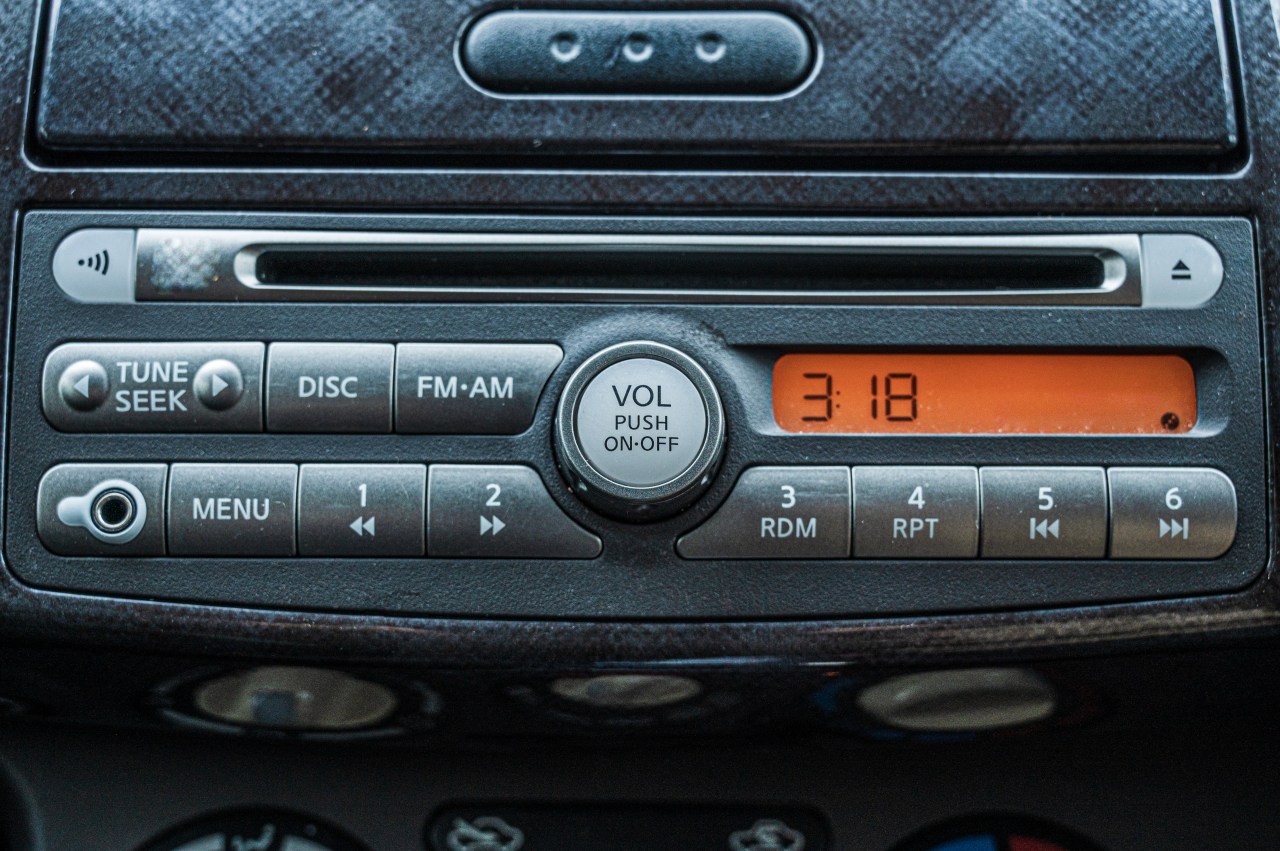
Car manufacturers including Ford, BMW, and Tesla have removed AM/FM radio from their newest car models due to the medium's shrinking consumer base and a quirk with electric engines that disrupts its signal. Nissan, Toyota, and Honda have stood firm against the frequency's forced removal while a collection of bi-partisan lawmakers in the US have drafted a bill to block carmakers from doing so, arguing that it undermines a federal system for delivering key public safety information to the public.
Ford, BMW, and Tesla are removing AM radio from new car models, citing interference from electric engines as one reason. However, this move has been criticized as a display of ignorance about what AM radio means to Americans, particularly for news, weather, sports, and talk radio. AM radio still has an estimated 82 million monthly listeners in the US, and roughly half of AM listening takes place in the car. Saving AM radio serves several political ideologies, as it provides a voice for conservatives, minorities, and the religious sector.
Car manufacturers such as BMW, Mazda, Volvo, Volkswagen, and Tesla are removing AM radio from their new models due to electromagnetic interference caused by electric motors. Ford is going even further and removing AM radio from all new cars, gas or electric. However, there are concerns that this move could hinder the delivery of emergency weather alerts, as AM radio is the backbone of the nation's Emergency Alert system. Critics urge automakers to find a way to fix the interference rather than remove the service altogether.
Car manufacturers, including BMW, Mazda, Volvo, Volkswagen, Tesla, and Ford, are removing AM radio from their new vehicles, citing electromagnetic interference as the reason. However, many listeners still rely on AM radio for news, talk shows, sports, and emergency weather alerts. The National Association of Broadcasters calls AM radio the "backbone of the nation's Emergency Alert system." Sen. Ed Markey urges automakers to find a way to fix the interference rather than remove the service altogether.