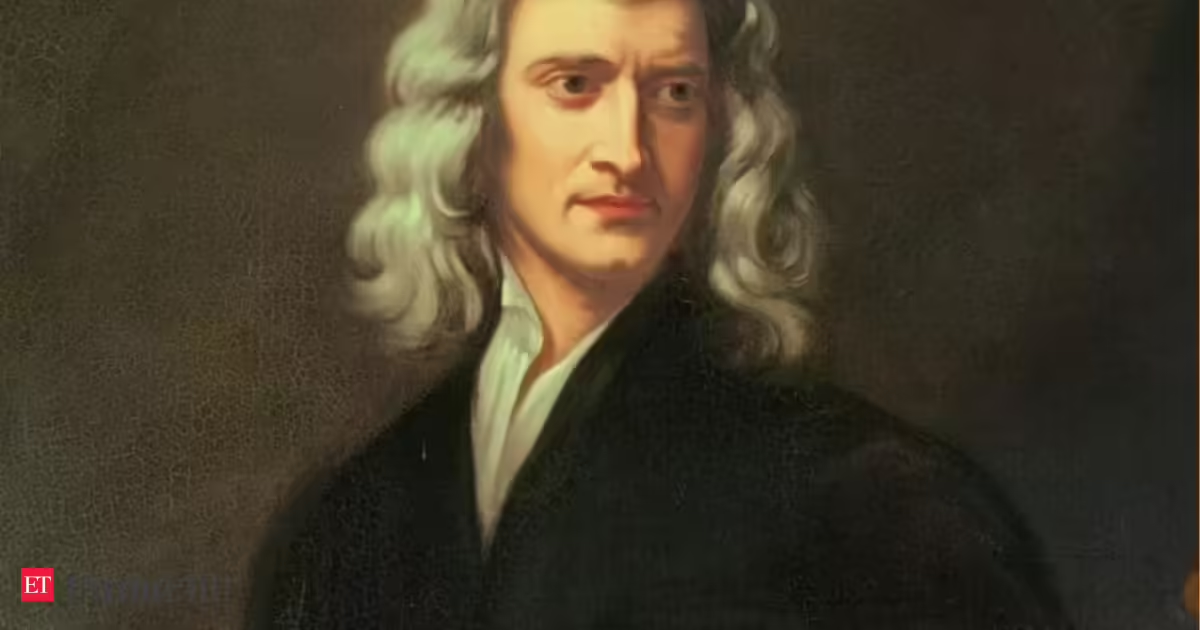
Isaac Newton, a pivotal figure of the Scientific Revolution, revolutionized our understanding of the universe with his laws of motion and universal gravitation, emphasizing simplicity in scientific inquiry, and his work continues to influence science today.
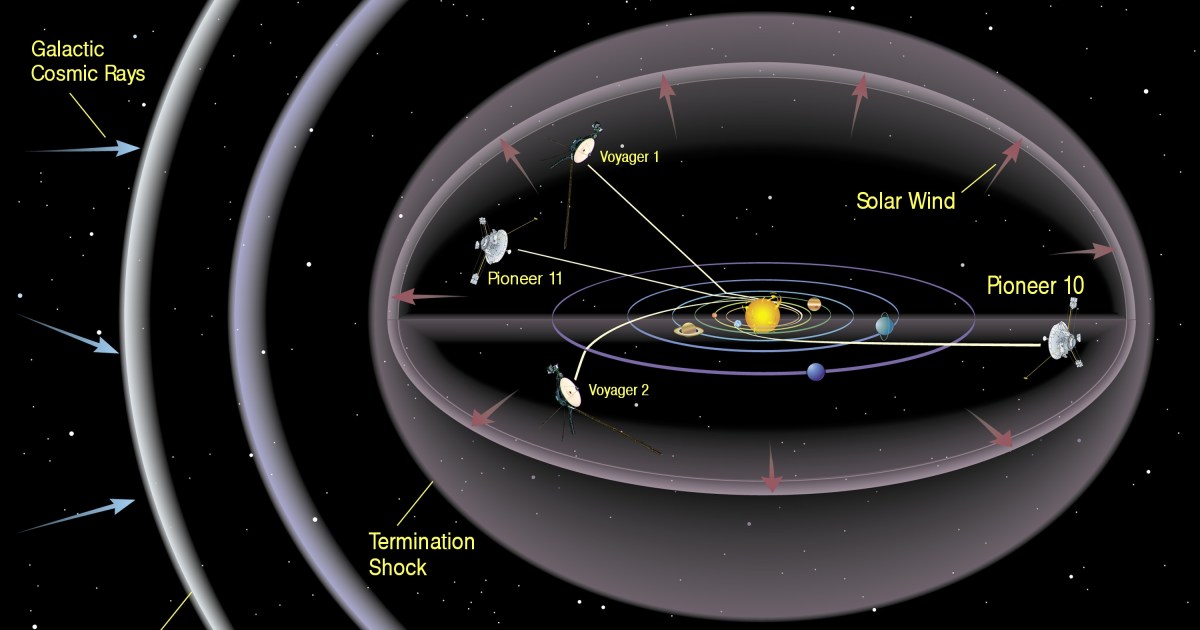
The article explores how the geocentric model of the universe persisted for over a millennium not due to dogmatic groupthink but because it fit the observable data better than alternatives. It highlights the eventual shift to the heliocentric model, driven by Kepler's elliptical orbits, which provided a more accurate explanation of planetary motions. The piece underscores that scientific revolutions occur when new theories not only match but surpass the explanatory power of existing models.
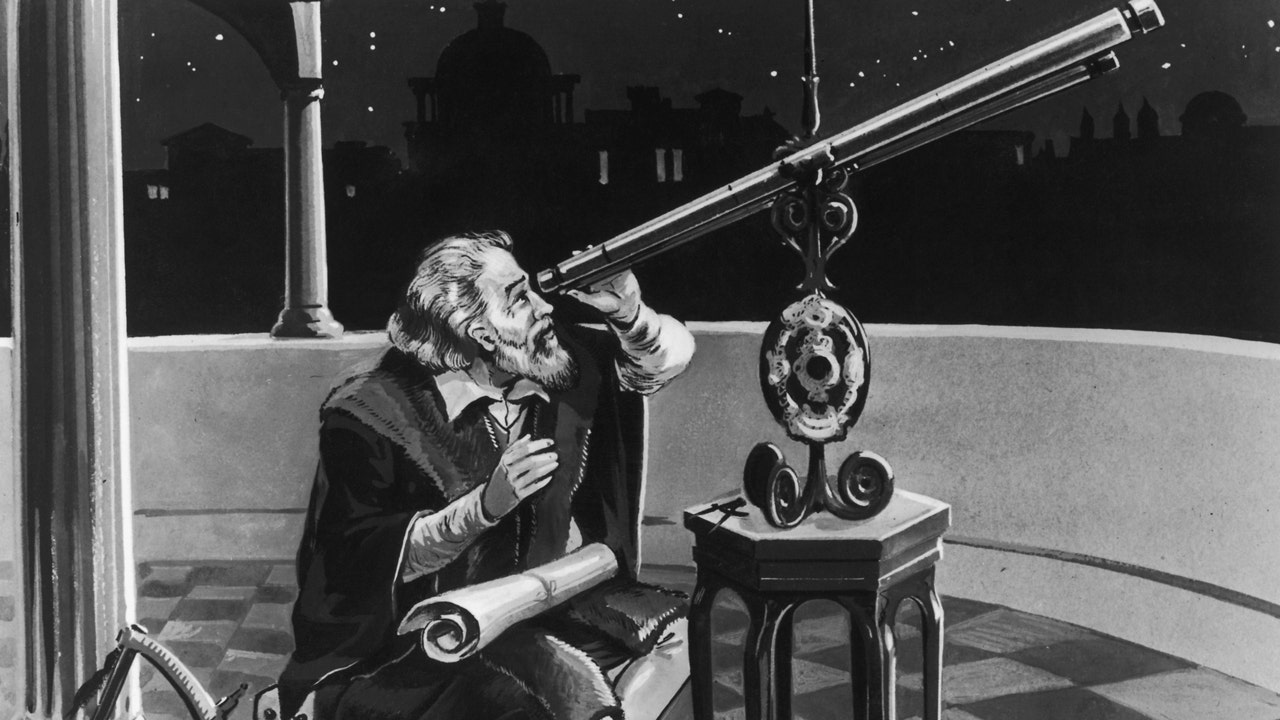
Galileo Galilei, an Italian philosopher, made groundbreaking contributions to astronomy during the Renaissance era, including the discovery of Jupiter's moons and sunspots. His advocacy for the Copernican theory and belief in heliocentrism led to a confrontation with the Catholic Church, resulting in his house arrest. Despite persecution, Galileo's legacy as a pioneer in physics, mathematics, and astronomy endures, shaping our understanding of the universe for centuries to come.
In a podcast episode, physicist Frank Wilczek discusses the nature of time, its role in scientific progress, and its conceptual evolution from Newton to Einstein. He explains that time is what clocks measure, and delves into the implications of Einstein's theories of special and general relativity, which introduced a more flexible concept of time and led to groundbreaking insights into the nature of space-time. Wilczek also highlights the interconnectedness of time with various physical phenomena and the practical applications of precise timekeeping in systems like GPS.
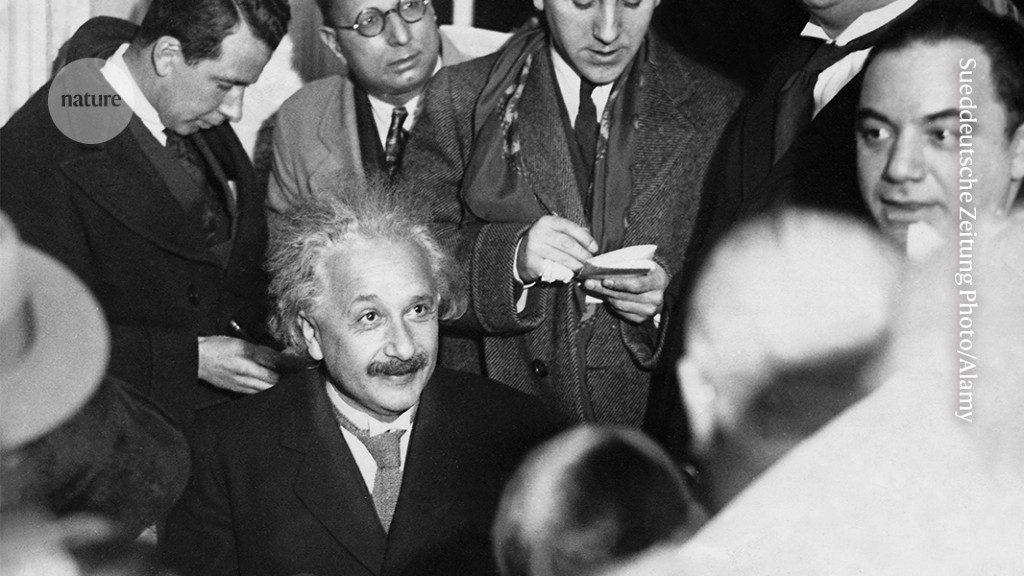
In "The Einsteinian Revolution," authors Hanoch Gutfreund and Jürgen Renn provide a comprehensive analysis of Albert Einstein's groundbreaking contributions to physics, dispelling the myth of him as a solitary scientific genius. They argue that Einstein's work was built on the foundation of earlier scientific knowledge and emphasize the interconnectedness of various fields in his revolutionary breakthroughs. The book also delves into Einstein's philosophical views on science and its relationship to moral values, challenging the notion that science is separate from moral judgments. Overall, the authors present a thought-provoking exploration of Einstein's scientific creativity and its broader historical context.
Scientists have developed a method to produce ultra-bright light, known as coherent light, by creating synchrony among particles. This breakthrough could lead to a technological and scientific revolution, with potential applications in healthcare, technology, and astrophysics. The compact machine that produces this ultra-bright light could make X-rays and radiotherapy treatments more affordable, enable the creation of powerful computer chips, and deepen our understanding of cosmic behavior. The researchers compare the motion of the quasiparticles in their experiment to a Mexican wave, where each individual electron contributes to the collective motion, resulting in highly synchronized photons and extremely bright light.
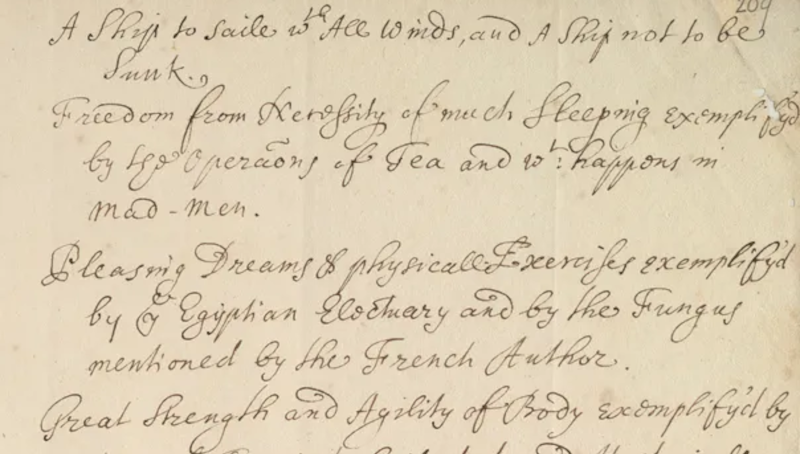
A recent blog post suggests that 2023 could mark the beginning of a scientific revolution, citing biomedical, quantum computing, and nuclear fusion advancements as evidence. However, skepticism remains regarding the longevity of these developments, as many promising technologies have failed to materialize in the past. The article highlights the importance of impactful scientific breakthroughs rather than the sheer quantity of scientific progress. Drawing parallels to the wish list of 17th-century scientist Robert Boyle, the author questions the significance of certain items on the list and emphasizes the difficulty of predicting the future of technological advancements.
Alchemy, often associated with fraud and mysticism, actually played a crucial role in the development of modern science. Alchemists made important discoveries, such as isolating alcohol and synthesizing nitric acid, and developed techniques like distillation and calcination. While their theories were flawed, their empirical investigations laid the foundation for modern chemistry. However, alchemy's reputation suffered due to its association with fraud and secrecy. Despite this, historians argue that alchemists should be recognized for their technical skills and experimental prowess, as many of their methods are still used today.