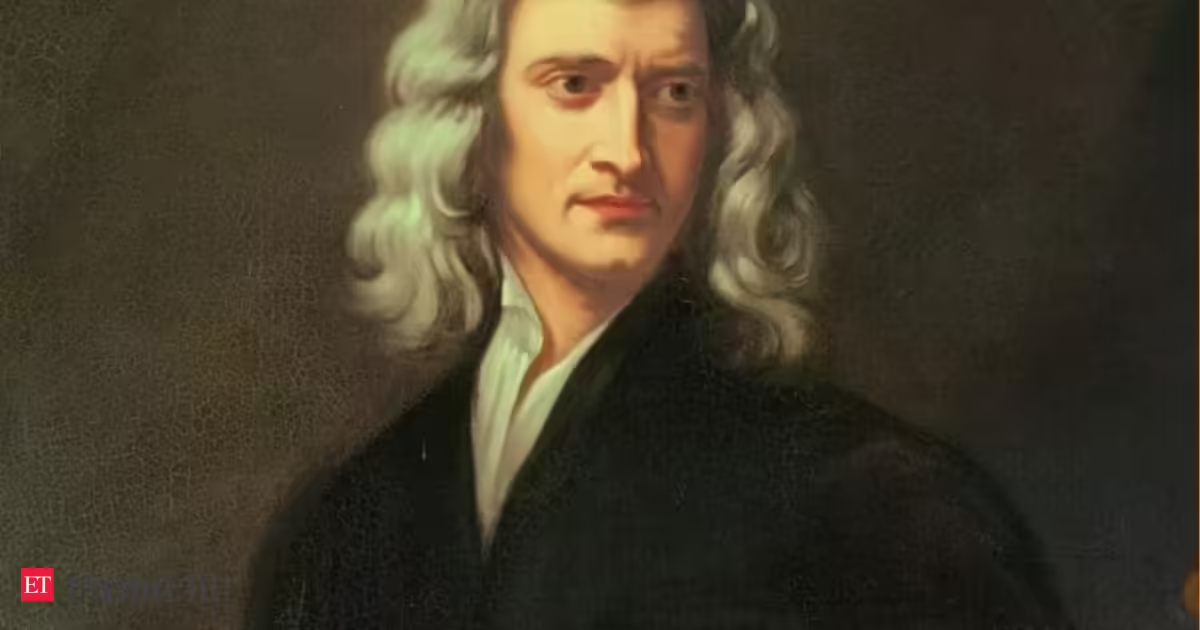
Isaac Newton, a pivotal figure of the Scientific Revolution, revolutionized our understanding of the universe with his laws of motion and universal gravitation, emphasizing simplicity in scientific inquiry, and his work continues to influence science today.
Dan, a dog in Virginia, experiences a moment of realization about gravity after observing an apple fall from a tree, reminiscent of Isaac Newton's famous discovery, and has been testing the theory since then.
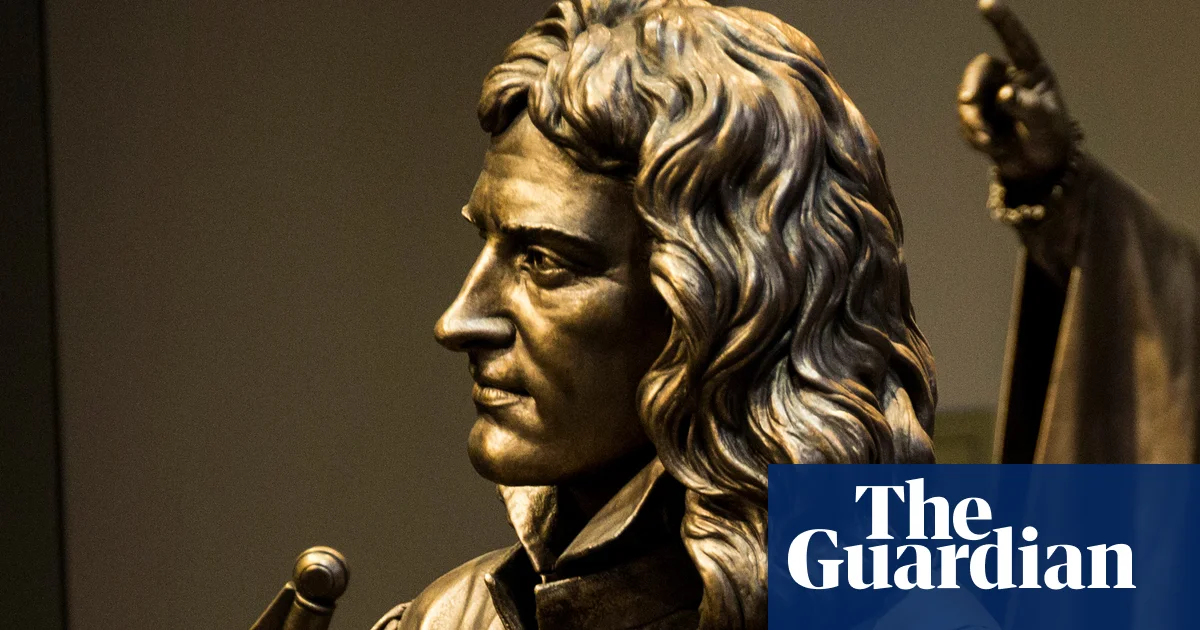
A new book, 'Ricardo’s Dream,' reveals that Sir Isaac Newton, renowned for his scientific contributions, had significant financial ties to the transatlantic slave trade during his tenure as master of the mint at the Bank of England. The book claims Newton benefited from gold mined by enslaved Africans in Brazil, which was turned into currency at the bank, significantly contributing to his wealth. This connection highlights the broader involvement of early 18th-century British finance with slavery, though it does not diminish Newton's scientific legacy.
A philosopher of language and mathematics at Virginia Tech, Daniel Hoek, has proposed a reinterpretation of Isaac Newton's first law of motion, arguing that a mistranslation in the original 1729 English translation of Newton's Latin Principia has led to a misunderstanding of the law for centuries. Hoek suggests that the correct translation of a Latin word in the law's description changes its meaning, indicating that every change in a body's momentum is due to external forces, rather than the previous interpretation of objects continuing in a straight line unless acted upon by an external force. This reinterpretation sheds light on Newton's original intent and emphasizes the fundamental idea that the same physical laws govern both earthly and celestial bodies.
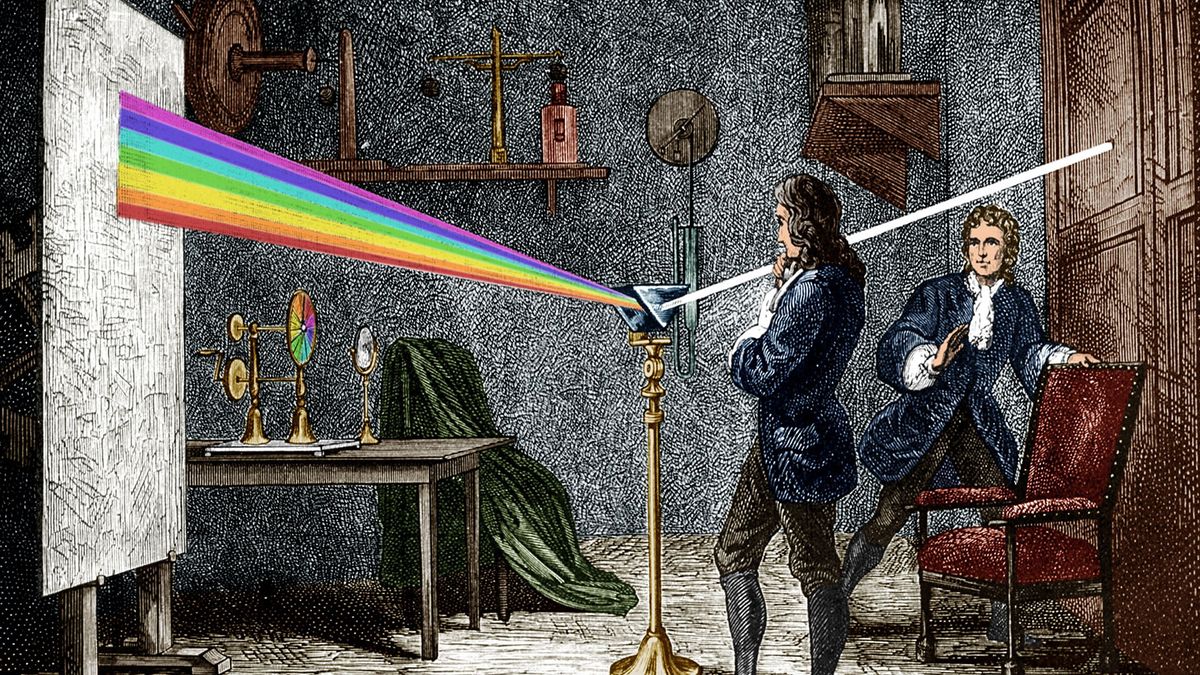
Isaac Newton's experiment with prisms in 1666 revolutionized our understanding of light, revealing that the colors of the rainbow are inherent in white light itself and that prisms simply separate them out through refraction. Newton's findings, published in his book Opticks in 1704, explained the nature of light, the formation of rainbows, and the defects of lenses. Despite initial criticism, his experiments have stood the test of time and continue to illuminate the unknown.
The question of whether gravity is a force is complicated. Gravity can be defined as a force that causes objects to move or deform. Isaac Newton described gravity as a force of attraction between two bodies based on their mass and distance. However, Albert Einstein's theory of gravity proposed that it is the distortion of spacetime caused by massive objects. While Einstein's theory has been validated, it fails to describe gravity at the subatomic level. Scientists are still searching for a theory of quantum gravity that combines gravity with other subatomic forces. On the quantum scale, gravity is thought to be a force transmitted by particles called gravitons. Ultimately, the nature of gravity remains a complex and philosophical question.
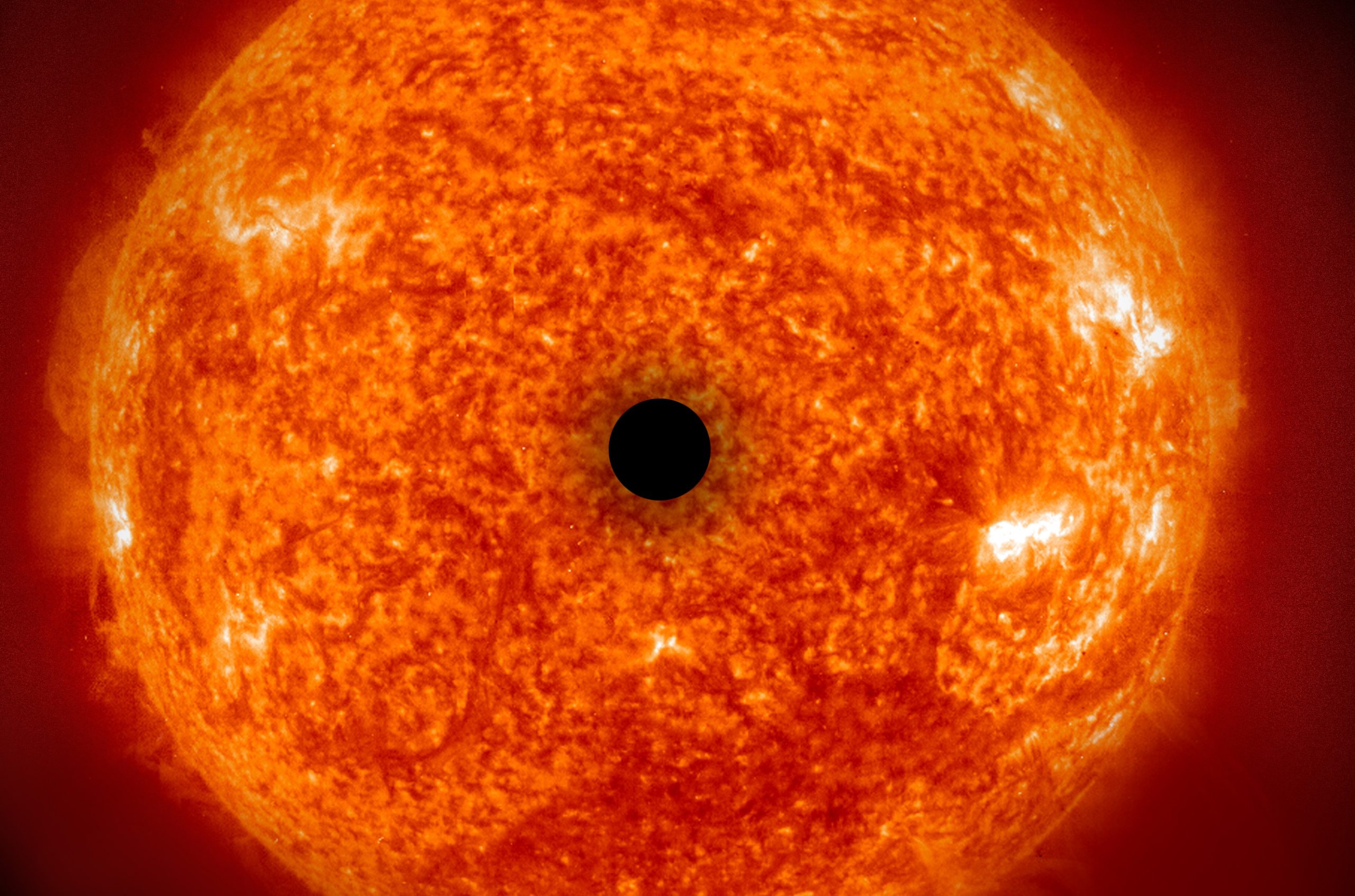
In the 19th century, astronomers discovered that Mercury's orbit was not following Isaac Newton's law of universal gravitation, leading to the search for an unseen planet between Mercury and the sun, dubbed "Vulcan." After over a decade of calculations, French astronomer Urbain Le Verrier announced the discovery of Vulcan in 1860, based on observations by a French physician and amateur astronomer named Dr. Edmond Lescarbault. However, Vulcan was never directly observed, and its existence was eventually disproven. Nonetheless, Le Verrier's discovery of Neptune in 1846 remains a triumph for Victorian-era science.