Tag

Sarcopenia

All articles tagged with #sarcopenia

Resistance Training: A Simple Path to Healthier, Longer-Lasting Independence
health2 days ago

Resistance Training: A Simple Path to Healthier, Longer-Lasting Independence

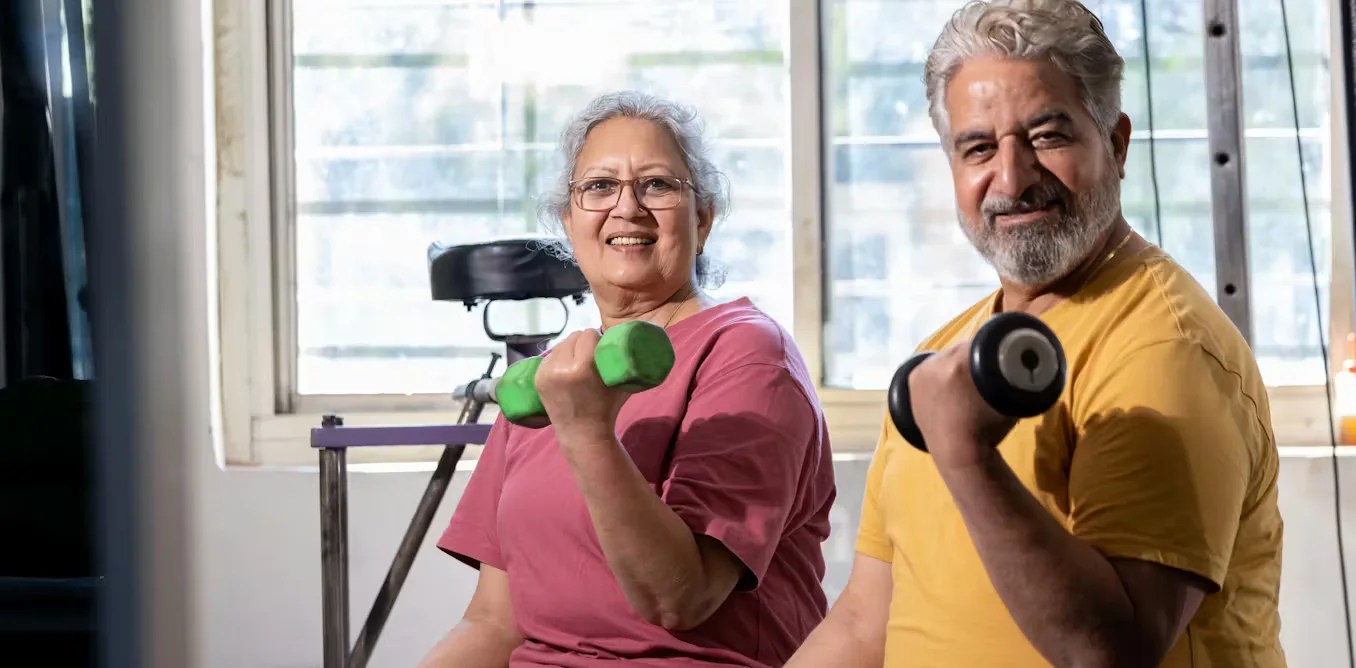
Regular strength training is the most effective way to preserve muscle, mobility and independence as we age, countering sarcopenia and reducing falls. Evidence shows older adults can gain meaningful strength with progressive resistance, and even one training session per week can help beginners, especially when paired with adequate protein. Programs can be adapted for those with joint pain or chronic conditions and older adults, including those in their 80s and 90s, can improve with supervision. To translate science into action, public health guidance should emphasize muscle-strengthening activities—targeting major muscle groups—several times weekly, with home-friendly options and community programs to boost participation.

Protein Needs Climb for Adults Over 50 to Preserve Muscle
health2 days ago

Protein Needs Climb for Adults Over 50 to Preserve Muscle

Muscle loss accelerates after age 50 (sarcopenia), and the traditional 0.8 g/kg/day protein RDA may be insufficient for many older adults. New Dietary Guidelines recommend 1.2–1.6 g/kg/day (higher for active individuals and postmenopausal women), with protein distributed across meals (about 15–30 g per meal) and sourced from whole foods. For a 150-pound adult, this could mean roughly 75–100 g of protein daily, potentially up to ~2 g/kg/day for healthier individuals, while those with chronic kidney disease should consult a clinician. Exercise remains essential, as protein plus resistance training yields the best muscle-maintaining results.

Grip strength linked to longer life in older women, study finds
health16 days ago

Grip strength linked to longer life in older women, study finds

A large US study of 5,472 women (mean age ~78.7) found that higher muscle strength—especially grip strength—is tied to a 33% lower mortality risk for the strongest vs weakest groups, and faster chair-stand performance is linked to a 37% lower risk. The association persisted even among women not meeting the 150 minutes/week of aerobic activity, suggesting grip strength as a practical aging marker. The study is observational and limited to females, so it cannot prove causality, and it estimates muscle mass rather than directly measuring it.

Resistance Training Becomes the Cornerstone of Mobility After 60
health25 days ago

Resistance Training Becomes the Cornerstone of Mobility After 60

Public health agencies in multiple countries are shifting from cardio-centric advice to recommending regular resistance-based strength training for adults over 60. Evidence shows that strength work preserves muscle mass, balance, and independence better than walking or swimming alone, reducing fall risk and delaying frailty. Accessible, home-friendly routines using bodyweight, bands, and simple props can be effective, prompting policy updates and wider access to programs for older adults.

Physical Prime Around 35, Yet Exercise Slows the Decline
science29 days ago

Physical Prime Around 35, Yet Exercise Slows the Decline

A Swedish population-based longitudinal study (SPAF) tracking participants from adolescence to age 63 finds that muscular endurance and aerobic capacity peak between ages 26–36, with muscle power peaking earlier (men ~27, women ~19). By 63, overall capacity can fall 30–48%. Regular physical activity slows the decline, and increasing activity in adulthood can boost capacity by about 10%, underscoring that while aging cannot be halted, its pace can be slowed. The study highlights youth activity and uses data from 1974 onward, published in the Journal of Cachexia, Sarcopenia and Muscle.

Midlife Muscle Reset: 4 Daily Moves to Rebuild Strength Without Machines
mind-body1 month ago

Midlife Muscle Reset: 4 Daily Moves to Rebuild Strength Without Machines

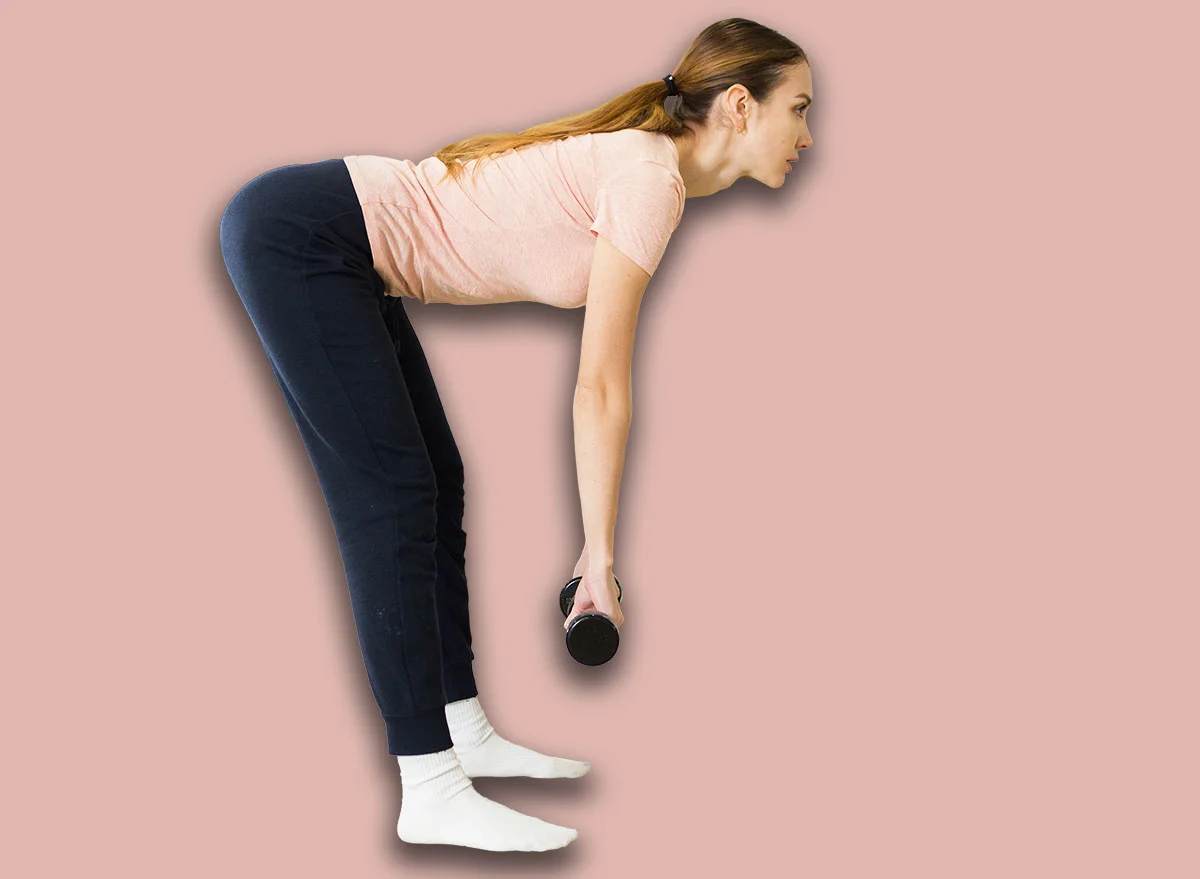
The article argues that after age 55, short, daily, multi-joint strength work—performed without machines—can more effectively rebuild lost muscle than gym-based routines. It recommends two exercises per day (alternating A/B), for 10–20 minutes total, with progressive, controllable reps and a target RPE of 7–8. Sample moves include sit-to-stand squats, Romanian deadlifts, pushups, and farmer’s carries, emphasizing consistency, recovery, and improved motor coordination rather than heroic workouts.

New 47-Year Study Pinpoints When Fitness Begins to Fade (In Your 30s)
science1 month ago

New 47-Year Study Pinpoints When Fitness Begins to Fade (In Your 30s)

A long-running Swedish SPAF study of 427 participants shows peak physical capacity in the mid-30s, with a rise in decline after age 40 and about 30–40% loss by age 63 across aerobic fitness, endurance, and power. Lifelong activity—especially starting in youth or re-engaging later—significantly boosts outcomes and slows deterioration, but the onset of decline appears biologically programmed well before later life, highlighting the value of staying active early in life.

Regain Muscle After 45 with Five Simple Daily Exercises
fitness1 month ago

Regain Muscle After 45 with Five Simple Daily Exercises

As people pass 45, age-related muscle loss (sarcopenia) increases fall risk and makes daily tasks harder. Experts advocate five daily, full-body moves—Bodyweight Jump Squats, Plank-to-Pushups, Step-up Into High Knee, Sumo Squat Into Reverse Lunge, and Deadlift/Hip-Hinge—to rebuild strength faster than isolated gym machines, while improving neuromuscular control, balance, and functional fitness.

Ozempic muscle-loss risk prompts medical guidance for mitigation
health1 month ago

Ozempic muscle-loss risk prompts medical guidance for mitigation

Health experts warn that GLP-1 weight-loss drugs like Ozempic can cause substantial lean-mass loss in a sizable portion of users, potentially accelerating sarcopenia and increasing fall risk, especially among older adults; however, doctors advise mitigating strategies such as high-protein diets, regular strength training, and close medical follow-up to preserve muscle while maintaining weight-loss benefits.

Essential Strength Training Tips for Aging Gracefully
health-and-wellness2 months ago

Essential Strength Training Tips for Aging Gracefully

Strength training, even with light weights just once a week, is crucial for older adults to preserve muscle mass, maintain independence, and prevent the decline caused by aging and immobilization. Building a muscle 'buffer' through simple, consistent resistance exercises can significantly reduce the risk of permanent limitations and improve quality of life as we age.

Top 5 Standing Exercises to Boost Muscle and Strength After 50
health-and-fitness2 months ago

Top 5 Standing Exercises to Boost Muscle and Strength After 50

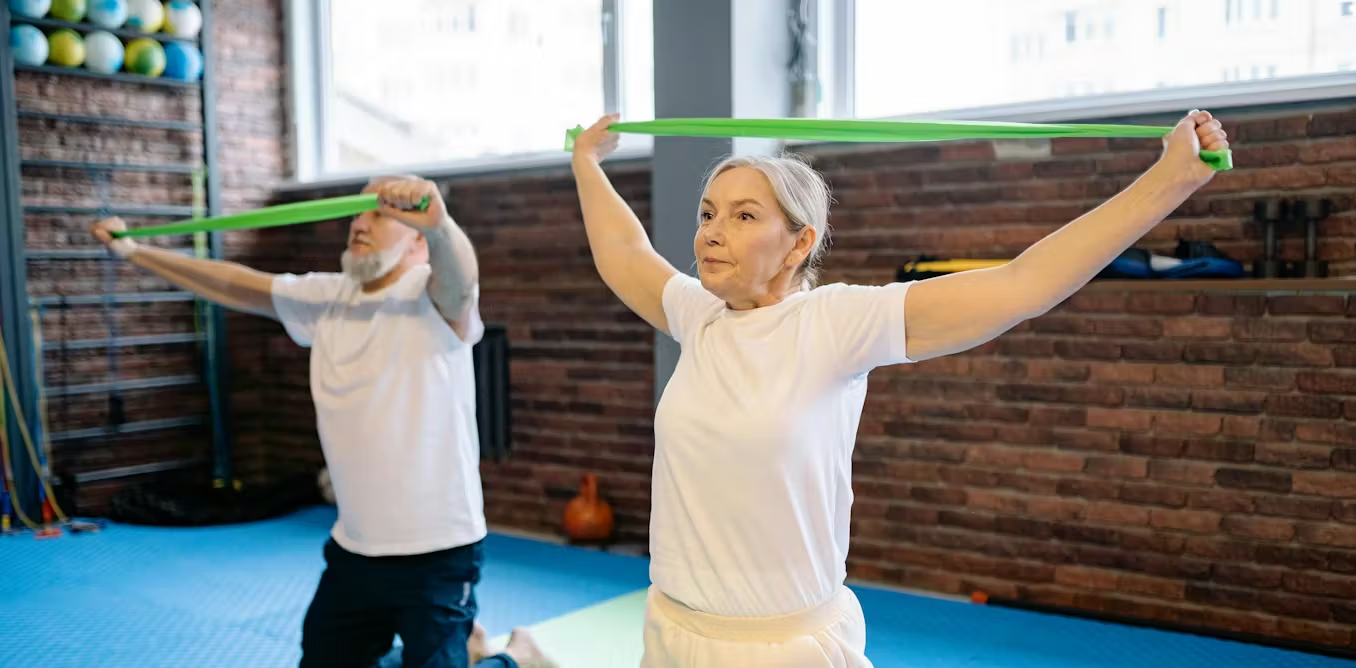
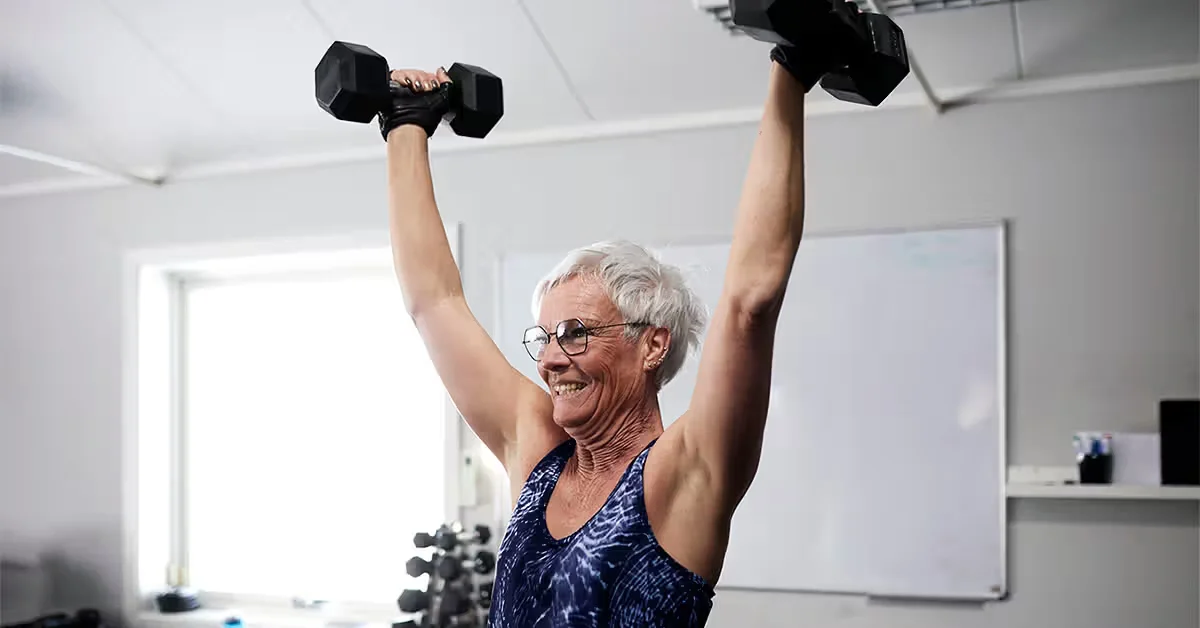
The article discusses five effective standing exercises—sit-to-stand squats, resistance band rows, lunges, overhead presses, and walking—that can help individuals over 50 rebuild muscle faster than traditional weight training by improving neural activation, balance, and muscle coordination, which are crucial for maintaining strength and preventing falls as we age.