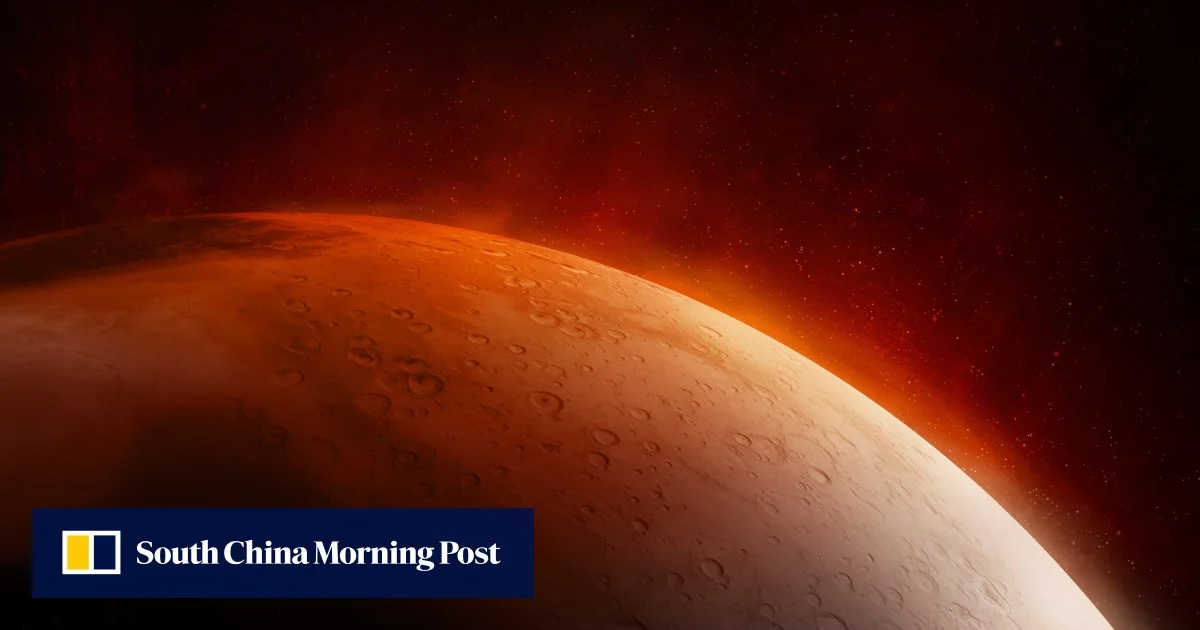
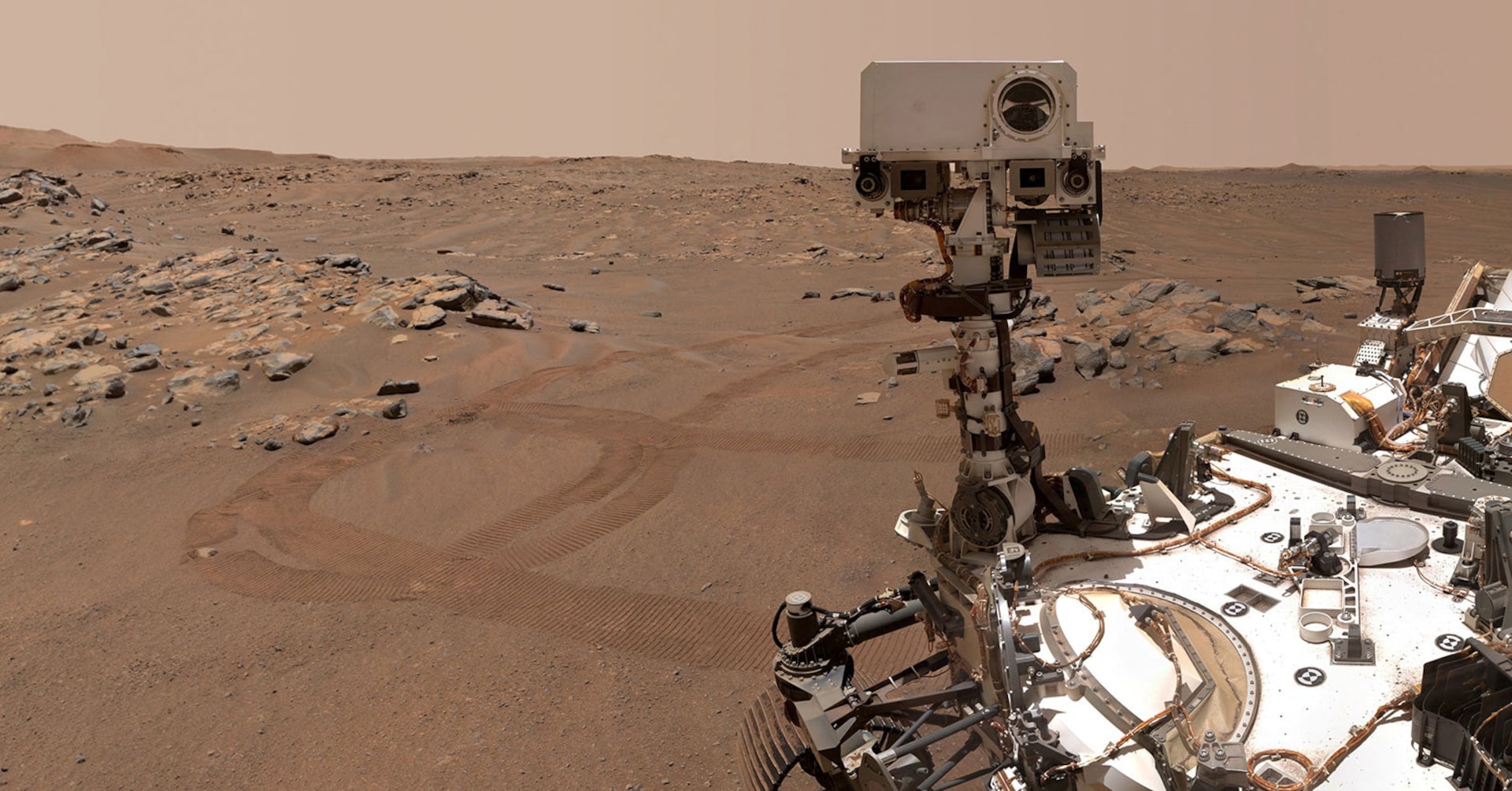
NASA's Mars Sample Return program, which aimed to bring Martian samples to Earth for detailed analysis, has been canceled due to high costs and lack of a concrete plan, resulting in the loss of valuable scientific opportunities, including the analysis of potentially biosignature-bearing rocks like Cheyava Falls.
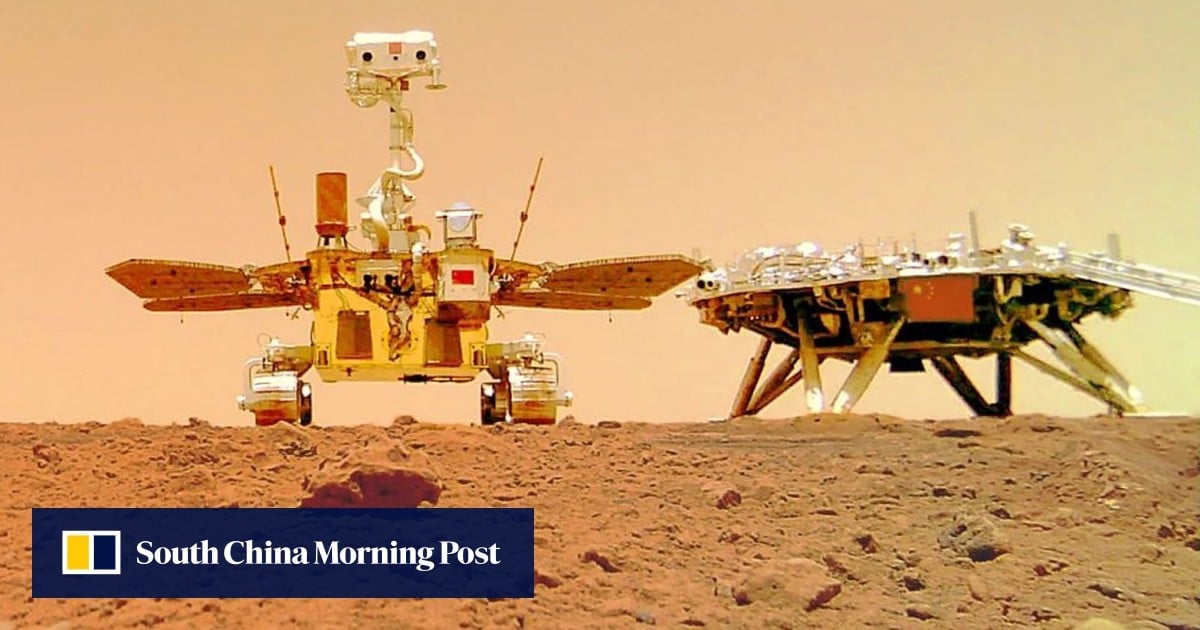
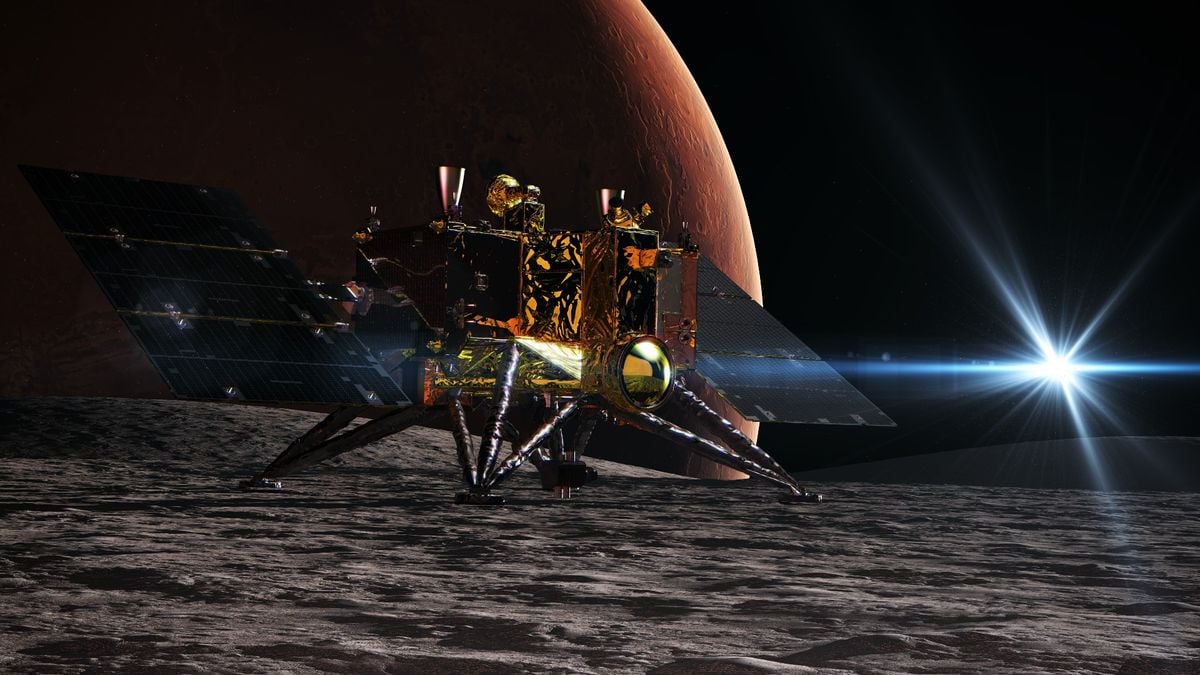
China is advancing its Mars sample return mission with a new lightweight device designed to capture Martian rock samples in orbit. The 12kg module, developed by the Institute of Aerospace System Engineering in Shanghai, will catch a sample container ejected into orbit by an ascent vehicle. This container, filled with rocks collected from Mars' surface, will be secured and transferred into a storage vessel for its journey back to Earth. The device has been tested to ensure it can adapt to various entry angles and positions, overcoming the mass limitations of traditional docking mechanisms.
NASA is seeking cost-effective alternatives for its Mars sample return mission due to budget constraints, with a formal request for proposals going out to NASA centers, laboratories, and space industry companies. The current program has been plagued by technical complexities, spending constraints, and rising costs, prompting the need for innovation and proven technology to reduce development time, risks, and expenses. The mission's next phase, in partnership with the European Space Agency, aims to retrieve the samples collected by the Perseverance rover and launch them back to Earth, but the projected costs have soared to as high as $11 billion with a return date as far as 2040. NASA is open to leaving behind some of the samples and hopes to find a solution through collaboration with industry partners.
Chinese scientists are advocating for an intensified focus on asteroid research and sample return missions, emphasizing the potential for new understanding of the solar system's early stages, origins of life, space resource assessment, and planetary defense strategies. China is set to launch its first asteroid sample return mission in 2025 and is urged to strengthen international cooperation, coordinate missions, and quickly organize the assessment of key scientific questions related to asteroids. This strategic focus could have significant ramifications for international space exploration activities, global cooperation, strategic competition, space law and governance, and scientific research possibilities.
China's Mars sample return mission, Tianwen-3, is progressing smoothly with all key technologies in place, aiming to collect Martian rocks and bring them back to Earth around 2030, while NASA's Mars Sample Return (MSR) project has faced budget uncertainty, technical readiness issues, and potential spending cuts, leading to delays and layoffs. China's mission is more likely to be limited to collecting and retrieving materials within the immediate reach of the lander, while the US, India, and Europe also have upcoming missions to Mars, but not designed to retrieve samples.
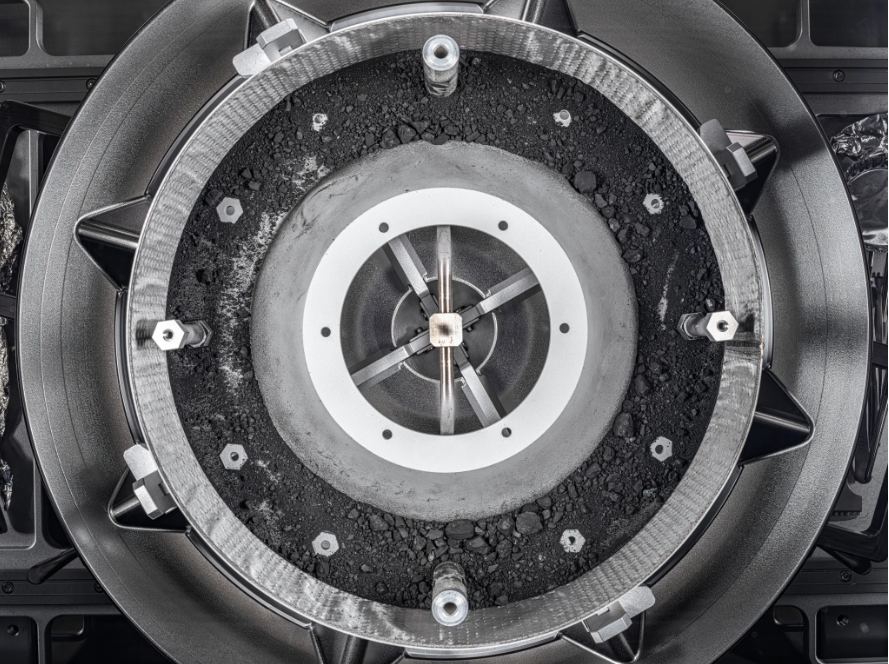
NASA's OSIRIS-REx spacecraft successfully returned a sample from asteroid Bennu to Earth, containing primordial asteroidal material billions of years old, exceeding the targeted 60 grams. The sample, currently at NASA's Johnson Space Center, will be catalogued and made available to scientists worldwide. Initial analysis reveals high carbon concentration, potentially shedding light on the origins of life. The sample also offers an opportunity to verify spacecraft instruments and study Bennu's composition, potentially providing insights into the early Solar System and the formation of celestial bodies.
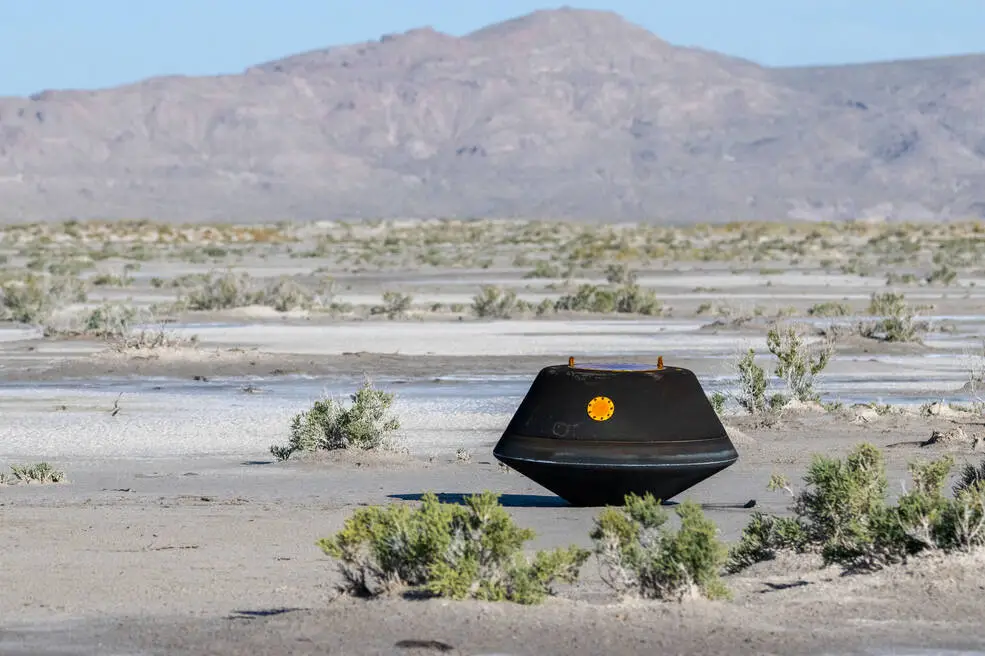
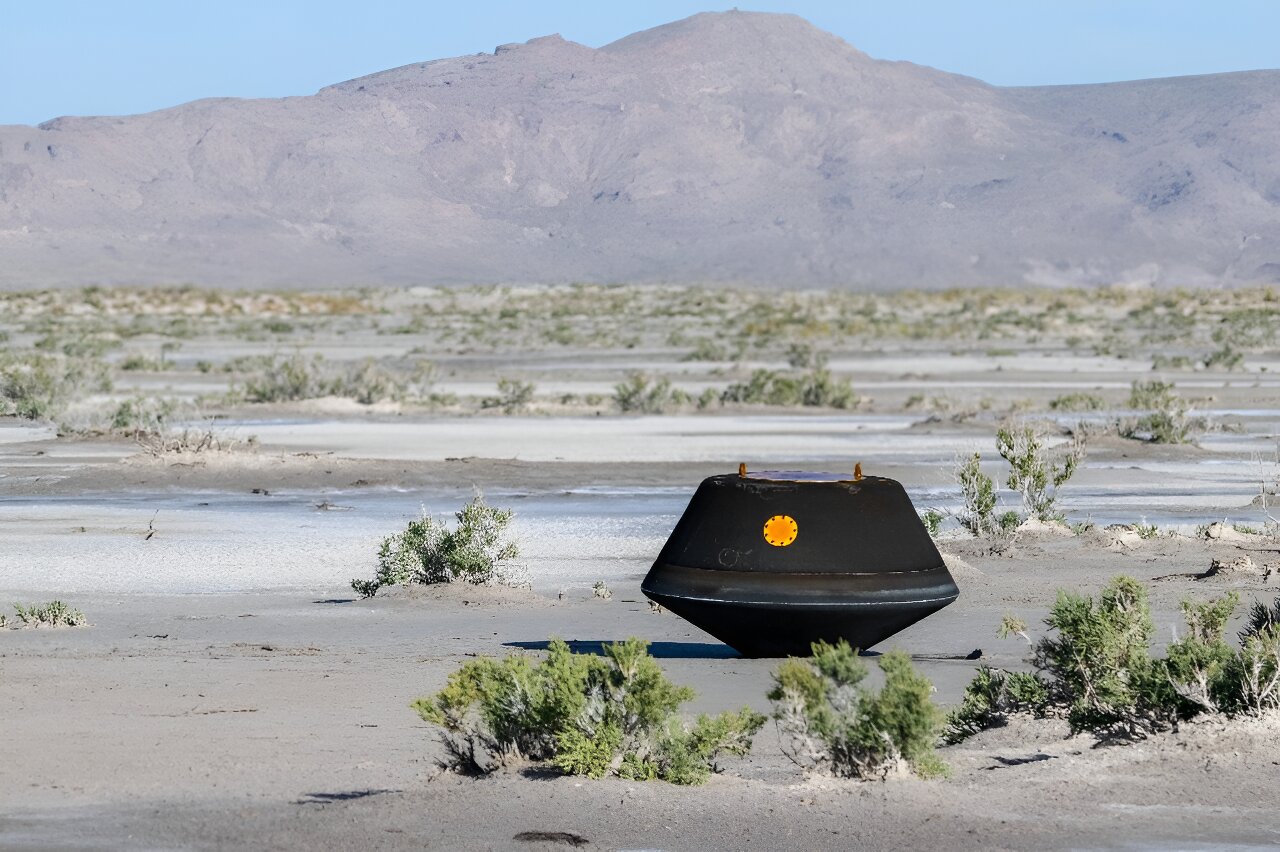
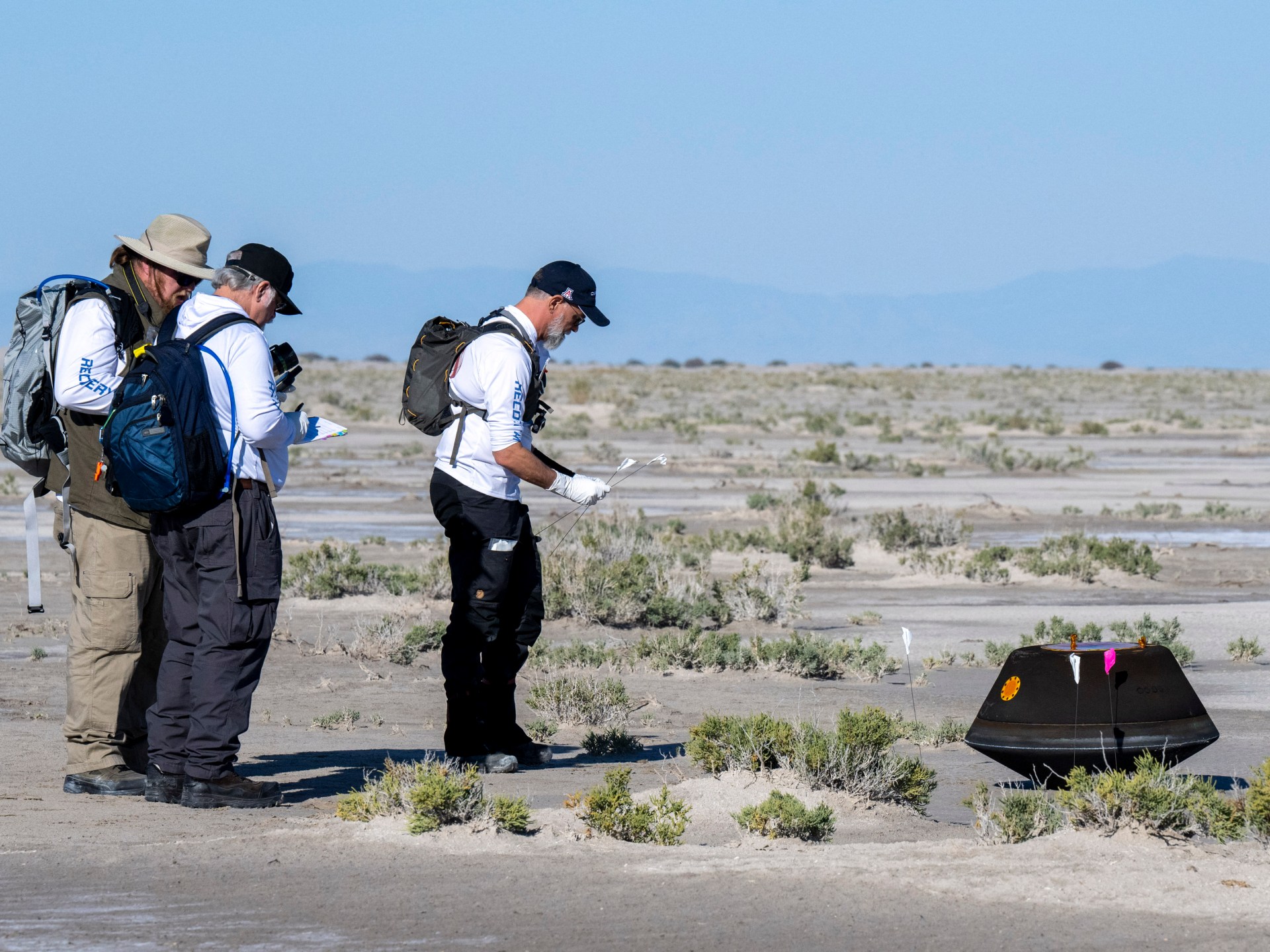
NASA's OSIRIS-REx spacecraft successfully brought back samples from asteroid Bennu after a seven-year mission, with high-resolution photos of the materials now revealed. The spacecraft collected material from the asteroid's surface and delivered it to Earth in a Utah desert site. The samples will be studied at the Johnson Space Center in Houston, and the curation team will release a catalog of all samples later this year for global scientific research. OSIRIS-REx will now embark on an extended mission to study another near-Earth asteroid, Apophis.
NASA's OSIRIS-REx mission has brought back over 70 grams of asteroid dust and pebbles, more than ten times the amount ever collected from an asteroid. Initial analysis of the samples has revealed surprising combinations of chemical elements, including a light-colored surface skin containing magnesium, sodium, and phosphate, which is rarely seen in meteorites. The samples also contain hydrated clay minerals, carbonates, magnetite, sulfide minerals, and organic compounds. However, two screws on the sample canister are preventing access to the rest of the space rock, and new screwdrivers are being made to resolve the issue.
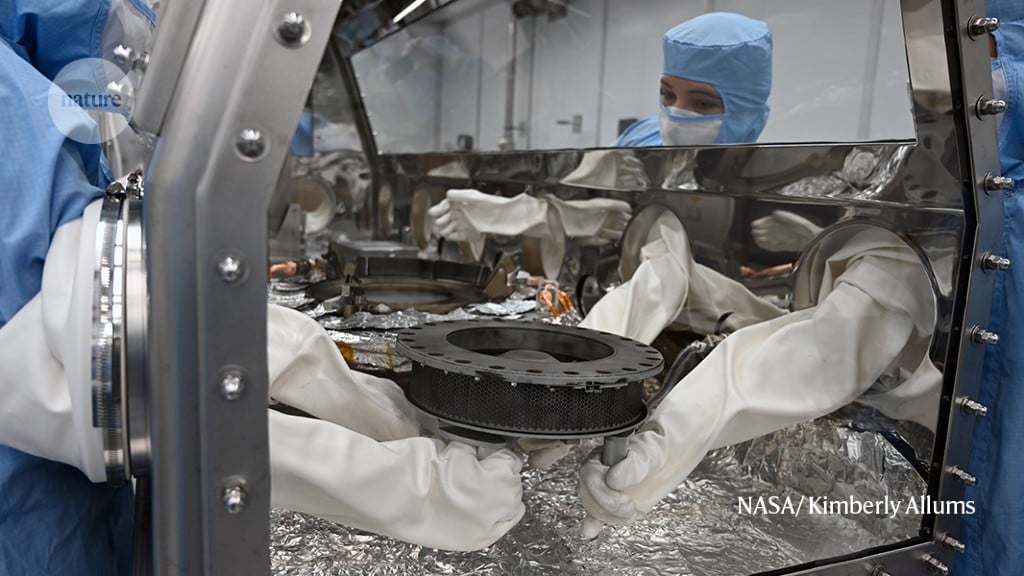
NASA's OSIRIS-REx mission successfully collected an asteroid sample from Bennu, but scientists have been unable to open the sample container due to difficulties with removing the last two fasteners. The sample is being kept in a cleanroom at Johnson Space Center, constantly flooded with nitrogen to prevent contamination. Scientists are working on new methods to open the container while studying the materials they've already recovered.
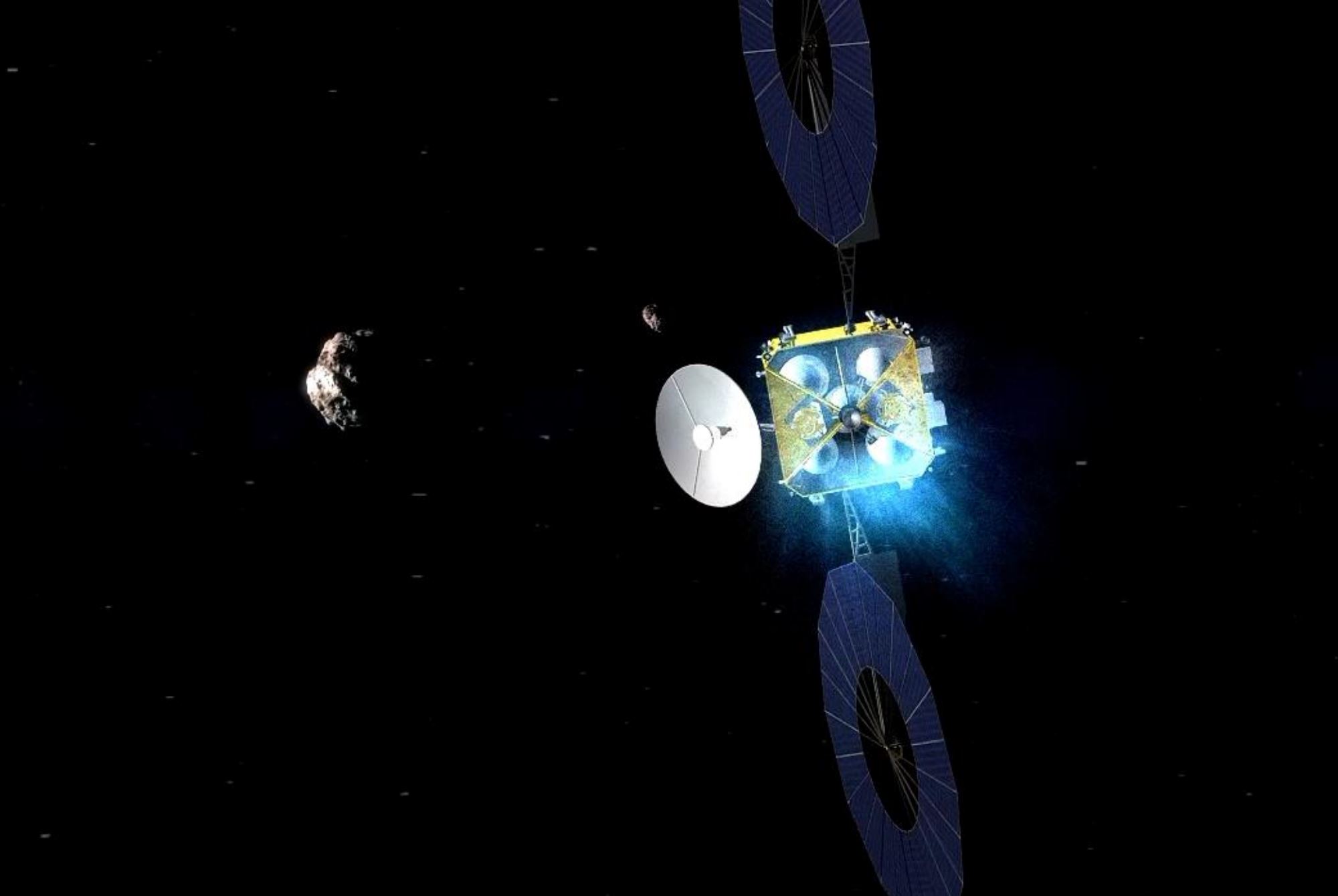
Japan's Martian Moons eXploration (MMX) spacecraft mission aims to explore the mysterious moons of Mars, Phobos and Deimos. The mission involves drilling and sampling Phobos, then returning the collected samples back to Earth. The spacecraft will carry nearly a dozen scientific instruments, including two sampling mechanisms for collecting material from Phobos. The mission will help scientists understand the origin and evolution of the solar system and determine whether the moons are captured asteroids or the aftermath of a giant impact on Mars. The MMX spacecraft is scheduled to launch next year and return the samples to Earth in 2029.
NASA is set to unveil the largest soil sample ever collected from an asteroid, which was brought back to Earth by the OSIRIS-REx spacecraft. The sample was taken from the near-Earth asteroid Bennu and holds valuable clues about the origins and development of rocky planets like Earth, as well as the potential for the evolution of life. The sample, estimated to weigh between 100 to 250 grams, will be analyzed by scientists in 60 laboratories worldwide. The announcement will also confirm if the sample is free of terrestrial contamination and reveal its physical characteristics. NASA is launching a separate mission to the asteroid Psyche on Thursday.
NASA will livestream the reveal of the asteroid sample brought back to Earth by its OSIRIS-REx spacecraft on Wednesday, October 11. The capsule containing rocks and dust from the near-Earth asteroid Bennu touched down in Utah last month, and scientists have been analyzing the material since then. The mission exceeded expectations by capturing more material than anticipated, and the upcoming livestream will provide insights into the findings so far.
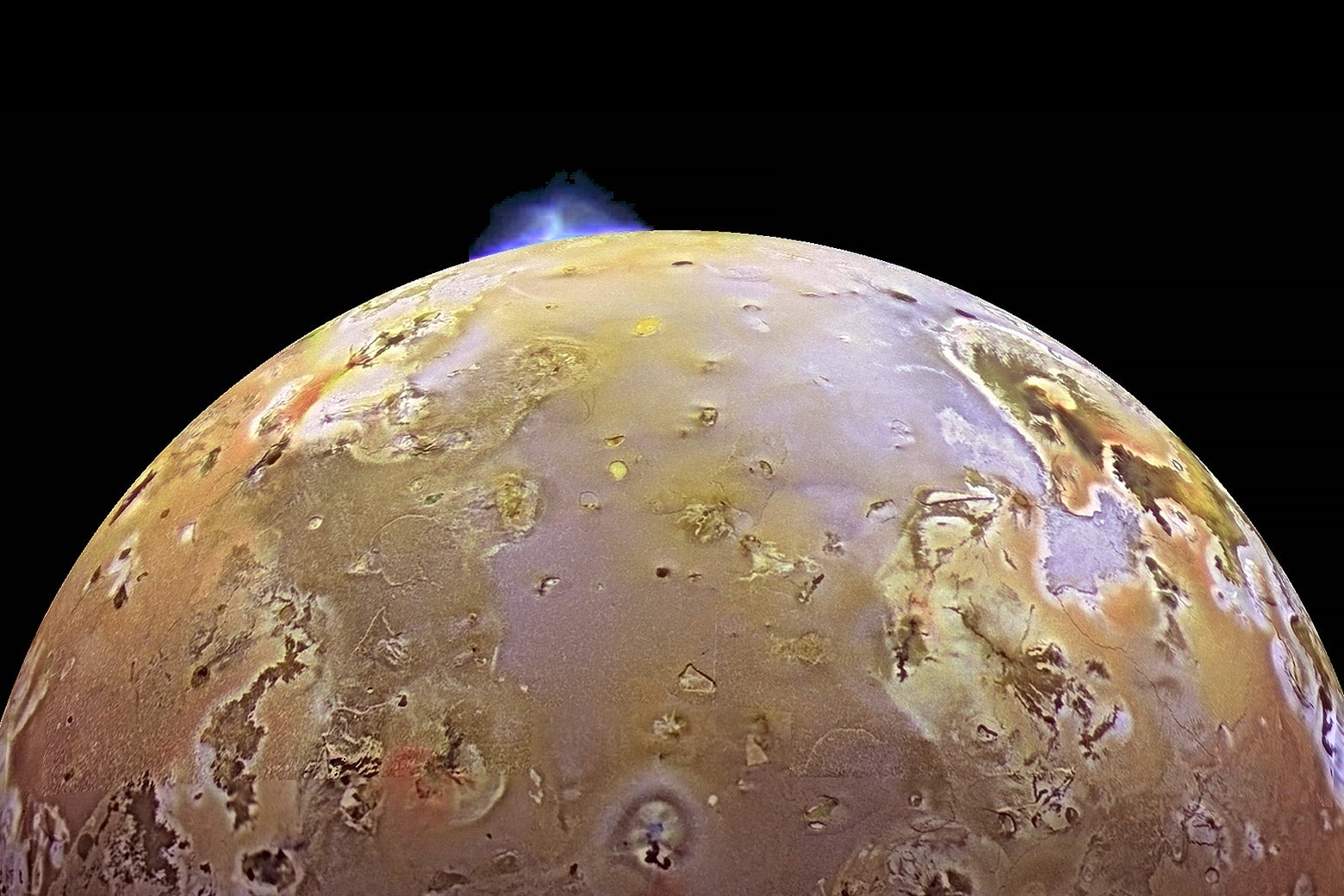
Io, one of Jupiter's moons, is a dynamic hellscape of fire and ice with volcanic eruptions producing extremely hot lavas and enormous lava lakes. Scientists are developing a robotic space mission named "Prometheus" to explore Io's volcanoes up close and collect samples. The mission, if selected, would launch in the early 2030s and use autonomous navigation to fly through one of Io's volcanic plumes, capturing high-resolution images and videos. The collected samples would provide insights into Io's deep past and help answer questions about the origins of Jupiter, its moons, and the solar system.
NASA's Osiris-Rex mission successfully landed in the western United States after a 3.86-billion-mile journey, and upon opening the space probe, scientists found black debris on the avionics deck. The residue is likely a result of collection issues that were eventually solved. The bulk of the asteroid sample will be revealed to the public on October 11 and will be used to better understand the formation of the solar system and potential asteroid threats to Earth.
NASA scientists discovered "black dust and debris" on the avionics deck of the Osiris-REx space probe when they opened the lid of the capsule that recently returned to Earth with the largest asteroid sample ever collected. The residue is likely a result of issues during the collection phase, which were eventually resolved. The probe's lid was opened in an airtight chamber, and scientists are now preparing to analyze the bulk of the sample. The sample, collected from the asteroid Bennu, will provide insights into the formation of the solar system and the types of asteroids that could pose a threat to Earth.