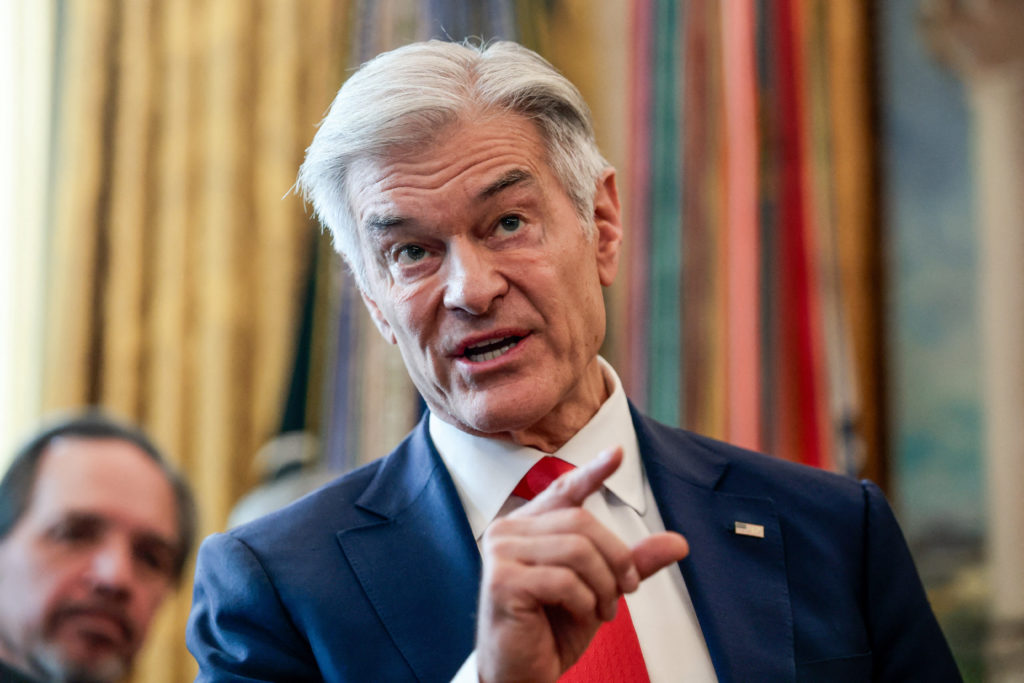
The Trump administration announced a $10 billion rural health fund for 2026, with funds distributed based on population, health outcomes, and policy compliance, including restrictions on SNAP benefits. Critics argue the funding is insufficient to offset the massive Medicaid cuts and that the allocation may be influenced by political policies, potentially limiting aid to rural hospitals in need.
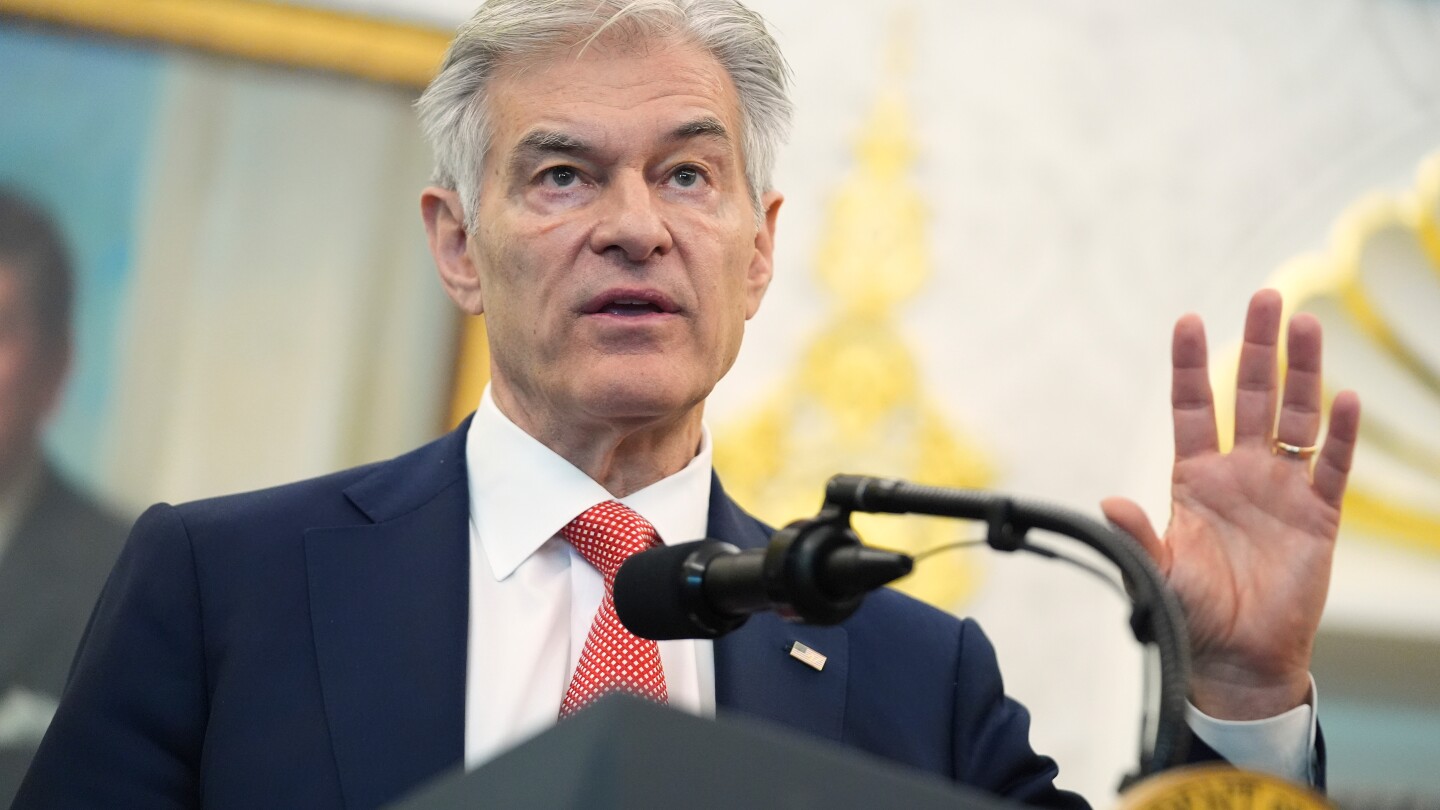
The Trump administration announced a $10 billion rural health fund for 2026, with allocations based on population and policy adherence, aiming to support rural hospitals amid significant federal budget cuts, though experts criticize the fund's adequacy and potential policy restrictions.
The Trump administration announced the first awards from a $50 billion rural health fund, with Alaska receiving $272 million, highlighting disparities and priorities in rural healthcare funding amid ongoing Medicaid concerns.
The Trump administration allocated $50 billion for rural health over five years, with funding distribution based on population size to support small states' hospitals and clinics, while implementing a policy that restricts states from appealing or suing for more funds, using a clawback mechanism as leverage in policy negotiations.
CMS announced a $50 billion initiative to improve rural healthcare across all 50 states, focusing on expanding access, modernizing facilities, strengthening the workforce, and supporting innovative care models, with funding distributed over five years to implement comprehensive rural health transformation plans.
The article discusses the challenges and potential impacts of Kennedy's MAHA initiative in 2026, focusing on issues like drug pricing for GLP-1 medications, dietary guideline reforms, and rural health programs, highlighting both opportunities and concerns for public health improvements.
The rural town of Churchville, Virginia, lost its local health clinic due to healthcare provisions in Trump's legislation, highlighting challenges in rural healthcare access and political divides, with residents and local leaders discussing the impact and potential solutions.
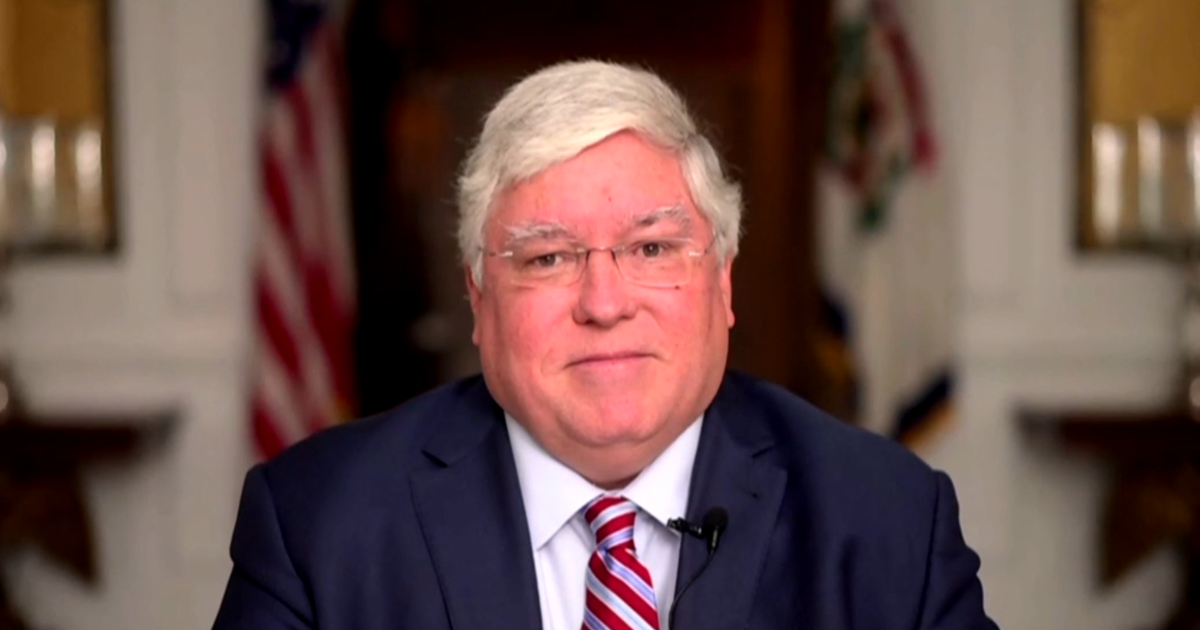
West Virginia Governor Patrick Morrisey discusses efforts to aid residents during the government shutdown, including food assistance and rural health initiatives, emphasizing cooperation with the Trump administration and criticizing Democratic opposition to reopening the government.
The Centers for Medicare & Medicaid Services (CMS) announced a $50 billion Rural Health Transformation Program to improve healthcare infrastructure, access, and quality in rural America, with applications due by November 5, 2025, and funding distributed over five years to support innovative, sustainable, and tech-enabled healthcare solutions.
The article discusses the allocation of $50 billion aimed at transforming rural healthcare, highlighting concerns about the potential for misuse due to vague criteria and the significant financial losses rural hospitals face from Medicaid reductions, which could undermine the intended benefits of the funding.
Deep Medicaid cuts proposed in Congress could have severe ripple effects on Colorado's San Luis Valley, threatening healthcare services, local hospitals, and the regional economy, which heavily relies on Medicaid funding for health services, employment, and community stability.
Rural health care in the U.S. is in crisis, with limited access to emergency services and specialized care leading to higher mortality rates. In Elberton, Georgia, the Medical Center of Elberton serves a critical role for the local population, offering primary care and chronic disease management. However, the clinic faces challenges such as physician shortages, long wait times, and inadequate mental health services. Financial instability and hospital closures further exacerbate the issue, highlighting the urgent need for improved health care access and policy changes.
Rural health care in the U.S. is in crisis, with limited access to emergency services and specialized care leading to higher mortality rates. In Elberton, Georgia, the Medical Center of Elberton serves a predominantly Medicare and Medicaid population, offering essential services like primary care and chronic disease management. However, the clinic faces challenges such as physician shortages, long wait times, and inadequate mental health services. Financial instability threatens many rural hospitals, exacerbated by states not expanding Medicaid. Residents like Sylvia Chapman rely heavily on local clinics, highlighting the critical need for accessible health care in rural areas.
As major pharmacy chains like CVS, Walgreens, and Rite Aid close hundreds of stores, Black and Latino communities, as well as rural areas in states like Alaska, Oregon, and New Mexico, are disproportionately affected. These closures exacerbate existing "pharmacy deserts," limiting access to essential healthcare services and trusted advice, especially for those who rely on pharmacies for quick medical consultations and chronic disease management. Rising costs, falling prescription reimbursements, and theft are among the reasons for the closures, which are leaving vulnerable communities without crucial healthcare resources.