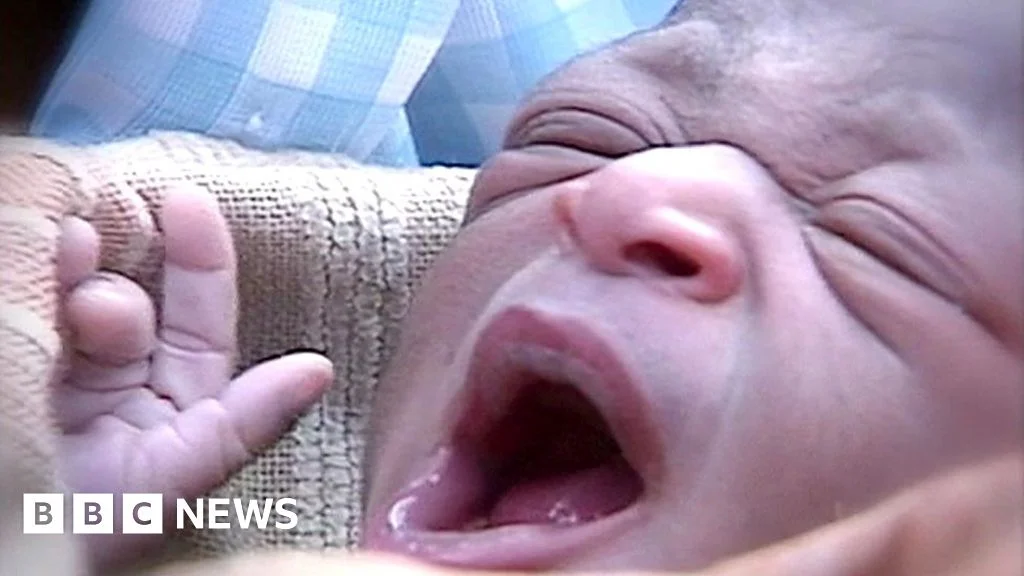
Rosita Mabuiango, born in a tree during Mozambique's 2000 floods when her mother clung to escape rising waters, has died at 25 after a prolonged illness (anemia and tuberculosis). Her rescue by a South African helicopter made her a symbol of resilience and drew attention to Mozambique's health system and disaster-response challenges.
The Trump administration allocated $50 billion for rural health over five years, with funding distribution based on population size to support small states' hospitals and clinics, while implementing a policy that restricts states from appealing or suing for more funds, using a clawback mechanism as leverage in policy negotiations.
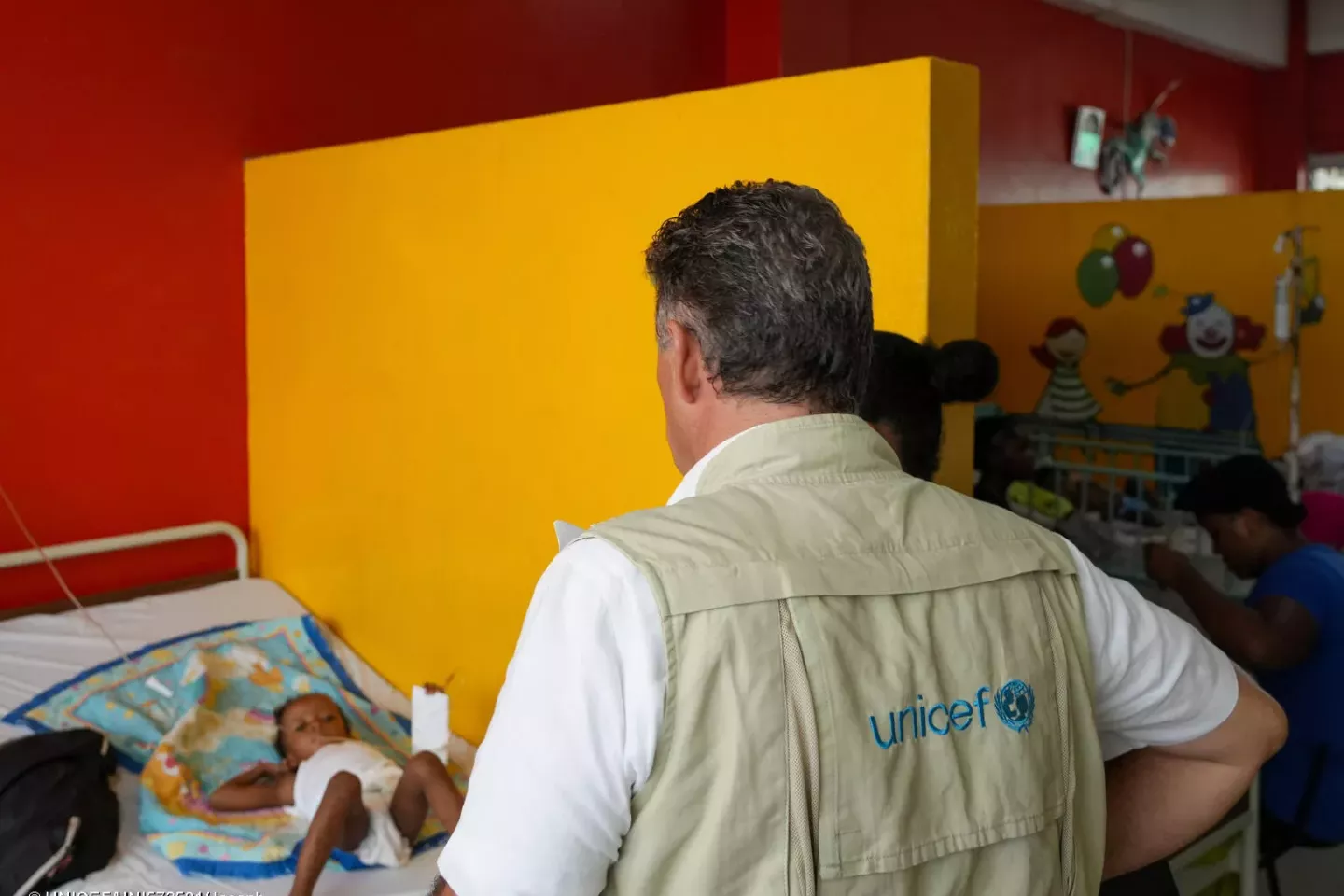
Escalating violence in Port-Au-Prince has severely disrupted Haiti's health system, leaving six out of ten hospitals barely operational and depriving children of critical medical supplies. The violence has paralyzed supply chains, with many containers of vital supplies stranded or looted. UNICEF and partners are working to deliver essential medical supplies through alternative routes, but the situation remains dire with widespread staff shortages, increasing malnutrition, and the threat of epidemics.
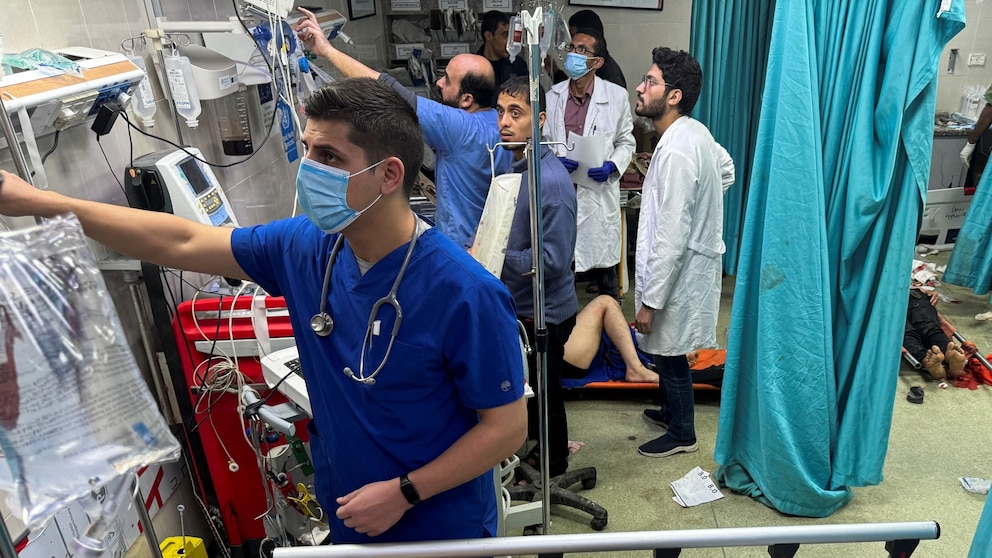
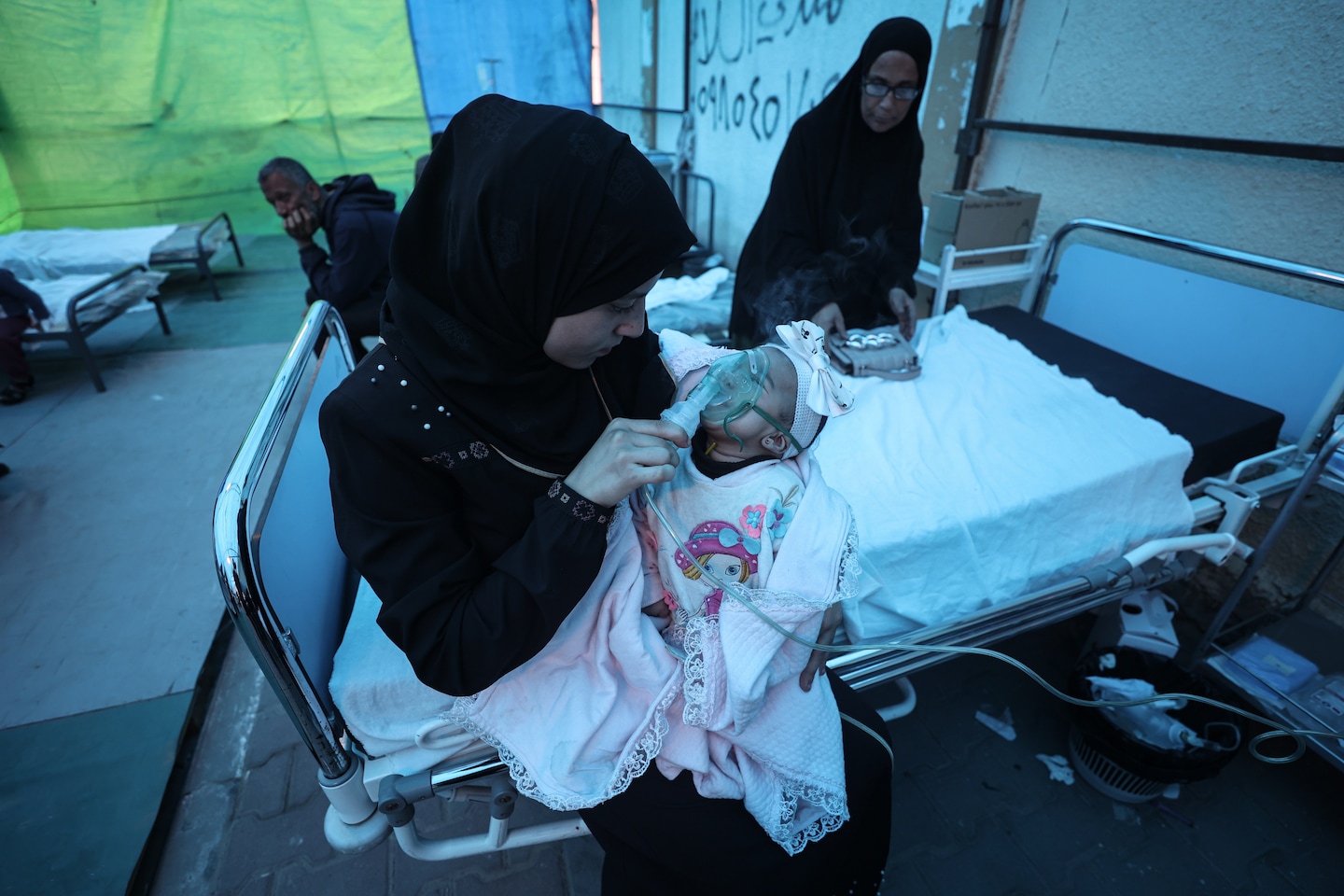
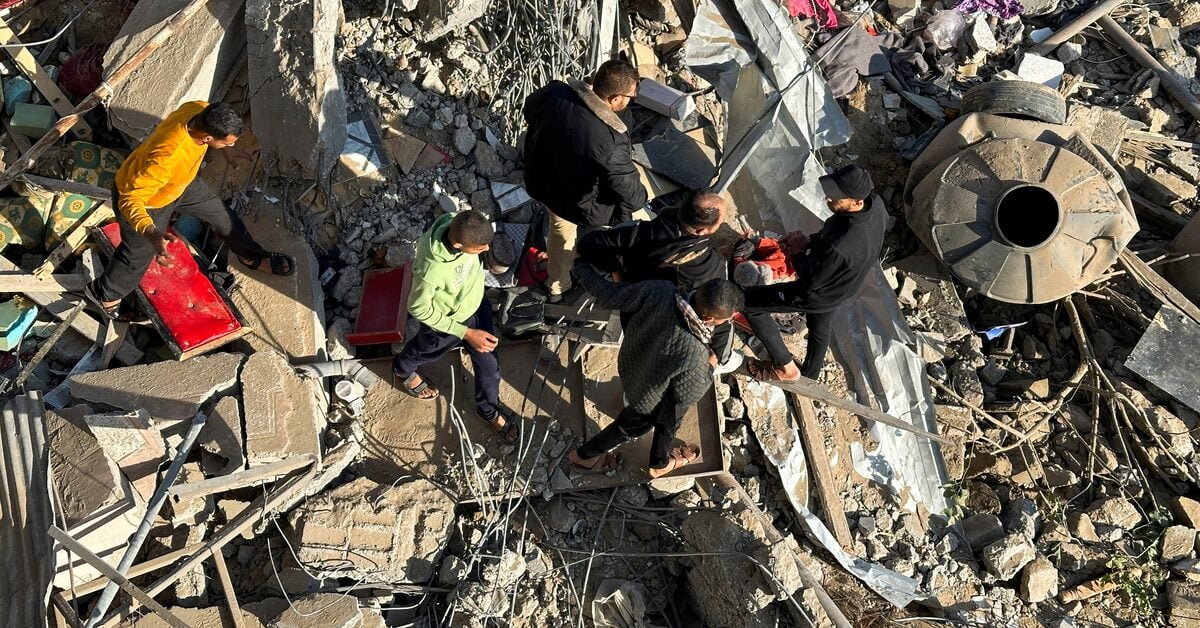
The health care system in Gaza is on the verge of collapse, with overcrowded hospitals and a severe shortage of medical supplies. Médecins sans Frontières (MSF) has been forced to stop providing support to clinics in southern Gaza due to evacuation orders from Israeli forces, leading to a complete collapse of health care services in the area. The World Health Organization (WHO) has managed to deliver essential supplies to one hospital in Gaza City, but the overall health system is deteriorating rapidly. Only 14 out of 36 hospitals are partially functioning, with a significant reduction in bed capacity. The UN General Assembly has scheduled an emergency meeting to vote on a draft resolution demanding an immediate humanitarian cease-fire in Gaza.
International pressure on Israel to halt its war in Gaza intensifies as Israeli tanks and troops push into Khan Younis, the largest city in southern Gaza. Diplomats and U.N. officials warn of the dire situation, with a lack of food and mass displacement of nearly 2 million Palestinians. Gaza's health system is described as "on its knees," with hospitals overwhelmed and medical teams losing control. The United States has called for the protection of civilians in Gaza but has also increased military and diplomatic support for Israel. The death toll in Gaza rises, and the World Health Organization warns of a collapsing health system and the urgent need for a cease-fire.
The situation in Gaza is rapidly deteriorating as Israeli bombing intensifies in the southern areas, causing more displacement and putting immense strain on the health system. The World Health Organization (WHO) warns that the humanitarian aid reaching Gaza is insufficient, and expresses deep concern about the vulnerability of the densely populated enclave. The UN Palestinian agency reports that over 600,000 people have been ordered to move to escape bombardment, overwhelming the capacity of areas like Rafah. UNICEF highlights the absence of sanitation and shelter, creating a "perfect storm" for disease outbreaks. The WHO complies with an Israeli order to remove supplies from warehouses in Khan Younis, anticipating active combat in the area. WHO chief Tedros Adhanom Ghebreyesus appeals to Israel to withdraw the order.
Venture capital firm General Catalyst has announced the creation of a new business called the Health Assurance Transformation Corporation (HATCo), with plans to purchase a health system. The aim is to create a testing ground for new technology that can improve patient health and streamline hospital processes. General Catalyst, known for backing successful companies like Airbnb and Warby Parker, already works closely with 15 health systems but this move marks a more direct attempt to shape how hospitals utilize technology for patient care. The firm did not disclose the amount it plans to invest in acquiring a health system.