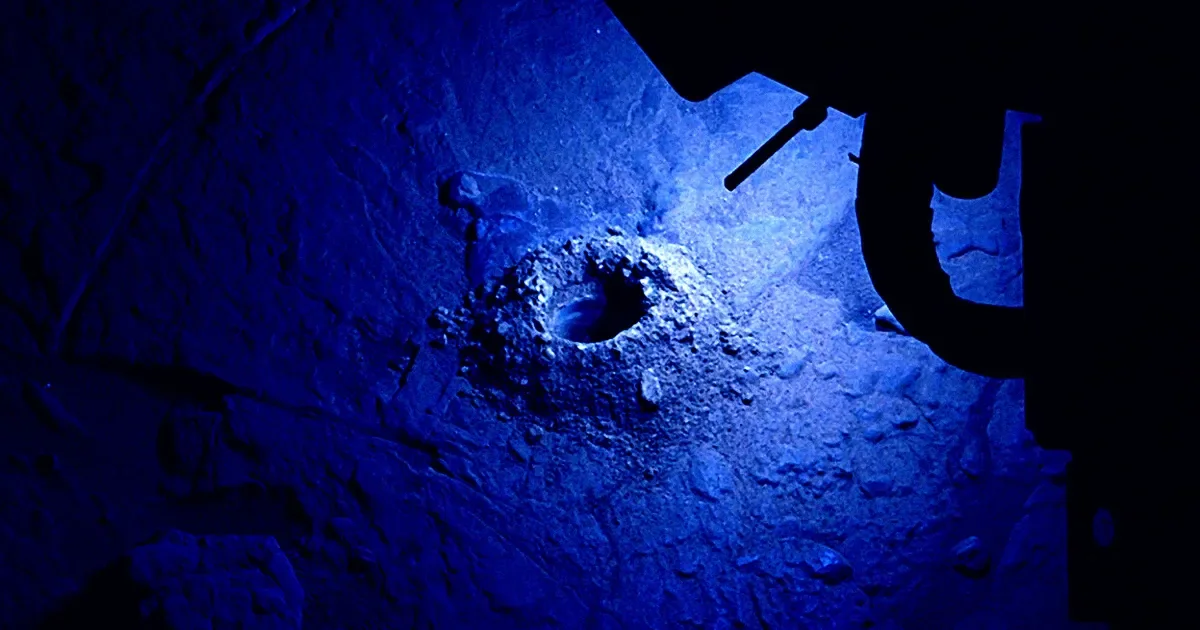
NASA awarded Firefly Aerospace a $177 million contract for a 2029 lunar mission to deploy multiple rovers and scientific instruments to explore the moon's south pole, aiming to study resources and environmental hazards to support future lunar and Mars exploration.
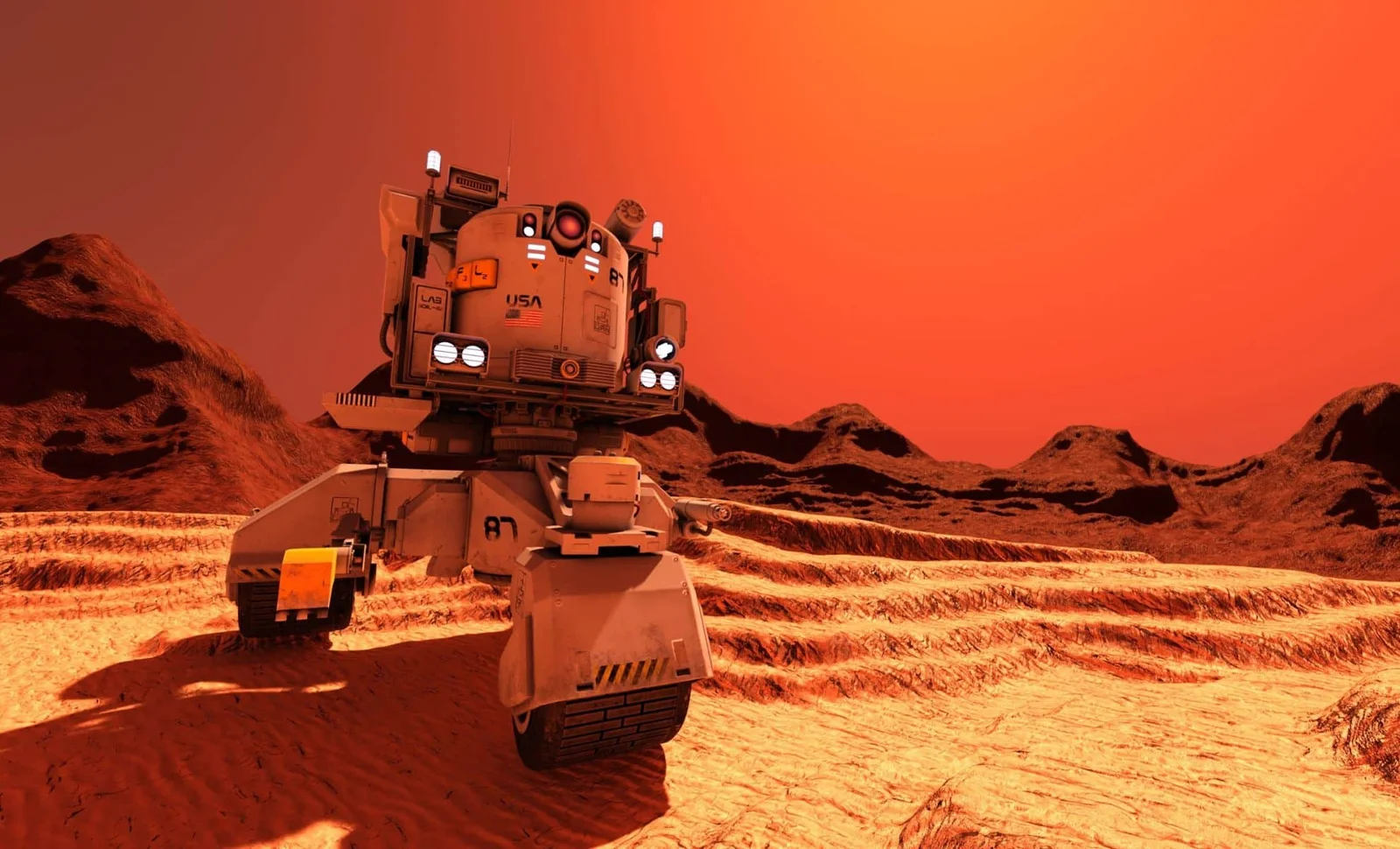
UW-Madison engineers discovered a flaw in how rover terrain is tested on Earth, revealing that Earth's gravity affects sand support differently than on the moon, which impacts rover mobility predictions. Their physics-based simulations, using open-source software Chrono, improve understanding of extraterrestrial surface traversal, benefiting space missions and Earth applications alike.
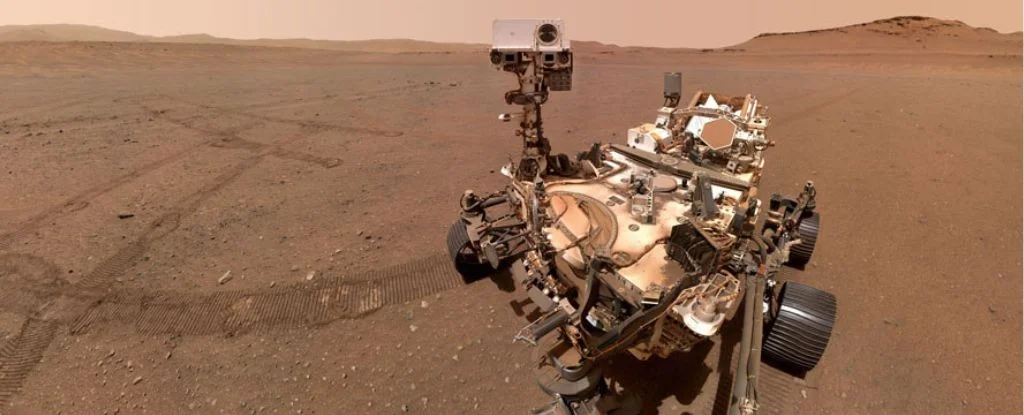
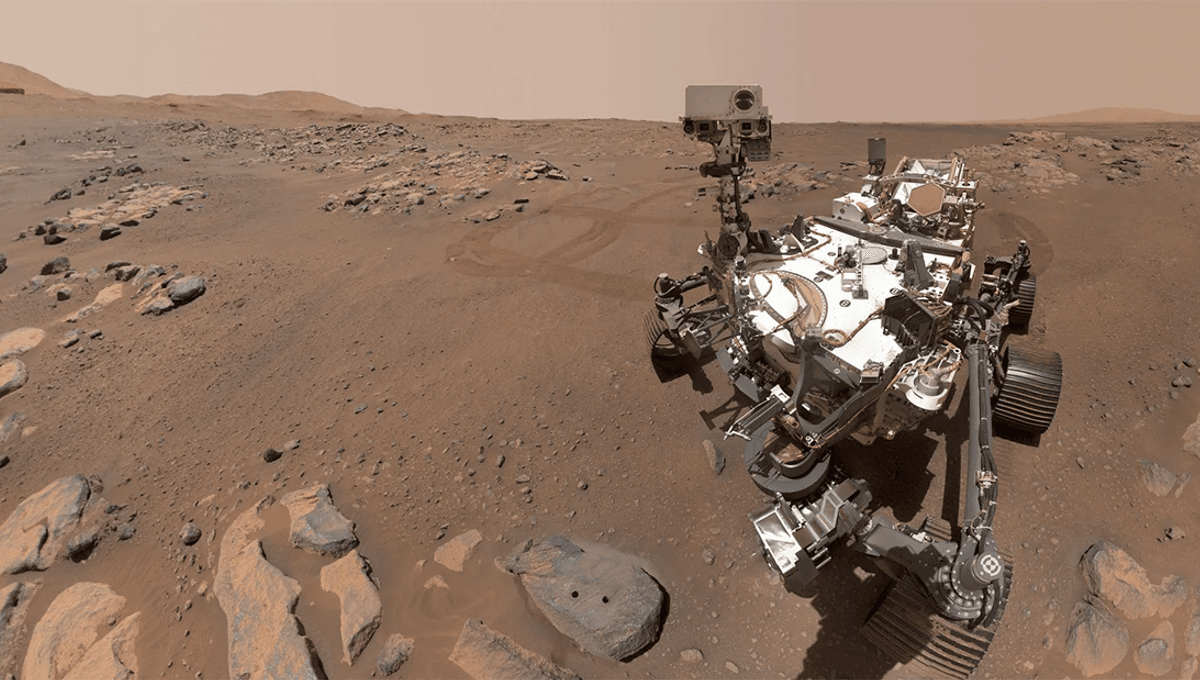
NASA's Perseverance rover set a new record for the longest drive on Mars, covering 411 meters thanks to advanced self-driving technology, aiding in its mission to collect ancient Martian rocks and potentially find signs of past life. It is also nearing the total distance traveled by the Opportunity rover, highlighting its rapid progress in Martian exploration.
NASA's Perseverance rover on Mars set a new record by driving over 411 meters in a single trip, aided by its self-driving software, enabling longer and more efficient scientific exploration, particularly in search of ancient water and potential biosignatures in the Jezero crater region.
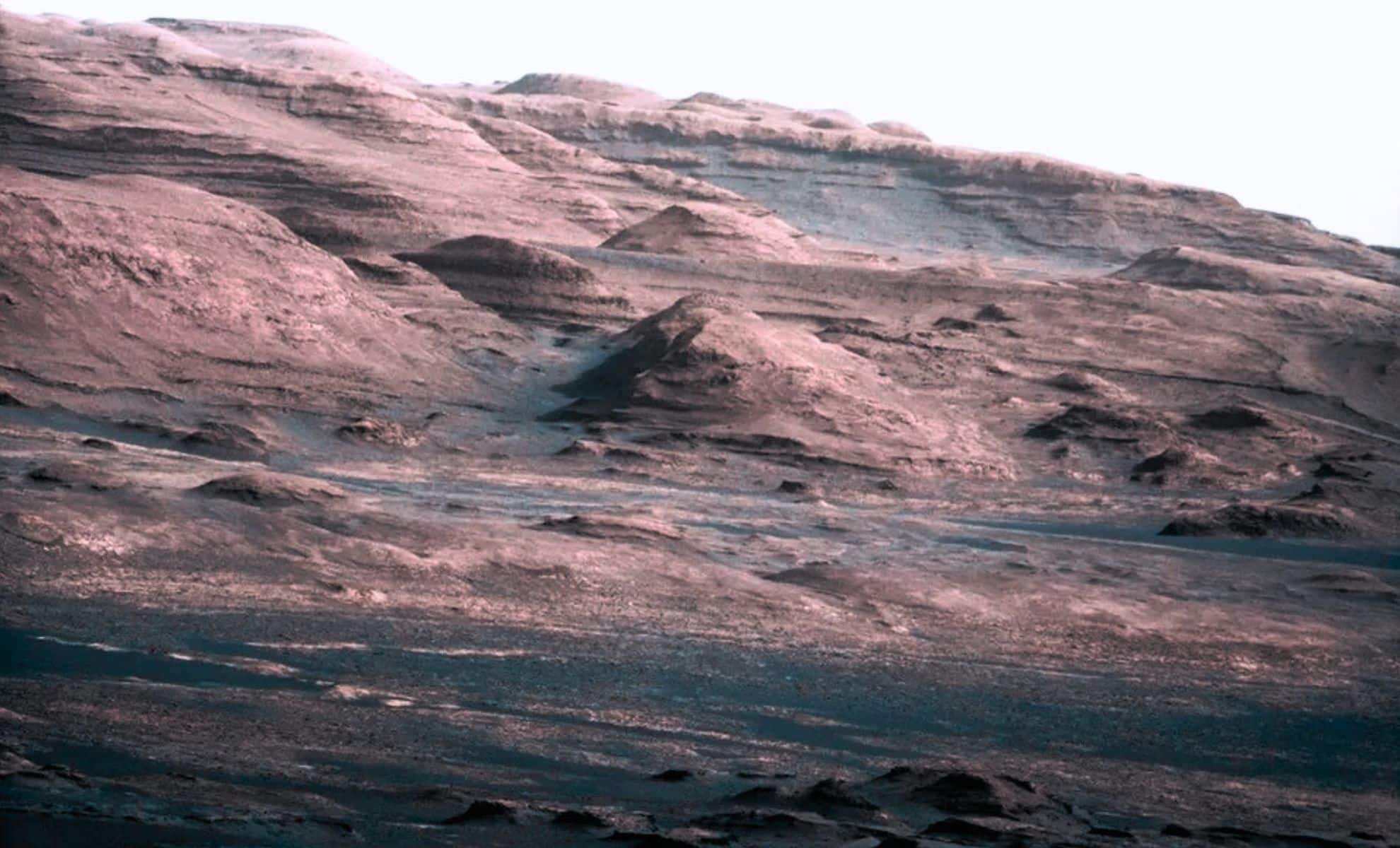
NASA's Curiosity rover has discovered carbon-rich rocks on Mars that suggest the planet once had liquid water and could have been temporarily habitable, raising the possibility that life may have existed there, though likely only briefly. A future Mars sample return mission in 2033 aims to provide more definitive evidence of past life.
NASA's Perseverance rover on Mars has picked up a rock named "Dwayne" in one of its wheels, reminiscent of previous rovers like Spirit and Curiosity that also had similar "companions." These rocks typically stay with the rovers for a while before eventually dislodging.
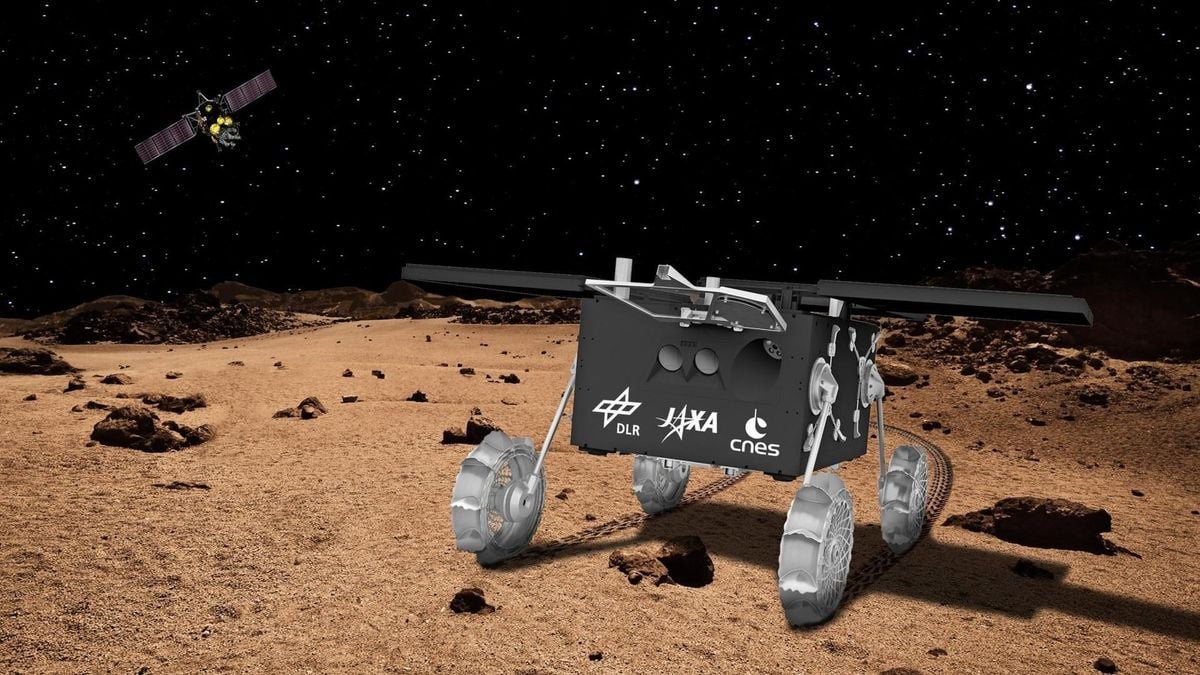
A small European-built rover named IDEFIX has arrived in Japan to be part of the Japan Aerospace Exploration Agency's (JAXA) Martian Moon Exploration (MMX) probe, which aims to collect samples of Mars' moon, Phobos. The rover, developed by the German Aerospace Center and the French space agency, will play a crucial role in gathering information and preparing for the landing of the main spacecraft, which is scheduled to grab Phobos' material in 2029 and send it towards Earth for arrival in 2031. The mission was originally set to launch in 2024 but has been delayed to the next Mars launch window in 2026 due to concerns over the readiness of the new Japanese H3 rocket.
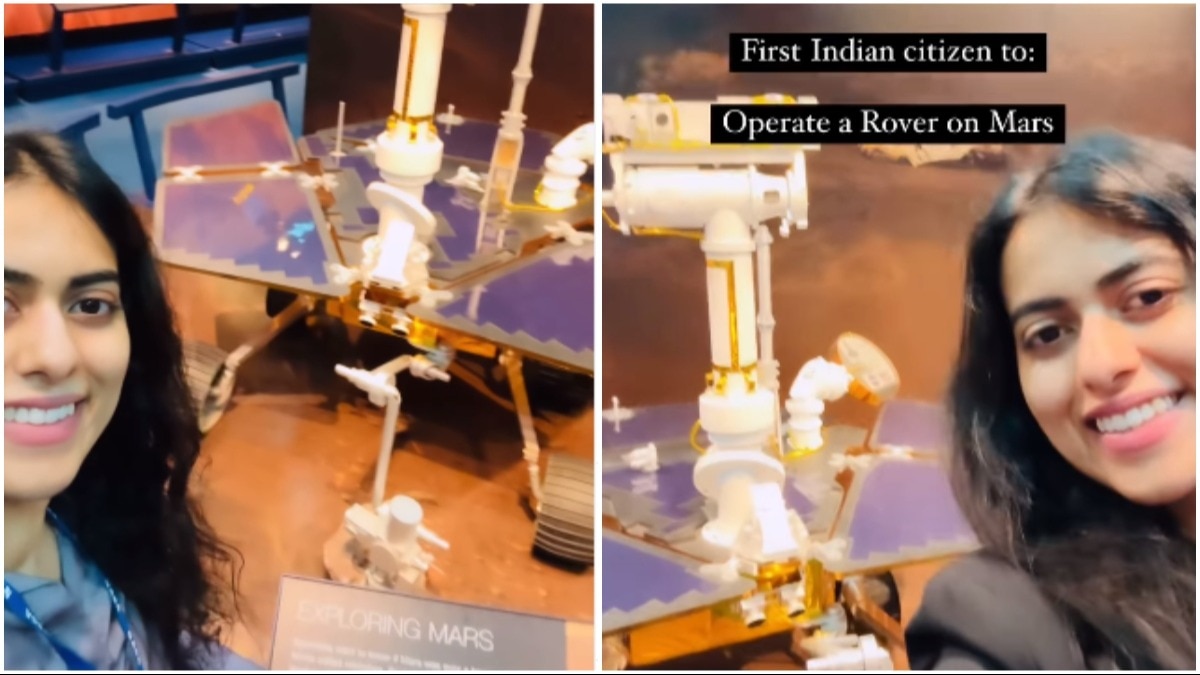
Dr. Akshata Krishnamurthy, an Indian citizen and aerospace engineer, has become the first Indian to operate a rover on Mars, achieving a monumental milestone in her career. Despite facing discouragement and skepticism, she pursued her dream of working at NASA and earned her Ph.D. from MIT. Currently contributing to multiple space missions, including the Perseverance rover, Krishnamurthy's inspiring journey serves as a reminder that no dream is too big or crazy.
Private equity firm Blackstone has announced its acquisition of pet care app Rover in a $2.3 billion all-cash deal. The agreement, which includes a 61% premium over Rover's average share price, is expected to close in Q1 2024. Rover's board of directors have approved the acquisition and recommended that shareholders do the same. The Seattle-based company, founded in 2011, connects pet owners with care providers and has seen significant growth in bookings and revenue.
Online pet-care marketplace Rover Group Inc. has agreed to be acquired by Blackstone Inc. in a $2.3 billion all-cash deal. The pet economy experienced significant growth during the pandemic, but rising inflation has made it more expensive for pet owners to care for their animals. Pet-care retail prices have increased by about 6% from last year, surpassing overall inflation rates.
India's Chandrayaan-3 lunar mission may be over as attempts to wake up the lander and rover have been unsuccessful. The frigid lunar night lasted two weeks, and with the new day, hopes of revival are diminishing. Although the mission is considered a success for being the first to land in the Moon's south pole region, the chances of the spacecraft awakening in the Sun are decreasing. The lander and rover were not designed to withstand the extreme cold temperatures, and their survival remains uncertain.
India's Chandrayaan-3 lunar lander and rover are making significant progress in their mission, with the rover discovering the presence of sulfur and other elements on the lunar surface near the Moon's south pole. The rover is also searching for signs of frozen water, which could be crucial for future missions and potential lunar bases. The lander is conducting measurements of the lunar surface's thermal conductivity, searching for seismic activity, and estimating the near-surface plasma density. The mission is expected to last just 14 days on the Moon's surface, so updates are limited.
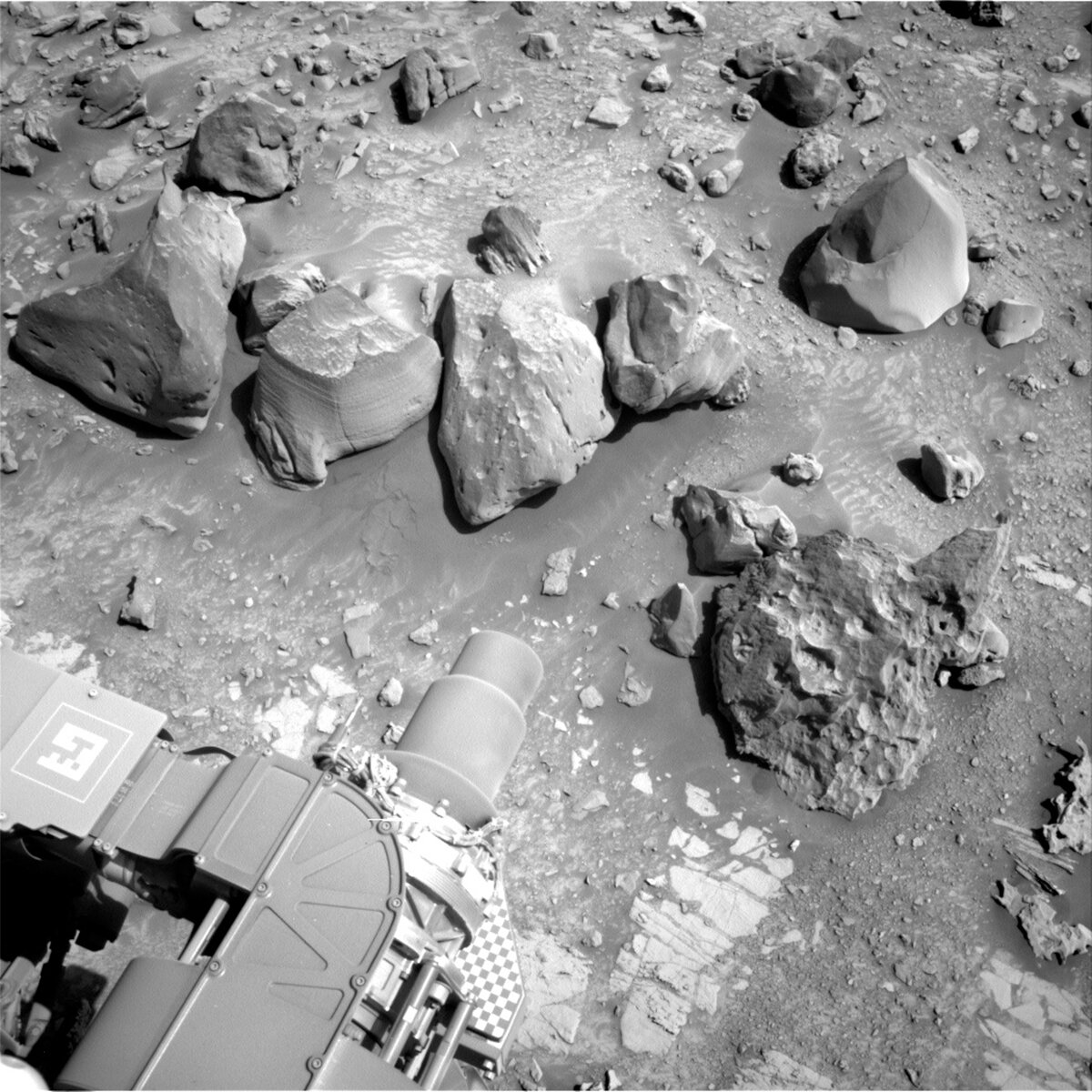
NASA's Mars rover, currently exploring the Gediz Vallis ridge on Mars, will remain in its current location for a few sols to conduct contact science activities on ridge rocks. The rover will use its instruments to study boulders named Mytikas, Helmos, and Epidaurus, collecting data on their composition and stratigraphy. The mission team plans to capture images and perform analyses before deciding on the next steps for the rover's exploration. Additionally, as a tradition, the team wrote a haiku in place of the usual report since there was no drive planned for this mission.
China's Mars rover, Zhurong, has found evidence of recent water in Martian sand dunes, suggesting that water may be more widespread and recent on Mars than previously thought. The salt-rich dunes with cracks and crusts were likely mixed with melting morning frost or snow as recently as a few hundred thousand years ago. The estimated date range for when the cracks and other dune features formed in Mars' Utopia Planitia is sometime after 1.4 million to 400,000 years ago or even younger. The finding highlights new, potentially fertile areas in the warmer regions of Mars where conditions might be suitable for life to exist.
China's Mars rover, Zhurong, has found evidence of recent water in Martian sand dunes, indicating that water may be more widespread and recent on Mars than previously thought. The finding highlights new, potentially fertile areas in the warmer regions of Mars where conditions might be suitable for life to exist. The rover observed salt-rich dunes with cracks and crusts, which researchers said likely were mixed with melting morning frost or snow as recently as a few hundred thousand years ago. However, the rover has yet to wake up since going into hibernation for the Martian winter nearly a year ago.