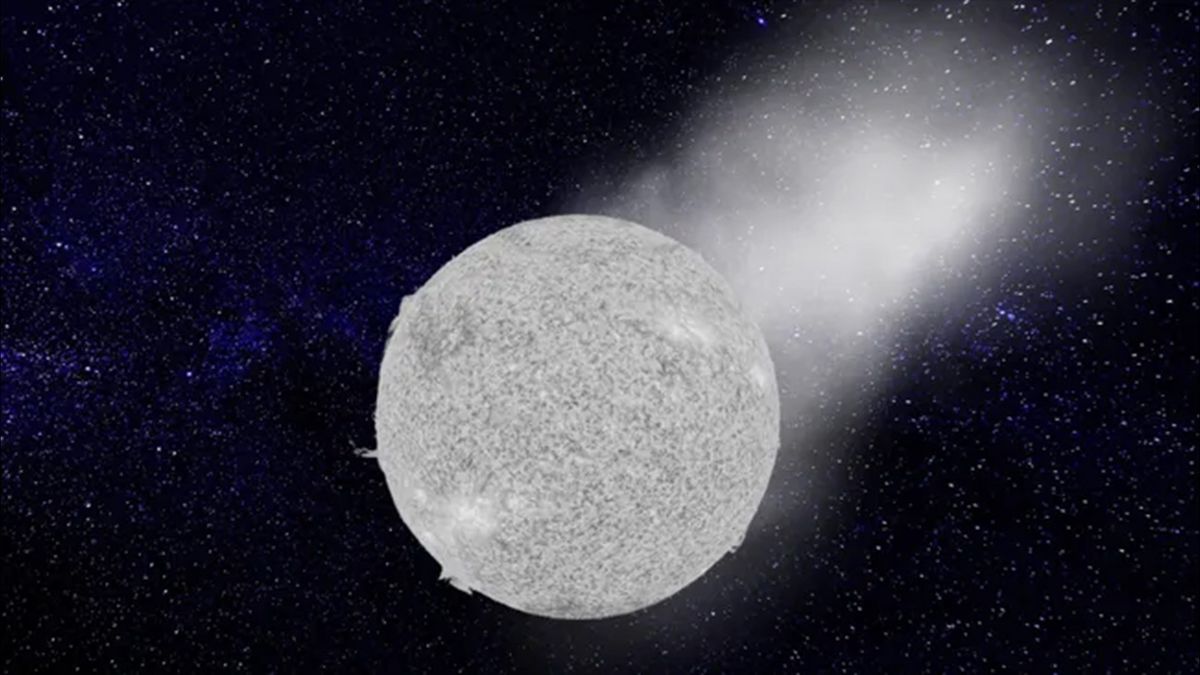
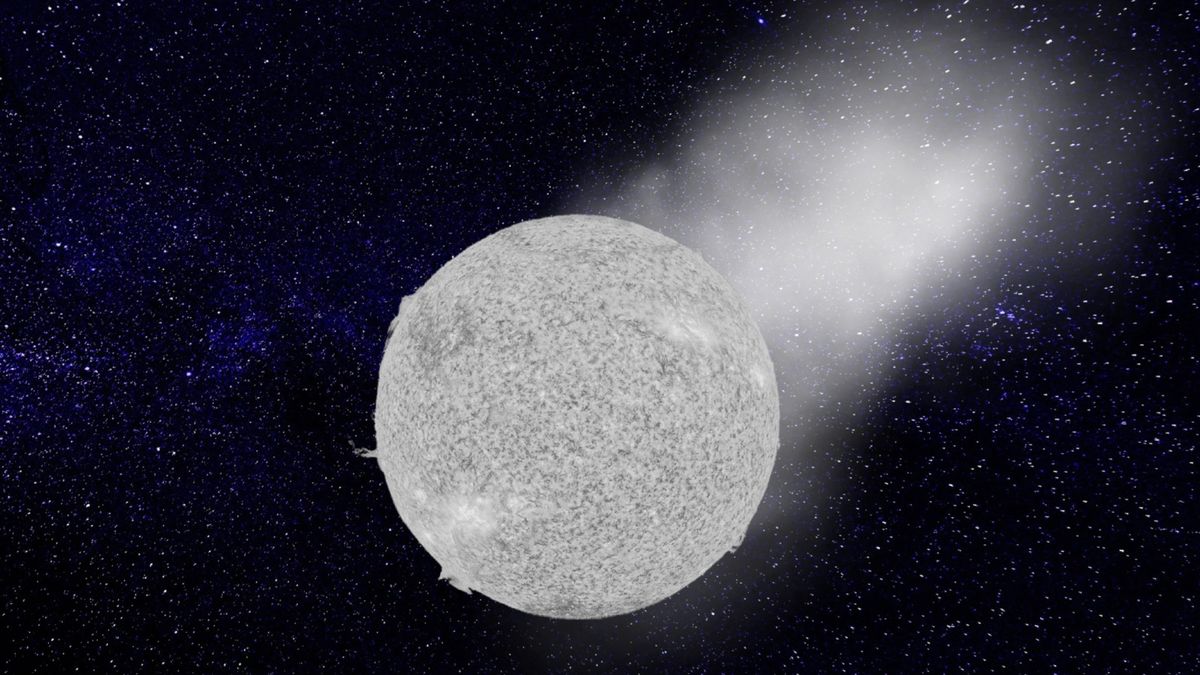
A new study suggests that a rogue star passing close to the solar system could destabilize planetary orbits, potentially ejecting Earth and other planets over billions of years, with stellar influences being more disruptive than internal chaos.
A new study suggests that a passing star could potentially save Earth from its inevitable extinction caused by the sun's increasing heat. Researchers ran 12,000 simulations and found that in 92% of cases, the solar system remained stable even as a star passed by. In 0.28% of simulations, the passing star pulled Earth into a more temperate region, while in other scenarios, Earth ended up in the Oort cloud or as a free-floating planet. However, the chances of a star passing by and rescuing Earth are only 1 in 35,000, making it a highly unlikely scenario.
Scientists have suggested that a passing star could potentially save Earth from extinction in a billion years by pulling it to a more habitable zone. In simulations conducted by researchers from the University of Bordeaux and the Planetary Science Institute, it was found that in 92% of cases, the solar system remained stable even as a star passed by. However, in 0.28% of simulations, the passing star pulled Earth out of its orbit and into a cooler region beyond Pluto. While this scenario is unlikely, it offers a slim chance of Earth being saved from the sun's increasing heat in the distant future.
Scientists have conducted simulations to explore the possibility of a passing star rescuing Earth from its inevitable extinction caused by the sun's increasing heat in about a billion years. The simulations showed that in 92% of cases, the solar system remained stable even as a star passed by. However, in 0.28% of simulations, the passing star pulled Earth out of its orbit and into a more habitable region, either beyond Pluto or into interstellar space. While the chances of this happening are slim, it offers a glimmer of hope for the long-term survival of life on Earth.
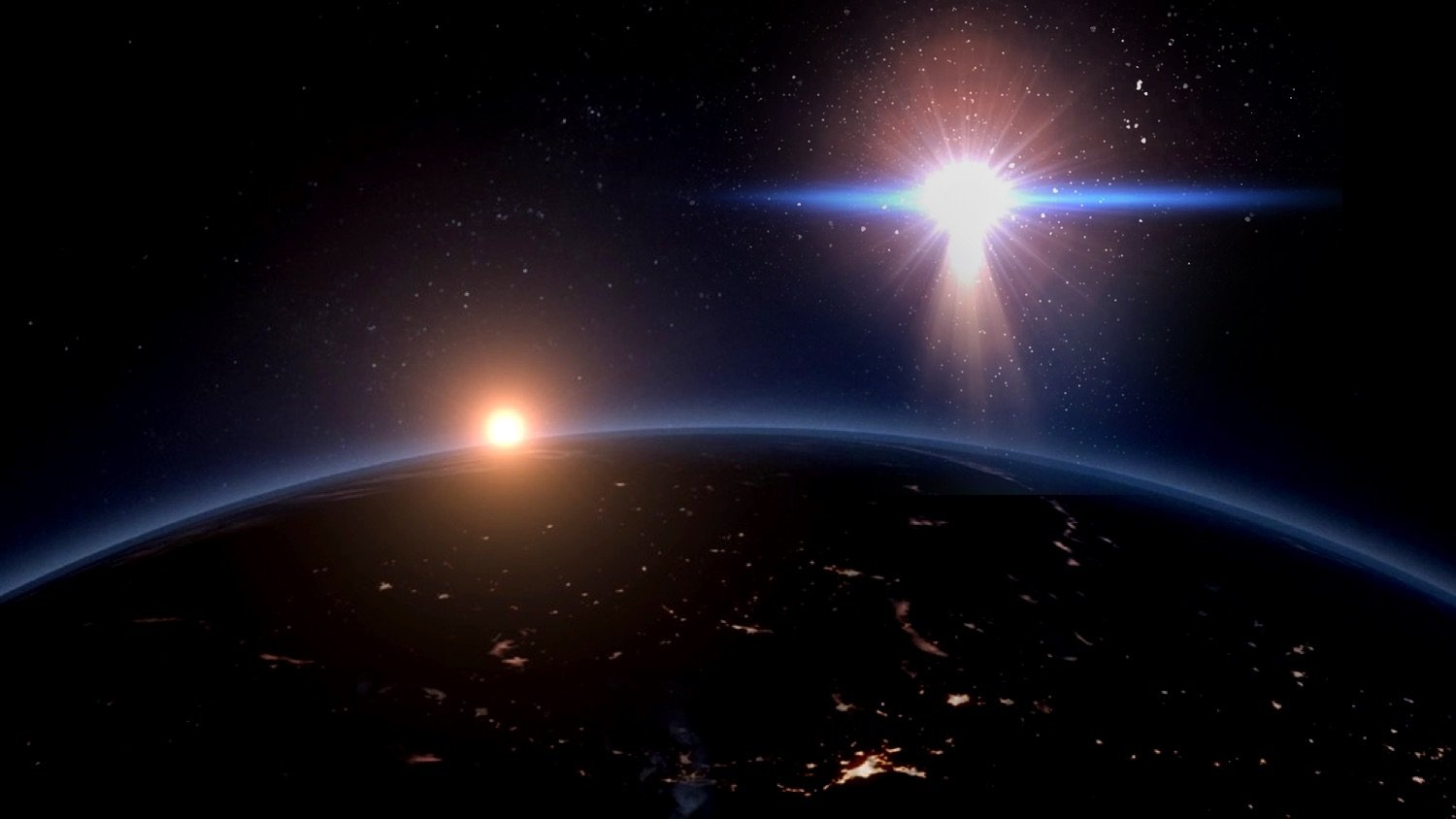
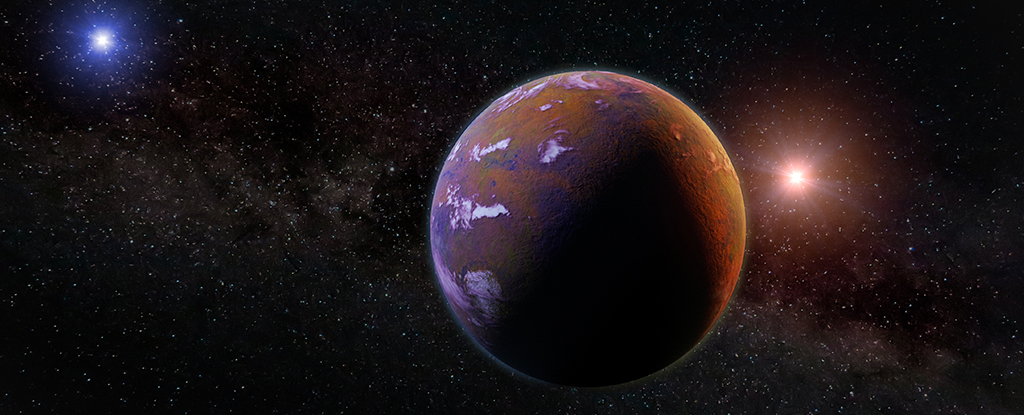
Researchers suggest that in around a billion years, a passing rogue star could potentially knock Earth out of its orbit and back into a cooler zone, saving it from becoming uninhabitable due to the Sun's expansion. Rogue stars, which have been ejected from their home solar systems, pose a rare but potential threat to planets in their path. Simulations show that Earth could end up in a colder orbit or even in the Oort cloud, but the chances of survival in such a scenario are still very slim, estimated at about 1-in-35,000.
Scientists warn that a close encounter with a rogue star could pose a significant threat to Earth and the solar system. Research explores the potential consequences of a hypothetical visit from an interstellar star that has escaped its original galaxy. Computer models suggest that while there is a 92% chance that the known planets in our solar system would remain in their current orbits or similar ones, the encounter could cause irreversible disruption, including changes to planetary orbits and potential collisions. The likelihood of such an event is low, but its impact would fundamentally reshape the orbital arrangement of our planetary neighborhood.
A new study explores the potential consequences of a rogue star coming within 100 astronomical units (AU) of our Sun. While the chances of such an event are low, simulations show that there is a high probability that all eight planets in our Solar System would survive, with over 95% chance of no planet being lost. However, the simulations also reveal a range of outcomes, including potential collisions between planets or with the Sun, ejections of certain planets, and disruptions to planetary orbits. The study highlights that Earth's long-term habitability could be affected if its orbit is changed, potentially leading to a warmer or cooler climate. Overall, the study suggests that while the odds of a 100 AU stellar flyby are extremely small, the current stability of our Solar System is likely to remain unchanged.
A new study explores the potential consequences if a rogue star were to come within 100 astronomical units (AU) of our Sun. While the chances of such an event are low, simulations show that there is a greater than 95% chance that all eight planets in our Solar System would survive. However, their orbits would be significantly disrupted, with potential outcomes ranging from collisions between planets to ejections into the Oort Cloud. The study also considers the possibility of Earth being captured by the passing star or ending up in the Oort Cloud, but emphasizes that the odds of these scenarios are extremely small. Overall, the research suggests that despite the diversity of potential outcomes, the current stability of our Solar System is likely to remain unchanged.
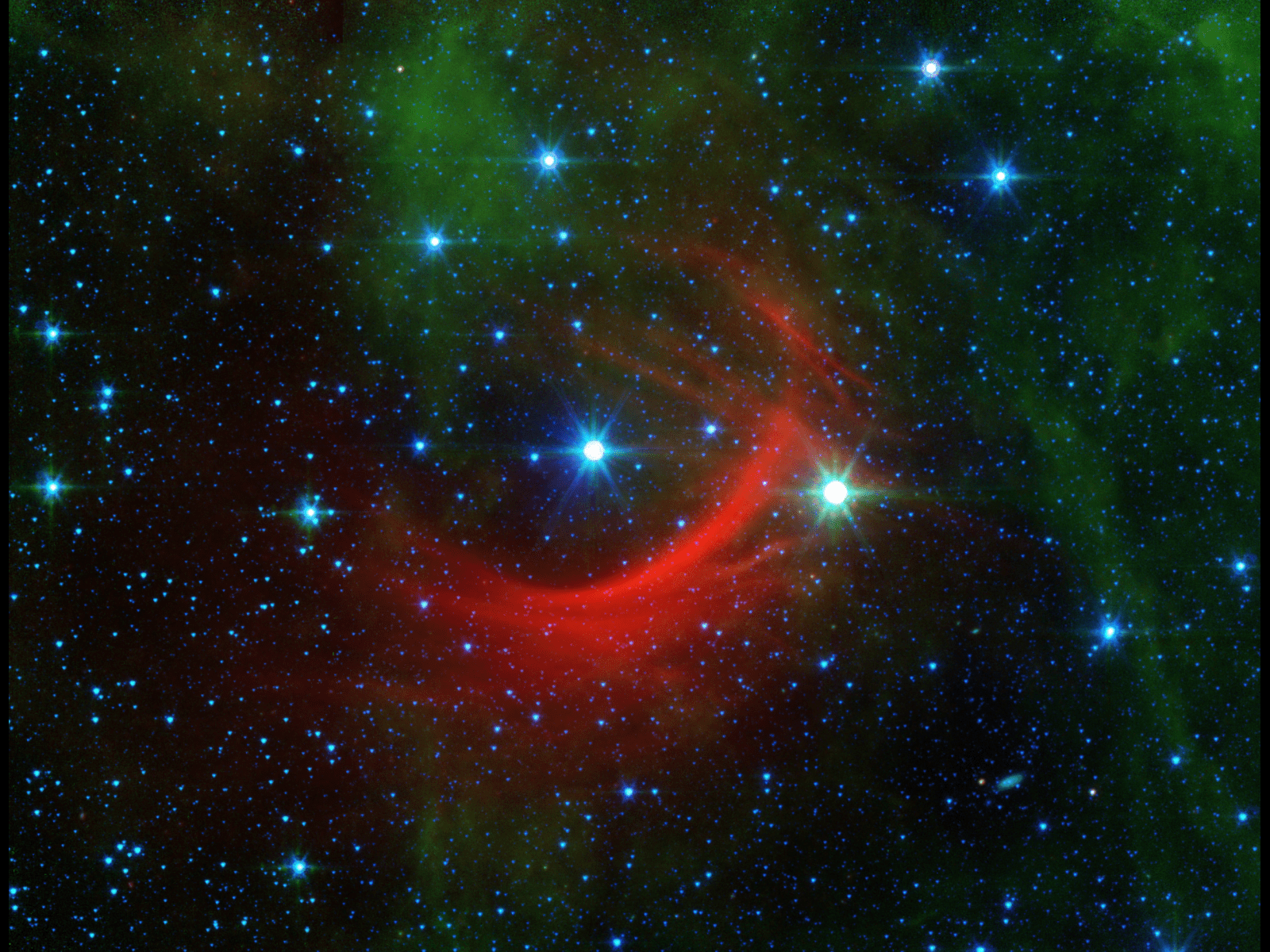
Scientists have corrected their previous calculations and determined that a rogue white dwarf star, WD0810-353, will not crash into our Sun or come close to Earth. The previous projections were based on the star's light spectrum, but the researchers overlooked its unusually large magnetic field, which affected the measurements. While our solar system is still likely to encounter other stellar visitors in the future, this particular potential catastrophe has been ruled out.
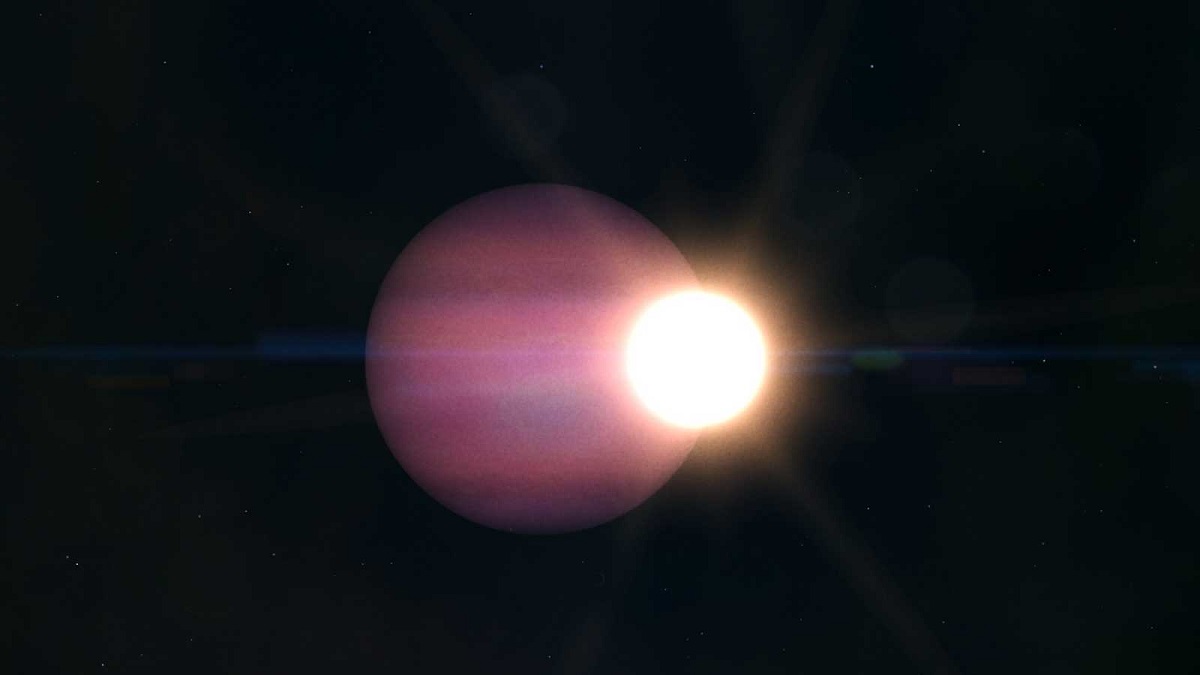
The "rogue" white dwarf star, WD 0810-353, previously predicted to have a close encounter with our solar system in 29,000 years, is now believed to not be heading our way at all, according to new research. The Gaia space telescope's measurements of the star's approach speed were found to be incorrect, and it was discovered that WD 0810-353 has a large magnetic field that affected the interpretation of its trajectory. The solar system is likely safe from the disturbances caused by this particular rogue white dwarf.
The solar system has been saved from a potential collision with a rogue dwarf star, WD 0810–353, as new calculations reveal that the star is not actually moving towards the Sun. Initially, the Gaia space telescope had predicted a close encounter between the star and the Sun, but the measurements were incorrect due to the star's strong magnetic field. By using the Very Large Telescope, astronomers accurately analyzed the star's spectrum and determined that our solar system is not in danger from the white dwarf.
The rogue white dwarf star, WD 0810–353, previously predicted to have a close encounter with our solar system in 29,000 years, is now believed to not be heading our way at all, according to new research. Astronomers discovered that the approach speed measured by the Gaia space telescope was incorrect, and the star's trajectory is likely the result of its unusually large magnetic field. This means that the solar system is safe from the potential disruption of the Oort cloud caused by the gravitational influence of WD 0810–353.