Global cancer cases and deaths have surged over the past three decades, driven mainly by population growth and aging, with low- and middle-income countries facing the fastest increases. Despite advances in treatment, disparities persist, and behavioral risk factors like tobacco use significantly contribute to cancer mortality. The study emphasizes the urgent need for equitable cancer prevention and control efforts worldwide to reduce future burdens, especially in resource-limited settings.
While overall cancer deaths have decreased in the United States, colorectal cancer deaths have continued to increase, making it the leading cause of cancer death in men under 50 and second in women under 50. Experts attribute this rise to factors such as obesity, diet changes, sedentary lifestyle, and inflammation. Early screening, maintaining a healthy lifestyle, and being aware of symptoms are crucial in preventing and detecting colorectal cancer. Increasing awareness, reducing stigma, and discussing family history with a healthcare provider are important steps in addressing this concerning trend.
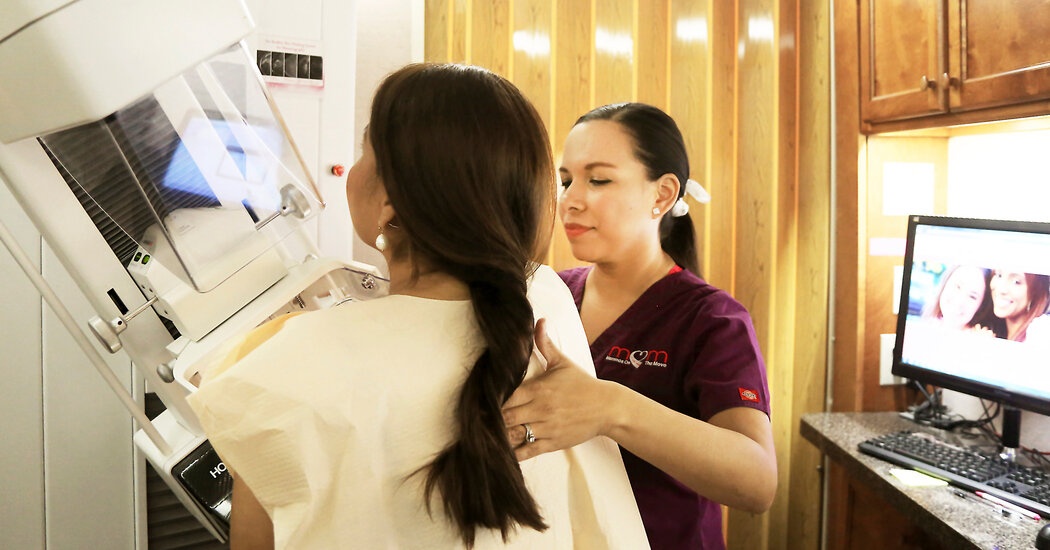
Cancer deaths in the United States have been declining, with four million deaths prevented since 1991, attributed to declines in smoking, early detection, and improved treatments, particularly in breast cancer. However, the number of new cancer cases has increased, raising concerns. A recent study published in JAMA found that the death rate from breast cancer has significantly decreased, with treatment advancements playing a larger role than screening in saving lives. Despite the progress, the cause of the rise in new cancer cases remains unknown.
Cancer Research UK has stated that at least 20,000 cancer deaths in the UK could be prevented annually through increased investment in research and innovation, as well as addressing issues within the NHS. The charity has launched a manifesto outlining its priorities for the government, including the development of a 10-year cancer plan and the establishment of a National Cancer Council. With cancer rates predicted to rise due to an aging population, the charity emphasizes the importance of disease prevention, earlier diagnosis, improved tests and treatments, and a focus on lung and bowel cancer. Cancer Research UK urges political leaders to unite behind this mission to save lives.