A study of ancient corals from Seychelles suggests that, similar to 122,000 years ago, sea levels could rise up to 10 times higher than current projections due to rapid warming, posing serious risks to coastal populations and natural protections, and emphasizing the urgent need to reduce fossil fuel use and adopt clean energy.
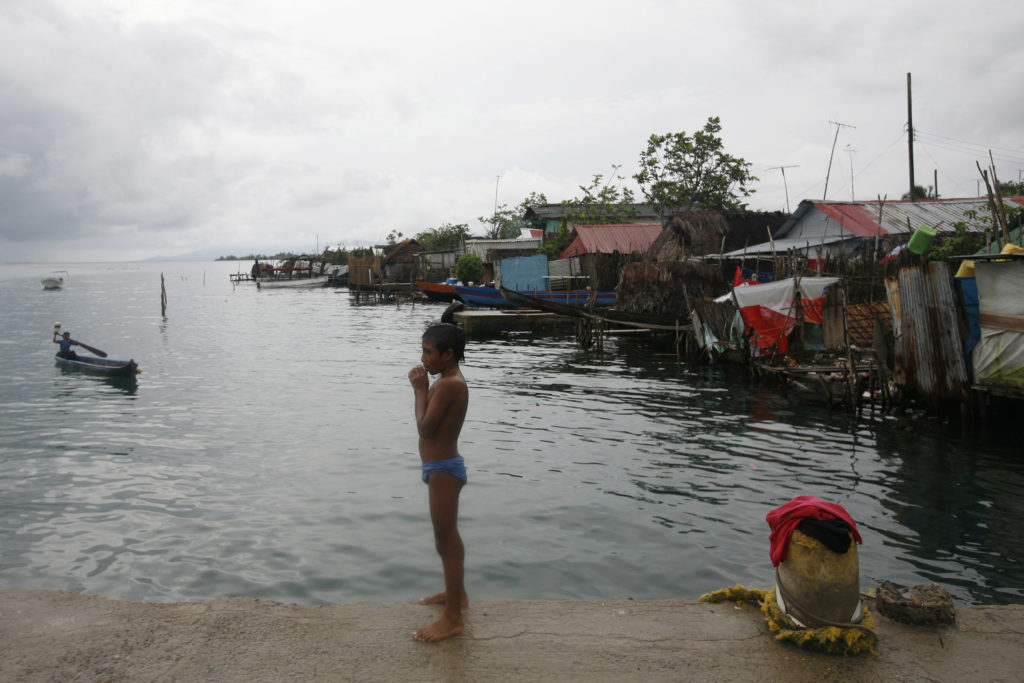
The Guna Indigenous community on Gardi Sugdub island in Panama is preparing to relocate to the mainland due to rising sea levels caused by climate change. This move marks the beginning of a larger effort to relocate 63 coastal communities in Panama. The transition, driven by increasingly severe flooding and storms, will significantly alter the Guna's traditional sea-based lifestyle. The government has invested $12 million in developing a new site for the community, but the cultural and economic impacts of the move remain uncertain.
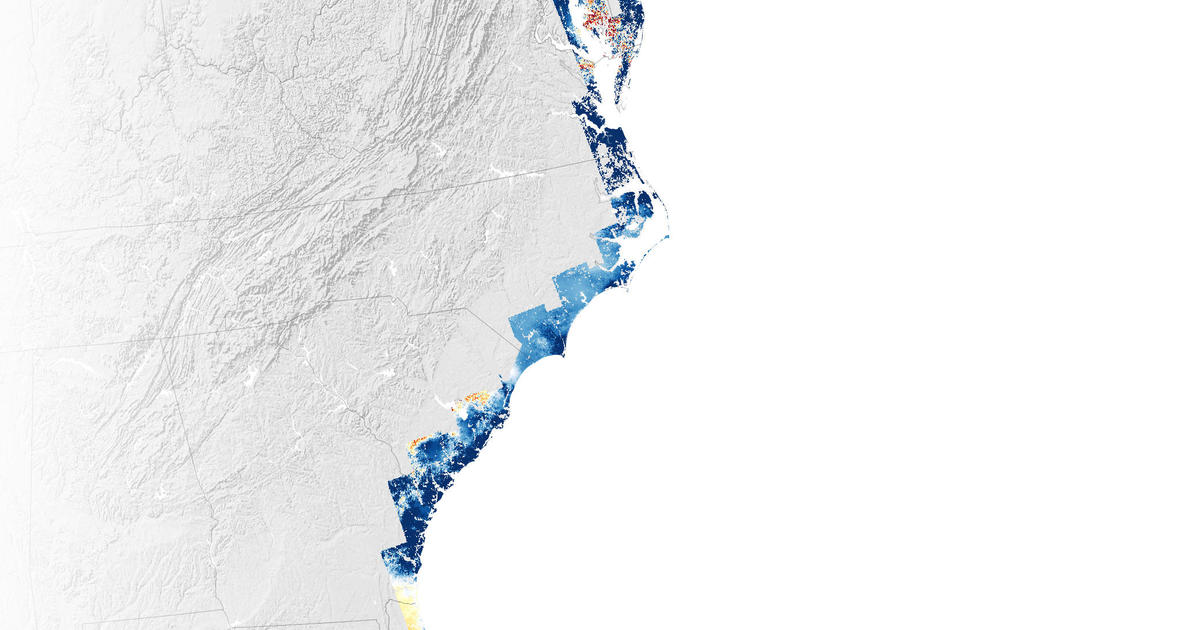
NASA images show that the land on which major U.S. cities like New York and Baltimore are built is sinking, exacerbating the threat of rising sea levels. The land subsidence, occurring at a rate of 1 to 2 millimeters per year, poses a significant risk to infrastructure, farmland, and wetlands along the East Coast. The problem is particularly acute in cities like Charleston, where downtown is just 10 feet above sea level and experiences subsidence of about 4 millimeters per year. The issue, caused by a combination of natural and human factors, could lead to increased damage to homes, saltwater intrusion, and other challenges for coastal communities.
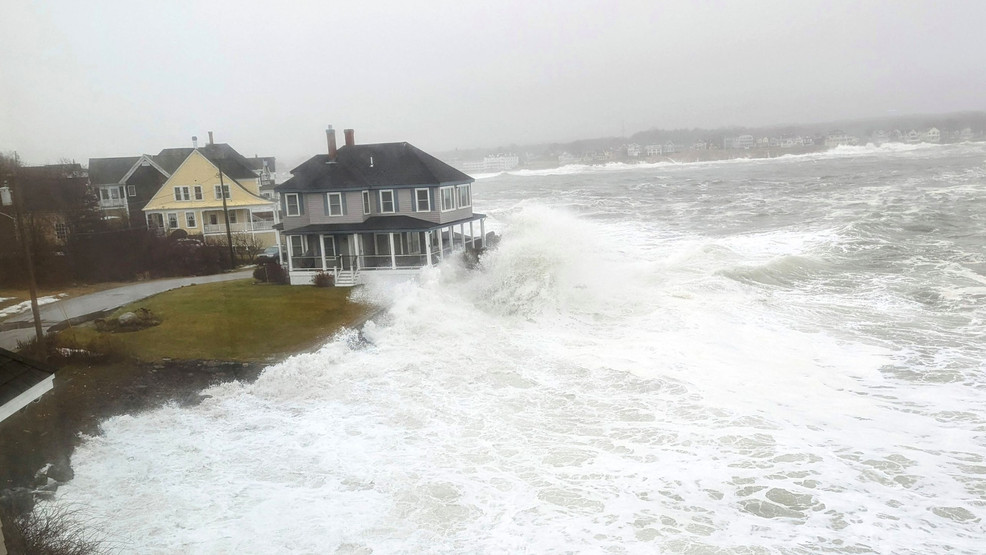
More frequent and intense storms, rising sea levels, and coastal flooding are prompting some Maine residents to reconsider living near the coast, with some expressing frustration and concern over the erosion of their properties. The recent storm caused significant damage and highlighted the increasing risks posed by climate change, leading some residents to consider moving farther inland to avoid future flooding and storm damage.
A DNA study of Turquet's octopus, a small species that lives in the Southern Ocean, suggests that the West Antarctic Ice Sheet is at risk of collapsing due to global warming. The study indicates that a temperature increase of 1.5 degrees Celsius above preindustrial levels could be a tipping point for the ice sheet. Genetic analysis of octopuses from different locations around Antarctica revealed that populations that are currently separated by the ice sheet were mingling and swapping DNA about 120,000 years ago during a period of similar temperatures. If the West Antarctic ice sheet melts entirely, global sea levels could rise by up to 16 feet. The study highlights the urgency of taking action to mitigate climate change and prevent further ice sheet melting.
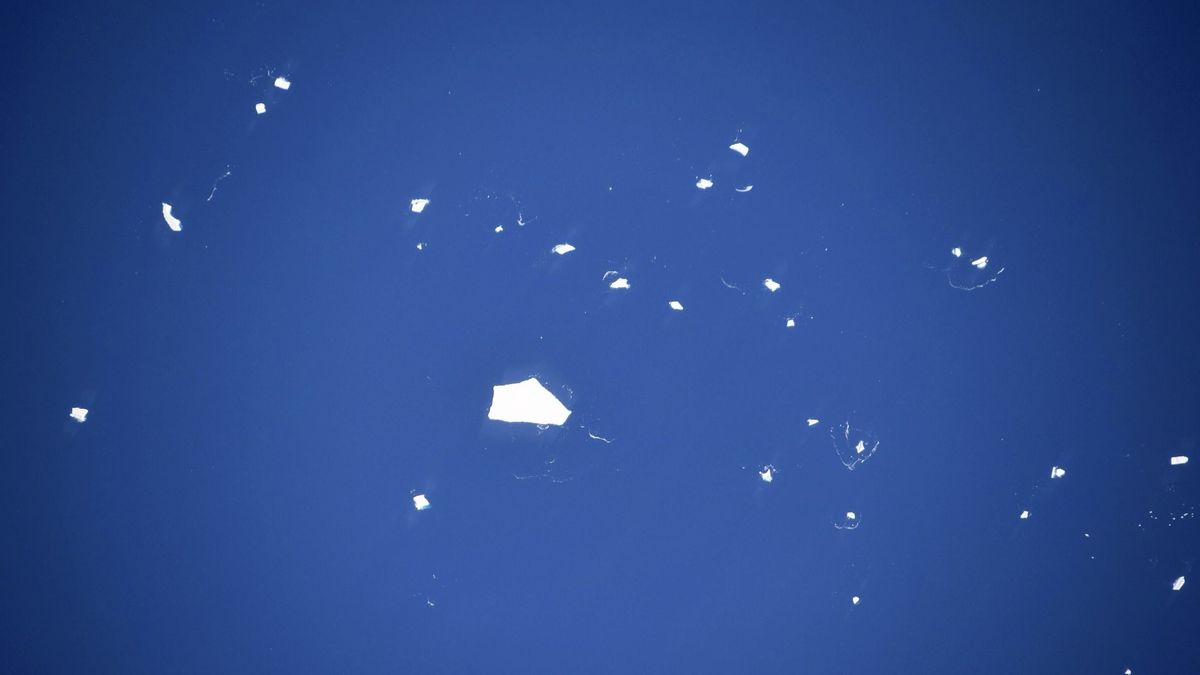
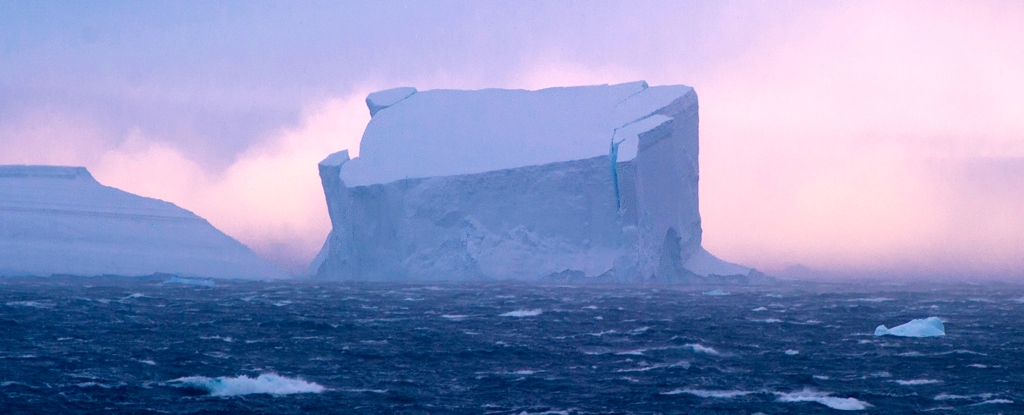
European Space Agency astronaut Andreas Mogensen, commander of Expedition 70 on the International Space Station, has captured stunning photos of giant icebergs floating in the South Atlantic. As Earth continues to warm, more ice is breaking off glaciers and ice sheets, contributing to rising sea levels. The photos highlight the visible part of the icebergs floating on the ocean surface, as well as the submerged parts and ocean waves breaking around them. Mogensen's observations serve as a reminder of the impact of climate change and the potential disappearance of low-lying areas like the Maldives due to rising sea levels.
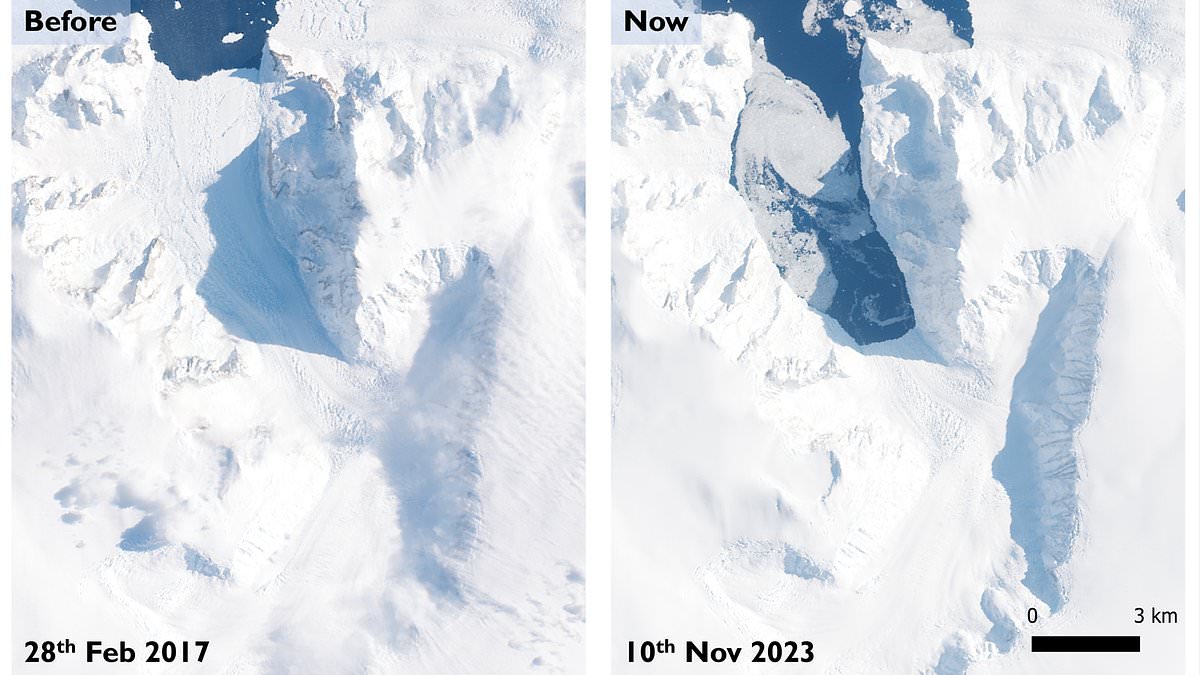
The Cadman Glacier in Western Antarctica is losing mass at an alarming rate, releasing 2.16 billion tonnes of ice into the ocean annually. Its thickness is decreasing by about 65 feet per year, equivalent to a five-storey building. The glacier's retreat and ice loss were observed between November 2018 and May 2021, with the collapse of its ice shelf contributing to increased ice discharge. Warmer ocean waters, likely caused by climate change, have been thinning the glacier's ice shelf since the early 2000s. The study highlights the sensitivity of the Antarctic Peninsula to future climate variability and the potential impact on rising sea levels.
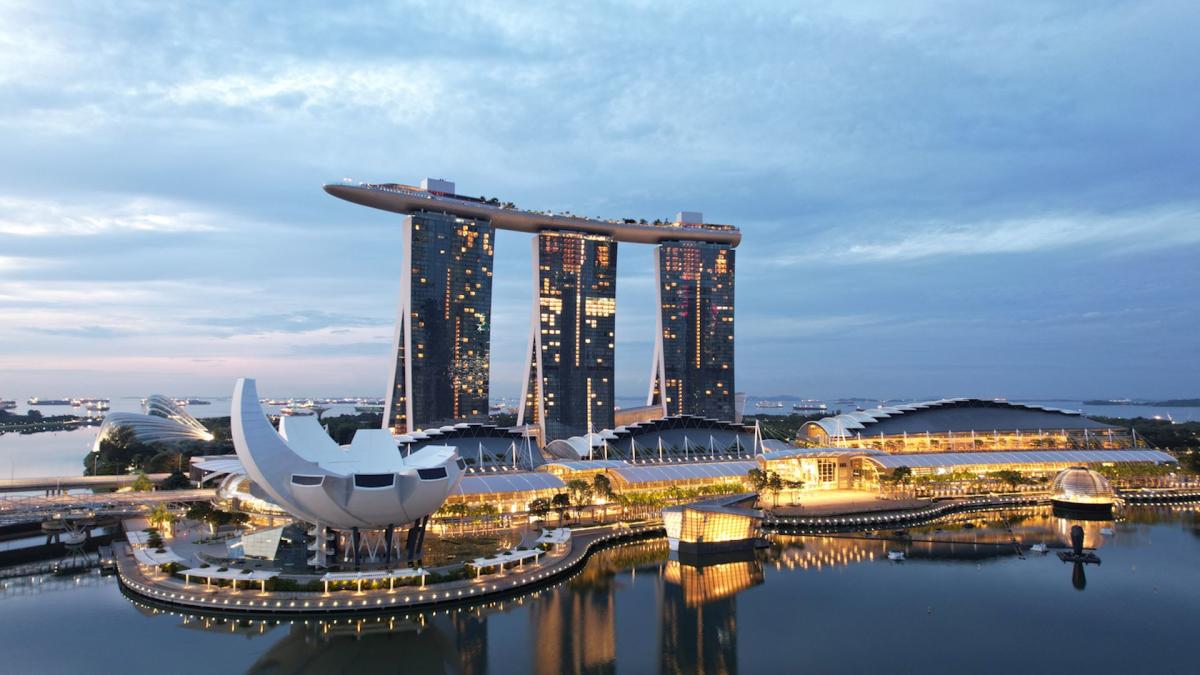
Singaporean government officials are determined to protect their land from the threat of rising sea levels caused by climate change. With approximately one-third of the country situated less than 16 feet above sea level, Singapore is implementing a multipronged approach that includes land reclamation, the use of dams and pumps, and the planting of mangrove trees. The government is also collaborating with research institutes to develop predictive models for flood-prone areas. With plans to spend $73 billion over the next century on coastal and flood protection, Singapore is taking a long-term and proactive approach to safeguard its land and population.
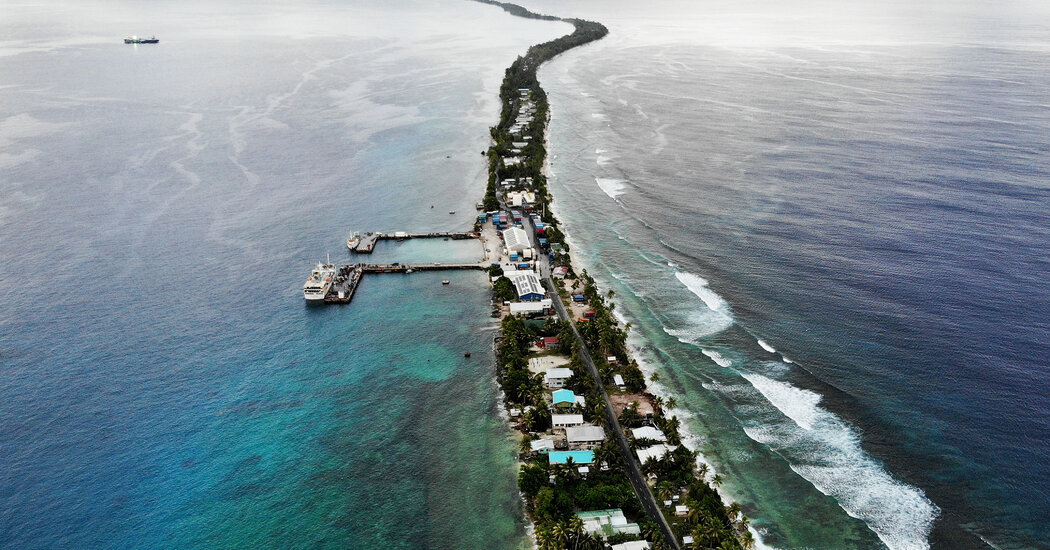
Australia and Tuvalu have reached a bipartisan agreement to address the effects of climate change on the Pacific island nation. While many anticipated a wholesale offer of climate-based asylum for Tuvalu's citizens, the agreement will only allow a maximum of 280 residents to migrate to Australia each year. The limit aims to prevent brain drain and skilled citizens from leaving Tuvalu. Instead, the agreement emphasizes Tuvalu's desire to continue living in their territory, with Australia providing financial support for Tuvalu's Coastal Adaptation Project and climate infrastructure. The challenges facing Tuvalu include rising sea levels, flooding, drought, and saline groundwater. The agreement also includes provisions limiting Tuvalu's international security arrangements without Australia's agreement, potentially countering China's influence in the region.
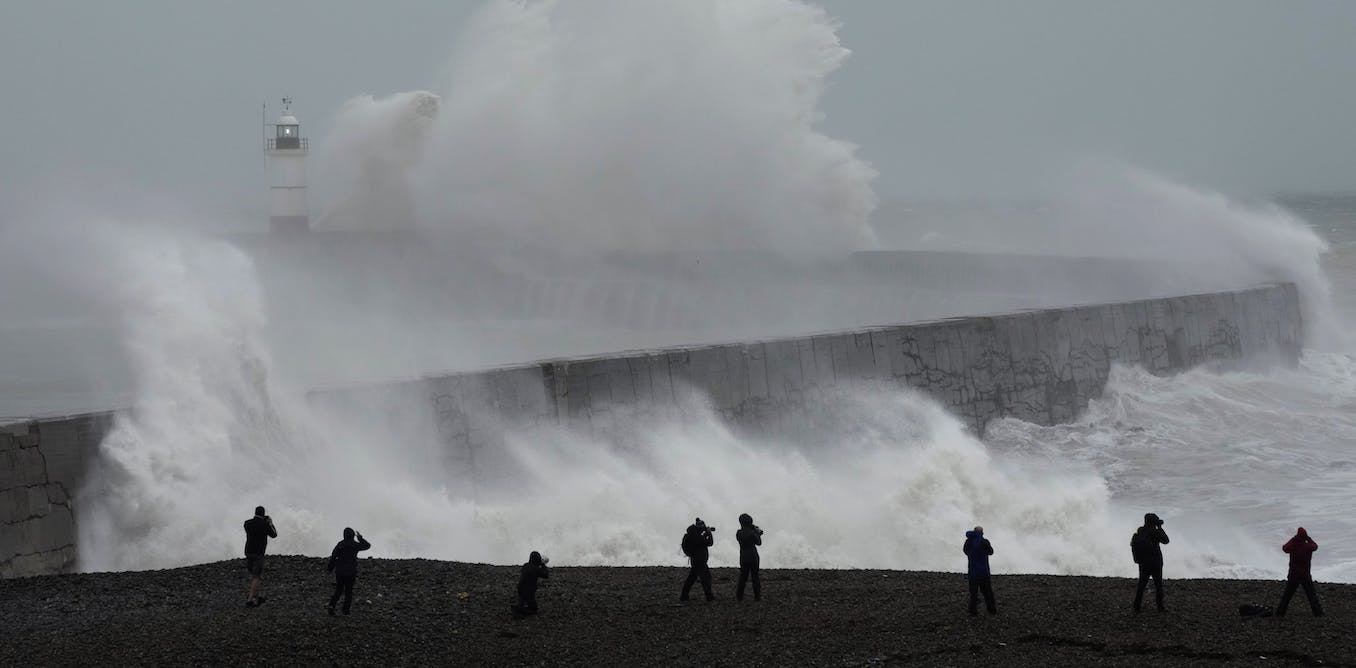
Seismic data collected over the past four decades shows that ocean waves are gaining strength and intensity as a result of global warming. The increase in wave energy coincides with rising global temperatures and storminess. Seismographic networks have observed the steady thrum created by storm-driven ocean waves, known as the global microseism. The study found that 79% of seismograph sites around the world showed significant and progressive increases in energy over the decades. The intensification of ocean waves poses a coastal warning, as it can lead to damaging waves, erosion, and infrastructure damage. Mitigating climate change and building resilience in coastal areas are crucial in addressing these impacts.
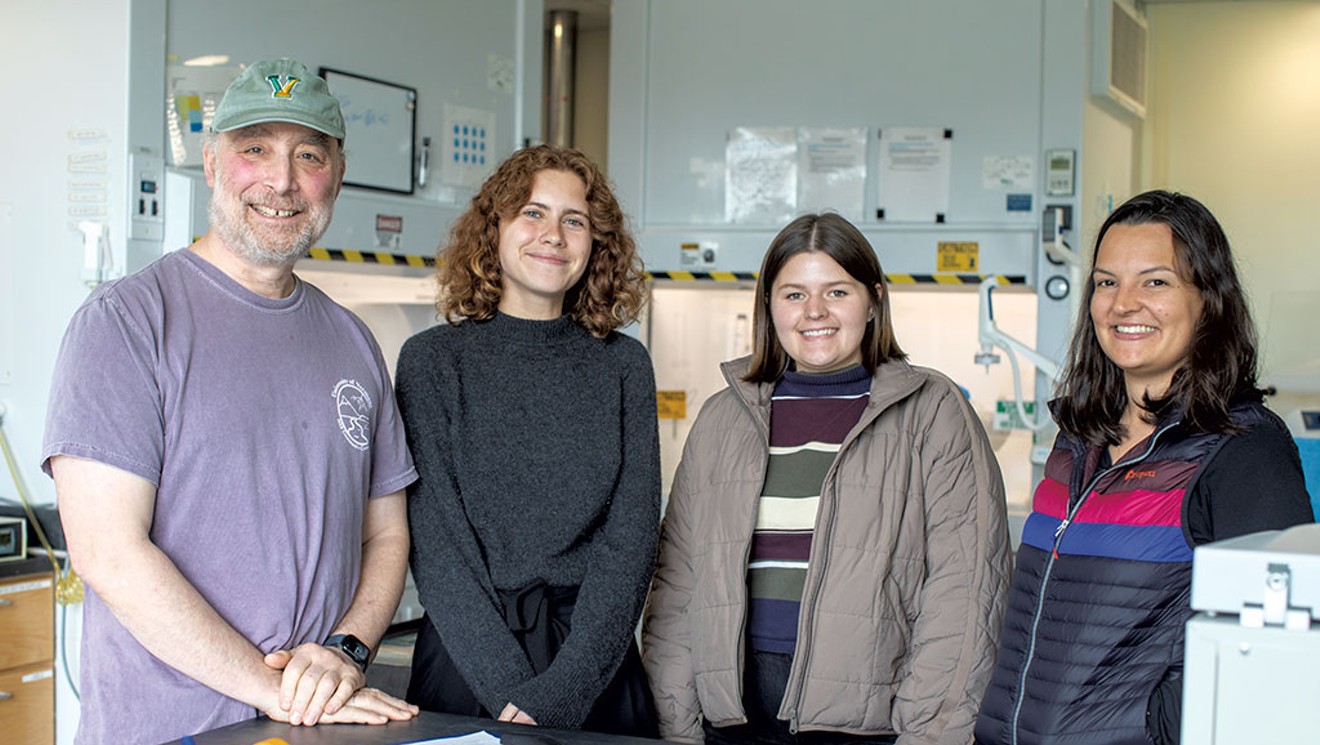
Scientists at the University of Vermont are studying glacial sediment extracted from beneath the Greenland ice sheet to understand the effect of human-induced climate warming on the ice sheet. Their research has revealed that the ice sheet was ice-free as recently as 418,000 years ago, contributing to a rise in sea levels. The scientists are using cosmic rays to determine the age of the sediment and are working to understand how long the ice sheet will survive in the face of ongoing climate change. The findings have significant implications for the billions of people living near coastlines around the world.
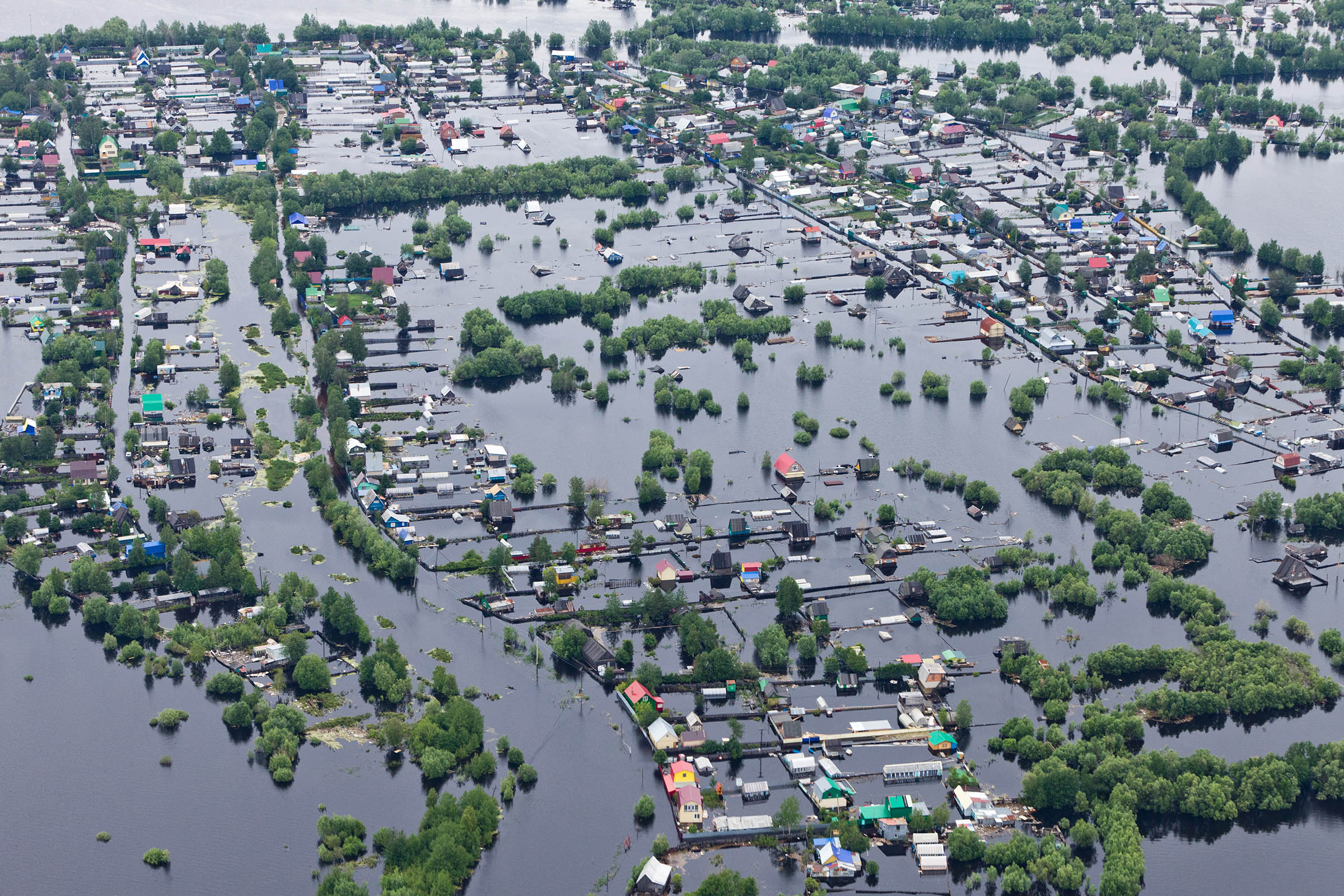
A new study suggests that by 2050, regions worldwide could experience 100-year floods annually due to rising sea levels caused by climate change. These devastating floods, historically considered rare events with a one percent chance of occurring in any given year, could occur every nine to fifteen years on average. The study highlights the need to combat climate change to mitigate the increasing frequency of these destructive floods.
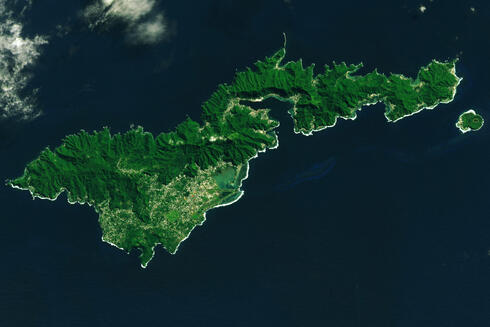
A study by NASA researchers highlights the sinking of American Samoa island in the South Pacific Ocean, exacerbated by a powerful earthquake in 2009 and rising sea levels. The study emphasizes the urgent need for immediate action to aid small islands facing the risk of disappearing due to the rising ocean surface. The researchers used satellite and terrestrial observations to measure land subsidence, revealing an annual average subsidence of 6 mm to 9 mm between 2015 and 2022. The study aims to provide insights for protecting vulnerable small islands and their populations from the impacts of climate change.
New research led by geophysicist Martin Siegert suggests that extreme climate events in Antarctica, such as the recent heatwave and the significant loss of sea ice, are now virtually certain to continue. These changes have global implications, as Antarctica's ice plays a crucial role in regulating Earth's temperature and sea levels. The loss of ice leads to increased heating, triggering more extreme weather events and rising seas. The researchers warn that with continued high levels of greenhouse gas emissions, global sea levels may rise by more than 1 meter this century and even more thereafter. Reducing greenhouse gas emissions to net zero is crucial for preserving Antarctica and addressing the global consequences of climate change.
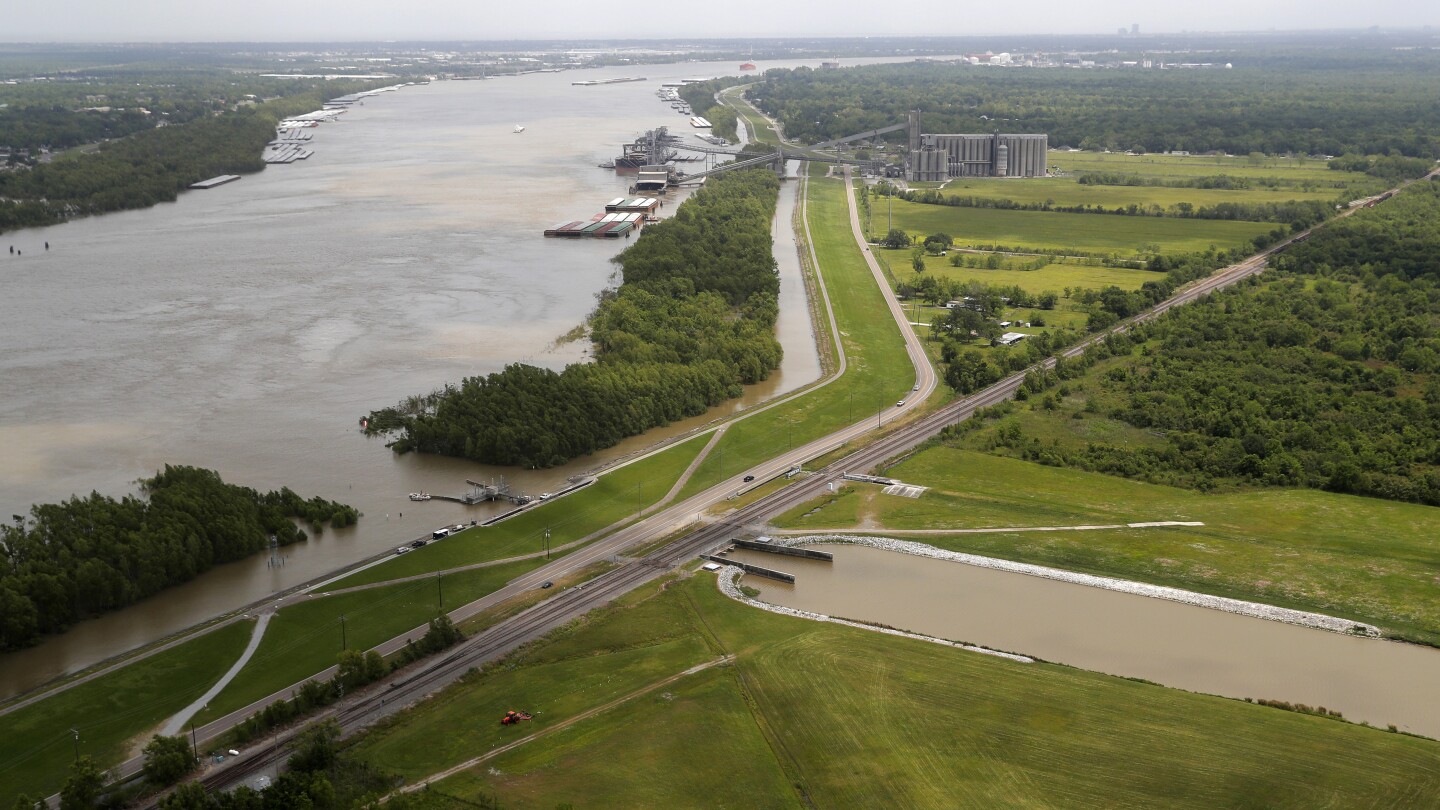
A $3 billion ecosystem restoration project funded by settlement money from the BP Deepwater Horizon disaster is underway in Louisiana's Plaquemines Parish. The project aims to divert sediment-laden water from the Mississippi River into the Barataria Basin to restore disappearing land. While climate change-induced rising sea levels pose a threat, state officials are confident in the project's success. The project is estimated to build 20-40 square miles of land over the next 30-50 years, although subsidence and sea level rise may result in a net loss of land. Environmental concerns and opposition from fishermen persist, but some see the potential benefits of the project.