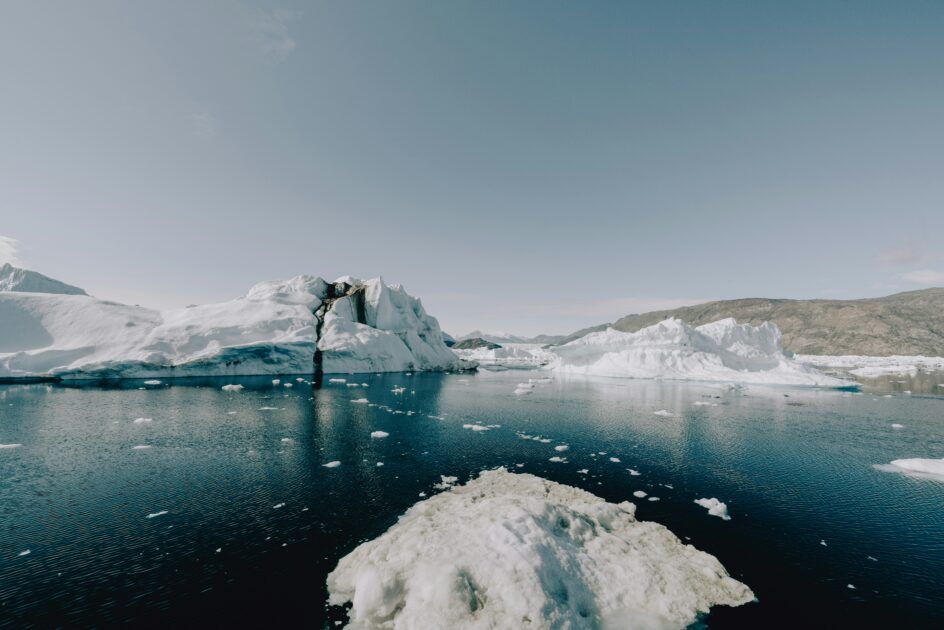
An emergency summit of 450 polar scientists in Australia has highlighted the urgent threat of Antarctic ice melt, which could lead to catastrophic sea level rise within our lifetimes. The scientists emphasize the need for immediate global action to reduce carbon emissions, warning that current efforts are insufficient. Coastal megacities are at high risk, and citizen action may be necessary to pressure governments into taking protective measures. The situation is exacerbated by political resistance and corporate backtracking on climate commitments, raising concerns about the future impact of climate change.
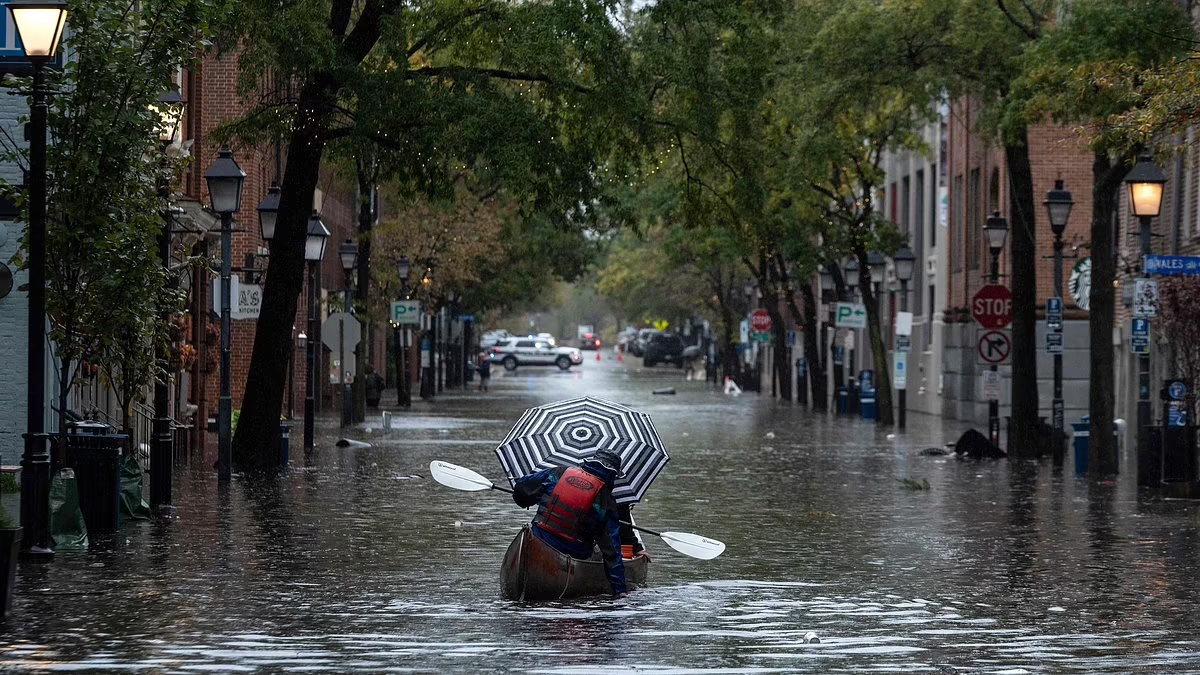
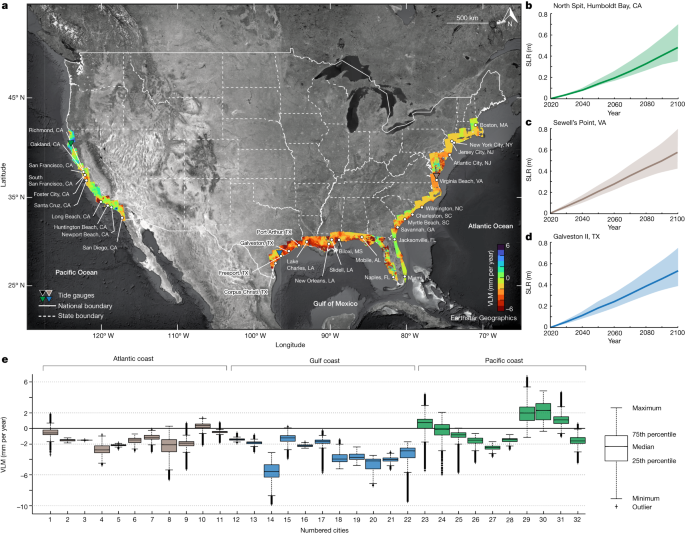
A US Geological Survey study warns that by 2100, rising sea levels and land subsidence could severely impact US coastal cities, affecting over 14 million people and causing over $1 trillion in property damage. The East Coast, including cities like Miami and New York, faces significant threats from flooding and sinking land, while California's San Joaquin Valley is experiencing record subsidence due to excessive groundwater extraction. Researchers emphasize the need for strategic planning and resilience strategies to mitigate these effects, though specific solutions were not detailed.
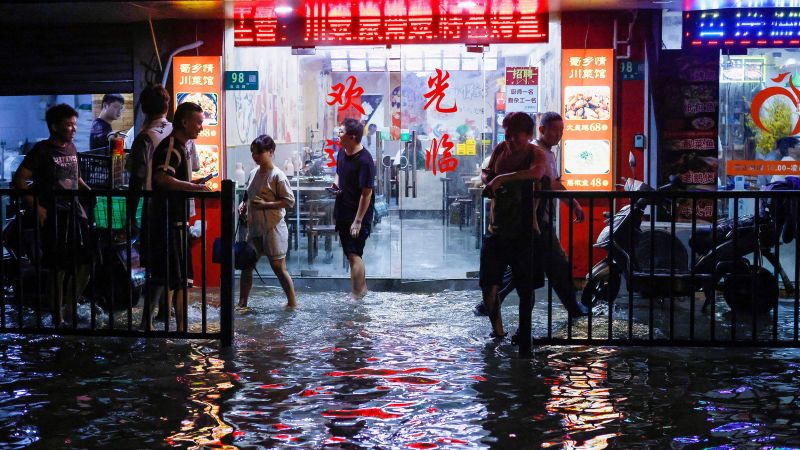
A new study reveals that nearly half of China's urban areas, home to 270 million people, are sinking due to factors such as rampant groundwater extraction and the growing weight of cities. This land subsidence, exacerbated by climate change-fueled drought, puts coastal areas at risk of flooding and rising sea levels. The impact is not limited to China, as other countries also face similar challenges. While some coastal areas in China have built protections against inundation, the study emphasizes the need for continued efforts to control groundwater pumping and maintain coastal dike systems to address the issue of land subsidence.
A study on the US coasts reveals that climate-induced sea levels are rising faster than the global average, posing substantial socioeconomic challenges for coastal cities. By 2050, an estimated 25 million people and 10 million properties in 32 coastal cities could be exposed to high-tide flooding, with potential impacts on population, properties, and home values. The study also highlights the critical role of land subsidence in exacerbating coastal hazards and emphasizes the disproportionate impacts of relative sea-level rise on vulnerable communities, particularly on the Gulf coast.
New research shows that 32 coastal cities in the US are at risk of flooding by 2050 due to land subsidence, exacerbating the impact of sea level rise. Major cities like Boston, New Orleans, and San Francisco are among those facing potential flooding, with up to 273,000 people and 171,000 properties at risk. Groundwater extraction and sediment compaction are driving the subsidence, and current hazard mitigation efforts are deemed inadequate. The study emphasizes the need for local management policies and solutions such as sea walls and raising properties to address the escalating threat.
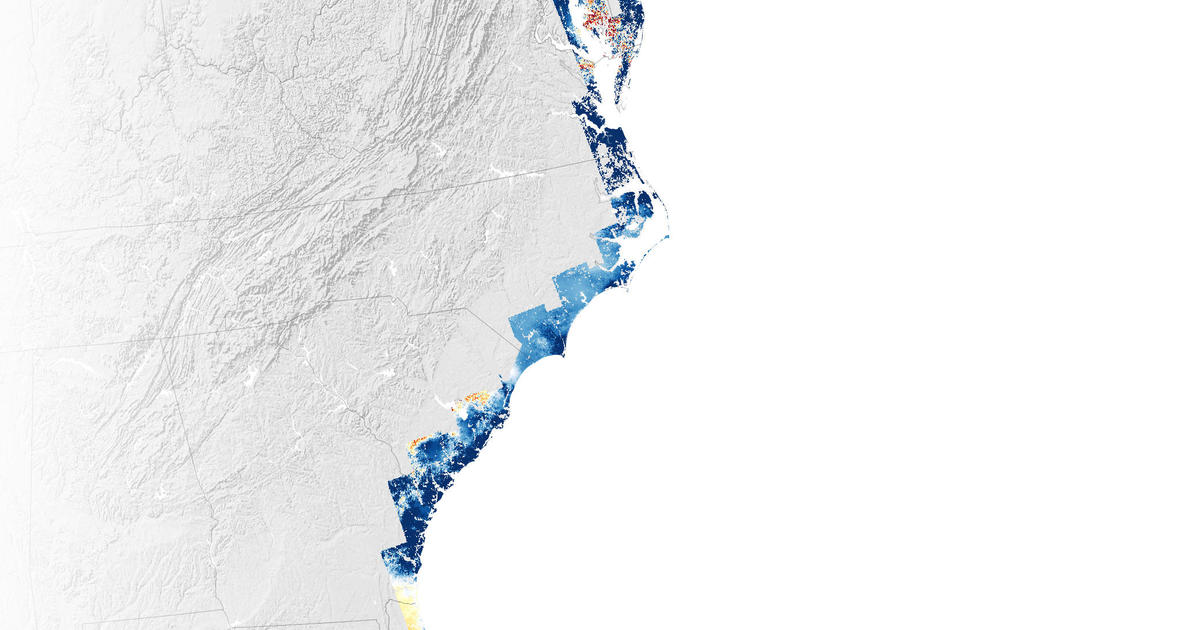
NASA images show that the land on which major U.S. cities like New York and Baltimore are built is sinking, exacerbating the threat of rising sea levels. The land subsidence, occurring at a rate of 1 to 2 millimeters per year, poses a significant risk to infrastructure, farmland, and wetlands along the East Coast. The problem is particularly acute in cities like Charleston, where downtown is just 10 feet above sea level and experiences subsidence of about 4 millimeters per year. The issue, caused by a combination of natural and human factors, could lead to increased damage to homes, saltwater intrusion, and other challenges for coastal communities.
Research indicates that accelerated ice melt in west Antarctica is inevitable for the rest of the century, regardless of carbon emissions reductions. The implications for sea level rise are dire, with the potential for coastal cities to be abandoned. Even if the most ambitious Paris agreement target is met, the rate of melting in the Amundsen Sea will be three times faster this century compared to the previous century. The loss of floating ice shelves will lead to the rapid sliding of glacial ice sheets into the ocean, resulting in significant sea level rise. Urgent action is needed to address this issue and mitigate the impacts of climate change.
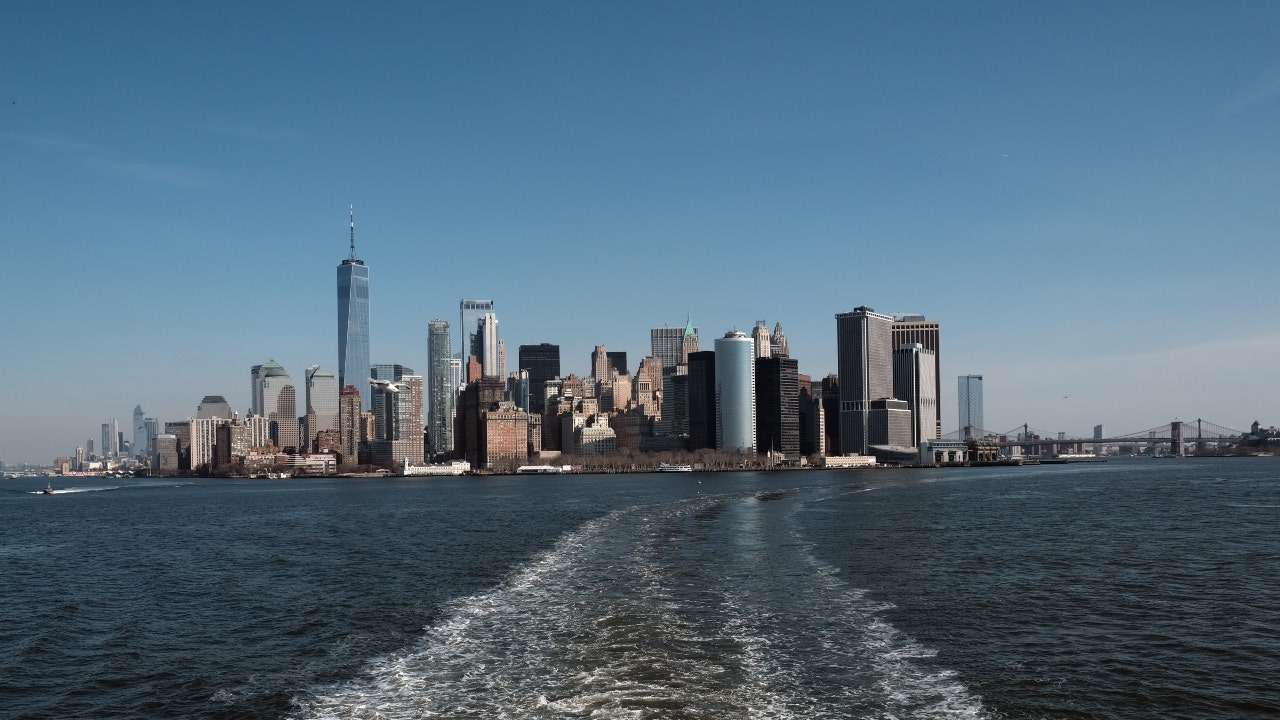
New York City is sinking at a rate of 1 to 2 mm per year, the same rate as Venice, Italy, due to the weight of its buildings and rising sea levels. The threat of sea level rise is three-to-four times higher in New York than the global average along the Atlantic Coast, and some parts of the city are subsiding even faster. Other coastal cities around the world are also sinking at an alarming rate, posing a shared global challenge of mitigation against a growing inundation hazard.
New York City is sinking by 1-2 millimeters annually due to subsidence caused by the weight of its buildings, according to a recent study. The cumulative mass of the city's buildings was found to be around 1.68 trillion pounds, and some areas were found to have significantly greater subsidence rates. The study highlights the shared global challenge of mitigating the growing inundation hazard faced by many coastal cities around the world due to sea level rise and increasing urbanization. The Army Corps of Engineers is proposing a $52B construction of coastal seawalls to mitigate the looming circumstances.
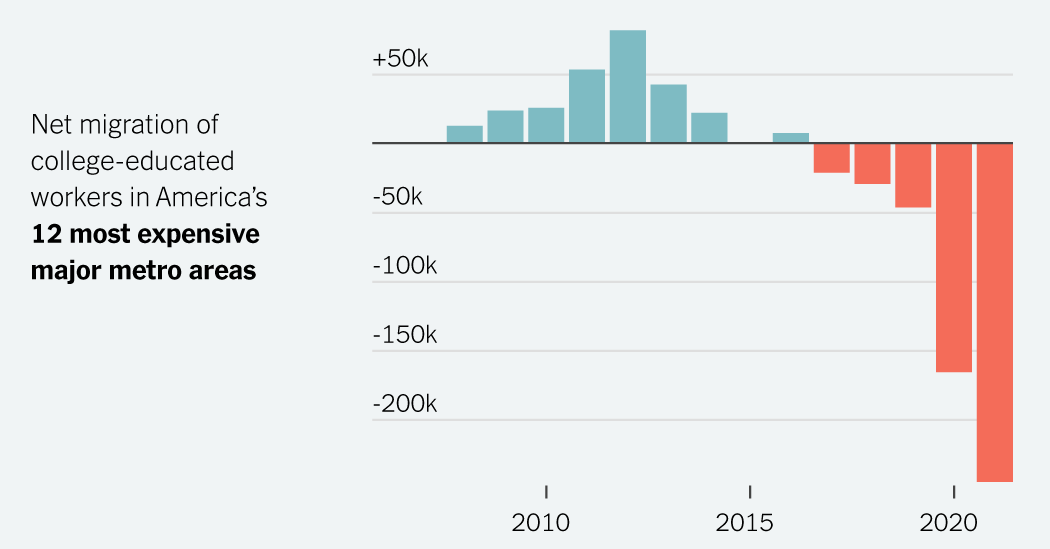
College-educated workers are leaving expensive coastal cities like San Francisco, New York, and Washington, D.C., in growing numbers, creating an accelerating outflow of educated workers that economists call "brain drain." The pandemic has accelerated this trend, with the San Francisco area losing more educated workers than have moved in. Affordability issues have been eroding up the income spectrum in the country's most expensive metros, and remote work has altered the bargain that educated workers must swallow high living costs to access the highest wages. These workers are increasingly migrating toward major metros that are still prosperous but not quite so expensive.