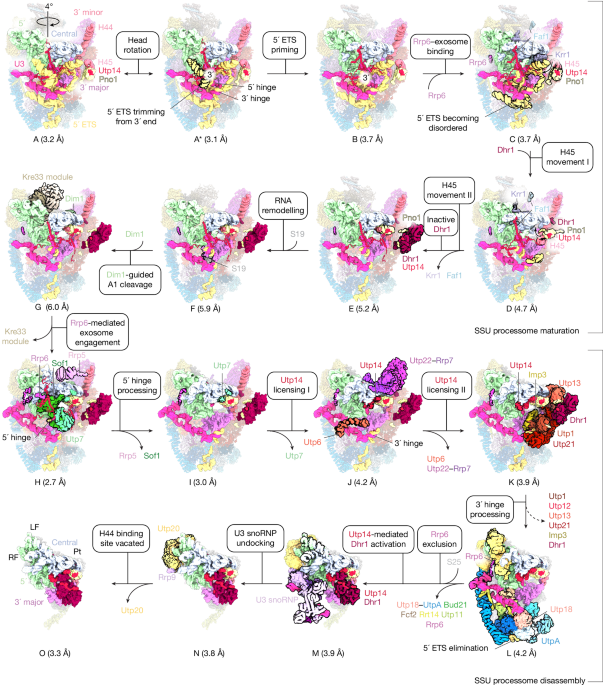
The article explores the helicase-mediated mechanisms involved in the maturation and disassembly of the small subunit (SSU) processome during ribosome biogenesis, revealing high-resolution structures and interactions that coordinate RNA processing, quality control, and particle disassembly in the nucleolus.
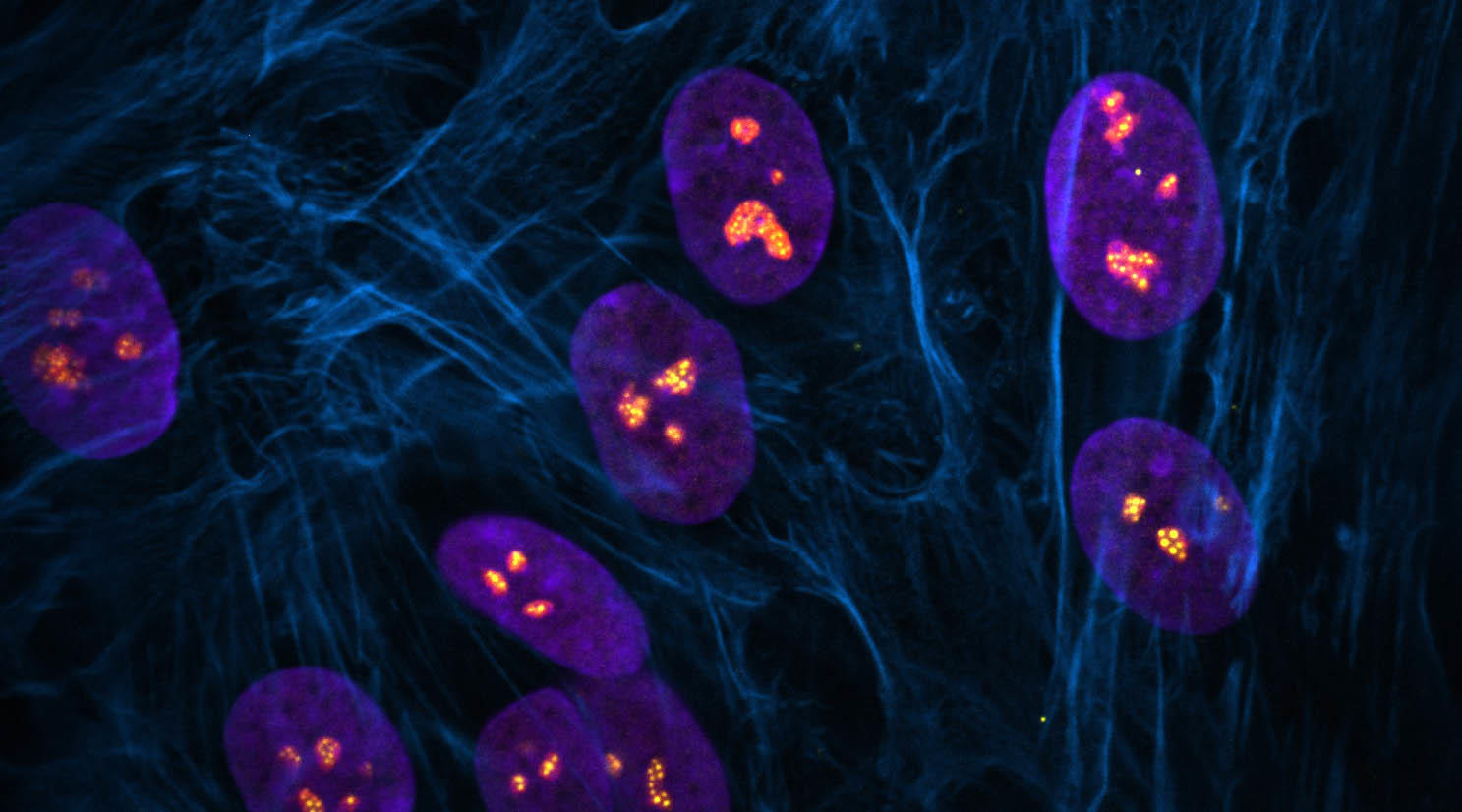
Scientists have discovered that certain anti-cancer drugs can cause unexpected side effects by disrupting the nucleolus, a cellular organelle involved in ribosome biogenesis. By screening over 1,000 existing anti-cancer drugs, researchers identified distinct nucleolar shapes induced by different drug categories, providing a classification system for nucleoli. The study highlights the need to consider the impact on the nucleolus during drug development and could potentially improve the success rate of cancer drug development.