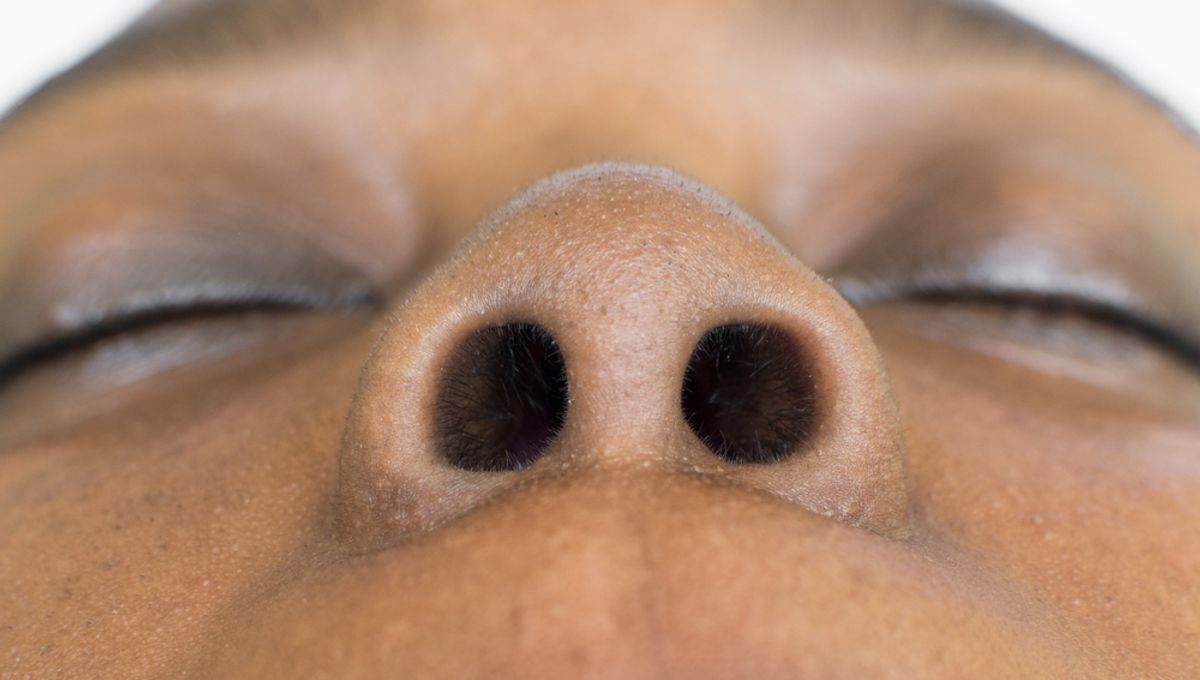
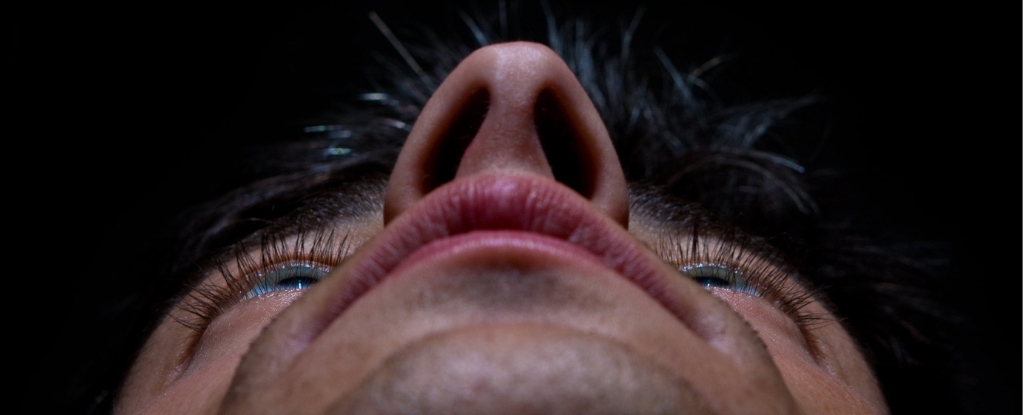
Humans have two nostrils primarily due to bilateral symmetry and the nasal cycle, which allows one nostril to rest while the other breathes, aiding in moisture regulation, smell, and survival. The dual nostrils also help locate smells and provide a backup in case one is blocked, offering significant evolutionary advantages.
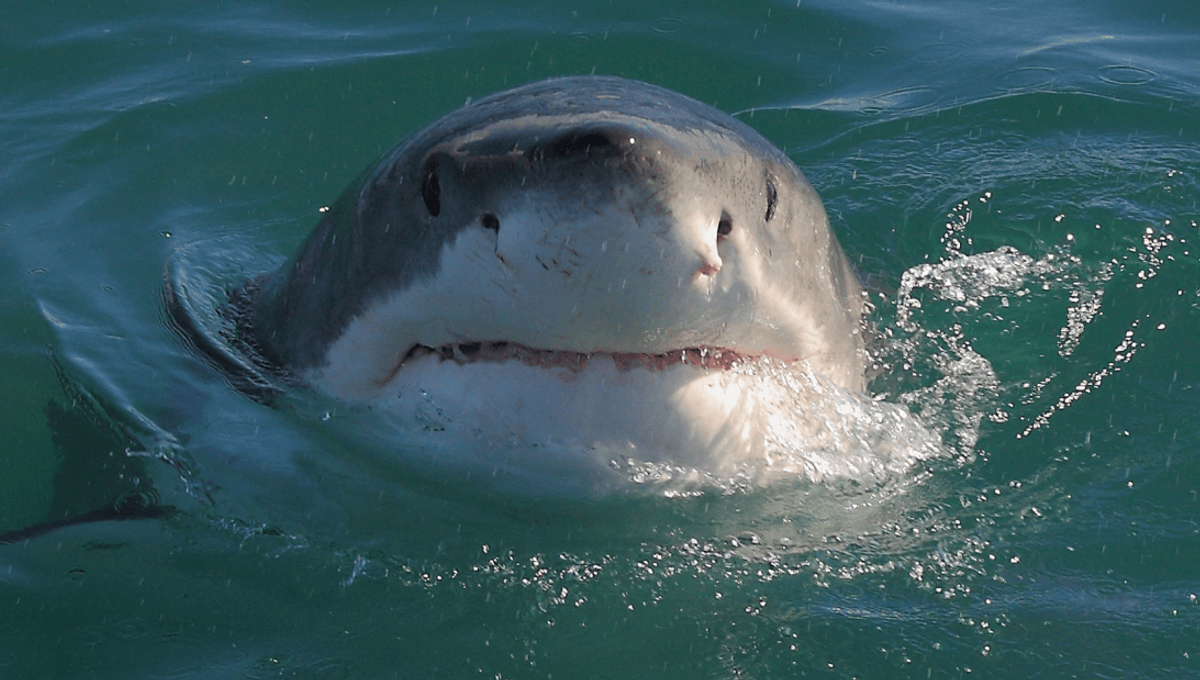
Sharks have specialized nostrils called nares that are separate from their respiratory system, allowing them to detect odors in water, which is crucial for hunting and survival, without needing lungs for smelling.
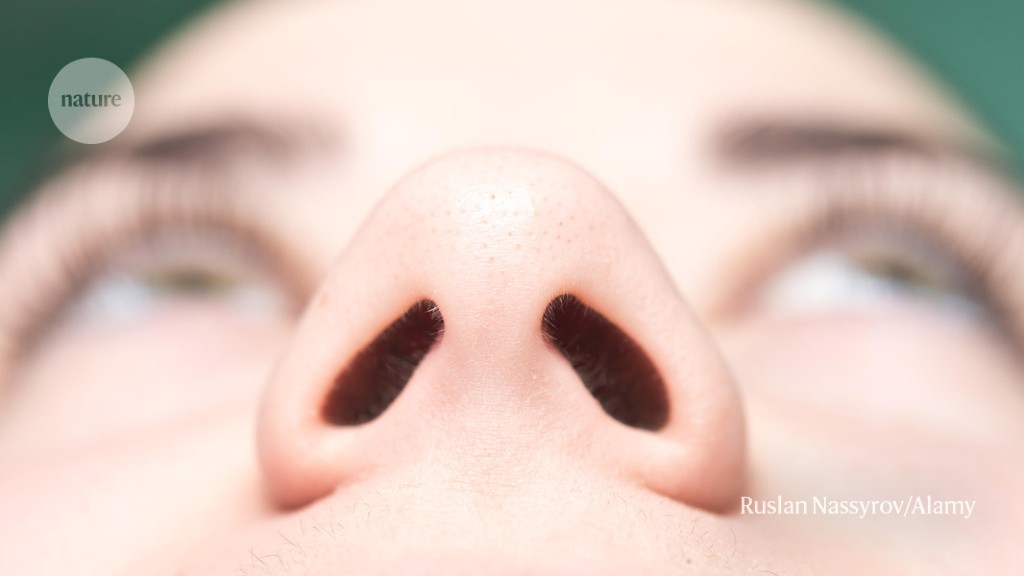
A new study reveals that our two nostrils work independently and have their own separate sense of smell. Researchers found that the brain can process each nostril's input individually while also synthesizing them into a complete whole. The study, conducted on epilepsy patients with implanted brain electrodes, showed that smelling through two nostrils created two distinct bursts of activity, suggesting that the nostrils are not always in unison. The findings have implications for understanding how the brain processes sensory information and may extend beyond the sense of smell.
New research shows that the brain encodes the nostril through which an odor enters, suggesting that integrating information from both nostrils helps identify the scent. The study found that the piriform cortex, a region responsible for processing scents, reacts independently to smells in each nostril. When scents were delivered to a single nostril, the corresponding side of the brain reacted first, followed by the opposite side. When scents were delivered to both nostrils simultaneously, both sides of the brain recognized the scent faster. This suggests that the brain makes use of the different arrival times of scents. The findings provide insight into how the brain processes olfactory information and may contribute to our ability to accurately identify odor sources.