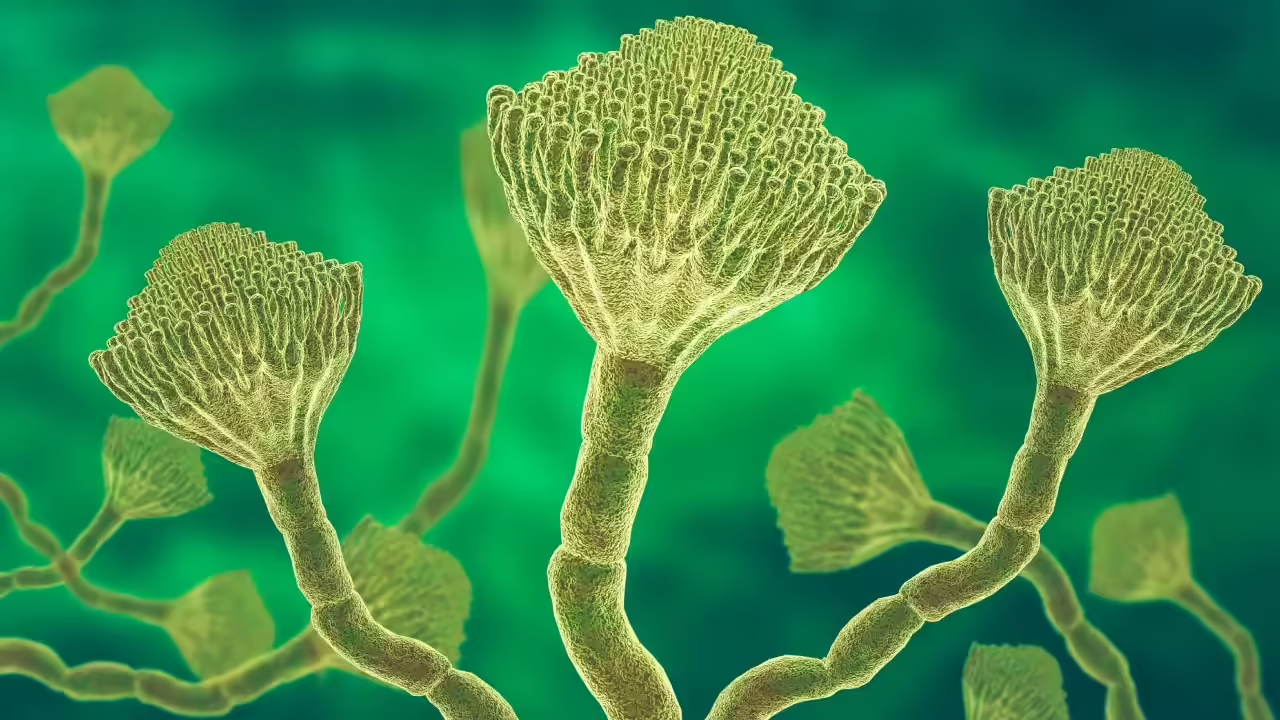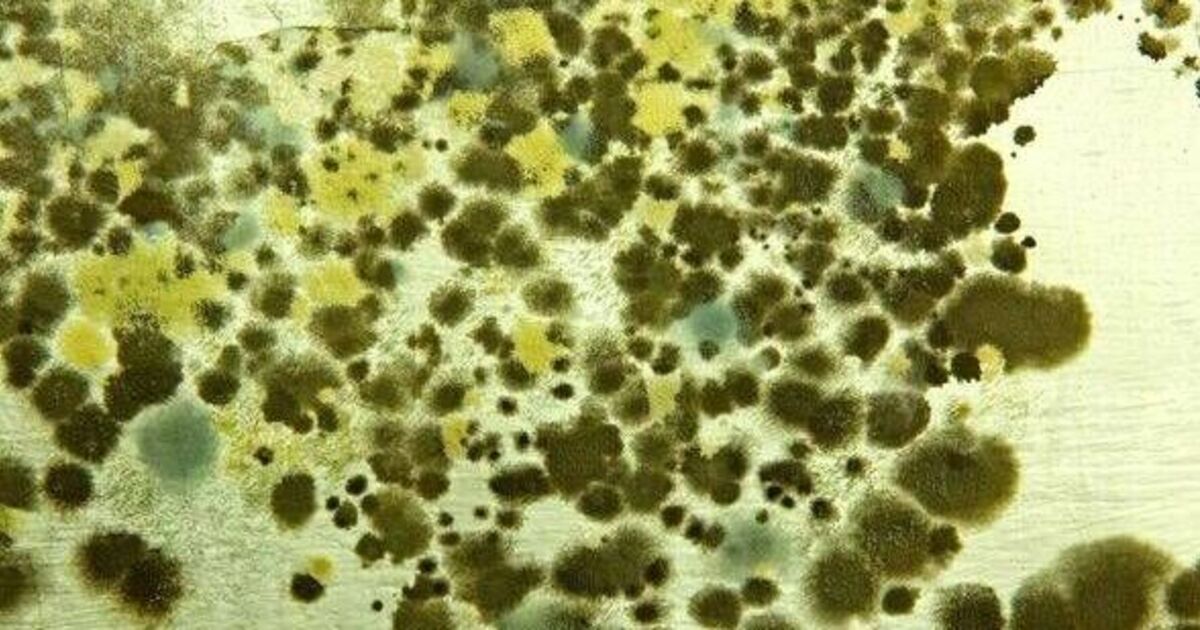
Scientists have discovered that the fungus Aspergillus flavus, found in Tutankhamun's tomb, produces compounds called asperigimycins that show promise in treating leukemia by disrupting cancer cell division, highlighting the potential of natural products in drug discovery.
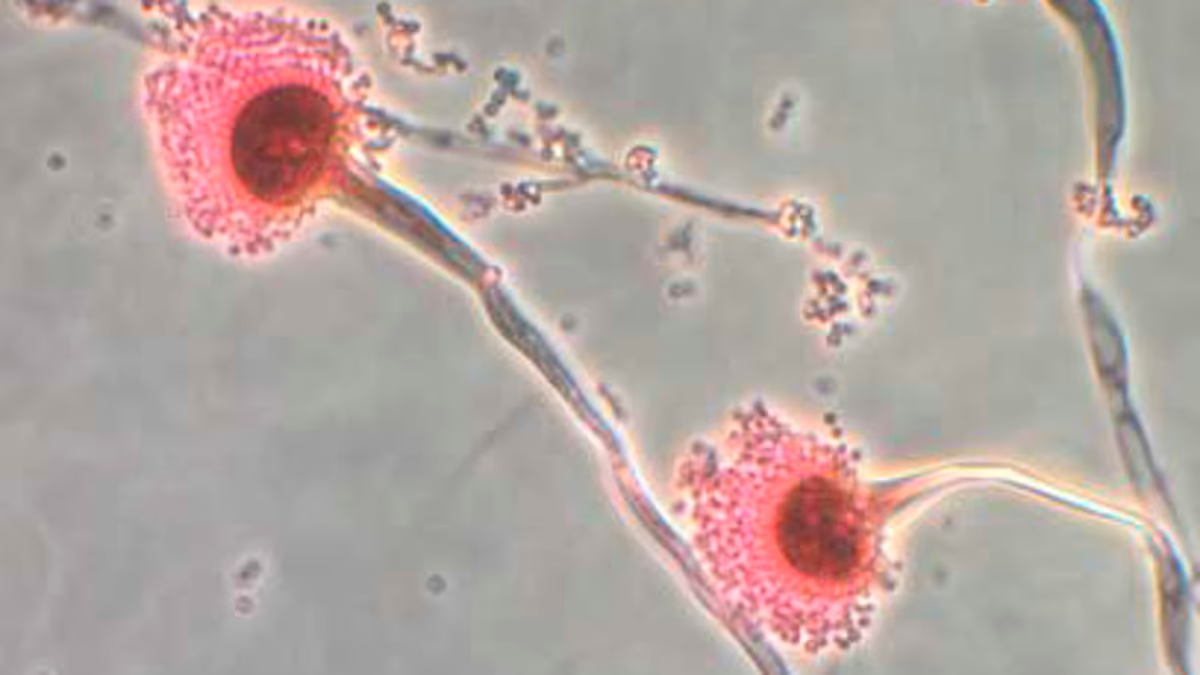
A deadly airborne fungus, Aspergillus fumigatus, is spreading across the US, especially in warm, humid areas, posing a significant health risk to immunocompromised individuals. Climate change and overuse of antifungal drugs are exacerbating the problem, with potential for increased infections and drug resistance, prompting calls for urgent action in research and healthcare preparedness.
Aspergillus is a common fungus found in the environment that can cause serious infections, especially in immunocompromised individuals, with symptoms like persistent cough, chest pain, and fever. Rising global temperatures may increase its spread, making awareness and prevention crucial.
A deadly fungal infection called Aspergillosis is spreading rapidly across Europe, driven by climate change, and poses a significant health risk, especially to vulnerable populations, with potential to cause widespread fatalities and impact respiratory health.