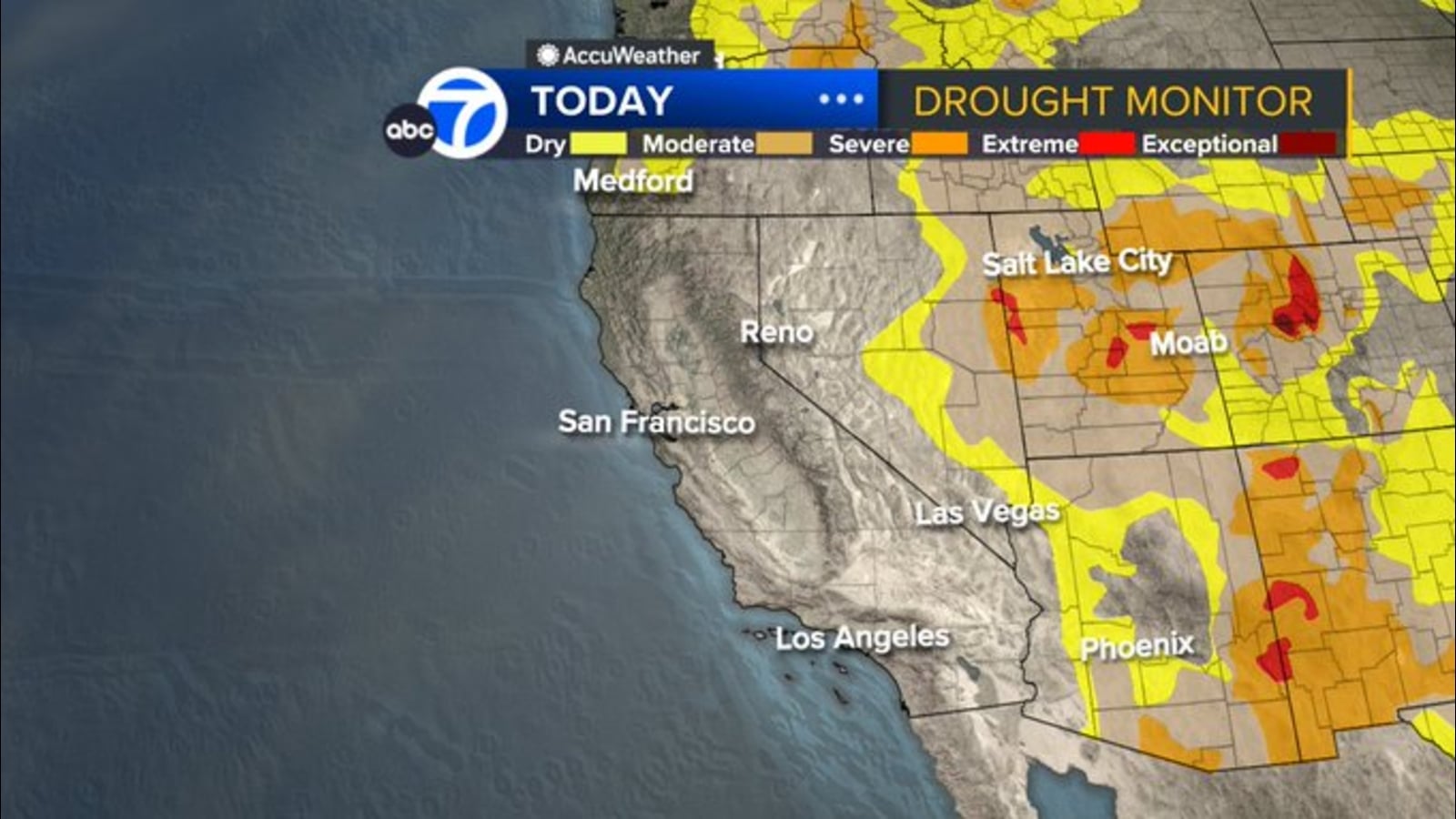
California becomes drought-free for the first time in 25 years after winter storms
California is completely drought-free for the first time in 25 years due to recent winter storms that filled reservoirs and ended drought conditions across the state.

All articles tagged with #reservoirs
California is completely drought-free for the first time in 25 years due to recent winter storms that filled reservoirs and ended drought conditions across the state.
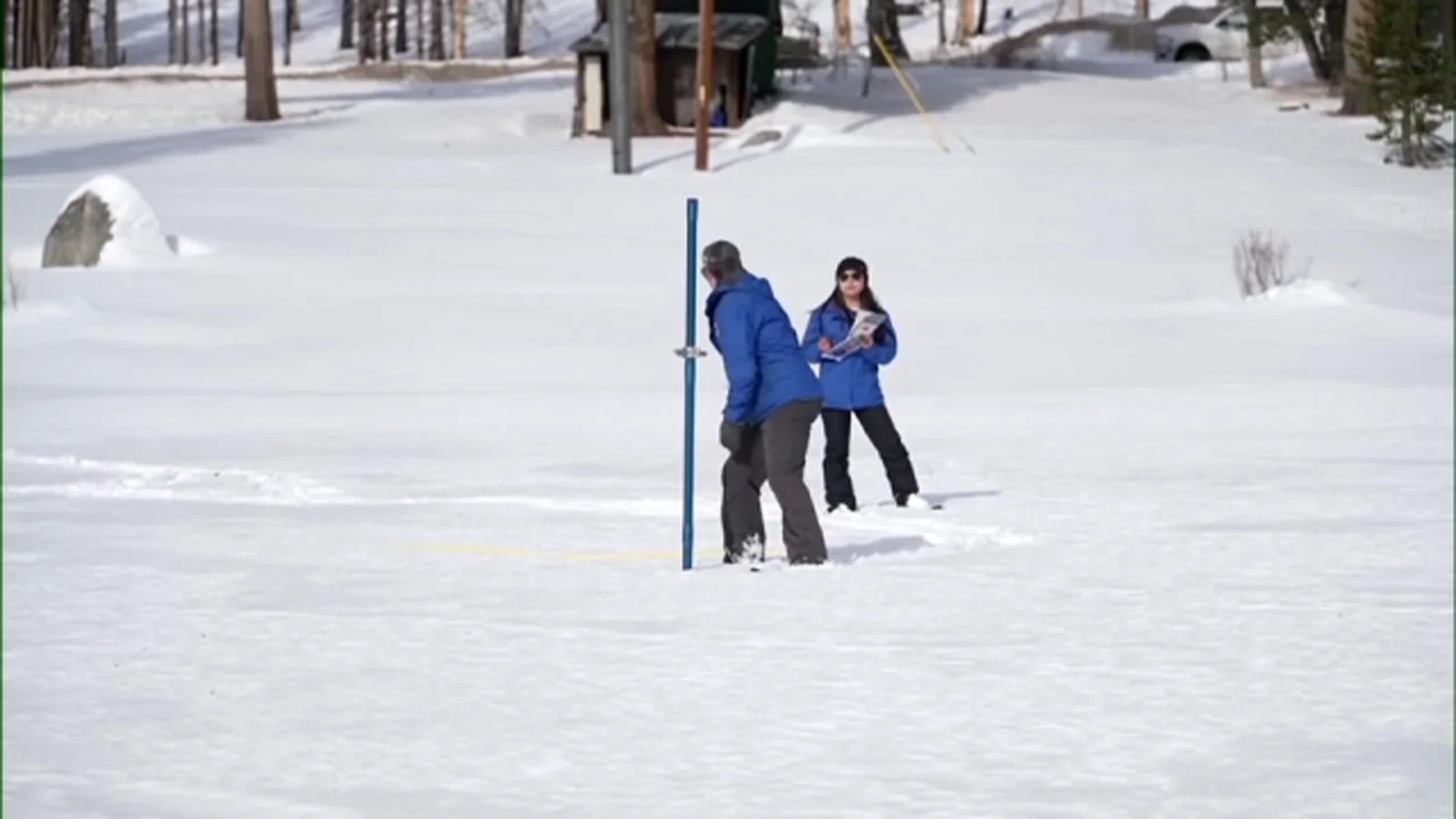
California is starting 2026 with significantly below-average snowpack levels, at only 50% of the typical snow water content for this time of year, raising concerns about future water availability despite ample reservoir storage, as officials monitor the potential impact on water supplies amid changing precipitation patterns.

Water levels in Mashhad's dams have fallen below 3% due to severe drought, prompting calls for reduced water consumption and raising concerns about potential water shortages in Iran's capital, Tehran, amid the country's worst drought in decades.

The construction of dams and reservoirs on the Colorado River, including Lake Travis and Lake Buchanan, has historically prevented catastrophic flooding in Austin by controlling floodwaters, especially during recent heavy rains that have replenished water supplies and managed flood risks effectively, although future extreme storms could still pose significant threats.
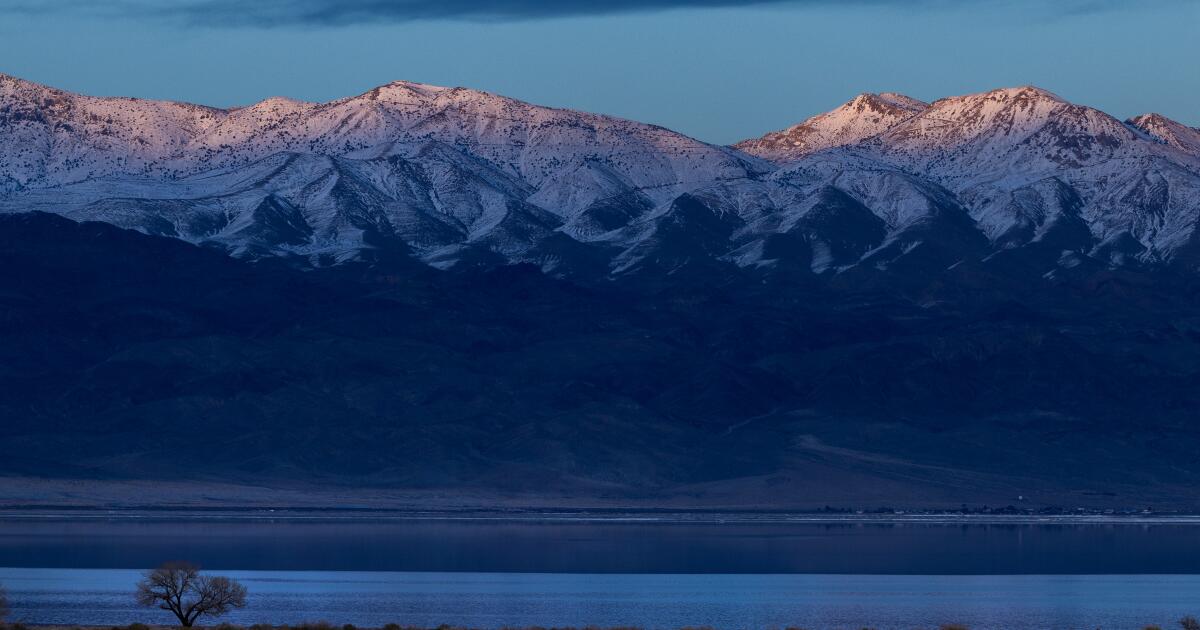
California's water supplies have been significantly boosted by above-average snowpack and rainfall, with the Sierra Nevada snowpack at 105% of average and major reservoirs at 116% of average levels. While this provides some breathing room, experts emphasize the need for continued water conservation and planning for future droughts and climate change impacts. Despite the current healthy water levels, the state still faces complex water management challenges, including fish population struggles and groundwater depletion, prompting ongoing discussions and plans for long-term water management and conservation efforts.
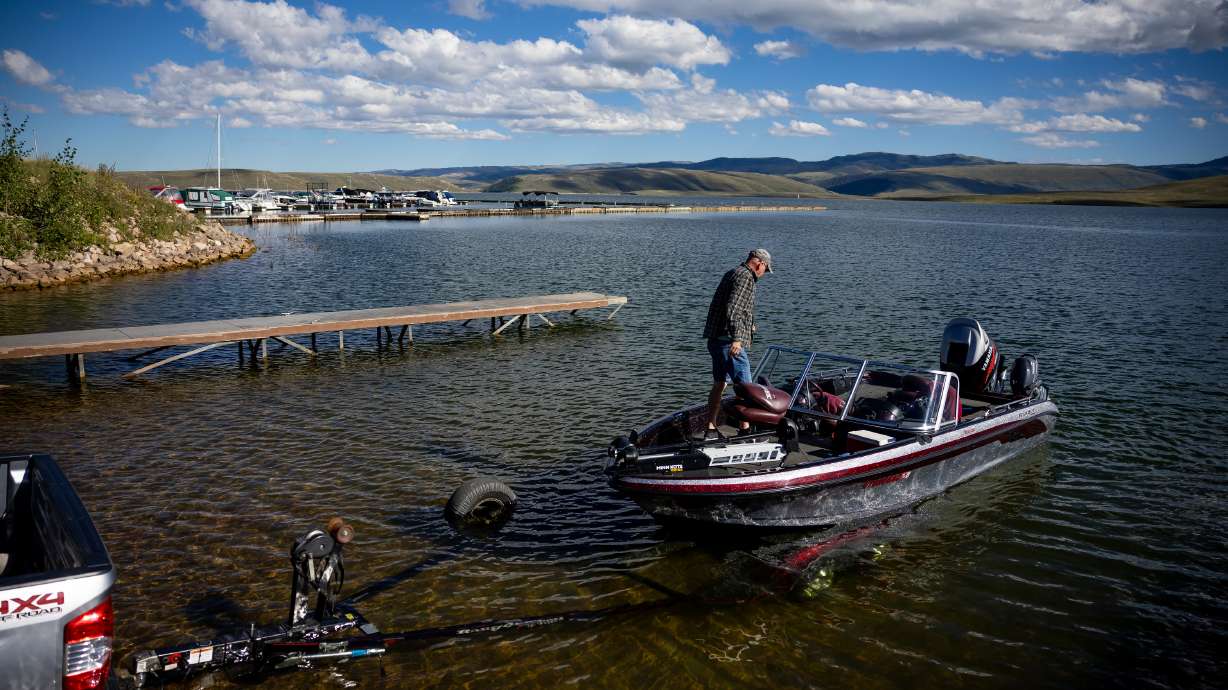
Utah experienced an unexpectedly great water year in 2023, with above-average precipitation and a record-setting snowpack. As a result, the state's reservoirs are now at 76% capacity, significantly higher than the previous year. However, experts caution that Utah's water issues are far from solved, as large-scale lakes and reservoirs remain below capacity, and long-term drought impacts persist. Utahns are urged to continue conserving water, as the future remains uncertain.
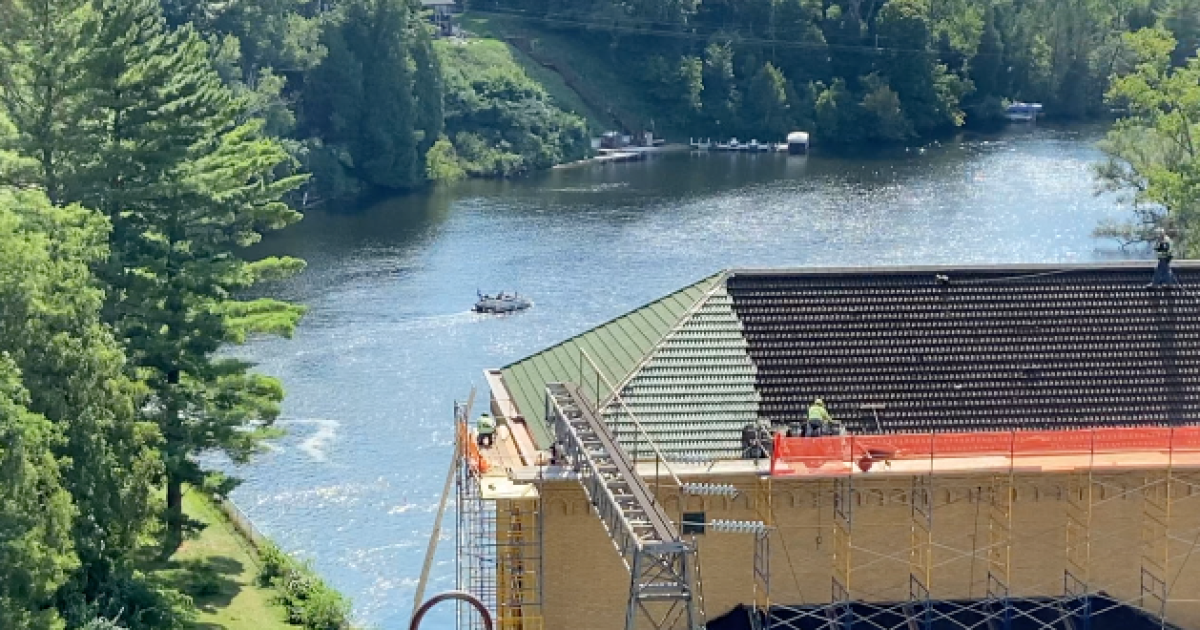
Consumers Energy is exploring the possibility of selling 13 hydroelectric facilities in Michigan in order to reduce costs for its customers. The company plans to issue a request for proposal (RFP) and is considering options to safely maintain the dam reservoirs. The dams currently produce less than one percent of the energy used by Consumers Energy's customers and are significantly more expensive than other energy sources. The company has not made a final decision and will continue to engage with communities and provide updates throughout the decision-making process.
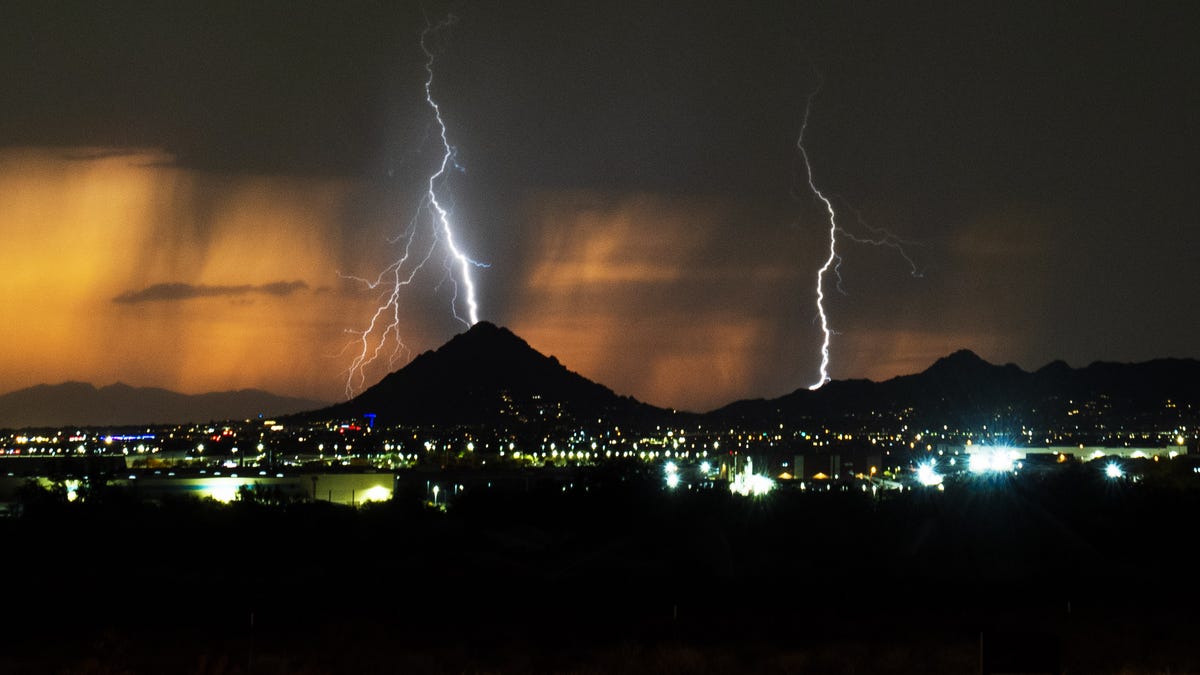
The monsoon season in Arizona is expected to bring powerful thunderstorms and flash floods caused by increased rainfall. The first six days of the monsoon are expected to be very sunny and hot, with high temperatures staying around the 100-degree mark. The monsoon can help maintain the water level in reservoirs, but officials still urge the population to conserve water. The National Weather Service predicts below-normal precipitation and above-normal temperatures for most of Arizona during the monsoon, with far western areas having equal chances for above, near, or below normal precipitation.
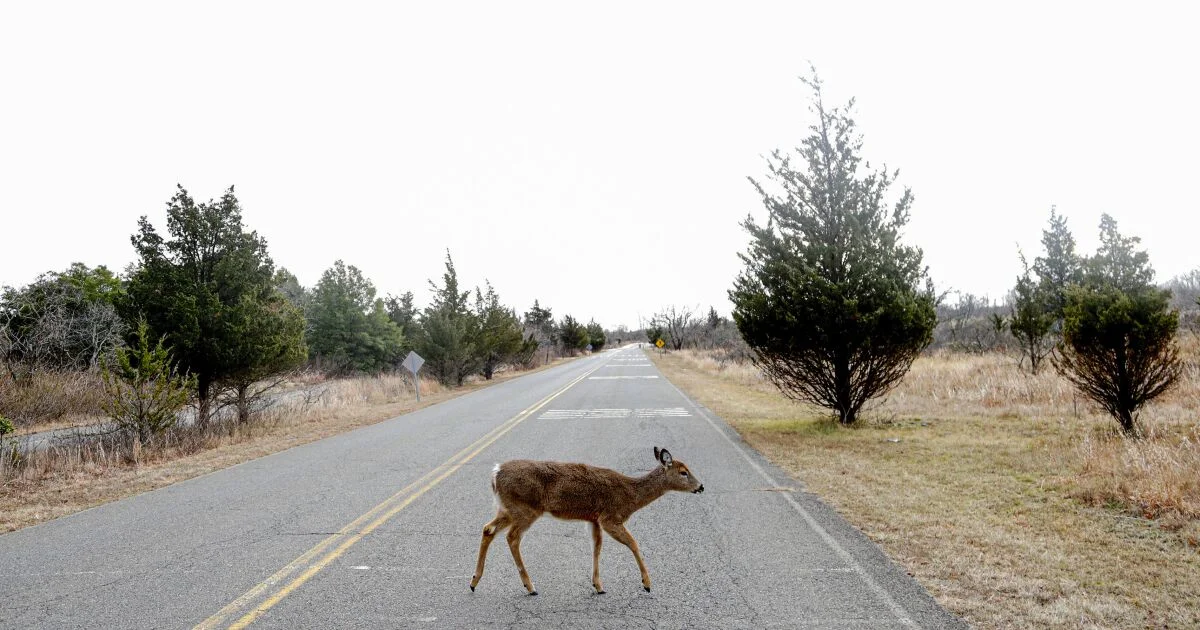
The COVID-19 virus has spread to at least 32 animal species in 39 countries, including lions, tigers, dogs, cats, armadillos, anteaters, otters, and manatees. While most animals do not become very ill, some can transmit the virus to other members of their species, making them potential reservoirs for the virus. As long as the virus is spreading in animals, it has the opportunity to acquire new mutations that could make it more dangerous to people, potentially leading to a Pandemic 2.0. Scientists are calling for active surveillance of wildlife to prevent the virus from becoming entrenched in animal populations.
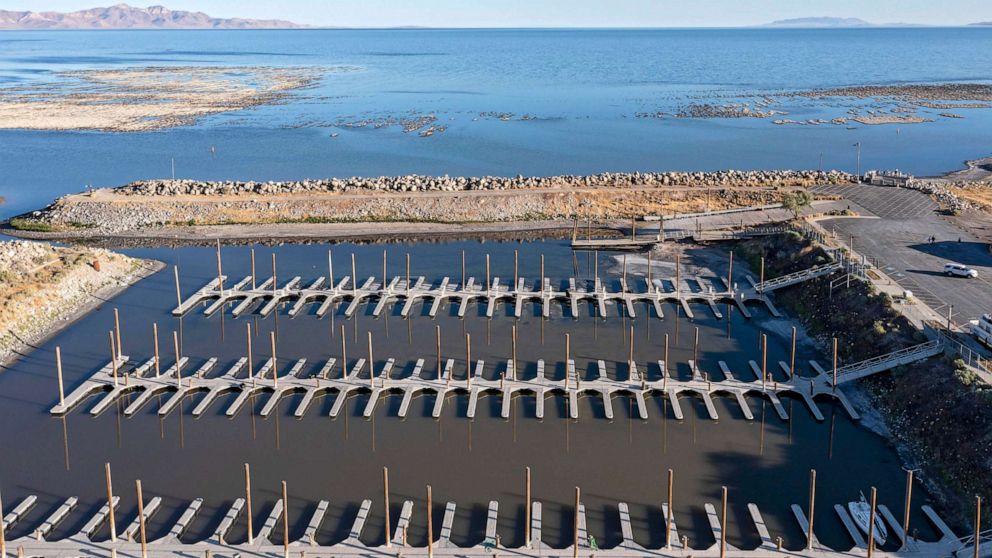
Half of the world's largest lakes and reservoirs are experiencing declining water storage due to human activity and climate change, according to a study. The research combined global satellite measurements with climate and hydrologic models to detect trends in lake water storage for nearly 2,000 of the world’s largest lakes and reservoirs from 1992 to 2020. About 53% of the water bodies studied were found to have experienced significant water losses over the last 28 years at a rate of roughly 22 gigatonnes, or 1 billion metric tons, per year. The declining water storage could affect a quarter of the world's population.
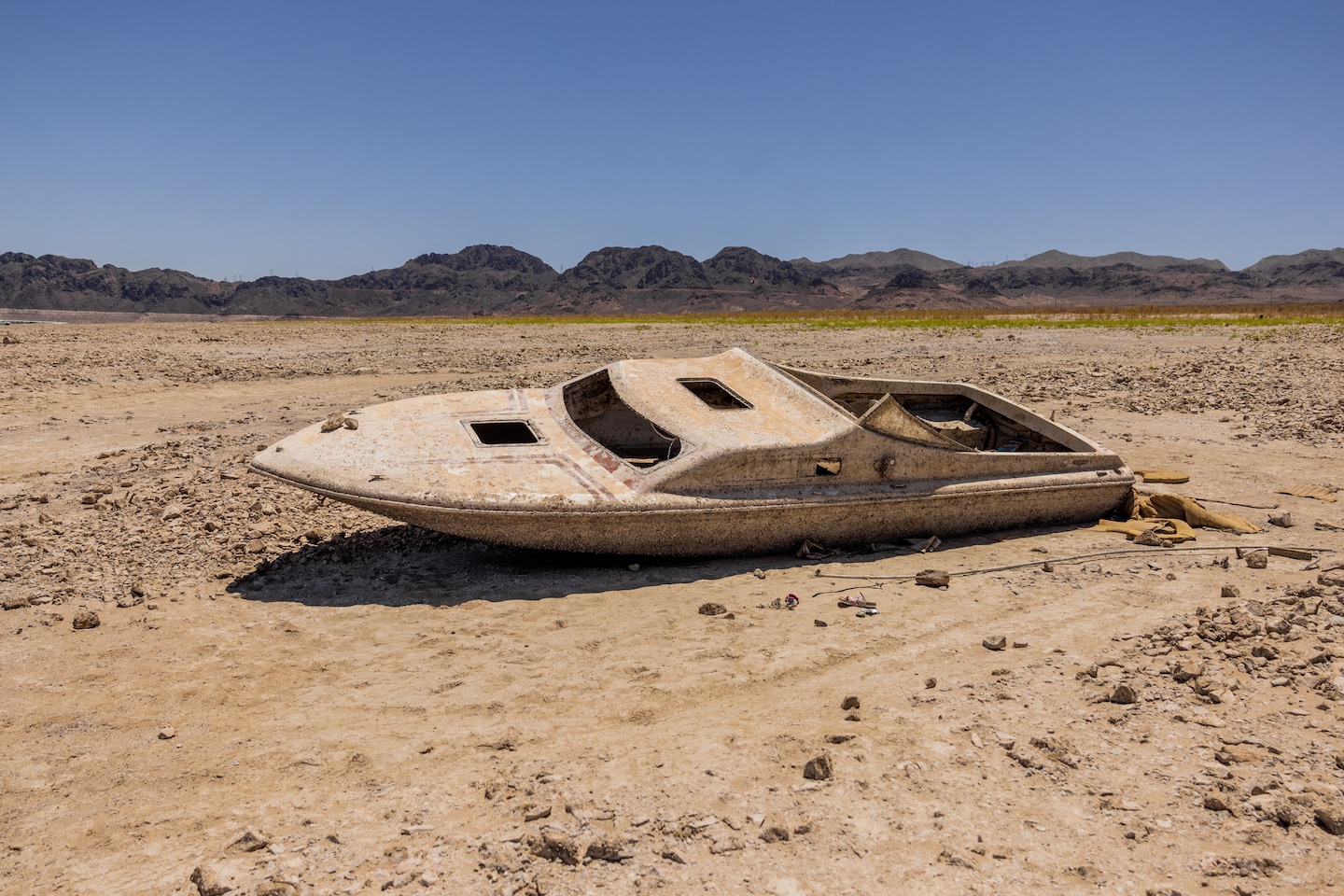
A study of nearly 2,000 large lakes around the world published in the journal Science found that water loss was more widespread during the past three decades than previously thought, with at least half of the decline in natural lakes driven by a warming climate and human water consumption. The drying of lakes and reservoirs around the world is increasingly stressing water supplies for drinking and agriculture, endangering habitats for plants and fish, reducing the capacity to generate hydropower, and threatening marine recreation and tourism. Accurate tracking of lake water trends and identification of factors contributing to water loss can help guide water-management strategies affecting up to 2 billion people.
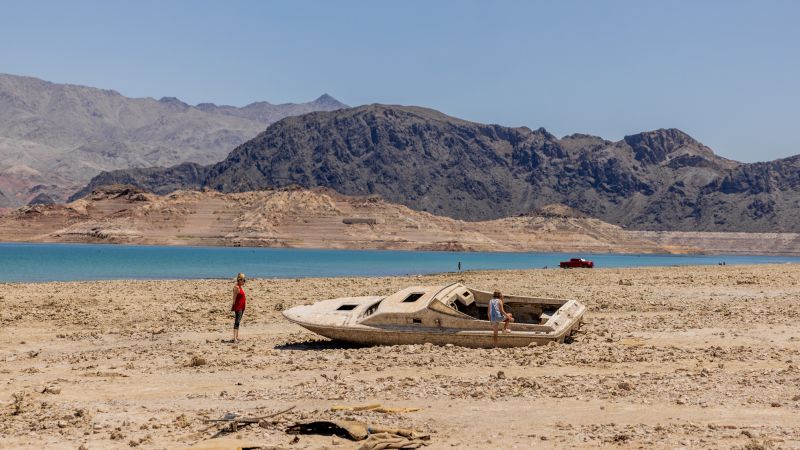
More than half of the world's largest lakes and reservoirs have lost significant amounts of water over the last three decades, with climate change and excessive water use being the primary culprits, according to a new study. The report found that 53% of the lakes and reservoirs had lost significant amounts of water, with a net decline of around 22 billion metric tons a year. The study highlights the need for proper water management as many parts of the world become hotter and drier.
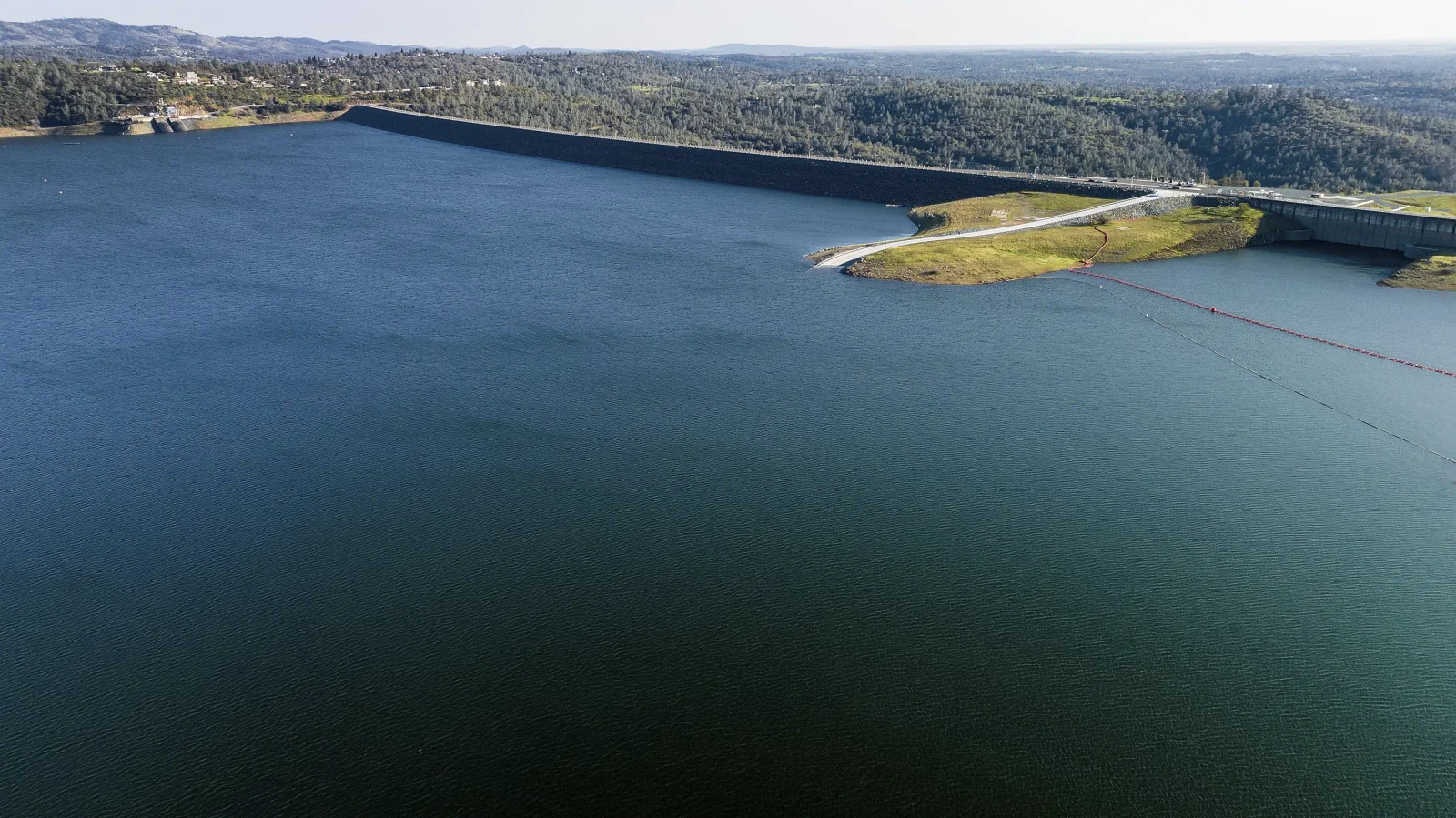
California will provide 100% of the water requested by cities and farms for the first time in years thanks to winter storms that filled reservoirs and runoff from a record snowpack. The move was cheered by contractors who supply the federal water to the state’s agricultural heartland. However, the Department of Water Resources urged people to continue using water cautiously as one extremely wet year could be followed by several dry years, returning the state to drought.
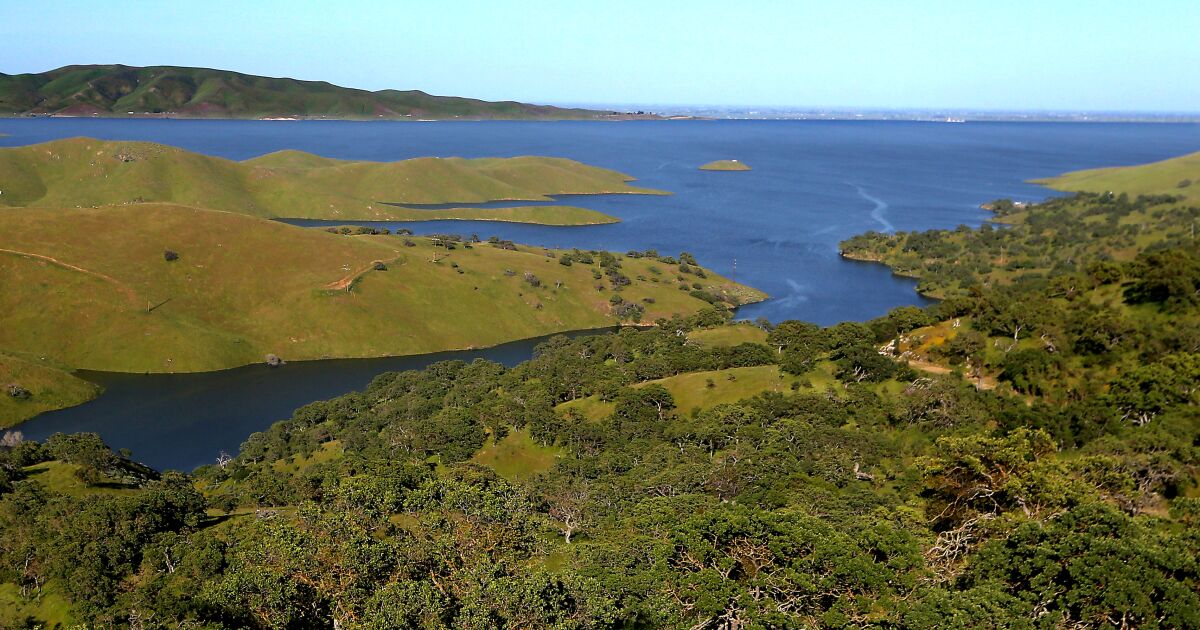
California officials have increased water allocations to 100% of requested supplies for the first time since 2006, as reservoirs across the state are nearing capacity with an epic snowmelt forecast for the coming weeks. An unusually wet winter brought unprecedented snowfall and heavy rainstorms, pulling much of the state out of a punishing years-long drought. The State Water Project and Central Valley Project are both at near-full capacity, providing key water supplies across California through 29 agencies that together provide water for about 27 million residents and 750,000 acres of farmland.
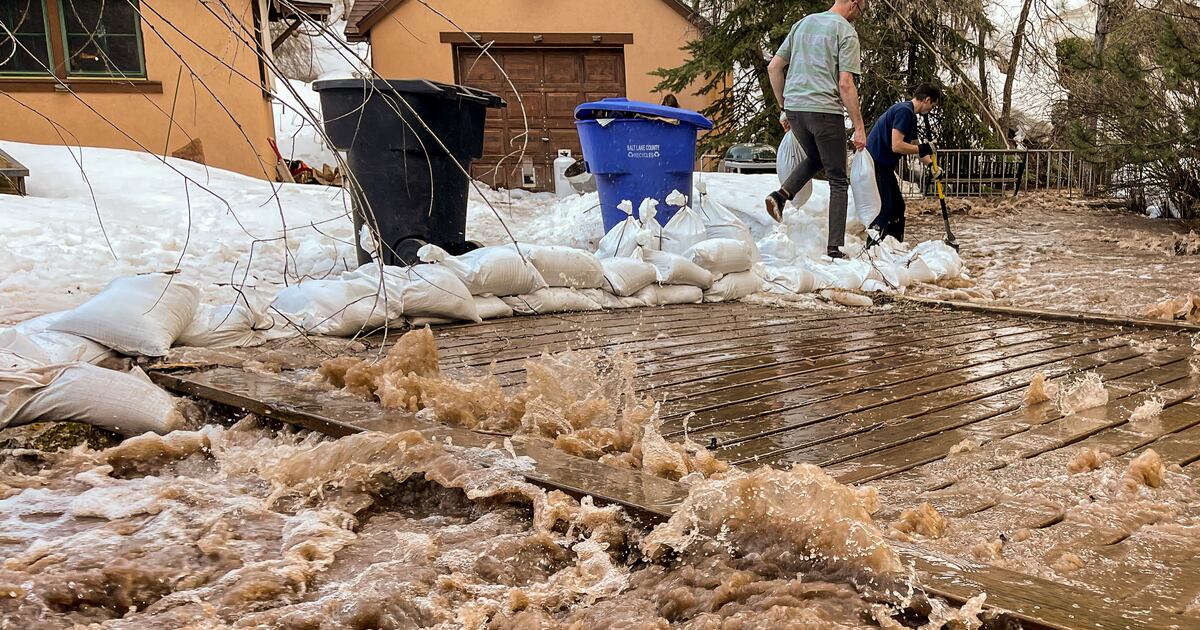
The floodwater flowing through northern Utah due to snowmelt will likely end up in the Great Salt Lake, except for the water that sinks into the ground or is saved in reservoirs. The water will flow into existing rivers and streams, which eventually lead to the lake. Salt Lake County is part of the Jordan River Watershed, while Utah County's rivers and creeks first empty into Utah Lake before going into the Jordan. Weber County's floodwater will flow into nearby creeks and west toward the Great Salt Lake. Some reservoirs can serve as crucial flood mitigation tools, but Great Salt Lake's low level means it can take just about as much water as the record snowpack can dole out.