New research suggests that standing desks may not be as beneficial as once thought, as prolonged standing can lead to circulatory issues like blood pooling in the legs. While sitting for over 10 hours a day is linked to increased risks of heart disease and stroke, simply standing isn't a solution. Instead, incorporating regular movement, such as short walks or stretches every 30 minutes, is recommended. The study, involving over 83,000 participants with an average age of 61, highlights the importance of movement over static positions.

An analysis published in JAMA Internal Medicine revealed a 31% increase in fatal car crashes in the US around the 2017 total solar eclipse, with heightened traffic risks attributed to increased travel, distractions, unfamiliar roads, and potential intoxication. The hours before and after the eclipse were found to be particularly dangerous, with clear weather accentuating the risk. Researchers warned of a similar pattern for the upcoming April 8 eclipse and emphasized the need for safer driving practices to prevent an increase in traffic fatalities. US Federal Highway Administration chief Shailen Bhatt advised planning ahead, avoiding distractions, and not watching the eclipse while driving.
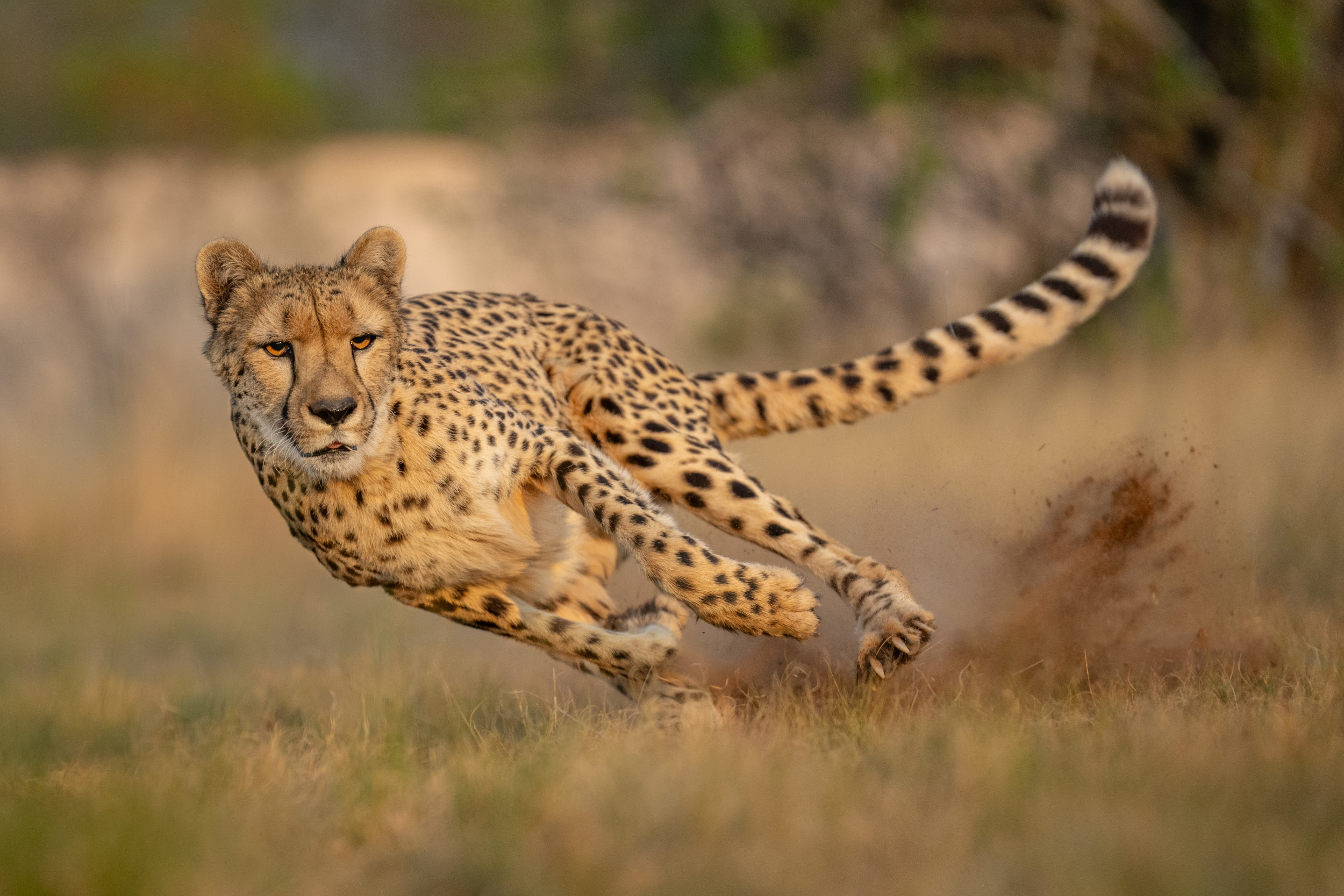
Scientists have discovered a "sweet spot" in animals that explains why fast-moving animals like cheetahs can reach such high speeds, with a study published in Nature Communications. The study found that maximum running speed is constrained by how fast and by how far an animal's muscles can contract, with a "kinetic energy capacity limit" for smaller animals and a "work capacity limit" for larger animals. Animals around the size of a cheetah, at around 50kg, exist in a physical sweet spot where these two limits coincide, making them the fastest. The research also sheds light on muscle evolution and provides insights into differences between animal groups, raising questions about the muscle physiology of extinct and current animals, including human athletes.
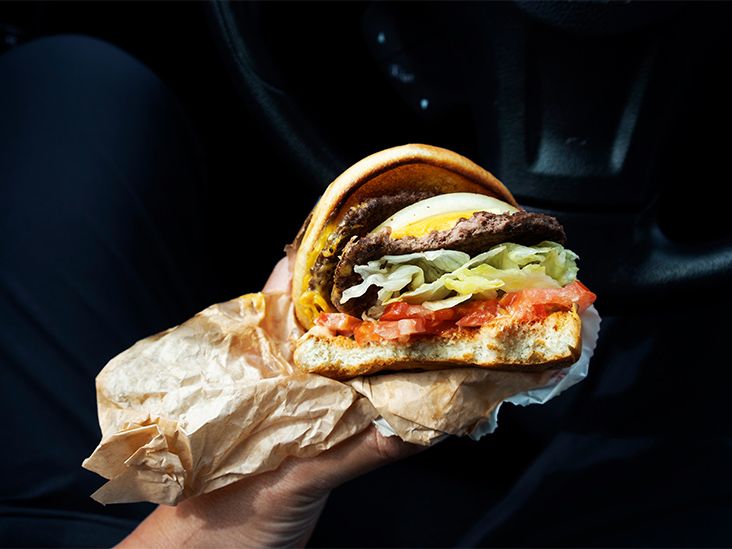
A study published in The BMJ reports that high intake of ultra-processed foods is associated with 32 adverse health outcomes, including heart and lung conditions, cancer, mental health disorders, and early death. These foods, such as instant noodles and packaged baked goods, are common in the American diet and are linked to increased risks of various diseases. Experts recommend reducing dietary exposure to ultra-processed foods and making healthier food choices to improve overall health.
Researchers have found that predicting the motion of stars orbiting the supermassive black hole at the center of the Milky Way becomes unreliable after only 462 years due to the chaotic nature of the system. A study also reveals that climate change is primarily caused by human-induced aerosol emissions and volcanic activity. In a breakthrough for cancer treatment, scientists have developed a quantum therapeutic approach for glioblastoma using bio-nanoantennae. Additionally, a study highlights the main causes of koala bear deaths in southeast Queensland as cars, chlamydia, and dog attacks, emphasizing the need for interventions to protect this endangered species.
New research suggests that lucid dreaming is generally a safe and positive experience, associated with better sleep quality, mental well-being, and lower feelings of loneliness. While a small percentage of lucid dreams can be negative, the majority are emotionally positive. The study found that the frequency of lucid dreams was not associated with sleep quality or dissociation, but was linked to greater mental well-being. However, excessive preoccupation with lucid dream induction techniques may have detrimental effects. The study was based on self-report data and further research is needed to establish causal relationships.