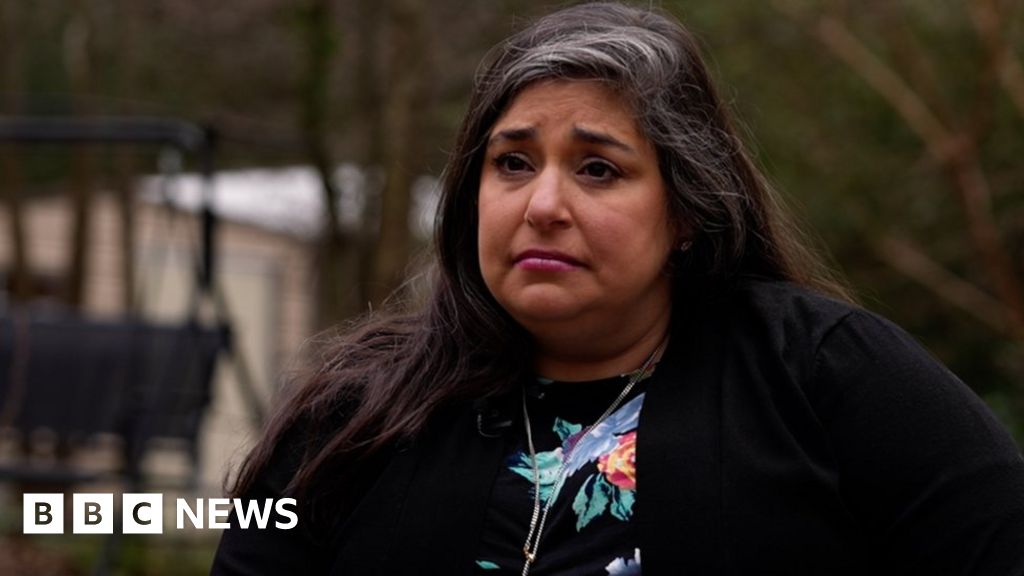
Scientists have developed a diagnostic test to identify women at increased risk of miscarriage by analyzing the womb lining's reaction, potentially leading to new treatments to prevent pregnancy loss, especially in women with recurrent miscarriages.
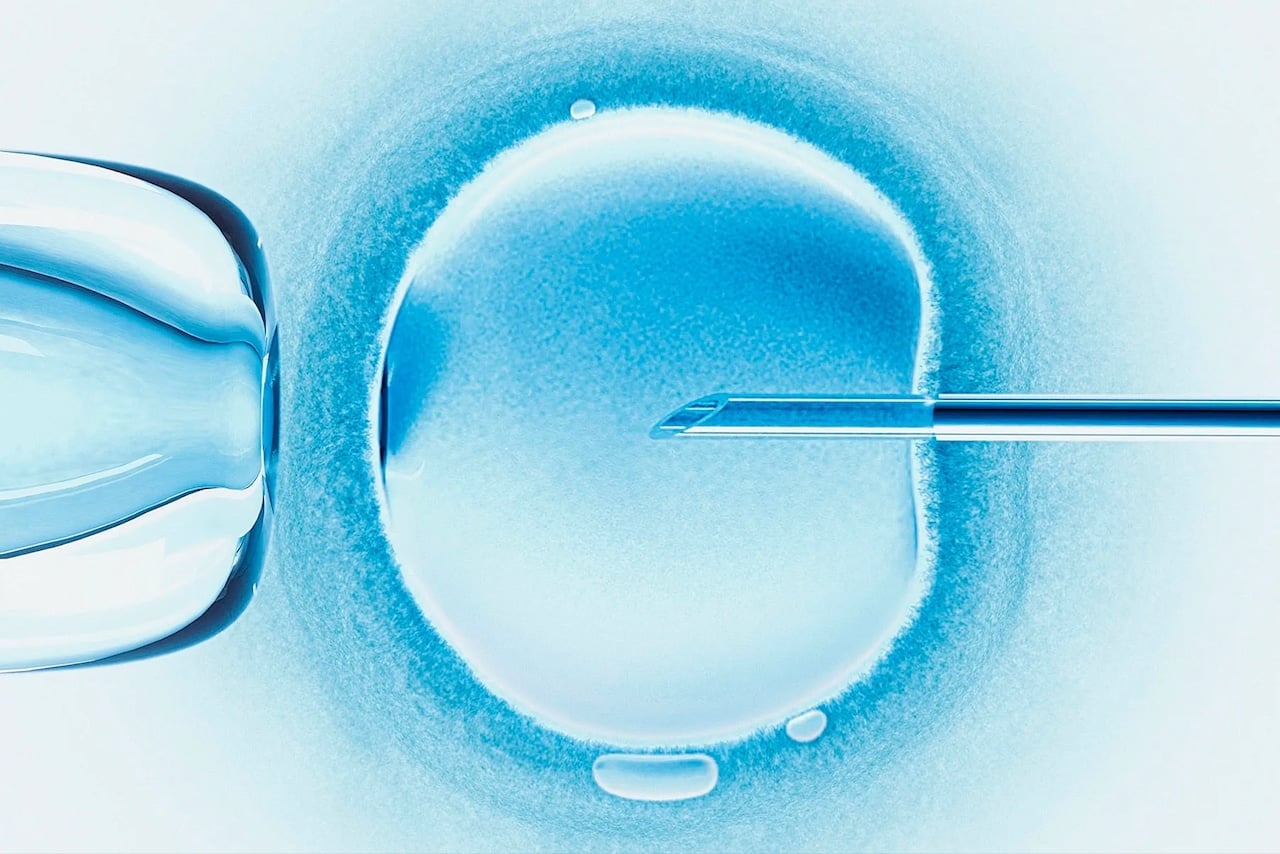
Infirmary Health in Mobile, Alabama, has announced the end of IVF treatment following a state Supreme Court ruling that frozen embryos are considered children. The hospital will temporarily resume IVF treatment for the rest of 2024 before permanently ending the service. This decision comes after facing lawsuits over the destruction of frozen embryos, with the Alabama Supreme Court ruling that frozen embryos are “extrauterine children.” The Center for Reproductive Medicine will relocate its office from the medical center by the end of the year, and concerns remain about the legal status of frozen embryos in the state despite recent legislation providing legal immunity for doctors and IVF clinics.
In honor of Women's History Month, the legacy of the women who played a crucial role in the development of in-vitro fertilization (IVF) is highlighted. From Miriam Menkin's groundbreaking work in the 1930s to Georgeanna Jones' pivotal contributions in the late 70s and 80s, these women were instrumental in the creation and development of IVF, which has since provided a pathway to parenthood for many families. Elizabeth Carr, the first baby born in the U.S. through IVF, advocates for greater protection and access to IVF, emphasizing its importance in addressing infertility and other reproductive health needs.
The average age at which women are having children has been steadily rising, with most women in Britain now having their first child at 32 or older. Despite societal pressure and the prevalence of stories about older celebrities having children, the reality is that fertility declines gradually from 30-35, then more rapidly from 35-40, and sharply after 40. While advancements in fertility testing and assisted reproduction techniques have improved, age remains the dominant factor in fertility. Women's decisions about when to have children are influenced by a complex interplay of societal and biological factors, and it's important to provide accurate information and support rather than stigmatizing language.
Scientists have adapted the procedure that created Dolly the sheep to move a step closer to making IVF eggs from patients’ skin cells, potentially revolutionizing IVF and offering hope to infertile patients who have lost gametes due to disease, ageing, or cancer treatments. The procedure could enable older women to have children who share their DNA and help overcome common forms of infertility. The process, which may take a decade to perfect and approve in humans, would also allow male couples to have genetically related children and could address fertility-related issues in the future.
At least one Alabama fertility clinic has resumed embryo transfers following the signing of a law by Gov. Kay Ivey that provides legal protection for in vitro fertilization procedures. The law was a response to a State Supreme Court ruling that considered frozen embryos as children, causing several clinics to temporarily halt IVF treatments. While the law offers immediate relief, more legal clarity is needed to ensure the long-term continuation of IVF in the state, as the question of whether an embryo should be considered a person remains unresolved.
The Alabama Supreme Court ruling that frozen embryos can be considered "extrauterine children" under state law has significant implications for in vitro fertilization (IVF) procedures, potentially raising risks and costs for patients and medical practitioners. The ruling has led to at least three providers in Alabama pausing IVF treatments, and an Alabama lawmaker plans to introduce legislation to clarify IVF regulations. The ruling could impact the storage and use of frozen embryos, as well as the financial accessibility of IVF. Additionally, it may have broader implications for the recognition of embryos as persons in the context of the anti-abortion movement.
Doctors in Alabama are outraged by a supreme court ruling that has effectively halted in vitro fertilization (IVF) treatments in the state by declaring embryos as "extrauterine children". The decision, stemming from a case involving a fertility clinic incident, has led to the suspension of IVF treatments at major clinics, sparking concerns about the future of reproductive medicine in Alabama. Medical professionals argue that the ruling demonstrates a fundamental misunderstanding of IVF and could have far-reaching implications on fertility care, with potential impacts on both patients and healthcare providers.
Several fertility clinics in Alabama have paused new IVF treatments following a court ruling that considers frozen embryos as children, leading to concerns about legal risks and prosecution for both medical providers and fertility patients. The ruling has sparked uncertainty and fear among patients and healthcare professionals, with President Joe Biden criticizing the decision and its potential impact on fertility treatments. The decision may have far-reaching implications for reproductive medicine in Alabama and has raised questions about the legality of certain aspects of IVF under state law.
The Alabama Supreme Court's ruling that frozen embryos should be considered children has sparked concerns about the future of fertility care for would-be parents in the state and raised complex legal questions with implications beyond Alabama. The decision has drawn criticism from the White House, with the press secretary expressing concerns about the impact of overturning Roe v. Wade and the potential for politicians to influence personal family decisions. The ruling, which references antiabortion language in the state constitution, has significant implications for individuals relying on in vitro fertilization and has reignited the debate over reproductive rights and access to care.
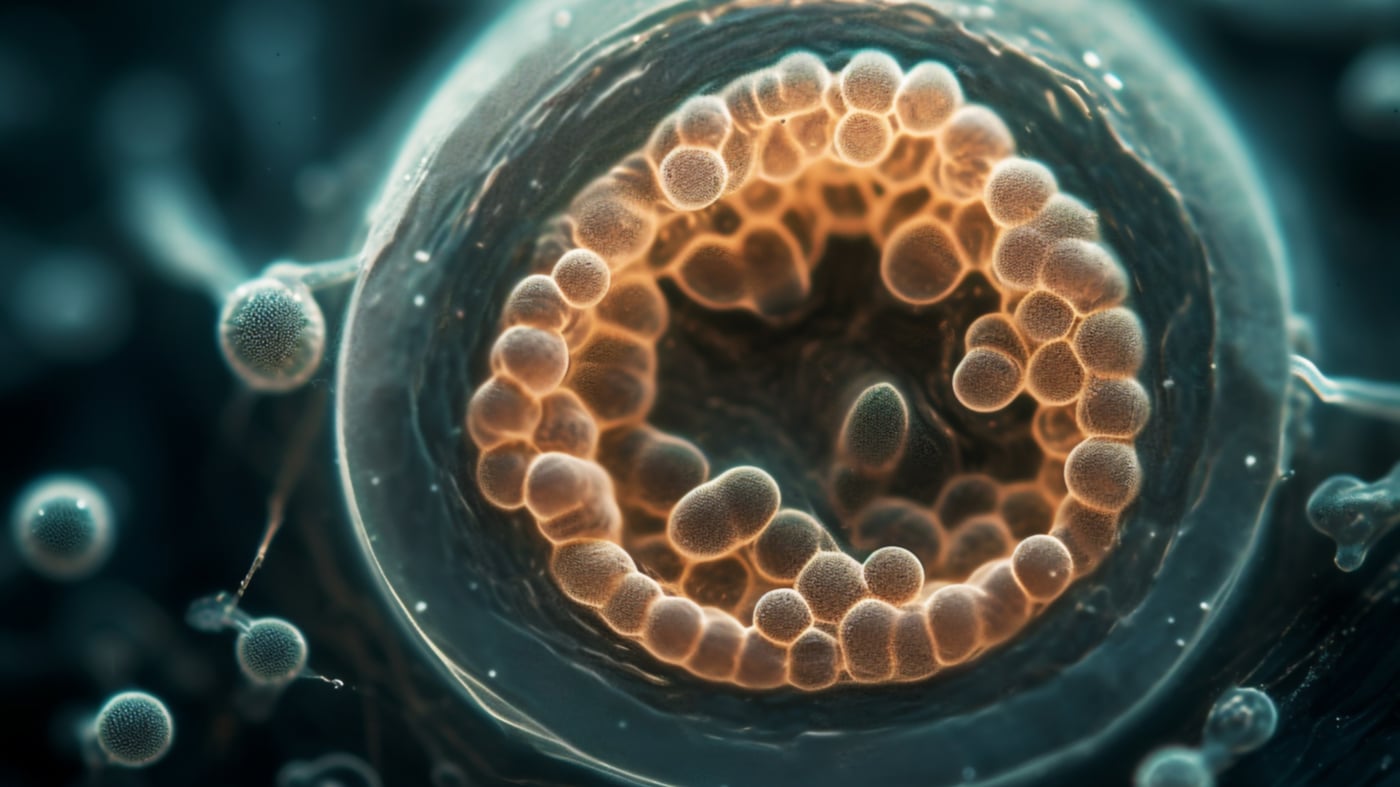
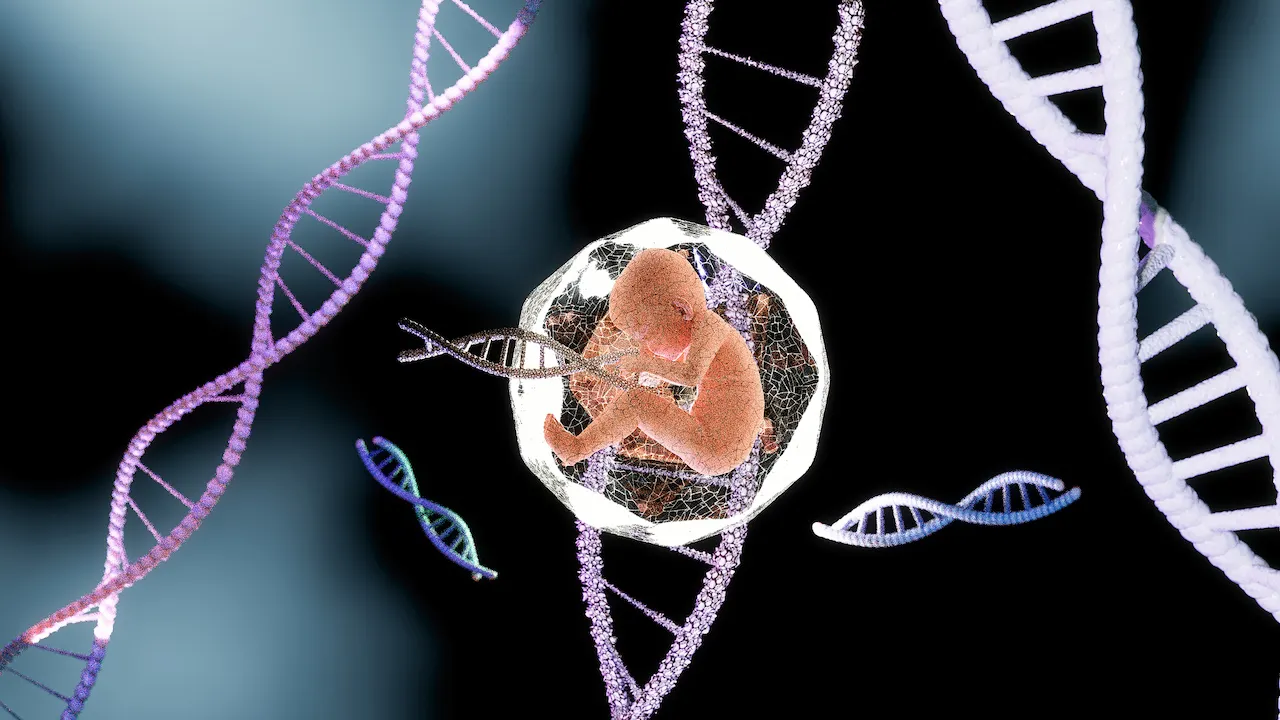
Scientists have successfully developed complete models of human day 14 post-implantation embryos using naïve embryonic stem cells (ES cells). This breakthrough in developmental biology and reproductive medicine provides valuable insights into early human development and could have significant implications for studying embryonic development and improving assisted reproductive technologies. The models accurately recapitulate the complex cellular organization and structures of the embryos, including the epiblast, hypoblast, trophoblast-like compartments, and amnion-like and yolk sac-like structures. This research opens up new possibilities for studying human embryogenesis and advancing our understanding of early human development.
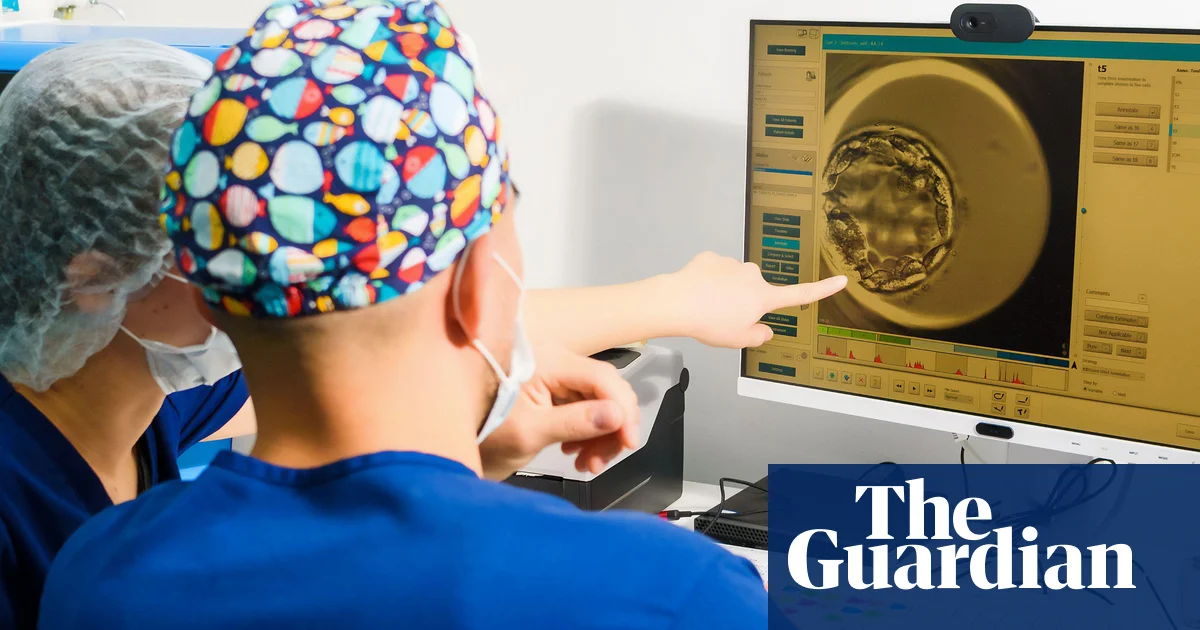
Artificial intelligence (AI) is being used to help fertility doctors select the best embryos for in-vitro fertilization (IVF). A Tel Aviv-based reproductive technology company, AIVF, has developed an AI-powered embryo evaluation software called EMA. The software processes vast amounts of data to simplify the embryo selection process, providing clinicians with a numeric score for each embryo. The AI model has been trained to detect embryonic features that correlate to different outcomes, such as genetic abnormalities and implantation potential. The technology aims to improve IVF success rates and reduce the number of treatment sessions required. While AI is a valuable tool, it is not intended to replace doctors, but rather to assist them in making more informed decisions. AIVF's technology is currently in use in several regions and has reportedly led to a 30% increase in IVF success rates.