Spain is facing a severe housing crisis driven by foreign investment, tourism, and local speculation, leading to skyrocketing property prices and rents, a shortage of affordable social housing, and protests from residents demanding government action.
A new NYC law eliminates upfront broker fees, reducing initial move-in costs for renters but potentially leading to higher rents as landlords may pass on these costs, sparking concerns about increased rental prices and market scarcity.
The housing market is shifting in favor of renters as the supply of rental units increases and rental prices decrease. Landlords are offering incentives such as free rent and waived fees to attract tenants. This shift is due to a combination of factors including an increase in new construction, a decrease in demand due to the pandemic, and a shift towards remote work allowing renters to move to more affordable areas.
Rentcafe's annual analysis shows that Wichita, Kansas offers the most apartment space for $1,500 with 1,463 square feet, while Manhattan offers the least with only 243 square feet. Year-over-year average rent prices across the U.S. have gone down for the first time since COVID-19, but the national median cost of rent is still $1,937, which is higher than pre-pandemic levels.
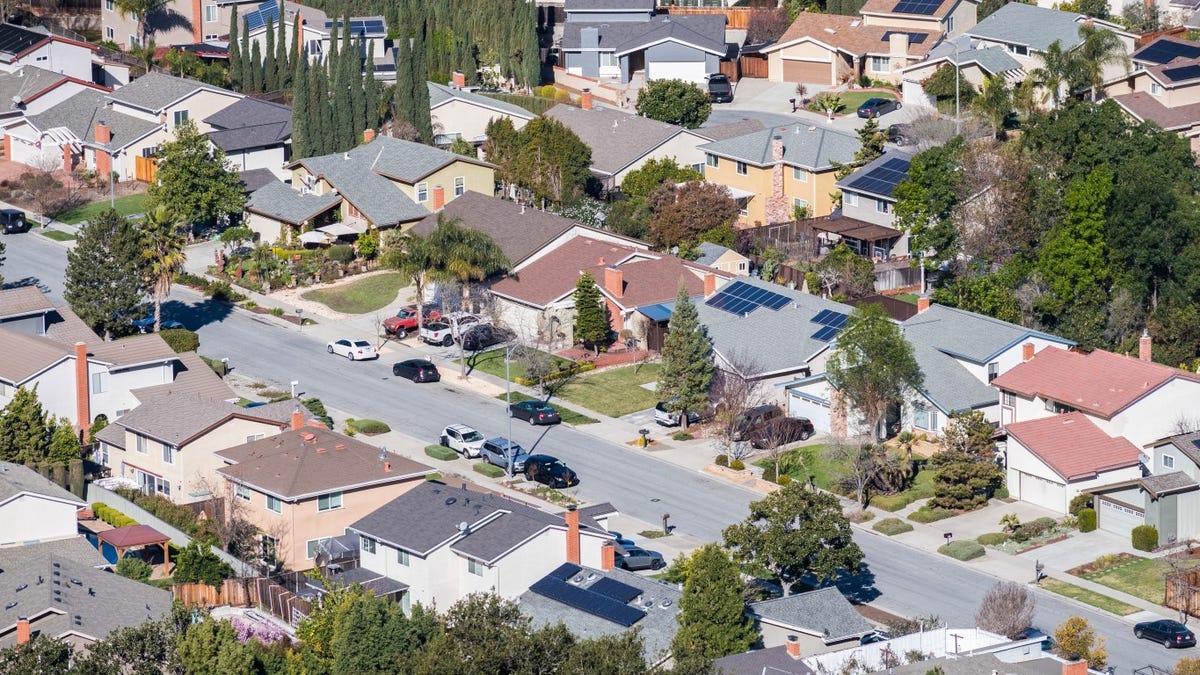
Despite a cooling overall rental market, single-family rentals are seeing a 6% increase in monthly rental rates, with a 75% increase in inventory year-over-year. The median national rent for single-family detached rental was $2,395, a 20% increase since the same period in 2021. As potential homebuyers wait for home prices to cool and interest rates to decrease, they are turning to the single-family rental market. The overall rental market, including apartments and multi-family rentals, is experiencing decreasing prices due to steadily increasing vacancy rates, new construction inventory, and a tepid housing market.
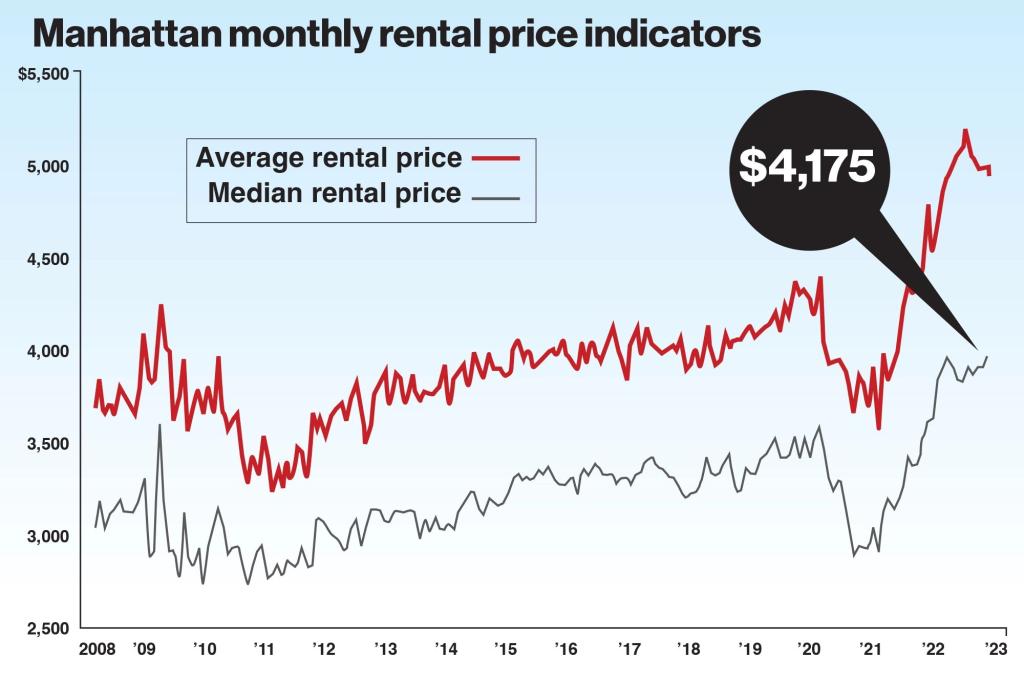
Manhattan's median rental price has reached an all-time high of $4,175 per month, with the average rental price hitting $5,115 per month. The high prices are due to a lack of inventory, rising mortgage rates, peak season, and the Housing Stability Tenant Protection Act. The report does not include The Bronx or Staten Island in its tallies. Meanwhile, more than 10,000 New Yorkers have fled the state for Florida so far in 2023, and nearly a third of New Yorkers want to move out due to housing costs and other factors.
Rental prices were the largest contributor to the rise in inflation in March, with housing costs going up 8% during the same time period. However, newly constructed apartments are expected to hit the market this year, which should lower rental prices. Rent growth continued to slow in February, with the national median rent at $1,937, down from $2,053 in August 2022. While most of the significant yearly increases were concentrated in Southern and Midwestern states, seven states saw year-over-year price declines in January.
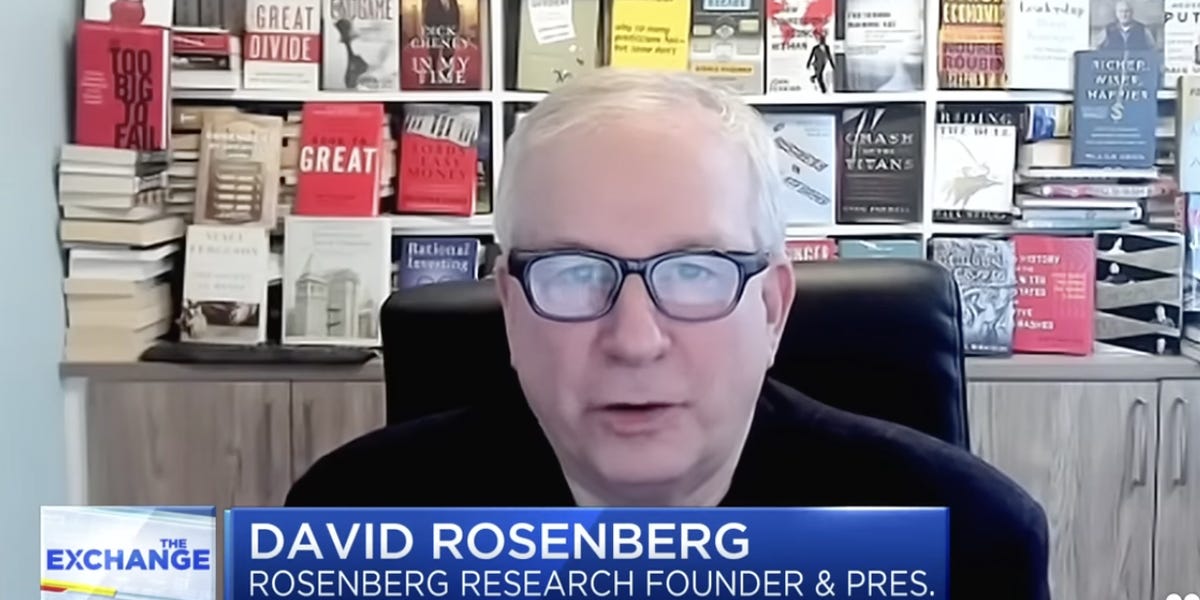
Economist David Rosenberg believes that US inflation will decrease significantly in the next 12 months, regardless of the Federal Reserve's decision on interest rates. He argues that the Fed's previous interest rate hikes were a mistake and that further hikes would be ill-advised. Rosenberg predicts that once rental prices start to deflate, inflation will drop more than expected. The market is waiting for the March reading of CPI to determine whether the Fed will raise rates again in May.