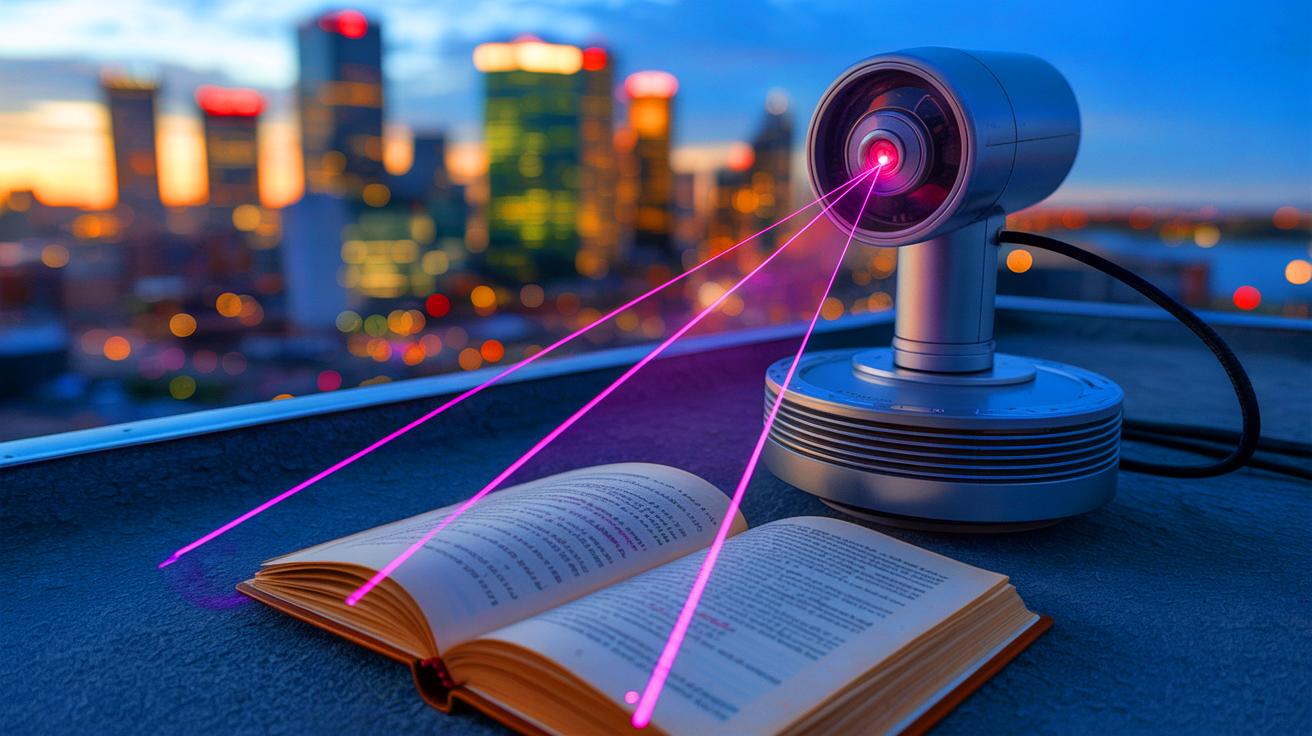
Scientists in China have developed a device using laser interferometry that can read text from nearly a mile away, raising significant privacy and security concerns due to its potential for surveillance and misuse, with future enhancements likely involving AI to improve accuracy and applications.
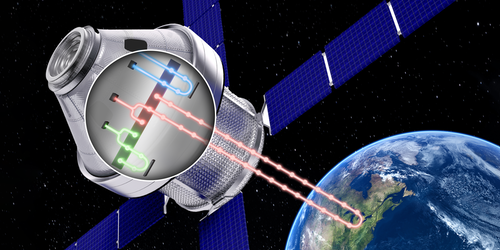
Researchers propose a quantum radar system capable of remote sensing over hundreds of kilometers by utilizing entangled multiphoton states and frequency combs. This approach leverages the Zou-Wang-Mandel effect, allowing imaging of objects without direct interaction, and aims to surpass classical resolution limits. The system's design eliminates the need for photon storage, using the coherence of frequency combs to maintain information. While promising, practical challenges like atmospheric turbulence remain to be addressed.
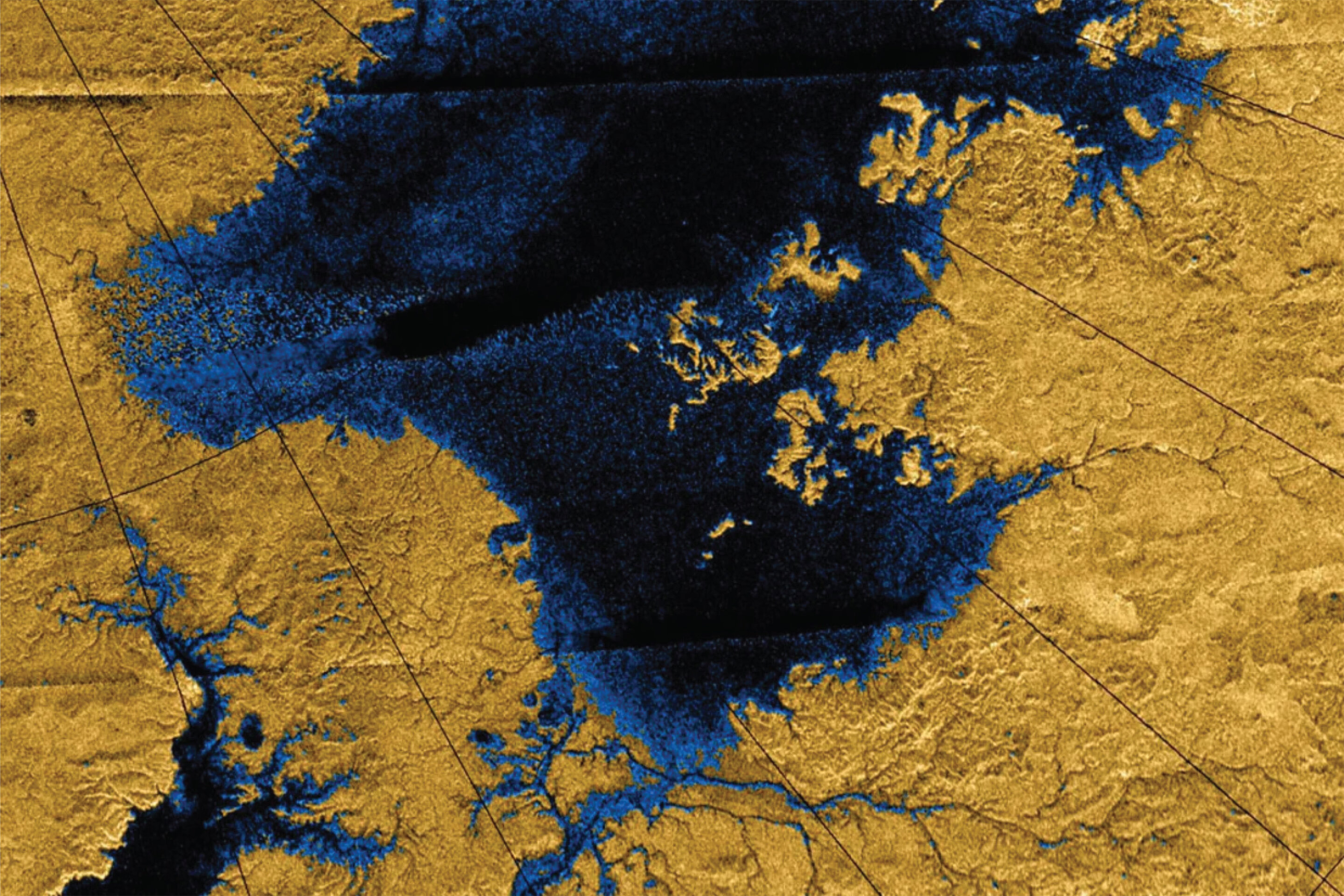
MIT geologists have developed a new technique that uses remote satellite observations to estimate the rate at which rivers move fluid and sediment downstream on Mars and Titan. By applying mathematical equations to measurements of a river's width and slope, the researchers were able to predict the flow rate and characteristics of ancient rivers on Mars and currently active rivers on Titan. The method provides insights into the intensity of past and present river activity on these celestial bodies, offering a time machine for studying Mars' ancient rivers and a glimpse into the Earth-like features of Titan.