Ford is scaling back its electric vehicle plans, citing low demand and regulatory changes under the Trump administration, resulting in a $19.5 billion hit and a shift towards hybrid and gas-powered vehicles, including redesigning the F-150 as a hybrid and canceling a new electric van.

Oil and gas activity slightly declined in Q3 2025 amid rising costs, regulatory impacts, and market uncertainty, with firms expecting modest price increases and a cautious outlook on future exploration, especially outside the US. Theft and delayed investments are notable issues, while AI and sourcing from China are areas of strategic focus.
The U.S. government plans to implement reforms requiring prescription drug ads to include full safety warnings, which could lead to reduced advertising spending on TV, negatively impacting broadcasters and media stocks like Nexstar, Disney, and Comcast. The changes aim to curb misleading advertising but may face legal and industry pushback, creating uncertainty about the future of pharmaceutical advertising on television.
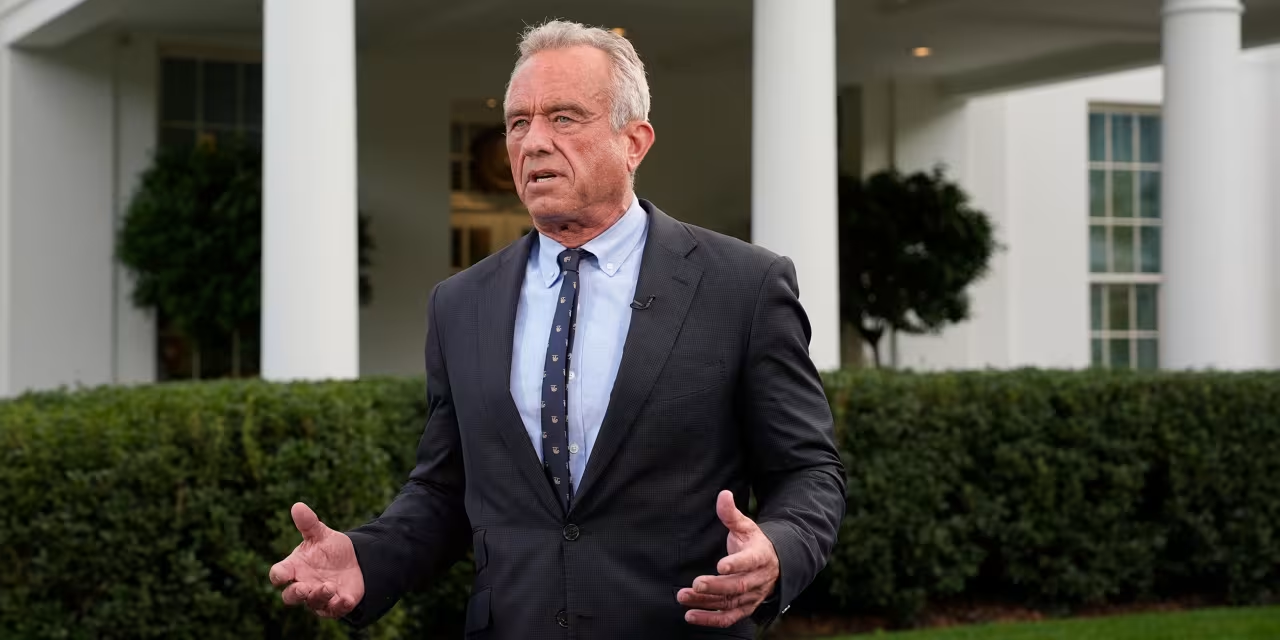
CVS is offering COVID vaccines in 34 states without a prescription, in 13 states with prescriber authorization, and has completely stopped in 3 states, following recent regulatory changes and RFK Jr.'s announcement that rescinded emergency use authorizations, leading to confusion and restrictions on vaccine access across the U.S.
President Donald Trump signed an executive order to expand access for 401(k) investors to alternative assets like private equity and real estate, aiming to improve retirement outcomes and diversify investment options by prompting regulatory reviews and revisions across federal agencies.
US regulators are considering relaxing the pattern day trading rule, which currently restricts investors with less than $25,000 in their accounts from frequent trading, by lowering the minimum to $2,000 and allowing brokerages to set their own margin thresholds, aiming to increase retail market participation amid evolving trading practices and technological advancements.
Recent leadership changes at the FDA, including the removal of top officials overseeing cell and gene therapies, have created uncertainty in the biotech sector, impacting stock prices and raising questions about the future regulatory landscape for genetic medicines, especially following disagreements over drug approvals like Sarepta's Elevidys.
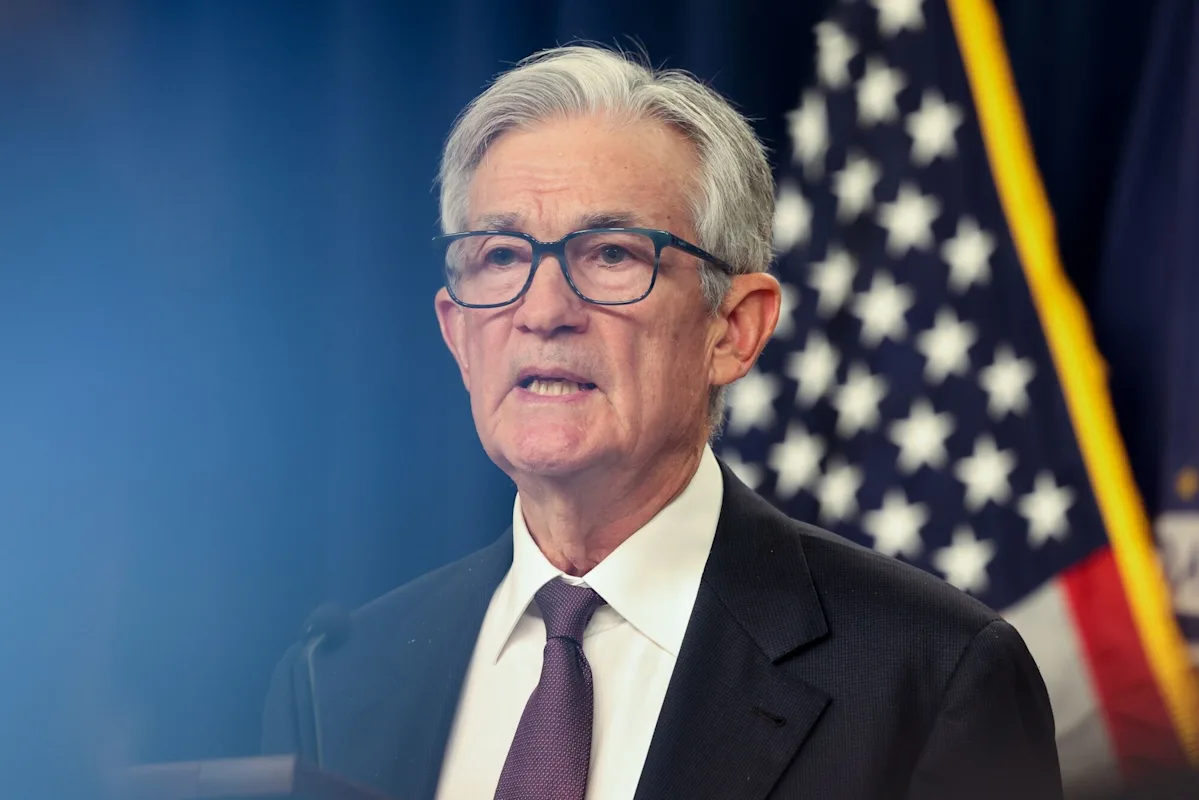
US bank regulators plan to reduce the capital buffer requirement for the largest banks by up to 1.5 percentage points to ease trading constraints in the Treasuries market, with proposals to adjust the enhanced supplementary leverage ratio and potentially exclude Treasuries from calculations, aiming to bolster market liquidity.
Standard Chartered predicts Bitcoin could reach $200,000 by the end of 2025, driven by strong institutional inflows and increased adoption by traditional financial institutions. Geoffrey Kendrick notes that institutional demand has already pushed Bitcoin past $100,000, with significant purchases from U.S. spot ETFs and companies like MicroStrategy. The report highlights the potential impact of U.S. retirement and sovereign wealth funds, with regulatory changes expected to facilitate greater participation from traditional finance.
State Farm, California's largest property insurer, will not renew around 72,000 property and commercial apartment policies, citing higher construction costs, growing risk from catastrophic events, and challenges related to insurance regulations. The decision follows the company's halt on new applications for property and business policies in May. The California Department of Insurance has announced regulatory changes, and State Farm has agreed to work with the agency to align insurance rates with risk. The non-renewals will begin in July for homeowners policies and in August for commercial ones, affecting about 2% of the company's footprint in the state.
Apple has released iOS 17.4 beta 2 for developers, focusing on changes for the EU, including reduced commission structure for apps, allowing third-party default browsers and web engines, and supporting third-party iPhone app stores. The update also includes new emoji characters and is set to arrive for everyone in March. Additionally, macOS 14.4 beta 2, watchOS 10.4 beta 2, and tvOS 17.4 beta 2 have been released, with the first-ever visionOS 1.1 beta also available.
Apple has released iOS 17.4 beta 2 with specific changes for the EU, including a reduced commission structure for apps, allowing third-party default browsers and web engines, and support for third-party iPhone app stores. The update also includes new emoji characters for global users and is set to arrive for everyone in March. Additionally, macOS 14.4 beta 2, watchOS 10.4 beta 2, and tvOS 17.4 beta 2 have been released, with the first-ever visionOS 1.1 beta also available.
Shares of Indian fintech giant Paytm plunged 10% after the Reserve Bank of India (RBI) widened its curbs on Paytm’s Payments Bank, leading to concerns about the company's future. The clampdown has resulted in a significant decline in Paytm's market cap and raised doubts about its ability to continue offering banking services. The ongoing episode is also impacting investor confidence in the Indian fintech market, with regulatory changes making the sector increasingly challenging for many VCs.
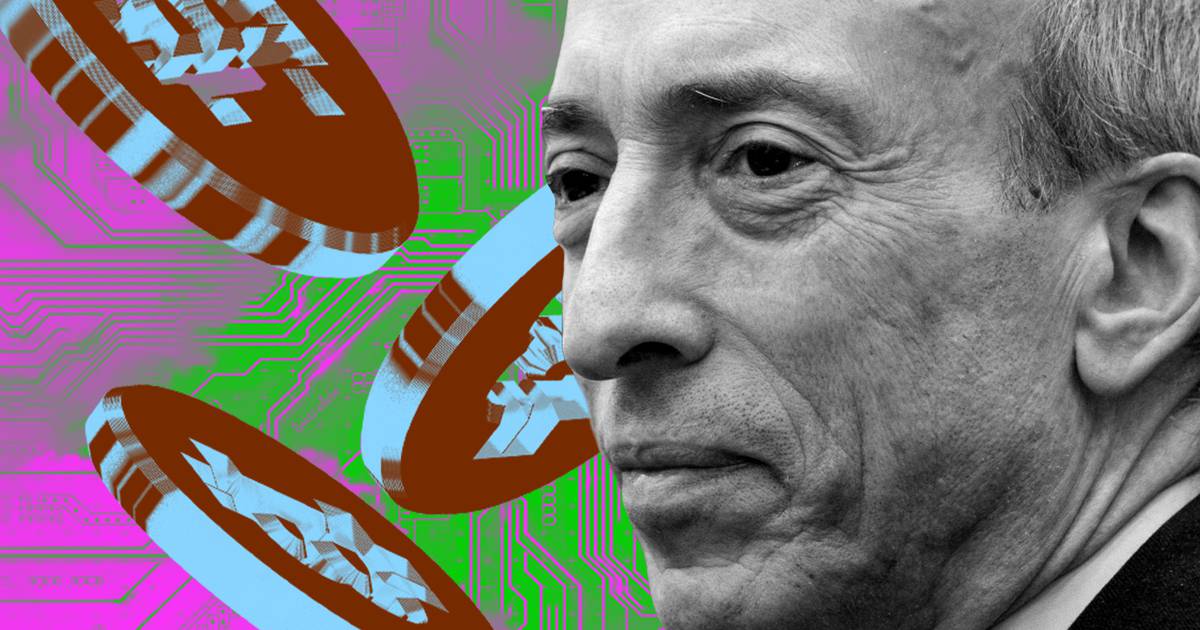
Analysts predict several "grey swan" events that could impact the cryptocurrency industry in 2024. These include SEC Chair Gary Gensler potentially stepping down, which could lead to a more cryptocurrency-friendly regulatory environment and influence global trends. Increased regulatory clarity is expected to drive institutional adoption of Bitcoin, especially if a spot Bitcoin exchange-traded fund is approved. The Bitcoin halving event in April 2024, coupled with potential Federal Reserve cuts, could create a perfect storm for Bitcoin, potentially causing it to soar 60% and surpass its all-time high.
Shareholders of Dulwich College International, a British school with operations in China, are reportedly in talks for a potential sale of its Asia business due to the challenges faced by private schools in China's education industry. Dozens of international and private schools in China have been closing or merging as a result of tighter regulations, a slowing economy, and declining foreign student numbers. The expansion of privately run bilingual schools offering a western exam curriculum was hindered by new rules imposed by Beijing and the crackdown on private tutoring. The COVID-19 pandemic and slowing economic growth have further exacerbated the challenges.