Regulators are planning to replace the $25,000 minimum equity rule for day trading with a new intraday margin rule, making active trading more accessible for smaller accounts and potentially increasing trading activity among retail investors.
US regulators, through Finra, are proposing to relax day-trading rules by lowering the minimum account balance from $25,000 to $2,000 for retail investors, potentially eliminating the three-trade limit and allowing brokerages to set their own margin requirements, in response to market changes and reduced trading costs.
US regulators are considering relaxing the pattern day trading rule, which currently restricts investors with less than $25,000 in their accounts from frequent trading, by lowering the minimum to $2,000 and allowing brokerages to set their own margin thresholds, aiming to increase retail market participation amid evolving trading practices and technological advancements.
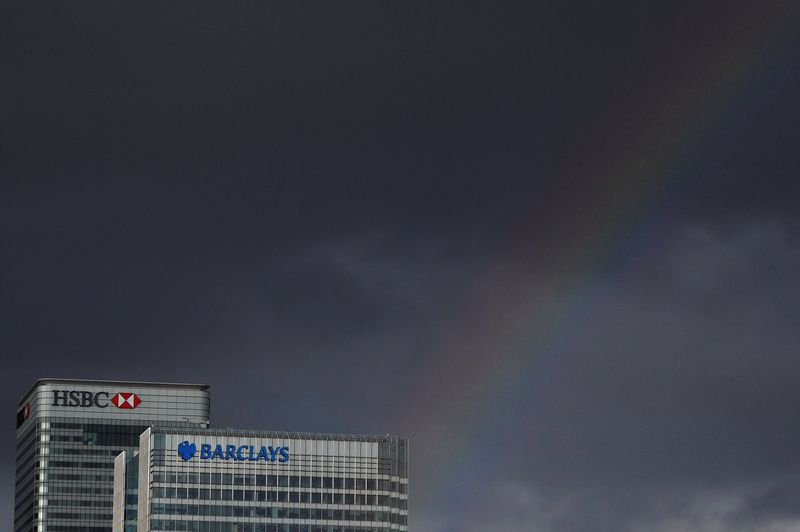
Major banks like Citigroup, Barclays, and HSBC are requiring employees to return to the office five days a week due to renewed FINRA regulations on workplace inspections, which include registering and inspecting home offices. While some banks cite these regulations as the reason for the shift, FINRA argues that its rules offer flexibility for remote work. Banks are trying to make office environments more appealing to encourage voluntary returns, despite the regulatory push.
Major banks like Citigroup, Barclays, and HSBC are requiring employees to return to the office five days a week due to renewed FINRA regulations on workplace inspections, despite some banks' efforts to make office environments more appealing. FINRA disputes claims that its rules are forcing stricter in-office mandates, stating that it has actually provided more flexibility for remote work.
Citigroup has asked 600 US employees to return to the office full-time due to regulatory requirements, as the Financial Industry Regulatory Authority (FINRA) reinstates pre-pandemic rules. While most Citi employees will continue a hybrid schedule, other banks like Barclays and HSBC are also adjusting their work policies in response to changing regulations.
Citigroup has asked 600 U.S. employees to return to the office full-time due to regulatory requirements, as the Financial Industry Regulatory Authority (FINRA) reinstates pre-pandemic rules. While most Citi employees will continue a hybrid schedule, other banks like Barclays and HSBC are also adjusting their work policies.
Barclays and other Wall Street firms are considering requiring employees to return to the office five days a week due to new US brokerage regulations by Finra. These rules, which include listing home offices in regulatory records and periodic inspections, are prompting some firms to rethink remote work policies. While some, like Deutsche Bank, may find ways to comply with minimal changes, others like Truist Financial Corp. have already mandated full-time office attendance for certain staff.
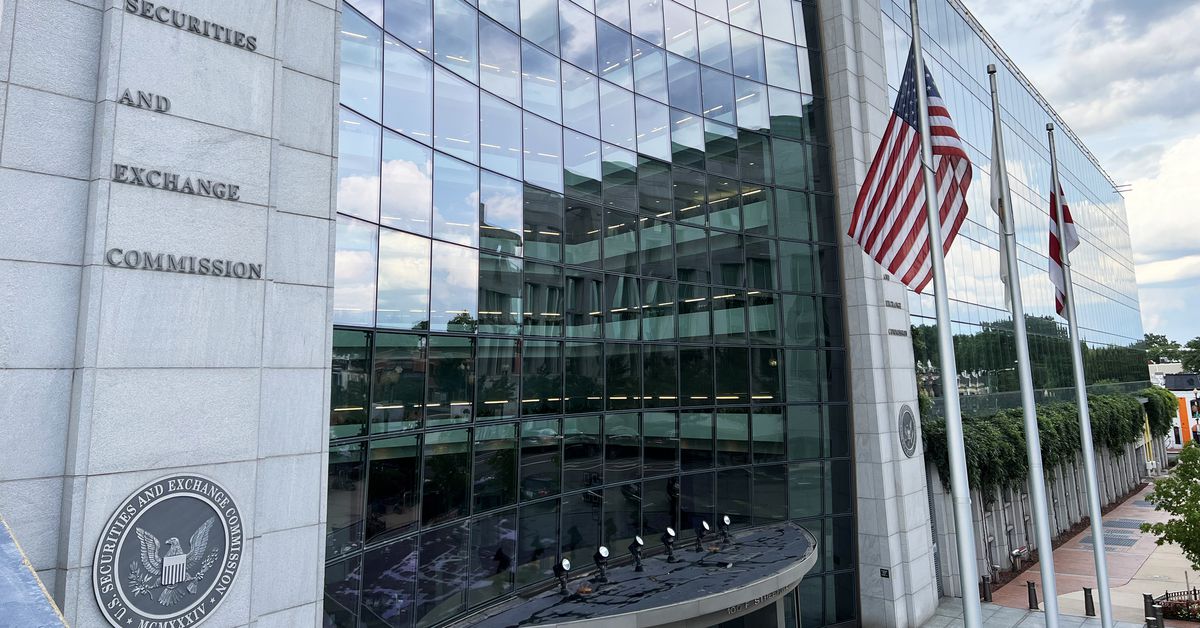
The Securities and Exchange Commission (SEC) has adopted rule amendments that narrow the exemption from Section 15(b)(8) of the Securities Exchange Act of 1934, requiring broker-dealers to become members of a national securities association. The amendments aim to enhance oversight by the Financial Industry Regulatory Authority (FINRA) of firms engaged in cross-market proprietary trading. The exemptions will be narrower and apply to broker-dealers that do not carry customer accounts and engage in specific types of off-member-exchange securities transactions. The final rule will become effective 60 days after publication in the Federal Register, with a compliance date set for 365 days after publication.
The Financial Industry Regulatory Authority (FINRA), an industry-funded oversight arm created by the SEC, has approved its first broker-dealer with custody rights for digital assets securities, Prometheum Ember Capital LLC. Prometheum Capital, the parent company, was purpose-built to comply with SEC regulations under the assumption that almost all tokens are securities under U.S. law. The company has been approved as an alternative trading system (ATS) for digital assets securities and will go live in Q3. The company's broker-dealer will also maintain custody of customer's assets, which could be a particularly important point as the SEC considers a proposal that could require the investment advisers the agency oversees to keep customers' crypto assets only with "qualified custodians."